AR
AR EN
EN ZH
ZH FR
FR ES
ESA 250kW hybrid battery storage specification should be evaluated as an energy system decision, not a simple battery purchase. The rated power tells part of the story, but the project outcome depends on inverter capacity, battery chemistry, charge-discharge logic, and how the site transfers between solar, stored energy, and generator sets. At Tide Power, we treat 250kW as a system boundary: the battery cabinet, power conversion, energy management, and control interface must be specified together. Buyers who focus only on nameplate capacity often miss the operating constraints that determine whether a facility holds critical loads without interruption during a grid disturbance.
What Does a 250kW Hybrid Battery Storage System Include?
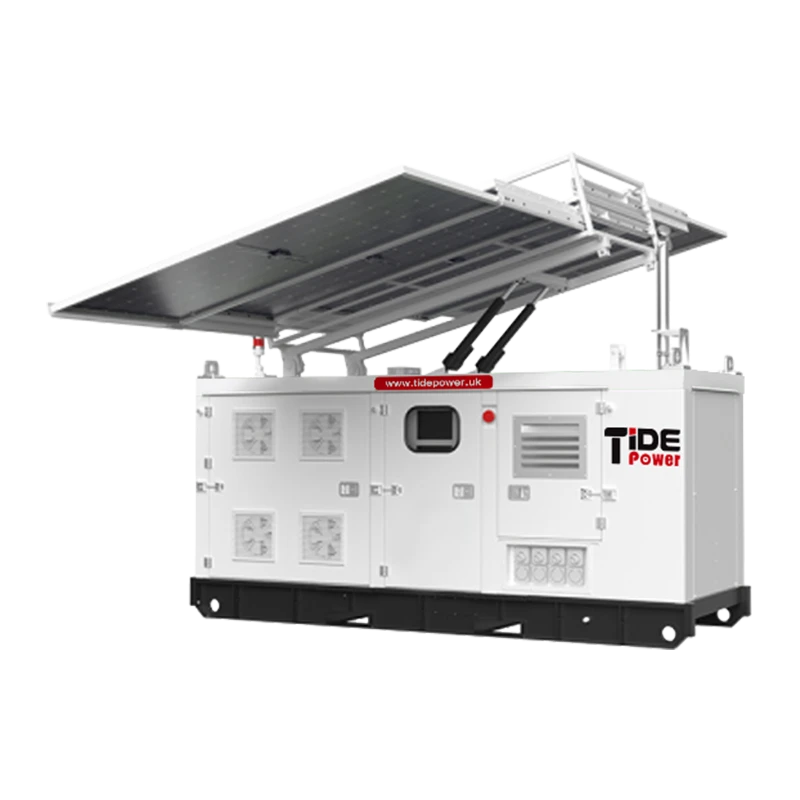
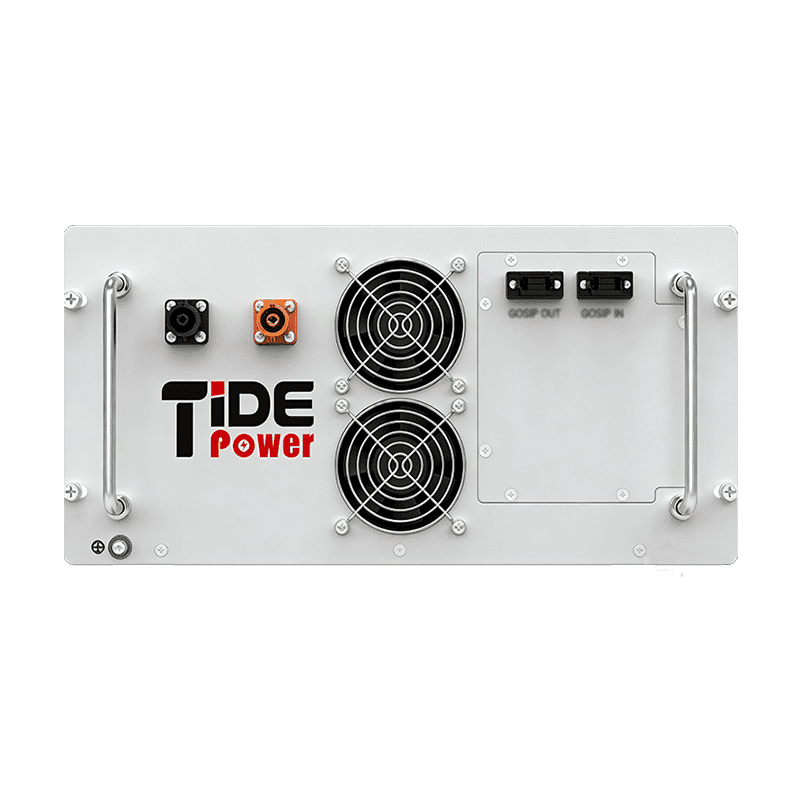
A 250kW hybrid battery storage system is not a single battery cabinet. It combines a hybrid power unit, a battery bank, an energy management layer, and a generator interaction path. At the 250kW scale, the hybrid power unit is the strongest specification lever because it defines how much load the system can carry and how it shares power among inputs. Tide Power’s hybrid power range runs from 10 kVA to 250 kVA, with the TP-250P positioned for the upper end of that scope. The battery group scales independently through 5.12 kWh LFP battery packs and 16.1 kWh LFP battery modules, depending on how long the site must stay online.
| Subsystem | Role in the 250kW system | Specification to confirm |
|---|---|---|
| Hybrid power unit | Central converter and dispatcher between solar, battery, and diesel inputs | TP-250P upper-range hybrid unit, 50/60 Hz operation |
| Battery modules | Energy reserve for load carry and generator displacement | LFP chemistry, 5.12 kWh pack or 16.1 kWh module |
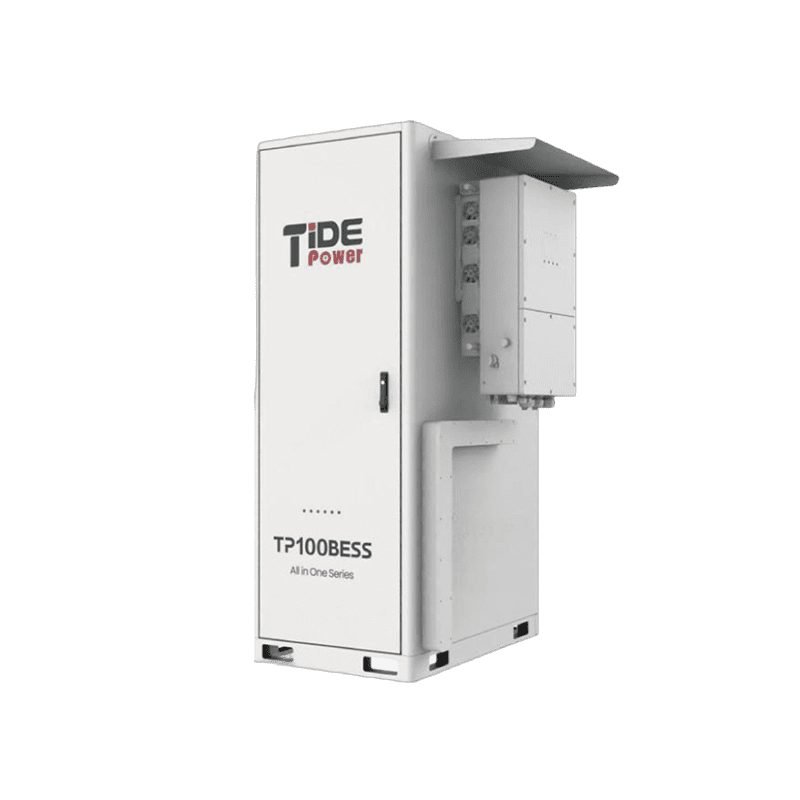
| Packaged BESS | Cabinet based DC storage for faster deployment | TP-50BESS through TP-261BESS depending on autonomy |
| Energy management | Directs mode selection and source priority | Millisecond-level transfer between solar, battery, and diesel |
| Generator interface | Charging and emergency backup coordination | Diesel generator input matched to site redundancy design |
How Does a 250kW Hybrid Battery Storage System Switch Between Power Sources?
The switching logic determines whether the system is an operating asset or only a standby reserve. A 250kW hybrid battery storage system should transfer from grid or solar input to stored energy in milliseconds when the main source fails. That transfer speed matters most for controls, server rooms, pumping systems, and process lines that cannot tolerate a restart. In the Tide Power hybrid architecture, the energy management layer holds source priority and can operate unattended once the switching thresholds are configured.
The practical difference appears during commissioning. A site with a slow transfer may have the right battery capacity and still drop load. We ask project teams to test the switching sequence under a simulated outage, not just at full load, because a generator start command adds a second decision point after the first transfer. If the load can ride through until the generator reaches speed, the battery bank only needs to cover that gap. If the load cannot, the project may require a larger discharge rating or a different generator start arrangement.
If your installation includes variable solar output or black-start coordination from a diesel generator, confirm the transfer sequence and reconnection delay before you freeze the bill of materials. Send your sequence of operations to [email protected] and we will check it against the 250kW configuration.
Which Battery Configuration Fits a 250kW Hybrid Storage Project?
A 250kW rating does not define runtime. Battery configuration follows the autonomy requirement, the acceptable depth of discharge, and the physical form the site can accommodate. A short ride-through application may need only enough LFP capacity to hold load during generator start, while a solar shifting application may need several hours. We size the battery string backward from the load profile: first the longest credible interruption, then the largest step load, then the cycling frequency.
Packaged BESS cabinets such as TP-100BESS and TP-200BESS shorten site installation and are easier to deploy when the battery room is near the switchgear. Split systems using 5.12 kWh LFP packs or 16.1 kWh LFP modules give more layout freedom when the battery bank must be distributed across a plant. The specification should include both energy capacity and the discharge C-rate needed to serve the 250kW load. Leaving either value open creates two different procurement mistakes: batteries that cannot deliver the power step, or batteries that can deliver the step but not for long enough.
Which Sourcing Partner Fits a 250kW Hybrid Storage Specification?
A 250kW hybrid battery storage procurement carries three main risks: mismatched inverter and battery voltage, an unclear generator interface, and limited response when the first site test fails. Tide Power supplies the solar, storage, and diesel generation scope as one integrated system rather than separate packages, which means the transfer behavior, battery selection, and generator controls are specified against each other from the start.
For project teams finalizing a 250kW hybrid battery storage procurement, the next input we use is your one-line diagram or load profile. Send it to [email protected] or call +86 591 2806 8999, and we will confirm the hybrid unit, battery module quantity, and transfer settings before you commit to the bill of materials.
What Common Questions Do Buyers Ask About 250kW Hybrid Battery Storage?
Is a 250kW hybrid storage system the same as a 250kW battery?
No. The 250kW rating is the power output, while battery capacity measures how long that output can be sustained. A 250kW hybrid system can pair a small battery for voltage stabilization and short ride-through, or a larger battery bank for hours of autonomy. Procurement teams should manage both numbers separately: 250kW defines the inverter and load handling, and the battery stack defines duration. Mixing the two leads to undersized storage or unnecessary cost. We recommend locking the load profile first, then deriving both the hybrid unit rating and the battery module quantity.
Can a 250kW hybrid system run without a diesel generator?
It depends on how much solar resource the site receives and how long backup is required. For sites with predictable daytime loads and only brief periods without generation, a storage only or solar plus storage configuration can hold the load. For sites with extended low-irradiation periods or continuous process loads, a diesel generator input is the more practical reserve. We ask buyers to identify the longest expected outage and the largest single load step before removing the diesel interface from the scope.
How much space does a 250kW hybrid battery storage system need?
Space requirements are determined less by the 250kW rating than by the product form: a packaged BESS cabinet, a split battery configuration, or a containerized layout. Packaged units such as the TP-100BESS and TP-200BESS reduce site preparation and are easier to position near an existing switchroom. Split configurations offer more flexibility when the battery bank must be distributed. Before quoting dimensions, we ask whether the installation is indoors, outdoors, or inside an existing power compound.
What battery chemistry should be prioritized?
Buyers sometimes treat all lithium storage as interchangeable, but industrial hybrid duty cycles favor LFP chemistry. LFP modules tolerate frequent partial cycling better than many alternatives and do not carry the same thermal runaway profile. The Tide Power hybrid range uses 5.12 kWh LFP battery packs and 16.1 kWh LFP modules for exactly that reason. Chemistry choice affects cycle life, cooling, and الضمان cURL Too many subrequests by single Worker invocation. To configure this limit, refer to https://developers.cloudflare.com/workers/wrangler/configuration/#limits.
cURL Too many subrequests by single Worker invocation. To configure this limit, refer to https://developers.cloudflare.com/workers/wrangler/configuration/#limits
cURL Too many subrequests by single Worker invocation. To configure this limit, refer to https://developers.cloudflare.com/workers/wrangler/configuration/#limits.
إذا كنت مهتمًا، اطلع على هذه المقالات ذات الصلة:
الدعوة إلى تعزيز شبكات الكهرباء بشكل أقوى لتلبية الطلبات المتزايدة على الذكاء الاصطناعي
القوة الصامتة، المستقبل الذكي: تيد باور تطلق مولد سلسلة باندا
فتح باب الاستقلالية في الطاقة والتوفير: حلول بطاريات تخزين الطاقة القابلة للتوسع من تايد باور لتطبيقات المؤسسات والشركات
كيف تحل المولدات الصناعية وأنظمة الطاقة الهجينة تحديات الطاقة الصيفية