
 AR
AR EN
EN ZH
ZH FR
FR ES
ESSelecting a gas generator set for pharmaceutical industry power networks is less about fuel choice and more about qualifying every load, validation document, and supply condition before startup. Most buyers begin with engine efficiency, but plant engineers we work with prioritize load step response, gas supply stability, and maintenance access under GMP operating constraints. A gas generator set sized around average demand can fail the moment a cleanroom air handler restarts or a fermenter controller demands stable frequency. This article sets out the specification sequence we use for pharmaceutical projects, from load classification to fuel supply confirmation and final compliance documentation.
How Does a Gas Generator Set Serve Pharmaceutical Industry Operations?
For most industrial sites, a generator set is a power source. For a pharmaceutical plant, it is also a contamination control boundary. Cleanrooms, filling suites, laboratories, and cold storage depend on voltage and frequency staying within tight limits while air handling and refrigeration systems cycle. A gas generator set running on natural gas or biogas covers both base load and measurable standby demand, and its exhaust profile tends to fit site permits more easily than a diesel unit in urban or regulated districts.
Gas engines also pair well with combined heat and power layouts. Exhaust heat can be recovered for hot water, steam preheating, or absorption chilling, which is relevant when a facility already runs boilers and chillers around the clock. The value is not in the generator alone; it is in how the engine block becomes part of the site thermal balance.
Which Systems in a Pharmaceutical Plant Depend on Generator Power?
The usual list starts with cleanroom HVAC and then extends to process utilities. Air handling units with HEPA filtration, chilled water pumps, purified water circulation, clean steam generation, compressed air, vacuum, and cold storage all need continuity after a utility interruption. Laboratory instruments and environmental monitoring systems are smaller loads, but their sensitivity makes them the first to reveal frequency instability.
Any gas generator set selected for pharmaceutical service must accept large motor starts without dropping frequency below the point where VFDs and sensitive analytical equipment trip. We have seen projects where the generator was sized for total kilowatts but not for the simultaneous restart of two air handling units and a chiller. The initial voltage dip was within catalog tolerance, but the control loop recovery took longer than the building management system was set to accept. The fix was not a larger engine; it was a revised starting sequence plus a governor and gas train configured for faster load acceptance.
When gas backup is paired with diesel life safety capacity, the diesel unit carries only code required emergency loads while the gas generator set serves process continuity. A silent diesel package keeps the emergency bus in the same plant room without creating a separate noise control project.
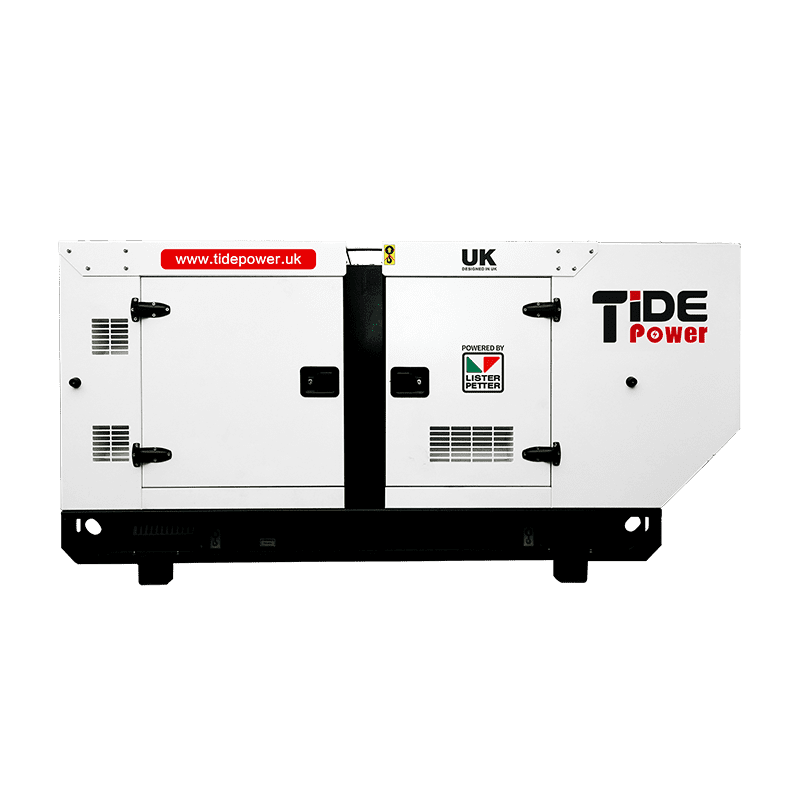
What Is the Right Gas Generator Set Size for a Pharmaceutical Facility?
Sizing starts with the load list, not the site transformer rating. We ask plant engineers to separate continuous base load, intermittent process load, and the largest motor starting kVA. For a gas generator set, the governing case is often not running kW but the step change when a chiller or air compressor starts against a partially loaded engine. Gas engines accept load steps, but the recovery time depends on turbo matching, governor response, and gas supply pressure.
| Generator series | مصدر المحرك | Output range | Typical pharmaceutical application |
|---|---|---|---|
| مجموعة مولدات غاز ليستر بيتر | Lister Petter Jupiter | 28 kVA to 563 kVA | Pilot plants, laboratories, utility blocks, gas backed process loads |
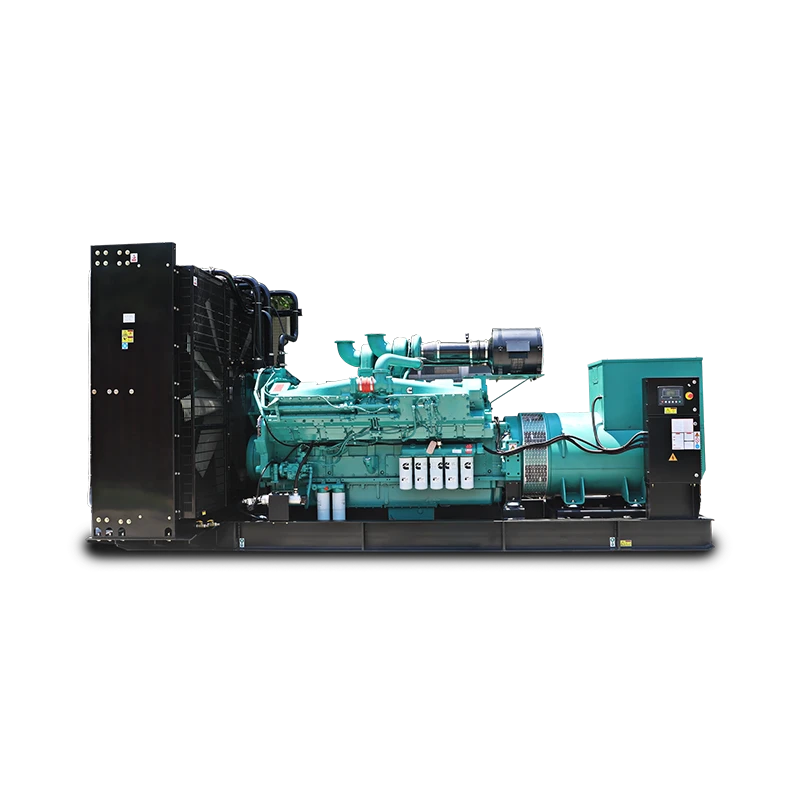
| مجموعة مولدات غاز إم دبليو إم | MWM | 600 كيلوفولت أمبير إلى 4500 كيلوفولت أمبير | Central energy plants, campus power, continuous manufacturing, parallel operation |
A local gas line that can feed a boiler may still be too weak for a generator step load. Pressure and flow data should be confirmed at the point of connection before derating the engine. At altitude or high ambient temperature, output falls, so the quoted kVA may not be what the site can use. For pharmaceutical campuses above 1000 m, we request the derating schedule and compare it with the actual mechanical load list before naming a model.
If your site has multiple large air handlers or compressors that can start at the same time, confirm load step acceptance before freezing the equipment list. Send your single line diagram and the two largest motor nameplates to [email protected] and we will check the transient response against the gas generator set rating.
Why Choose Gas Fuel for Pharmaceutical Power Generation?
Gas fuel changes the operating cost profile more than the capital cost profile. Natural gas or biogas engines usually run longer between oil services than diesel units in the same duty, and the exhaust does not impose the same visible emission burden on a campus in an urban air district. For a plant that already buys gas for boilers, the supply relationship and metering are already in place, which removes one procurement variable.
The overlooked constraint is gas pressure and composition. A municipal line that feeds boilers steadily may not hold pressure during generator load steps, and biogas methane number can shift with feedstock changes. We now require gas analysis and pressure data before selecting an engine or a fuel train. This simple step has prevented late project changes on several pharmaceutical jobs, including a site where the utility connection was too small for the first proposed engine and had to be corrected before equipment release.
For loads that cannot tolerate even a short interruption, a gas generator set can pair with a battery storage system that bridges the utility interruption until the gas engine reaches stable output. This arrangement, applied on larger pharmaceutical campuses, avoids oversizing the gas set solely for the first seconds of a power loss.
What Should a Pharmaceutical Project Specify Before Ordering?
Specification for a pharmaceutical plant should define not just kVA but the conditions under which the unit must perform. We recommend factory test witness points for steady state load, load step, and harmonic behavior with the plant’s variable speed drives. The control interface should map to the building management system or supervisory control and data acquisition platform in the same format the site uses for other utilities.
The gas train and engine controls should be documented for the site’s permit conditions, including gas pressure range, methane number tolerance for biogas, and ventilation rates for the generator room. A generator set supplied with type test certificates and site acceptance documents gives the validation team a starting point for IQ/OQ rather than a blank file.
For larger central plants, Tide Power’s MWM gas generator set covers 600 kVA to 4500 kVA and suits continuous and peak load sites with parallel operation. For smaller pilot or utility blocks, the Lister Petter gas generator set covers 28 kVA to 563 kVA. Both options include monitoring and can be configured for grid parallel and off grid operation.
If your next pharmaceutical project is evaluating gas generation, the practical step before finalizing the BOM is to confirm three numbers: actual load step, gas supply pressure at the generator connection, and the emissions limits in your site permit. Share those with our team at [email protected] or call +86 591 2806 8999, and we will compare the generator configuration against your single line diagram and site conditions. We would rather adjust the specification now than after the unit is installed.
What Do Pharmaceutical Engineers Ask About Gas Generator Sets?
Can a gas generator set replace diesel emergency power in a pharmaceutical plant?
Many teams assume gas cannot meet emergency start times, but that is not the real barrier. Most utility codes treat emergency classification separately from process continuity. A gas generator set can serve process and business continuity loads, while code required emergency circuits often use diesel or battery systems depending on local permitting. For pharmaceutical manufacturing, the practical question is whether the gas unit can be ready before process alarms cascade. With a strong fuel supply and a designated start sequence, it can.
Does biogas create maintenance problems in pharmaceutical service?
It depends on the gas composition and the maintenance discipline. Biogas with high hydrogen sulfide or moisture content attacks engine internals faster than pipeline natural gas, so gas treatment matters as much as engine selection. Sites with consistent feedstock and regular oil analysis have run long intervals without excessive wear. Sites that skip conditioning see oxygen sensor and valve problems within months. For pharmaceutical service, we would only recommend biogas when a dedicated treatment train and a strict maintenance contract are part of the project.
What matters more for pharmaceutical validation, engine brand or control documentation?
Control documentation usually matters more than brand recognition once the engine is from a major industrial manufacturer. A pharmaceutical validation team needs complete factory acceptance test records, alarm setpoints, service schedules, and a control interface that can be mapped to the site historian. An engine with known parts availability but incomplete documentation can stall IQ/OQ. A less familiar engine with clean documentation will finish validation faster. For this reason, we specify control architecture and test reports at the same time as the engine.
How long does a gas generator set take to commission in a pharmaceutical facility?
In the pharmaceutical projects we have worked on, commissioning time extends when the site does not confirm gas pressure, ventilation, and control network points before delivery. The generator set itself is rarely the delay. Once the unit is installed, load bank testing, fuel train checks, and BMS integration typically take weeks if the interface points are defined. The faster path is to hold an early commissioning review with the electrical, mechanical, and validation leads before the unit ships. Share your commissioning schedule with [email protected] and we will confirm which gas generator set milestones fit it.
إذا كنت مهتمًا، اطلع على هذه المقالات ذات الصلة:
بطارية Tide Power BESS: مستقبل تخزين الطاقة الذكي
“تم عقد مؤتمر مبيعات تايد باور العالمي لعام 2022 بنجاح بعنوان ”تشجيع المبيعات في قيادة الاتجاه المتغير"
مولدات مضخة الديزل: حلول موثوقة لإزالة المياه من البيئات القاسية
انضم إلى تايد باور في باوما تشاينا 2024
