 AR
AR EN
EN ZH
ZH FR
FR ES
ESالتعدين تطلب عمليات الطاقة التي تتجاوز بكثير تصنيف الكيلوواط البسيط. يمكن لمولد يعمل بشكل مثالي عند مستوى سطح البحر أن يتوقف، أو يسخن بشكل مفرط، أو يفشل تمامًا في موقع منجم على ارتفاع 4000 متر في الأنديز. لقد رأيت عمليات تفقد مئات الآلاف من الدولارات في نوبة واحدة لأن شخصًا ما اختار وحدة بناءً على ورقة بيانات مكتوبة لبيئة نظيفة ومعتدلة في المصنع. اختيار المولد الديزل المناسب للتعدين يعني البدء بمتطلبات الطاقة، ثم إضافة العوامل البيئية، ولوجستيات الوقود، والطويلة الأمد الدعم حتى يتناسب الحل مع الموقع بدقة كما تتناسب المعدات التي يشغلها.
حجم الطاقة: مطابقة سعة المولد لملفات تحميل المنجم
طلب طاقة المنجم نادرًا ما يكون ثابتًا. دوائر التكسير، مراوح التهوية، الرافعات، ومضخات إزالة المياه كلها تعمل وتوقف، مما يخلق ملف تحميل يمكن أن يتأرجح من 30% إلى 90% من الحمل الأقصى خلال دقائق. المولد الذي يتم حجمه للتحميل المتوسط سيتوقف أو يتعطل عندما يبدأ محرك كبير. يبدأ الحجم بجرد تفصيلي للتحميل: التيار عند بدء تشغيل كل محرك بالكيلو فولت أمبير (تيار القفص المغلق)، والكيلوواط أثناء التشغيل، ومعامل القدرة. في مشروع نحاس تحت الأرض في غرب أفريقيا، وجد فريقنا أن محرك الكسارة وحده يحتاج إلى تيار بدء يقترب من ثلاثة أضعاف التيار أثناء التشغيل. كان يجب أن يتم حجم مجموعة المولد لهذا التدفق المفاجئ، وليس الحالة الثابتة.
بالنسبة لمعظم مواقع التعدين المتوسطة إلى الكبيرة، تنطبق تصنيفات الطاقة الأساسية لأن المولد يعمل بشكل مستمر لفترات طويلة — وليس طاقة الاحتياط، التي تقتصر على بضع مئات من الساعات سنويًا ولا تحتوي على قدرة التحميل الزائد. هدف شائع هو تحميل المولد بنسبة 70–80٪ من تصنيفه الأساسي للتعامل مع ارتفاعات بدء تشغيل المحركات مع تجنب تراكم الرطوبة من الأحمال الخفيفة. أوصي دائمًا ببناء سعة إضافية لا تقل عن 20٪ فوق الذروة المحسوبة لاستيعاب التوسع المستقبلي وبدء تشغيل المحركات المفاجئ.
| نوع حمل التعدين | حجم المحرك النموذجي (كيلوواط) | عامل تيار بدء التشغيل بالكيلو فولت أمبير | تأثير المولد |
|---|---|---|---|
| مروحة التهوية | 55–200 | 2.0–3.0 | يتطلب تيار بدء عالي؛ قد يقلل المُشغل الناعم من التأثير |
| الكسارة | 90–315 | 2.5–3.5 | أكبر حمولة صادمة؛ يجب أن يكون المولد أكبر من الحجم الطبيعي |
| مضخة إزالة المياه | 37–132 | من 8 إلى 2.5 | حمل مستمر مع زيادة بداية معتدلة |
| ناقل حركة | من 18 إلى 90 | 1.5–2.0 | تبدأ الناقلات المتعددة بشكل متسلسل؛ التشغيل المتسلسل يقلل من الذروة |
تخفيض الأداء البيئي: تأثيرات الارتفاع ودرجة الحرارة والغبار
الارتفاع يخفض قوة المحرك مباشرة. عند ارتفاع 3000 متر فوق مستوى سطح البحر، يفقد محرك ديزل طبيعي السحب حوالي 3.5% من قوته المصنفة لكل 300 متر — تقريبًا 30% إجمالاً. المحركات المزودة بشاحن توربيني تعوض جزئيًا، لكن حتى الوحدة المزودة بشاحن توربيني عادةً تحتاج إلى عامل تخفيض حوالي 10–15% عند ذلك الارتفاع. لقد قمت بمراجعة مشروع منجم في مصر حيث حدد المستشار مولد بقوة 500 ك.ف.أ استنادًا إلى بيانات مستوى سطح البحر. عند 4200 متر، كان الناتج الحقيقي أقرب إلى 340 ك.ف.أ، وكان مدير الموقع مصدومًا عندما لم يتمكن من تشغيل المضخات والتهوية في آنٍ واحد.
درجة الحرارة المحيطة هي العامل الرئيسي الآخر في تقليل الأداء. لكل 5 درجات مئوية فوق 25 درجة مئوية، ينخفض الناتج بمقدار 1-2%. في مناطق التعدين الصحراوية حيث تصل درجة الحرارة المحيطة إلى 50 درجة مئوية، يضاف خسارة أداء أخرى تتراوح بين 5-10%. الأتربة تسد فلاتر الهواء بسرعة، مما يزيد من مقاومة السحب ويقلل من كفاءة الاحتراق. يحتاج مولد الطاقة في المنجم إلى منظف هواء ثقيل ذو مرحلتين مع صمام طرد الأتربة وعناصر فلترة عالية السعة يمكن صيانتها بدون إيقاف تشغيل الوحدة إذا أمكن.
اختيار العلبة لبيئات التعدين القاسية
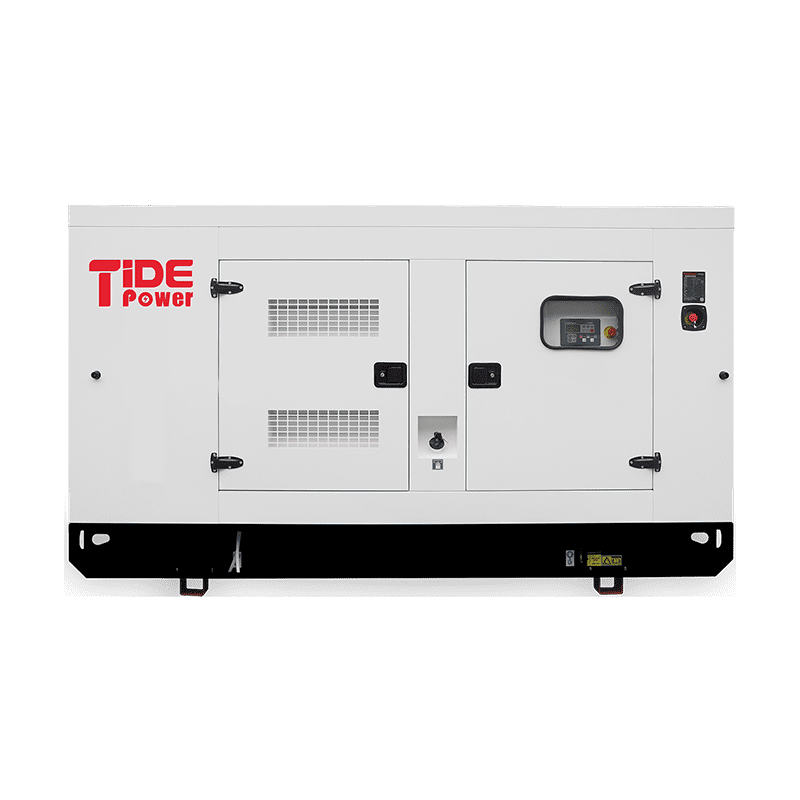
قد يستمر مولد ذو إطار مفتوح في موقع تعدين لمدة ستة أشهر. الغبار والاهتزاز والصدمات العرضية من المعدات المتنقلة تتلف الأسلاك المكشوفة والمشعات ولوحات التحكم. تتطلب مولدات التعدين غطاءً قويًا عازلًا للصوت أو مقاومًا للعوامل الجوية، ويفضل أن يكون بقاعدة محكمة الإغلاق لاحتواء تسرب الوقود والمبردات. في مجموعة منتجاتنا، فإن فينوفا و سلسلة إكونيك استخدم أغطية من الصلب بسماكة 2 مم مع طبقات مقاومة للتآكل وأبواب وصول كبيرة تسمح بالصيانة دون إزالة الحاوية. تصميم التهوية العمودية في Econiسلسلة c فعال بشكل خاص للمواقع ذات التصريف المحدود — لقد رأيت إعدادات مماثلة على منصات مناجم الفحم حيث يتكرر تدفق الهواء الأفقي لإعادة تدوير الهواء الساخن.
دليل تصنيفات حماية الدخول يوجه الاختيار الأساسي. حاوية IP44 تمنع دخول معظم الغبار المثار بواسطة الرياح والأمطار؛ حاوية IP54 أو IP55 تقاوم تسرب الغبار الكثيف وخرطوم المياه ذات الضغط المنخفض من جميع الاتجاهات، وهو أمر مهم عندما يتم غسل المعدات يوميًا في المناجم. يجب أن يتحمل السقف أيضًا الاهتزازات القوية. لقد وجدنا أن تركيب مجموعة المولد على منصة مع وسائد مقاومة للاهتزاز يقلل من تشققات الإطار ويطيل عمر كل من المولد ولوحة التحكم.
لوجستيات وتخزين الوقود في مواقع التعدين النائية
في منجم مفتوح بعيد، يكون وقود الديزل غالبًا أكبر تكلفة تشغيلية مستمرة بعد العمالة. يمكن لمولد بقوة 1500 كيلوفولت أمبير يعمل على حمل 75% أن يستهلك 250-300 لتر من الديزل في الساعة. على مدى شهر من التشغيل المستمر، ذلك يتجاوز 200,000 لتر — مما يتطلب مزرعة لتخزين الوقود، وتوريد موثوق، وتصفيه دقيقة. لقد عملت على خطط لوجستية في الموقع حيث كانت مدة دوران صهريج الوقود 10 أيام بسبب ظروف الطرق والأمن، مما يجعل سعة الموقع الأدنى لمدة سبعة أيام ضرورية. خزانات التخزين السائبة تحتاج إلى حاويات ثانوية، ومنافذ تصريف المياه، واختبارات منتظمة لنمو الكائنات الدقيقة التي يمكن أن تسد الحاقنات.
منحنيات استهلاك الوقود ليست خطية. قد يكون المولد الذي يعمل بتحميل 25% أكثر كفاءة في استهلاك الوقود بمقدار 10% فقط من واحد يعمل بتحميل 75%، لكن تكلفة الكيلوواط ساعة تقريبًا تتضاعف لأن المحرك يعمل بعيدًا عن نقطة الأداء المثلى. لهذا السبب، غالبًا ما يكون الجمع بين وحدات أصغر يمكن تفعيلها بشكل متسلسل أفضل من وحدة واحدة كبيرة للمناجم ذات الأحمال المتغيرة بشكل كبير — يتحسن اقتصاد الوقود، وتزيد من التكرار الاحتياطي. دائمًا ما أوصي بتقييم نهج الطاقة المعيارية عندما يظهر ملف الحمل أكثر من 30% من التغير عبر دورة مدتها 24 ساعة.
If your mine’s load profile fluctuates widely or you plan to expand operations within two years, the generator specification needs to account for modular expansion now rather than retrofitting later. You can reach our engineering team at [email protected] to discuss load analysis and multi-unit configurations for your specific site.
قابلية الخدمة، قطع الغيار، ودعم الموردين على المدى الطويل
أكبر نقطة ضعف لمولد التعدين ليست المحرك — بل سلسلة التوريد. يمكن أن يتوقف لوحة التحكم المعطلة عن العمل في عملية بقيمة $5 مليون لمدة ثلاثة أسابيع إذا كان يجب شحن القطعة جوا من مخزن بعيد. أُخبر دائمًا مديري المناجم أن يقيموا مورد المولد بناءً على ثلاثة أسئلة أهم من سعر الشراء: كم بسرعة يمكن وضع فني في الموقع؟ كم عدد قطع الغيار الحيوية المخزنة ضمن دائرة نصف قطرها 48 ساعة؟ وهل يقدم المورد مراقبة عن بعد بحيث يتم تشغيل الإنذارات قبل حدوث العطل؟
وحدات تحكم المولدات مع تقنية الاتصالات يمكنها إرسال بيانات في الوقت الحقيقي عن درجة حرارة المحرك، ضغط الزيت، مستوى الوقود، والحمل إلى غرفة تحكم مركزية. تقلل هذه القدرة من الحاجة إلى وجود موظفين في الموقع بمحطات فرعية نائية وتسمح بالصيانة المخططة بدلاً من الإصلاحات الطارئة. يتضمن نموذج خدمتنا للمشاريع التعدينية عادةً زيارة تشغيلية، قائمة قطع الغيار الموصى بها بناءً على تركيب المحرك والمولد المحدد، واتفاقية خدمة سنوية تغطي أخذ عينات الزيت، وتغيير الفلاتر، واختبار الحقن. بالنسبة للمناجم في غرب أفريقيا وأمريكا الجنوبية، وجدنا أن تخزين مجموعة من القطع الشائعة الاستهلاك — أحزمة المراوح، فلاتر الوقود، فلاتر الزيت، فلاتر الهواء، وواحد من وحدات التحكم الاحتياطية — يقلل من متوسط زمن الإصلاح بأكثر من 60%.
أسئلة الشراء الشائعة لمشتري مولدات التعدين
هل أحتاج إلى مولد بتصنيف رئيسي أو احتياطي للتعدين؟
المولدات ذات التصنيف الرئيسي مصممة للعمل لساعات غير محدودة بشكل مستمر بحمل متغير — وهو ما يتطلبه التعدين بالضبط. المولدات ذات التصنيف الاحتياطي مخصصة فقط للطوارئ، وعادةً محدودًة بين 200 إلى 500 ساعة سنويًا بدون قدرة على التحميل الزائد. استخدام وحدة احتياطية كمصدر رئيسي للطاقة سيبطل ال الضمان ومن المحتمل أن يتسبب في فشل مبكر للمحرك.
ما هو استهلاك الوقود النموذجي لمولد تعدين بقوة 1000 كيلوفولت أمبير؟
عند حمل 75%، يستهلك وحدة بقوة 1000 كيلوفولت أمبير حوالي 180-220 لتر في الساعة، اعتمادًا على نوع المحرك، درجة الحرارة المحيطة، واستقرار الحمل. يمكن أن يرتفع هذا الرقم بنسبة 10-15% عند الارتفاعات فوق 2000 متر لأن المحرك يعمل بجهد أكبر لإنتاج نفس الناتج. أوصي دائمًا بالحصول على منحنى استهلاك الوقود المحدد من قبل الشركة المصنعة لظروف موقعك، وليس رقمًا من كتيب عام.
هل يجب أن أختار مولد ذو إطار مفتوح أم مغلق للموقع؟
ما لم يكن المولد داخل محطة طاقة مخصصة بتهوية خاصة وتحكم في الغبار، اختر غطاء مغلق. الفرق في التكلفة صغير مقارنة بتكاليف إصلاح المولد المتضرر بالغبار أو توقف العمل بسبب تسرب مبرد بسبب حجر طائر. ابحث عن قواعد أساسية مغلقة بالكامل وأبواب فحص كبيرة بحيث يمكن إجراء الفحوصات اليومية دون إزالة الألواح.
كيف يؤثر الارتفاع على أداء المولد بخلاف تقليل القدرة؟
إلى جانب فقدان القدرة الخام، يقلل الارتفاع العالي من كفاءة التبريد لأن كثافة الهواء أقل. هذا يجعل مروحة المبرد أقل فعالية، ويمكن أن يتجاوز سرعة التوربو إذا كان لديه صمام صرف بسيط بدون تعويض عن الارتفاع. أنظمة إدارة المحرك الإلكترونية يمكنها تعديل توصيل الوقود وضغط التعزيز تلقائيًا، لكن محركات الحقن الميكانيكية القديمة تحتاج إلى تعديلات يدوية على تقليل القدرة. لقد رأيت فشل التوربو على المناجم حيث لم يكن المشغل يعلم أن المحرك مزود بصمام صرف ثابت معد للبحر.
هل يمكن للموقع العمل على مولد كبير واحد بدلاً من وحدات متعددة؟
نعم، إذا كان الحمل مستقرًا وأصبح الوحدة الوحيدة أكثر كفاءة في استهلاك الوقود عند تلك النقطة من الحمل. لكنك تفقد التكرار. معظم المناجم التي تتطلب أكثر من 300 كيلوفولت أمبير تستخدم على الأقل وحدتين بحيث يمكن إيقاف واحدة للصيانة دون توقف الإنتاج. إذا شاركت بيانات حمل الموقع وخطط التوسع مع فريقنا على [email protected] أو اتصل على +86 591 2806 8999، يمكننا نمذجة سيناريوهات الوحدة الواحدة والمتعددة بما يشمل كفاءة الوقود وتكاليف اللوجستيات لمساعدتك على اتخاذ القرار.
إذا كنت مهتمًا، اطلع على هذه المقالات ذات الصلة:
كيفية اختيار المضخة المناسبة لاحتياجاتك الصناعية
تحية لإتمام المرحلة الأولى من مشروع الغاز في أفريقيا