 AR
AR EN
EN ZH
ZH FR
FR ES
ESتتوقف معظم مناقشات دمج بطاريات الطاقة الشمسية عند الإعدادات السكنية—ربط عدد قليل من الألواح ببطارية مثبتة على الحائط. بالنسبة لمشاريع الطاقة الصناعية والعمليات البعيدة عن الشبكة، التحدي مختلف. أنت تعتمد بالفعل على مولدات الديزل للحصول على طاقة مستمرة أو احتياطية، وإضافة الطاقة الشمسية وتخزين البطاريات يعني إعادة التفكير في توزيع الأحمال، ومنطق التحويل، وموثوقية النظام على المدى الطويل. في شركة تايد باور تكنولوجي، رأينا كيف يمكن لنظام هجين مدمج بشكل صحيح أن يقلل من وقت تشغيل المولد بنسبة 40% أو أكثر مع الحفاظ على الاستجابة الفورية التي يتطلبها الحمل الحرج. تتناول هذه المقالة الاعتبارات الرئيسية في التصميم، من تحديد حجم مصفوفة الطاقة الشمسية إلى تحقيق انتقال سلس بين البطارية والمولد—والأخطاء التي تتسبب في فشل عملية الدمج.
الحجة وراء تخزين البطاريات الشمسية مع المولدات الصناعية
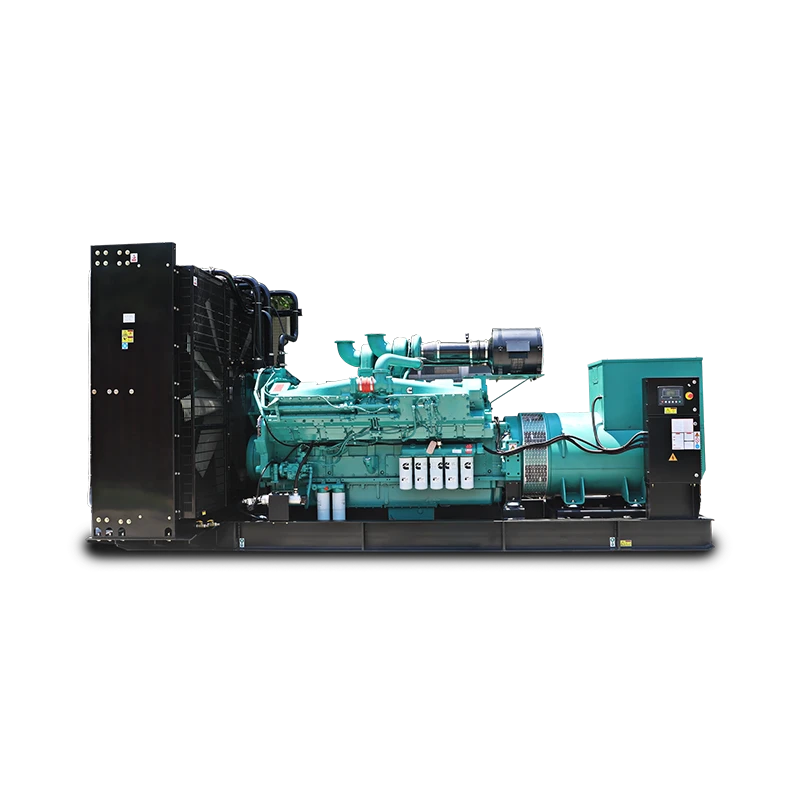
تظل المولدات الديزل العمود الفقري للطاقة غير الشبكية والطوارئ للمناجم، أبراج الاتصالات،, إنشائي المواقع ومحطات المعالجة عن بُعد. لكن لوجستيات الوقود، فترات الصيانة، وانبعاثات الكربون تدفع مخططي المشاريع إلى البحث عن حلول أكثر ذكاءً. إضافة مجموعة خلايا شمسية ونظام تخزين طاقة البطارية (BESS) يحول المولد المستقل إلى محطة هجينة مدارة تعمل لساعات أقل من المحرك، وتستهلك وقودًا أقل، وتوفر طاقة فورية عند ارتفاع الحمل.
ثلاثة أرقام تقود التغيير. استهلاك وقود المولد عند الحمل الخفيف عادة ما يكون حوالي 0.3–0.4 لتر لكل كيلوواط ساعة، في حين أن بطارية فوسفات الحديد الليثيوم ذات الحجم المناسب تخزن الطاقة الشمسية بتكلفة مستوى أقل من $0.15 لكل كيلوواط ساعة. الإشعاع الشمسي في معظم مواقع المشروع يوفر إنتاجية قوية في منتصف النهار، تمامًا عندما يمكن للبطارية امتصاصها. ثم يغطي المولد الحمل الليلي والطلبات القصوى التي لا تستطيع البطارية تلبيتها. على مدار سنة كاملة، يمكن أن ينخفض إجمالي وقت التشغيل بنسبة 35–45%، مما يقلل بشكل مباشر من تكرار توصيل الوقود في المناطق النائية.
عرض القيمة يتجاوز الوقود. نظام هجين مع تخزين البطارية يسمح للمولد بالعمل عند أكثر نطاق تحميل كفاءة عندما يبدأ، مما يقلل من تراكم الرطوبة والكربون. كما يوفر تشغيلًا صامتًا ليليًا للمجتمعات أو المخيمات، مما يحسن السلامة وجودة الحياة. للمشاريع في المناطق التي تخضع لتنظيم الانبعاثات، تقليل مئات ساعات تشغيل المحرك سنويًا يجعل الامتثال أسهل.
عوامل التصميم الحاسمة لأنظمة تخزين البطاريات الشمسية الهجينة
تحديد حجم مولد الطاقة الشمسية والبطارية الهجينة ليس مجرد جمع تصنيفات لوحة الاسم. ثلاثة قرارات مترابطة تحدد ما إذا كان النظام يحقق أهداف الأداء أو يصبح مصدرًا للإنذارات المستمرة.
أولاً، يجب أن تتوافق سعة البطارية مع نافذة إنتاج الطاقة الشمسية وملف الحمل اليومي للموقع. الموقع الذي لديه حمل ثابت على مدار 24 ساعة يحتاج إلى تخزين كافٍ لتحمل الطلب الليلي بالإضافة إلى هامش احتياطي للأيام الغائمة. المواقع التي تحتوي على أحمال صناعية كثيفة خلال النهار يمكنها الاعتماد على بطارية أصغر لأن مجموعة الألواح الشمسية تغذي الحمل مباشرة. في الممارسة العملية، فإن سعة بطارية تتراوح بين 1.5 إلى 2 مرة من العائد اليومي للطاقة الشمسية كطاقة قابلة للاستخدام توفر نقطة انطلاق موثوقة لمعظم التركيبات خارج الشبكة.
ثانيًا، يشكل شكل طوبولوجيا العاكس كيفية تفاعل النظام مع المولد. يمكن للعاكسات التي تُكوِّن الشبكة أن تخلق شبكة صغيرة حيث تعمل البطارية كمصدر رئيسي للجهد والتردد، مع تزامن المولد فقط عند الطلب. يتيح هذا التكوين التشغيل المتجدد 100% خلال فترات الشمس الساطعة والمولد التلقائي الدعم عندما ينخفض حالة شحن البطارية عن الحد المحدد. بالنسبة لمعظم المشاريع القديمة التي تبدأ بمولد ديزل موجود، فإن إضافة عاكس بطارية مكون من شبكة هو أسرع طريق لتحقيق نظام هجين موثوق.
ثالثًا، كيمياء البطارية تهم أكثر من التكلفة المبدئية. خلايا LFP بعمر 6000 دورة عند عمق تفريغ 80% توفر نافذة خدمة متوقعة من 10 إلى 12 سنة في مهمة الدورات اليومية. الجدول أدناه يقارن بين الكيمائيتين الأكثر تقييمًا لتكامل الطاقة الشمسية الصناعية.
| الكيمياء | عمر الدورة (80% نسبة استهلاك البطارية) | كثافة الطاقة | خطر الانفجار الحراري | نافذة قابلة للاستخدام بشكل نموذجي |
|---|---|---|---|---|
| بطارية ليثيوم فوسفات الحديد (LiFePO₄) | 5000–7000 | 90–110 واط/كجم | منخفض جدًا | 10–12 سنوات |
| حمض الرصاص (VRLA) | 1200–1500 | 30–40 واط/كجم | منخفض | 4–5 سنوات |
التكلفة المبدئية الأعلى لنظام LFP يتم تعويضها من خلال عدد أقل من عمليات الاستبدال وإدارة حرارية أبسط، خاصة في الأنظمة الخارجية المعبأة في حاويات حيث تتغير درجات الحرارة المحيطة من التجمد إلى أكثر من 45 درجة مئوية.
إذا كان مشروعك يتضمن أحمال غير خطية بشكل كبير مثل محركات الكسارات أو بدء تشغيل المضخات الكبيرة، فإن تأكيد قدرة عاكس البطارية على التحمل الزائد واسترداد انخفاض الجهد للمولد مبكرًا يمنع إعادة العمل المكلفة. لمراجعة فنية محددة، تواصل مع فريق المبيعات عبر البريد الإلكتروني [email protected] مع قائمة الأحمال الخاصة بك.
إدارة الأحمال والتبديل السلس في أنظمة تخزين البطاريات الشمسية
الذكاء الحقيقي لنظام هجين يكمن في وحدة إدارة الطاقة. تلك الوحدة تقرأ حالة شحن البطارية، وتوقع إنتاج الطاقة الشمسية، وطلب الأحمال في الوقت الحقيقي، ثم تقرر المصدر الذي يغذي الحافلة في كل لحظة. دقة القرار عادة تتراوح بين 50 إلى 200 مللي ثانية، بسرعة كافية بحيث لا تلاحظ الإلكترونيات الحساسة أي انقطاع.
تسلسل تشغيل الوحدة في ثلاث مستويات. المستوى الأول: الطاقة الشمسية تغذي الحمل وتشحن البطارية في نفس الوقت. المستوى الثاني: عندما ينخفض إنتاج الطاقة الشمسية أو يزداد الحمل بشكل يتجاوز تصنيف عاكس البطارية، تملأ البطارية الفجوة وحدها. المستوى الثالث: يبدأ المولد فقط عندما تصل البطارية إلى حد تفريغ معين—عادة 20–30٪ من حالة الشحن—ويعمل عند نقطة حمل ثابتة محسنة لكفاءة الوقود، مع إعادة شحن البطارية أثناء تشغيل الحمل. ثم يتوقف المولد بمجرد إعادة شحن البطارية إلى حد أعلى آمن، ويعود النظام إلى المستوى الأول.
هذا النهج التدريجي يقضي على الدورات القصيرة التي تقتل مشغلات المولد وتسبب الأعطال. بدلاً من التشغيل لكل مرور سحابة، يعمل المولد لفترة أطول وثبات في الجلسة الواحدة يوميًا أو أقل. في أحد مشاريع الاتصالات عن بُعد التي دعمناها، انخفضت عدد مرات تشغيل المولد من ثمانية مرات يوميًا إلى مرة واحدة، وقل استهلاك الوقود الشهري بنسبة النصف. التأثير على عمر المولد قابل للقياس مباشرة: عدد أقل من التشغيلات الباردة، ساعات تشغيل أقل للمحرك، وجدول صيانة متوقع.
للمواقع الصناعية التي لا يمكنها تحمل أي انقطاع صغير أثناء انتقال المصادر، يمكن لبطارية كرتونية أو مكثف فائق أن يعبر عن فجوة 50–100 مللي ثانية أثناء تزامن المولد. هذا الأمر شائع في المستشفيات ومراكز البيانات، ويزداد أهميته للمناجم حيث لا يجب أن تتوقف مراوح التهوية مؤقتًا.
مخاطر الدمج في العالم الحقيقي وكيفية تجنبها
فشل مشاريع الدمج أقل حدوثًا غالبًا بسبب مكونات ضعيفة من فشل سلوك النظام غير المتوافق. لقد لاحظت ثلاثة أنماط فشل متكررة في المراجعات الفنية عبر قارات متعددة.
الأول هو عدم تطابق حلقات التحكم في الجهد والتردد. عندما يحاول عاكس البطارية ومنظم المولد التحكم في جهد وتردد الحافلة في نفس الوقت، يتذبذب النظام بين الصيد والقطع الوقائي. الحل هو تعيين مصدر واحد كالمتحكم الرئيسي في جميع الأوقات—عادة عاكس البطارية عندما يكون الشمس والتخزين نشطين، والمولد عندما يكون البطارية غير متصلة—and تشغيل المولد في وضع التحكم بالتراجع بدلاً من الوضع التزامني أثناء التوازي مع العاكس.
الثاني هو تركيب وحماية أسلاك التيار المستمر ذات الحجم غير الكافي بين مصفوفة الطاقة الشمسية، وحدة التحكم في الشحن، وبنك البطاريات. لقد رأيت مواقع حيث تسبب انخفاض الجهد الناتج عن الأسلاك ذات الحجم غير الكافي عدم وصول البطارية إلى الشحن الكامل، على الرغم من أن مصفوفة الطاقة الشمسية تنتج طاقة أكثر من كافية. على حافلة تيار مستمر بجهد 48 فولت، كل انخفاض بمقدار 0.5 فولت عند تيار 100 أمبير يمثل خسارة مستمرة تقارب 50 واط. استخدام كابل بمساحة مقطع 70 مم² على مسافة 30 متر بدلاً من 35 مم² يمكن أن يعوض كمية كافية من الطاقة يومياً لتشغيل إضاءة الموقع، مما يسرع استرداد تكلفة الكابل في أقل من سنة.
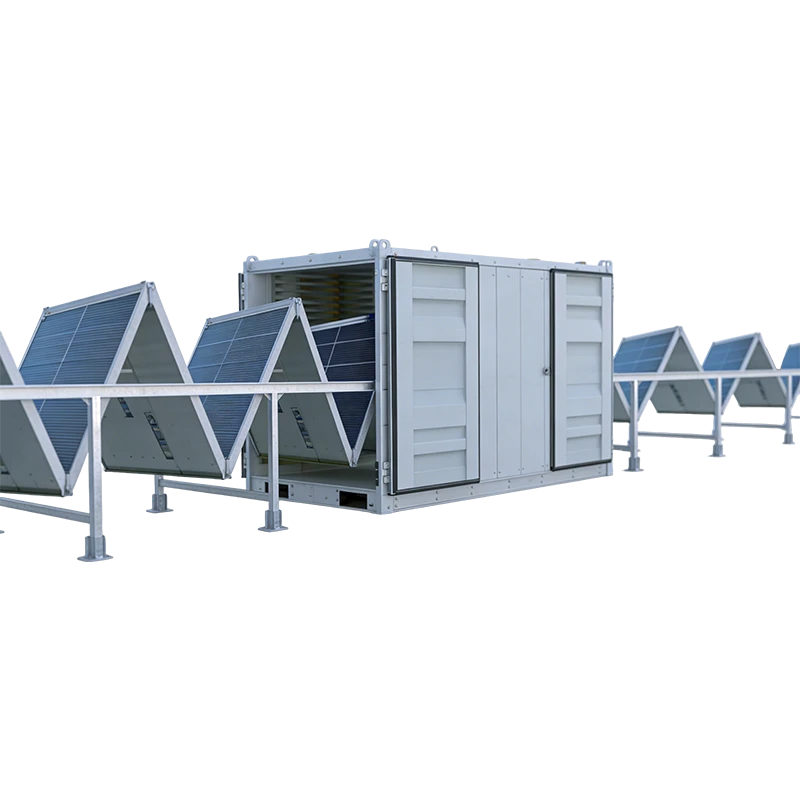
الثالث هو تجاهل تقليل الأداء البيئي. تصنيفات سعة البطارية تفترض درجة حرارة محيطية 25°C؛ عند 40°C، يمكن أن ينخفض عمر الدورة القابل للاستخدام بنسبة تصل إلى 20% إذا لم يتم تبريده بشكل فعال. الأنظمة المعبأة في حاويات بدون تهوية قسرية أو تكييف هواء تتدهور بشكل أسرع مما تشير إليه ورقة البيانات. تحديد حزمة إدارة الحرارة كجزء من غطاء نظام تخزين البطاريات، وليس كفكرة لاحقة، يتجنب تدهور السعة الذي يظهر فقط بعد عامين أو ثلاثة أعوام.
موثوقية النظام والصيانة على المدى الطويل
يبدأ هندسة الاعتمادية لنظام هجين من الطاقة الشمسية والبطارية والمولد على مستوى المكونات ويمتد إلى المراقبة عن بعد. كل نظام فرعي — مصفوفة الطاقة الشمسية، نظام تخزين البطاريات، المولد — يحتاج إلى تدفق بيانات تشخيصي خاص به يغذي وحدة تحكم مركزية التي تطلق تنبيهات قبل فشل يؤدي إلى توقف الموقع عن العمل.
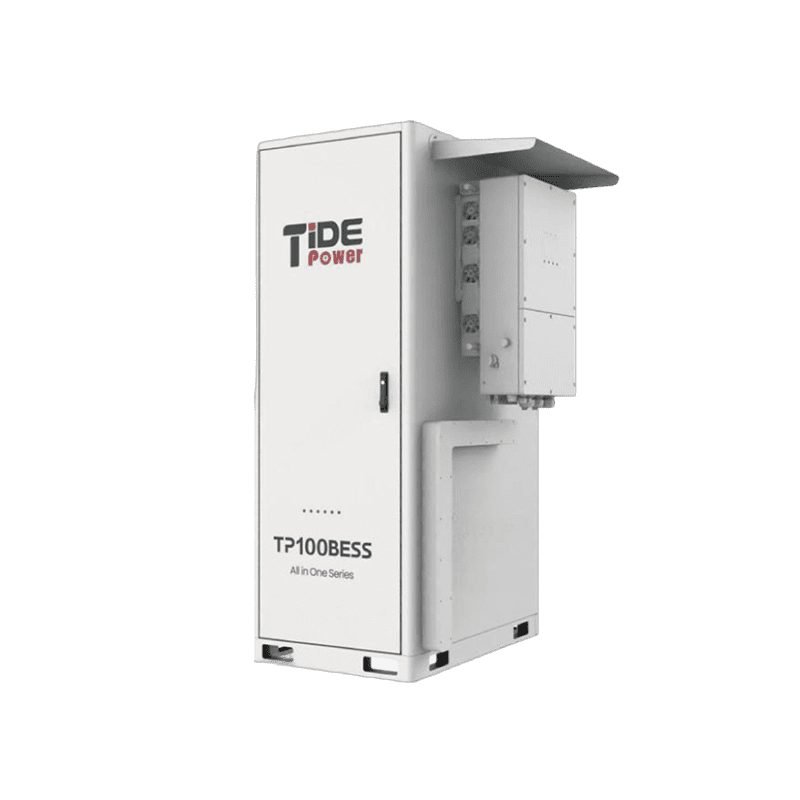
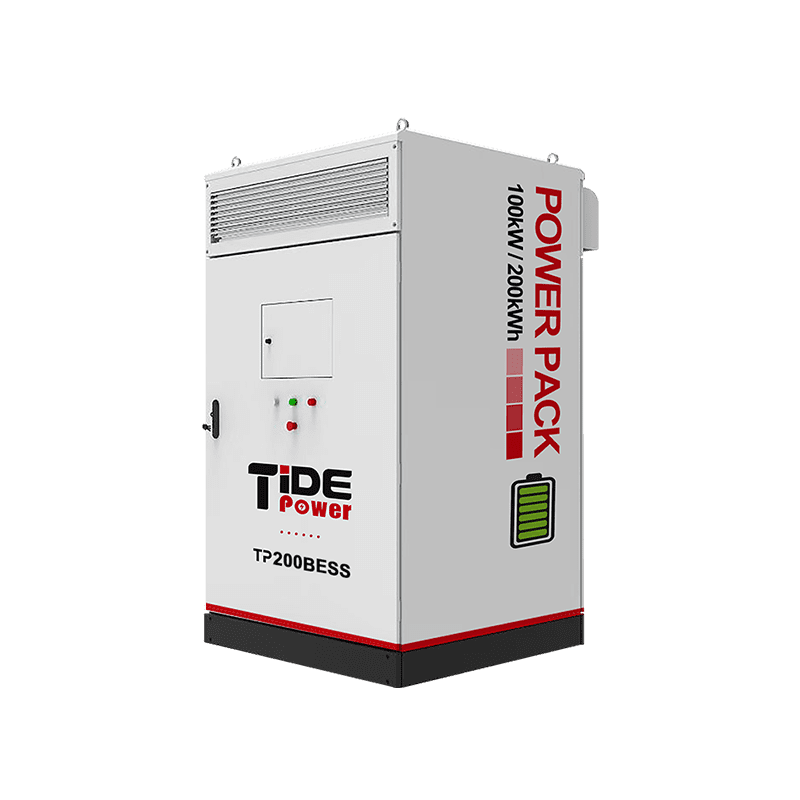
مراقبة حالة صحة البطارية هي تدفق البيانات الأكثر قيمة. على أسطول من الأنظمة، وجدنا أن تتبع ارتفاع المقاومة الداخلية لكل خلية، وإجمالي استهلاك الكيلوواط ساعة، ومتوسط عمق التفريغ يعطي تحذيرًا مسبقًا بثلاثة أشهر من اقتراب وحدة من نهاية عمرها الافتراضي. رفوف البطاريات القابلة للتبديل الساخن، مثل تلك في TP‑100BESS و TP‑200BESS من Tide Power، تتيح استبدال وحدة واحدة مجدولًا دون إيقاف النظام. هذه المرونة تحول احتمال توقف كامل للنظام إلى مهمة صيانة روتينية.
يستفيد جانب المولد بشكل متساوٍ من جدول تشغيل مخفض. بدلاً من فترات الخدمة بناءً على شهور التقويم، يسجل وحدة التحكم في النظام الهجين ساعات تشغيل المحرك الفعلية وساعات الحمل الموزونة، مما يطلق الصيانة فقط عند الحاجة. تقارير مختبرات تحليل الزيت باستمرار تشير إلى عينات أنظف من المولدات التي تعمل دورة أو دورتين ثابتتين يوميًا مقارنة بتلك التي تبدأ وتتوقف بشكل متكرر تحت حمل خفيف.
يتيح المراقبة عن بعد المدمجة عبر اتصال خلوي أو قمر صناعي — وهو الآن قياسي في معظم منصات أنظمة تخزين البطاريات الصناعية — لمشغل في قارة مختلفة التحقق من درجة حرارة البطارية، إنتاج الطاقة الشمسية، وحالة المولد من هاتفه. عندما يتضمن نظام المراقبة تسجيل الأعطال التلقائي وتنبيهات البريد الإلكتروني، ينخفض زمن استجابة الموقع لحدوث خلل من أيام إلى دقائق.
إذا كان برنامج الطاقة الخاص بك يتضمن مواقع متعددة بأساطيل مولدات غير متشابهة، فإن توحيد بنية نظام تخزين البطاريات المعيارية مع وحدة تحكم غير مرتبطة بالمولد يبسط اللوجستيات وتخطيط قطع الغيار. شارك قائمة مواقعك ومواصفات المولدات الحالية لمراجعة التوافق على [email protected].
أسئلة شائعة حول دمج تخزين البطاريات الشمسية
هل سيؤدي دمج تخزين البطاريات إلى تقصير عمر خدمة المولد الديزل الخاص بي؟
على العكس. من خلال القضاء على الدورات القصيرة وتمكين المولد من العمل فقط عند نقاط الحمل المثلى، يقلل النظام الهجين من التشغيل البارد والتشغيل عند حمل خفيف، وكلاهما يسرع التآكل. المحركات التي تعمل جلسة ثابتة من 4-6 ساعات يوميًا تدوم أطول من تلك التي تبدأ ثماني مرات في اليوم لفترات قصيرة. في التركيبات المراقبة، يمكن تمديد فترات صيانة المولد بنسبة 20–30TP3T تحت التحكم الهجين.
ما الحد الأدنى لسعة البطارية التي يمكن العمل بها لموقع صناعي بعيد خارج الشبكة؟
يعتمد ذلك تمامًا على ملف الحمل وموارد الطاقة الشمسية. قد يعمل موقع بحمل ثابت قدره 80 كيلواط و6 ساعات ذروة شمس يوميًا بشكل موثوق باستخدام 300–400 كيلوواط ساعة من سعة البطارية القابلة للاستخدام، على افتراض أن مصفوفة الطاقة الشمسية مصممة لتلبية الاستهلاك اليومي. يحتاج موقع بمعالجات دفعات كبيرة تستهلك 300 كيلواط لمدة ساعتين حول الظهر إلى سعة أقل لأن المصفوفة الشمسية يمكن أن تخدم هذا الحمل مباشرة. ابدأ دائمًا حساب الحجم بسجل حمل لمدة 15 دقيقة على الأقل لأسبوع واحد، وليس بمعدل اسم المولد.
هل يمكنني دمج تخزين البطاريات مع مولدي الديزل الحالي، أم أحتاج إلى واحد جديد؟
معظم مولدات الديزل الحديثة التي تحتوي على منظمات إلكترونية وواجهات CAN يمكن دمجها بدون استبدال. يتزامن عاكس البطارية مع خرج المولد بدلاً من طلب العكس، لذلك عمر المولد أقل أهمية من واجهة التحكم الخاصة به. الشرط الأساسي هو أن يدعم منظم جهد المولد وضع التحكم في الانخفاض وأن يكون وحدة تحكم المولد قادرًا على قبول أمر بدء/إيقاف من نظام إدارة الطاقة. قد يتطلب المولدات التي يزيد عمرها عن حوالي 15 سنة بدون تحكم إلكتروني مجموعة تحديث واجهة، لكن حتى تلك غالبًا ما تكون قابلة للعمل.
ما هي الخطوات الأكثر فعالية من حيث التكلفة نحو نظام هجين من الطاقة الشمسية والبطارية والمولد؟
قم بتركيب عداد طاقة مع تسجيل البيانات على المولد الحالي لمدة 30 يومًا لالتقاط منحنى الحمل الحقيقي. تتيح هذه البيانات لنموذج اقتصادي تقني مقارنة أحجام البطاريات، تصنيفات المصفوفة الشمسية، وسيناريوهات تقليل وقت تشغيل المولد بدون استثمار في الأجهزة. تكتشف معظم المواقع أن وفورات الوقود تبرر استثمار البطارية خلال ثلاث إلى خمس سنوات، مع فائدة إضافية من التشغيل الليلي الأكثر هدوءًا وتقليل عبء اللوجستيات.
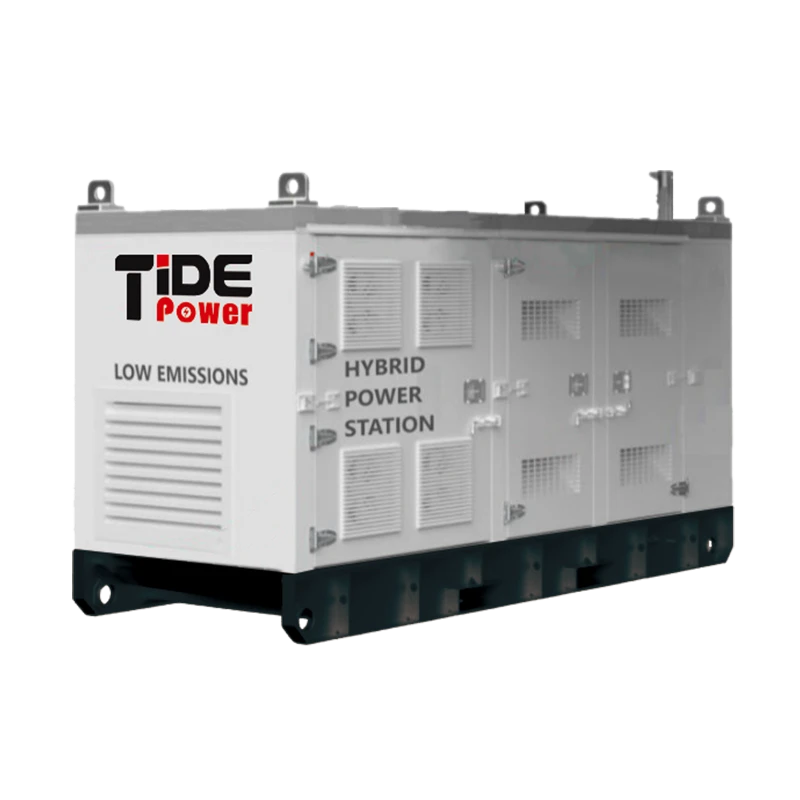
بالنسبة للمشاريع التي يتضمن ملف الحمل فيها ارتفاعات متقطعة من المضخات أو الضواغط التي تجبر المولد على العمل عند جزء غير فعال من الحمل، غالبًا ما يعوض بنك البطاريات بالحجم الصحيح بسرعة أكبر من مصفوفة شمسية عامة. شارك بيانات الحمل لمدة 30 يومًا وإحداثيات الموقع للحصول على تقدير مخصص لحجم النظام الهجين على [email protected] أو اتصل على +86 591 2806 8999.
إذا كنت مهتمًا، اطلع على هذه المقالات ذات الصلة:
الاحتفال بقدوم مهرجان منتصف الخريف والعيد الوطني في شركة تايد باور
مخزن طاقة Tide Power في مصر: مولدات وأبراج إضاءة متوفرة الآن