 AR
AR EN
EN ZH
ZH FR
FR ES
ESعندما تتوسع شبكات الاتصالات، يجب أن ينمو البنية التحتية للطاقة التي تدعمها بشكل متزامن. تتعلق قابلية توسعة نظام طاقة الاتصالات بتصميم ذلك النمو بحيث لا يجبرك إضافة السعة على البدء من الصفر. في عملنا مع المشغلين عبر قارات متعددة، رأينا كيف يمكن للهندسة المعمارية المعيارية والمتوافقة مع الأنظمة الهجينة أن تحول ما يمكن أن يكون إعادة هيكلة مزعجة إلى ترقية روتينية للموقع. للمهندسين وفرق الشراء الذين يقيمون الخيارات، فإن فهم متطلبات التوسع وما يتيح لك تحقيقه هو الخطوة الأولى نحو شبكة تتطور وفقًا لشروطها الخاصة.
ما هو مفهوم قابلية توسعة نظام طاقة الاتصالات؟
تعني قابلية التوسع في نظام طاقة الاتصالات القدرة على زيادة سعة الطاقة دون استبدال البنية التحتية الأساسية. إنها فلسفة تصميم، وليست مكونًا واحدًا. يقبل النظام القابل للتوسع رفوف المقومات الإضافية، سلاسل البطاريات، أو حتى مصادر طاقة جديدة مثل الطاقة الشمسية والتخزين، بينما يظل الموقع متصلًا ويستمر في خدمة الأحمال.
في جوهر النهج هو الت modularity. بدلاً من تحديد محطة طاقة ضخمة جدًا ستكون تحت‑تحميل لسنوات، تحدد نظامًا أساسيًا يمكن توسيعه على مراحل مخططة. عندما يضيف الموقع معدات راديو جديدة أو مستأجرين، يمكن لنظام الطاقة أن ينمو بالتوازي—إضافة سعة المقوم، التخزين الكهربائي، أو حجرة المولد—بدلاً من الحاجة إلى إعادة تصميم كاملة.
يظهر الفرق بشكل واضح أثناء عمليات التحديث. غالبًا ما تتطلب محطة الطاقة الأحادية التقليدية إيقاف تشغيل الموقع بأكمله، وإعادة تركيب الصواني، وتبديل البطاريات دفعة واحدة. يتيح لك النظام المعياري إضافة السعة رفًا رفًا، سلسلة بطاريات بطارية بطارية، دون انقطاع الخدمة. هذا لا يحافظ فقط على وقت التشغيل، بل يوافق أيضًا على الإنفاق الرأسمالي مع الطلب الفعلي، متجنبًا الضربة المزدوجة للإسراف المبكر وإعادة الاستثمار القسري لاحقًا.
ما الذي يدفع الحاجة إلى طاقة اتصالات قابلة للتوسع؟
الكثافة الشبكية هي الدافع الأول. مع توسع تغطية الجيل الرابع وبناء الجيل الخامس، يرتفع عدد المواقع وكثافة الطاقة لكل موقع. قد يحتاج سطح المبنى الحضري الذي كان يضم ثلاثة أجهزة راديو سابقًا إلى الدعم ستة معدات خلفية على الأقل، مضاعفًا الحمل المستمر. يمتص نظام الطاقة القابل للتوسع هذا الزيادة دون الحاجة إلى أرض جديدة، أو تمديدات كابلات جديدة، أو استبدال كامل لمحطة الطاقة.
الدافع الثاني هو تنويع المستأجرين. تقوم شركات الأبراج والمشغلون المستقلون عادةً بإضافة عدة شركات حاملة على نفس الهيكل. كل شركة حاملة جديدة تجلب عبء مقوم خاص بها وغالبًا متطلبات احتياط بطارية خاصة بها. يمكن لنظام قابل للتوسع مع خزائن معيارية أن يوفر مساحة للمستأجرين المستقبليين ويملؤها عند توقيع العقد، مما يحول زمن الانتظار إلى أسابيع بدلاً من شهور.
أهداف الانتقال الطاقي هي الدافع الثالث. التزم العديد من المشغلين بخفض انبعاثات الكربون، ويعني ذلك دمج الطاقة الشمسية، وتخزين البطارية، أو خلايا الوقود بجانب النسخ الاحتياطي التقليدي بالديزل. يمكن للهندسة المعمارية القابلة للتوسع المبنية حول حافلة التيار المستمر (DC) والتحكم الذكي أن تدمج هذه الأصول تدريجيًا، في حين أن النظام القديم الصلب غالبًا ما يفرض استبدالًا كاملًا لتحقيق أي تكامل للطاقة المتجددة.
ما هي تقنيات الطاقة التي تجعل النظام قابلًا للتوسع؟
تعيش قابلية التوسع في الهندسة المعمارية أكثر من وجود منتج معين، لكن بعض التقنيات تتيحها بشكل أفضل من غيرها.
رفوف المقومات المعيارية
نظام الطاقة المستمر هو مركز الأعصاب لموقع الاتصالات. تقبل رفوف المقومات الحديثة القابلة للتبديل الساخن وحدات المقوم، عادةً في زيادات تتراوح بين 2 إلى 3 كيلوواط، بحيث يمكنك شراء المقومات التي تحتاجها اليوم وإضافة المزيد لاحقًا. هذا يحافظ على حجم النظام مناسبًا ويجنب السعة غير المستغلة الكبيرة. تضمن المقومات عالية الكفاءة التي تحافظ على تحويل بنسبة 96 بالمئة عبر نطاق تحميل واسع أن الكفاءة لا تنهار عندما يكون النظام محملًا بشكل خفيف في السنوات الأولى.
تخزين البطارية القابل للتوسع
تحدد سلاسل البطاريات مدة التشغيل، ويعني التوسع هنا القدرة على إضافة كل من السعة والكيميائيات الأحدث مع مرور الوقت. بطاريات VRLA التقليدية سهلة التمديد، لكن العديد من المشغلين يفضلون الآن بطاريات ليثيوم-فوسفات الحديد (LFP) بسبب عمر الدورة الأعلى footprint أصغر. يتيح خزان البطاريات المعياري الذي يدعم كل من VRLA وLFP انتقالًا تدريجيًا—إضافة بنك LFP أولي للأحمال الحرجة وترحيل باقي سلاسل VRLA لاحقًا دون إعادة توصيل حافلة التيار المستمر.
تكامل الطاقة الهجينة
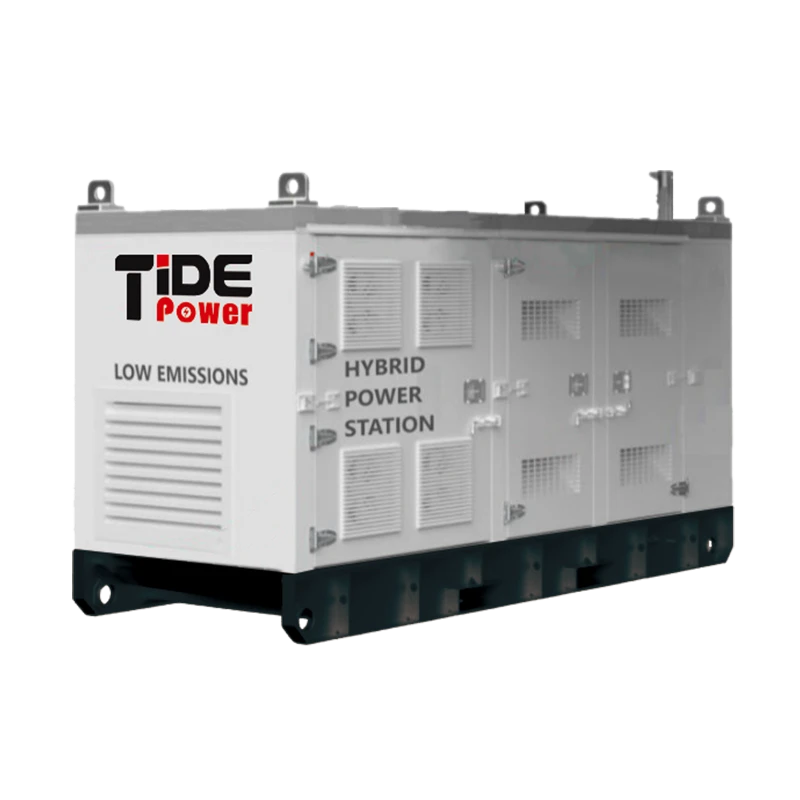
تصبح قابلية التوسع أكثر قوة عندما يمكن للموقع إضافة مصادر توليد مع مرور الوقت. تتيح منصة الطاقة الهجينة مع حافلة DC مشتركة ومتحكم ذكي البدء مع احتياطي المولد الديزل، ثم دمج الألواح الشمسية وتخزين البطارية لاحقًا. من خلال خبرتنا، بدأ أحد المشغلين في منطقة ذات وصول عن بعد بمولد ديزل بقوة 10 كيلو فولت أمبير، وخلال ثلاث سنوات أضاف لوحة شمسية بقوة 5 كيلوواط وبنك تخزين لبطارية LFP بسعة 20 كيلوواط ساعة. نما حمل الموقع بنسبة 40 بالمئة خلال نفس الفترة، ومع ذلك، لم يتجاوز إجمالي السعة المثبتة النمو، بل تابع النمو بدلاً من أن يكون مدمجًا مسبقًا. حافظ النهج الهجين على تكاليف رأس المال والوقود في السيطرة.
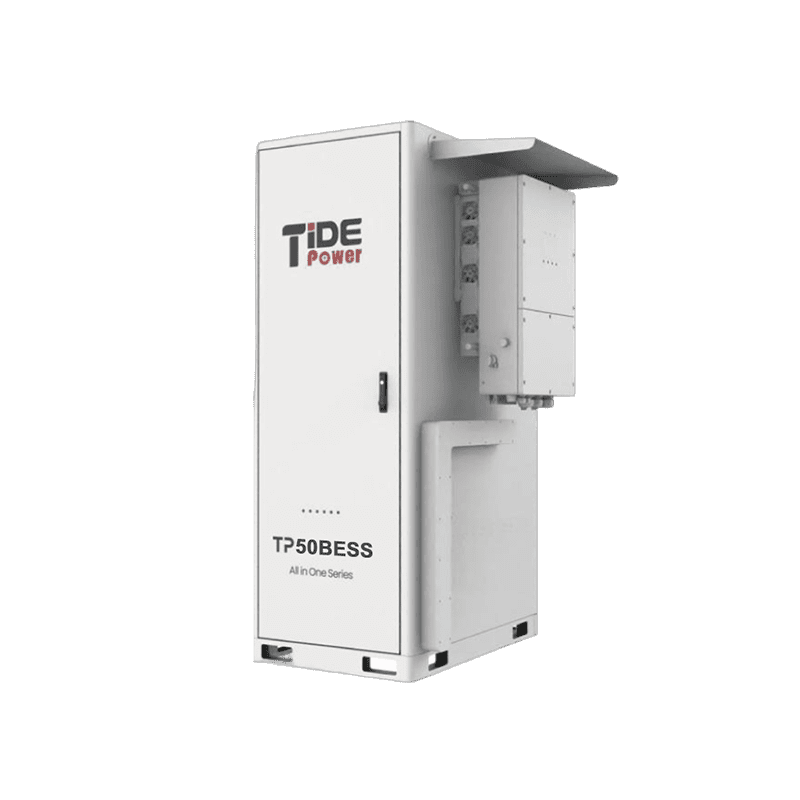
للمواقع ذات المساحة المحدودة، يمكن نشر وحدات نظام تخزين الطاقة المعززة بالحاويات حتى عدة مئات من الكيلوواط‑ساعة بجانب محطة الطاقة، مع إمكانية توسيع التخزين بشكل مستقل عن نظام التيار المستمر (DC).
اختيار التكنولوجيا المناسبة للتوسع على المدى الطويل ينطوي على تنازلات في التكلفة، العمر الافتراضي، وتحمل درجات الحرارة. إذا كنت تحدد نظامًا لمواقع ذات نمو عالي، يمكن لفريق الهندسة لدينا مساعدتك في وزن تلك العوامل مقابل ملف الحمل الخاص بك—اتصل بـ [email protected] مع معايير الموقع الخاص بك.
كيفية تخطيط نظام طاقة اتصالات قابل للتوسع من اليوم الأول
التخطيط أهم من المنتج الذي تشتريه. تعلمنا من مئات عمليات النشر أن ثلاثة قرارات تتخذ خلال مرحلة التصميم الأولية تحدد مدى سهولة نمو الموقع لاحقًا.
أولاً، قم بإجراء تقييم واقعي للحمل يتوقع من خمسة إلى عشرة أعوام، وليس فقط للبناء التالي. قم برسم خريطة ليس فقط لمعدات الراديو التي سيتم تركيبها على الفور، بل أيضًا السعة المحتملة لكل مشغل إضافي وأقصى درجة حرارة محيطية، والتي تؤثر مباشرة على تقليل أداء المقوم وحجم البطارية. توقع الحمل بشكل محافظ ولكن صادق يمنع وجود قضبان توزيع وأسلاك صغيرة جدًا يصعب توسيعها لاحقًا بدون إعادة كابل كاملة.
ثانيًا، قرر بنية التيار المستمر (DC) مبكرًا. يتيح لك نظام التيار المستمر الموزع مع مخرجات مضمونة متعددة ومواقع فروع احتياطية توصيل رفوف المقومات الجديدة أو لوحات الأحمال بدون إيقاف الدوائر الحالية. لقد رأينا العديد من المواقع حيث أدى نقص بسيط في مواقع الفروع الاحتياطية إلى تحويل ترقية يوم واحد إلى انقطاع لمدة ثلاثة أيام.
ثالثًا، اترك مساحة—ماديًا وكهربائيًا—للمكونات الهجينة. حتى لو بدأت بمولد ديزل اليوم، ضع مأوى المعدات بحيث يمكن إضافة لوحة شمسية أو خزانة نظام تخزين الطاقة المعززة بالحاويات في وقت لاحق، وتأكد من أن وحدة تحكم المولد يمكنها التواصل مع نظام إدارة الطاقة المستقبلي للموقع. بضع أمتار إضافية من القناة وواجهة اتصال تكلف تقريبًا لا شيء عند البناء لكنها تلغي الأعمال المدنية الكبرى لاحقًا.
ما الذي يجب البحث عنه في مزود نظام طاقة قابل للتوسع
القابلية للتوسع ليست مواصفة يمكنك وضع علامة عليها في ورقة البيانات. إنها قدرة إما يصممها المزود أو لا. في تقييمنا للموردين للمشاريع الكبيرة، تميز ثلاث خصائص بشكل ثابت الشركاء الذين يمكّنون النمو القابل للتوسع عن أولئك الذين يبيعون فقط محطات الطاقة.
أولاً، ابحث عن التوافقية التي تتجاوز رف الطاقة. يجب أن يقدم المزود نظامًا بيئيًا كاملًا—مقومات، خزائن البطاريات، وحدات تحكم هجينة، حاويات خارجية—مصممة للعمل معًا ويمكن خلطها وتطابقها مع تطور الموقع. إذا اضطررت إلى مصدر مكونات من بائع مختلف مع كل توسعة، فإن تكامل النظام يصبح مشكلة المشغل. مزود واحد مع بنية موحدة يلغي ذلك الخطر.
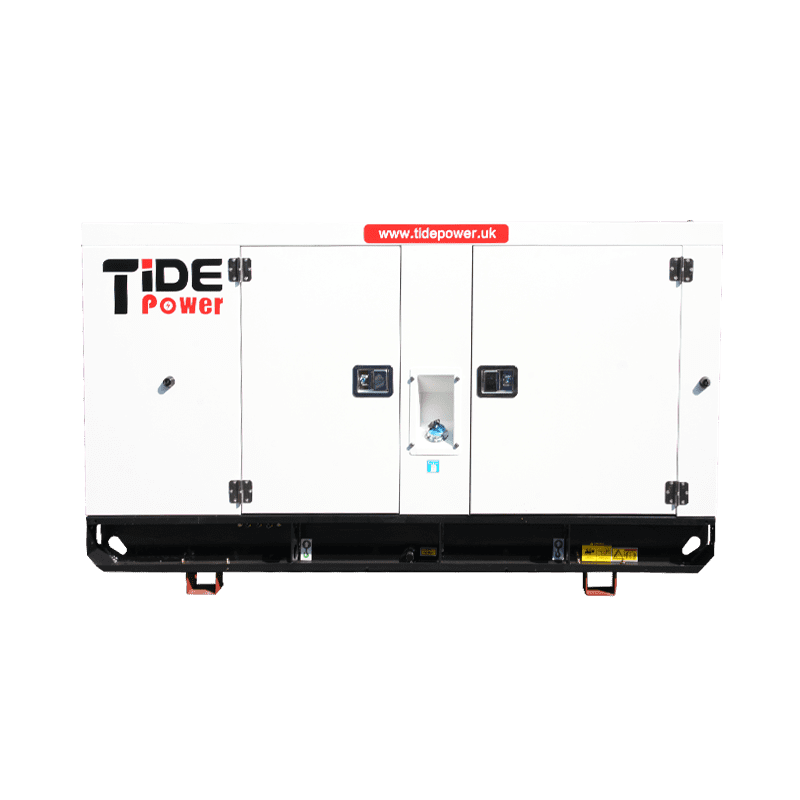
ثانيًا، أصر على وجود خبرة موثقة في التكامل الهجين. دمج الطاقة الشمسية، والتخزين، والديزل ليس تمرينًا بسيطًا؛ إنه يتطلب منطق مشاركة الحمل، وتحويل سلس، واتصالات تعمل في وضع الشبكة ووضع الجزيرة. اطلب مواقع مرجعية حيث أضاف المزود نظام تخزين الطاقة المعززة بالحاويات أو لوحة شمسية لموقع قائم على الديزل بدون انقطاع في الخدمة. إذا لم يتمكنوا من ذكر عدة مواقع، فاعتبر قابلية التوسع الهجينة ادعاء غير مثبت.
ثالثًا، قدر القدرة على الدعم العالمي. تقوم مشغلو الاتصالات بنشر الآلاف من المواقع عبر عدة دول، غالبًا في مواقع ذات وصول محدود. يمكن أن يكون المزود الذي يمتلك التصنيع، والتدريب، ولوجستيات القطع الاحتياطية في مناطق متعددة هو الفرق بين موقع يتوسع لتلبية الطلب وآخر ينتظر شهورًا لاستبدال سلسلة البطاريات. على سبيل المثال، تدعم شركة Tide Power عمليات النشر القابلة للتوسع بمجموعة منتجات تتراوح من وحدات هجينة بقدرة 10 كيلو فولت أمبير حتى أنظمة تخزين الطاقة المعززة بالحاويات، جميعها مبنية على منصة تحكم موحدة، مما يمكّن المشغلين من توحيد المعايير عبر العشرات أو المئات من المواقع مع مطابقة ملف الحمل الخاص بكل موقع بدقة.
يعمل هيكل الطاقة القابل للتوسع على فصل شبكة تستخدم النمو عن تلك المقيدة به. إذا كانت خطة التوسع الخاصة بك تتطلب مواقع جديدة أو ترقية السعة، شارك مواصفات مشروعك مع مستشاري الطاقة لدينا على [email protected] أو اتصل على +86 591 2806 8999. سنطور تكوينًا يناسب ميزانيتك على المدى القريب واحتياجاتك للتوسع على المدى الطويل.
الأسئلة الشائعة حول توسيع أنظمة طاقة الاتصالات
ما الفرق بين أنظمة طاقة الاتصالات المعيارية والتقليدية؟
نظام معياري يستخدم وحدات بناء منفصلة قابلة للاستبدال في الميدان—رفوف المقومات، خزائن البطاريات، وحدات التحكم—يمكن إضافتها لاحقًا بدون إعادة تصميم كامل لمحطة التيار المستمر (DC). النظام التقليدي عادةً ما يكون خزانة متكاملة واحدة بحجم الحمل النهائي من اليوم الأول. النهج المعياري يتوافق مع النمو ويقلل من وقت الترقية، بينما الأنظمة التقليدية أبسط في البداية لكنها تصبح جامدة مع توسع الشبكة.
هل يمكنني إضافة بطاريات ليثيوم إلى موقع قائم على VRLA؟
نعم، لكن يجب أن يكون وحدة تحكم النظام الكهربائي وواجهة إدارة البطارية متوافقة. تدعم العديد من المقومات الحديثة ملفات تعريف الشحن VRLA وLFP، بحيث يمكن للمطور إضافة بنك بطاريات ليثيوم على مدخل تيار مستمر (DC) منفصل مع الحفاظ على سلاسل VRLA الحالية في الخدمة. في مشاريعنا، غالبًا ما أدى دمج التخزين LFP إلى تحسين وقت التشغيل دون توسيع حجم البطارية، مما يسمح للمشغلين بتحرير مساحة على الأرض.
ما هو تأثير التكلفة على بناء نظام قابل للتوسع من البداية؟
يضيف التوسع تكلفة هامشية—عادة تتراوح بين 5 إلى 15 بالمائة—عند النشر الأولي لمواقع الاحتياط، وأوعية الكابلات ذات الحجم الزائد، ووحدة تحكم أكثر قدرة. يتم استرداد هذا الاستثمار في المرة الأولى التي يتم فيها ترقية الموقع دون إيقاف كامل للطاقة. لقد حسبنا أن تجنب إعادة توصيل كامل لموقع واحد غالبًا ما يعوض علاوة التوسع عدة مرات.
كيف أعرف إذا كان موقعي جاهزًا لترقية الطاقة الهجينة؟
الموقع جاهز إذا كان نظام المقوم يستخدم حافلة تيار مستمر 48 فولت مع قواطع احتياطية، وإذا كان وحدة تحكم المولد يمكنها قبول إشارات التوجيه الخارجية. بالإضافة إلى المتطلبات الكهربائية، فإن تحليل ملف الحمل ضروري: نسبة الحمل خلال النهار إلى الليل، وساعات تشغيل المولد الحالية، تحدد ما إذا كان يمكن تبرير استخدام الطاقة الشمسية والتخزين بناءً على وفورات النفقات التشغيلية فقط. إذا كان لديك سنة من بيانات الحمل، يمكن لفريقنا تقييم مدى جدوى إضافة مكونات هجينة بسرعة. أرسل بيانات الحمل الخاصة بك إلى [email protected] لتقييم أولي لقابلية التوسع والاستعداد للهجينة.
إذا كنت مهتمًا، اطلع على هذه المقالات ذات الصلة:
دليل صيانة الصيف لمولدات الطاقة بالغاز: ضمان الأداء الأمثل في الأحوال الجوية القصوى
تألق شركة تايد باور في معرض كانتون الـ138، مع عرض حلول الطاقة الهجينة المبتكرة
تألق طاقة المد Tide في المعرض كانتون الـ 136
زيارة كبار التنفيذيين من بيركنز إلى تايد باور