 ZH
ZH EN
EN FR
FR ES
ES AR
ARDiesel generator price by power rating does not follow a straight cost per kVA line. A 100 kVA set is not half the price of a 200 kVA set, and the jump between ratings is usually driven by engine line changes, alternator frame size, and cooling package requirements rather than the enclosure alone. For 2026 procurement, the most useful starting point is not a generic price list but a clear separation between what the power rating locks in and what remains negotiable. We look at the rating bands, engine choices, and application conditions that move the quote most, so you can compare supplier proposals without losing hidden total cost in the process.
Power Rating Sets the Baseline Price
Power rating is the first line in a diesel generator quotation because it fixes the alternator frame size, cooling capacity, and engine displacement class. A 50 kVA set and a 500 kVA set are not two versions of the same machine; they sit on different engine platforms and draw from different spare parts inventories. A change across a rating band can move cost more than a modest upgrade inside the same band because the entire generator end moves up a frame class.
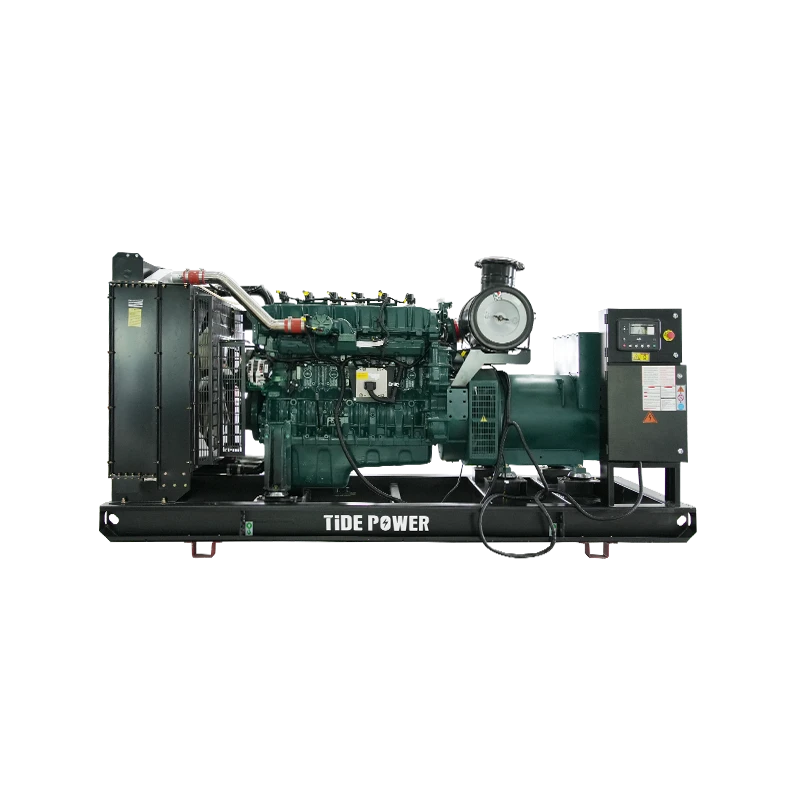
Price per kVA usually falls as rating climbs up to a point. The fixed cost of controls, canopy, cooling, and enclosure is spread across more kilowatts, which improves the apparent unit cost. Near the top of a product line, price per kVA can rise again because high voltage alternators, reinforced bases, and dual starting systems enter the scope. In the Tide Power range, for example, the Fenova Plus silent series runs from 5 kVA to 900 kVA with Lister Petter engines, while the Econic 系列 reaches 1650 kVA with a wider engine selection. Those are not simple extensions of one platform; they are different cost structures.
Engine Selection Changes Price More Than Kilowatts
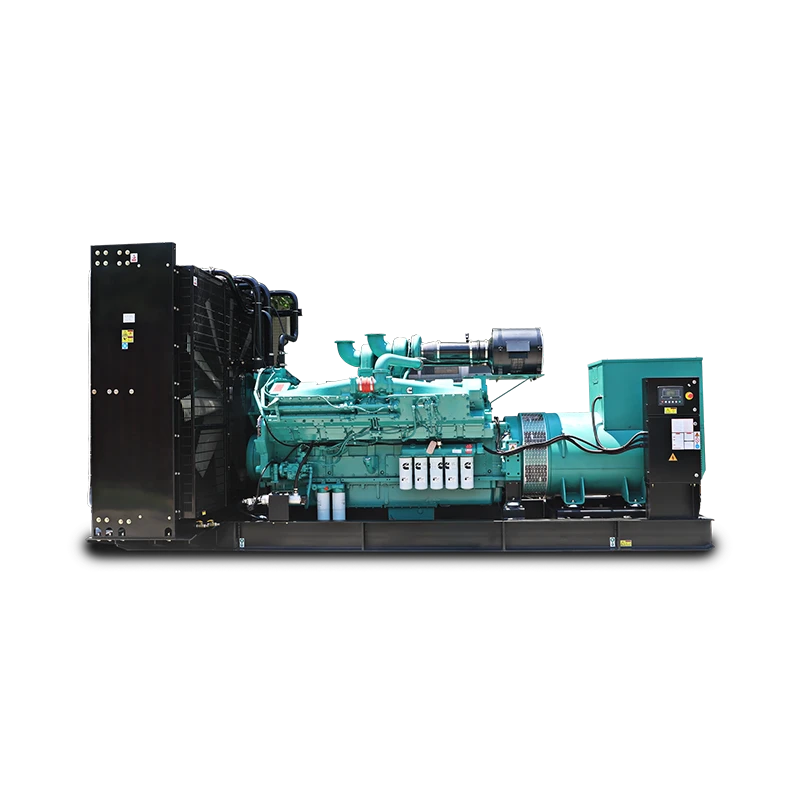
The power rating only sets the size. The engine nameplate decides the price tier, because engine suppliers carry different positions on lead time, local service coverage, and fuel tolerance even inside the same kVA band. A 400 kVA standby set can be quoted with several engine lines, and the selection changes the generator package price more than a small adjustment in rating. This is why two suppliers may quote the same kilowatt rating and still show very different numbers.
Product catalogs make this visible before a buyer reaches the commercial discussion. The table below shows the spread inside one manufacturer’s silent diesel generator range, with the same rating class often served by more than one engine option.
| 系列 | 功率范围 | 发动机选项 | Application Focus |
|---|---|---|---|
| Fenova Plus | 5 kVA 至 900 kVA | 利斯特 | Standby and continuous power for telecom, agriculture, marine auxiliary |
| Hemera | 5 kVA 至 650 kVA | 东风康明斯、珀金斯、上海菱重 | Hospitals, data centers, commercial buildings, residential backup |
| Econic | 16 kVA 至 1650 kVA | 康明斯、帕金斯、德尔茨、鲍顿、泰德 | 建筑 sites, factories, telecom stations, temporary power |
| Panda | 可定制 | 康明斯、利斯特、珀金斯、YTO、扬东 | Urban buildings, offices, hospitals, outdoor backup |
| P系列 | 8 kVA 至 340 kVA | 东风康明斯、利斯特、珀金斯 | Residential, telecom stations, commercial facilities |
After reviewing the table, buyers should not rank proposals by engine brand alone. The more practical question is whether the offered engine has certified service and routine spare parts response in the country of operation. A globally familiar engine that lacks local parts coverage can cost more in downtime than the apparent saving on the unit price.
Power Rating Drives Fuel and Maintenance Costs
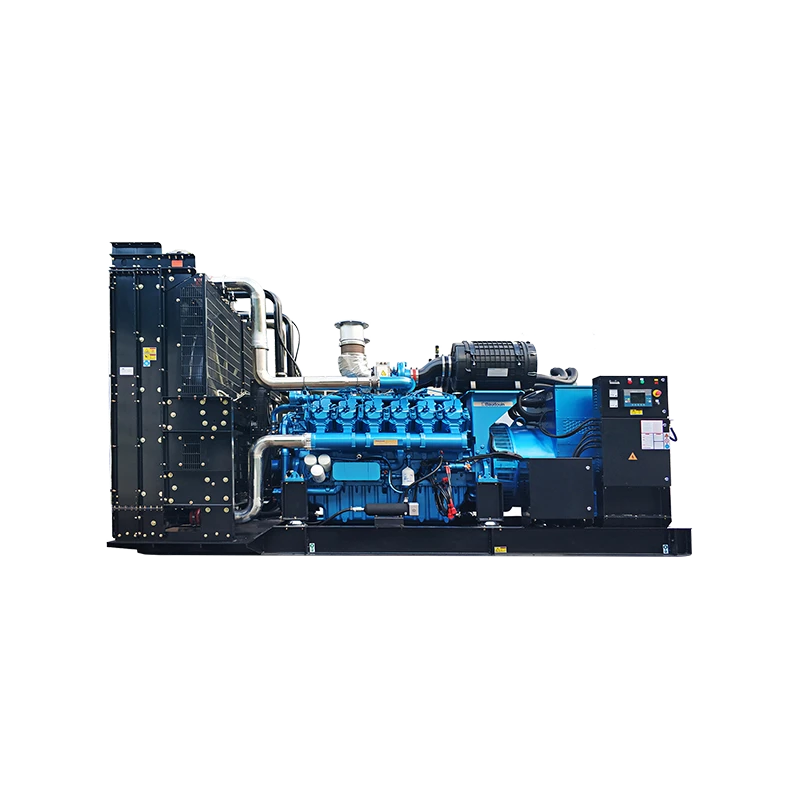
The purchase price is one number. The five year cost is the budget that matters. Fuel consumption rises with engine output, but not in a straight line if the set is loaded differently. A 300 kVA generator running at 30 percent load may burn more fuel per kilowatt produced than a 100 kVA generator running at 80 percent load, because the engine is operating below its efficient zone. This matters when buyers price a standby set for a load that will grow later, or when they price a prime power set for a variable 初始 or construction load.
Maintenance reserves should move with the displacement class. Larger engines hold more coolant and lubricant, use heavier filtration, and require more expensive replacement parts. A rating change from 80 kVA to 200 kVA can shift a service contract from routine filter replacement into a different cost bracket.
If your load profile is unbalanced or the site has restricted fuel supply, confirm engine derating and tank sizing before budget signoff by sending the load list to [email protected]. That single check stops a quotation from becoming an operating cost problem after commissioning.
Application Requirements Determine the Best Rating for the Budget
A diesel generator price by power rating should be adjusted by application class before it becomes a buying decision. The same 250 kVA nameplate can be a standby set for a data center or a prime power source for a construction camp. The price differs because alternator rating, duty cycle, and protection logic differ even when the visible kilowatt number stays the same.
Altitude, ambient temperature, fuel type, and starting sequence all change the required rating. A site above 1,000 meters may require derating or a different turbocharger match. A motor starting load with multiple large pumps may require a larger alternator than the running load suggests. These conditions move both the engine selection and the final quote, which is why a spec sent without site data returns an answer that may not hold in the field.
In projects we have evaluated for international energy buyers, the most frequent budget error was a generic kW list without alternator sizing. The first quotation came in low, but the generator could not hold voltage under the block loading sequence, and the project paid again for reconfiguration. Preparing the load profile first avoids that double spend.
How to Get a Diesel Generator Price by Power Rating
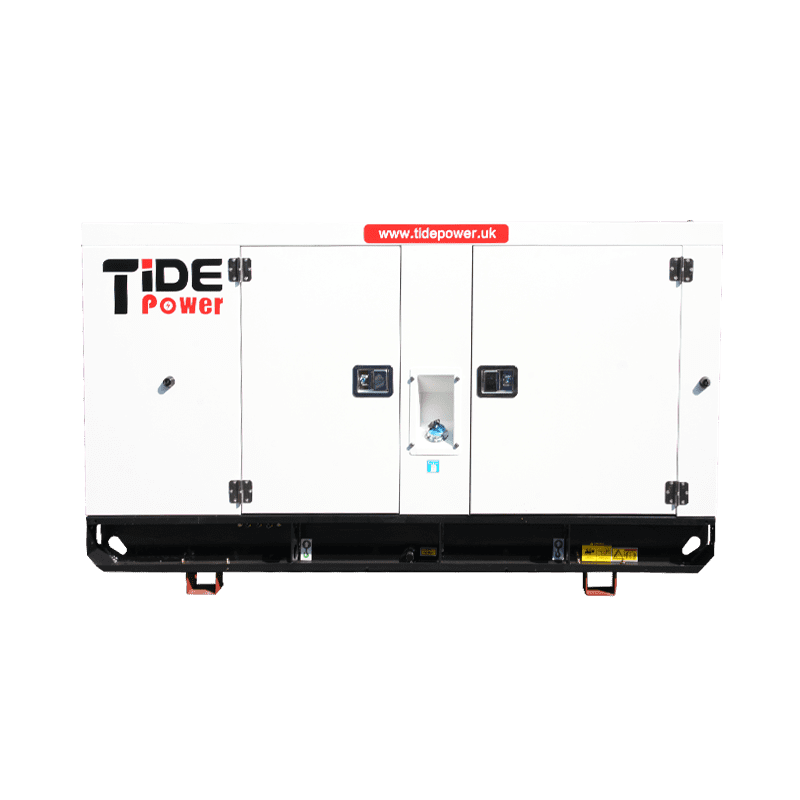
A quotation built on kilowatts alone hides too much. Buyers do not need a full turnkey document to start, but they do need load type, running kilowatts, peak kilowatts, target voltage, frequency, site altitude, and any emission standard the project must meet. One missing condition can move the price between a standard canopy set and a high voltage, sound attenuated unit with a reinforced base.
The practical next step is to send those details to [email protected] or call +86 591 2806 8999 with the power rating range you have targeted. Tide Power will return a configured quotation with engine alternatives, lead time, and a clear equipment scope, so the comparison is between equivalent machines rather than between a complete quotation and an incomplete one. That is the fastest way to move from a kW estimate to a budget you can defend.
Common Questions About Diesel Generator Pricing by Power Rating
Does a higher power rating always mean a higher generator set price?
A higher power rating raises the base cost in steps, not as a straight line. The price increases when the generator moves into a larger frame size or a different engine platform, but a small move inside the same band may change cost only modestly. Buyers should compare quotes by rating band and equipment scope rather than asking for one headline price. The real change often appears when the alternator frame, cooling package, or switchgear class moves with the rating.
What hidden costs appear as the power rating increases?
The common assumption is that the engine price is the only variable, but installation, switchgear, fuel storage, and exhaust system cost grow with the rating. A larger set may need a heavier foundation, larger fuel tank, additional circuit breaker rating, and a more complicated delivery or lifting plan. These items may not sit on the generator supplier’s line item, but they still belong in the project budget. Buyers should ask each bidder to list what is included and what remains under site contractor scope.
Can I compare diesel generator prices without sending a load list?
It depends on the project stage. For an early budget, you can compare price bands by power rating and application type with reasonable accuracy. For a firm quotation, you need the load list, step load sequence, voltage, frequency, altitude, and emission standard. Without those inputs, suppliers add margin for ambiguity or default to assumptions that may not match the site. A partial load profile is enough to start a comparison if it states the running and peak kilowatts.
Which specification matters most after the power rating is fixed?
In generator set programs we have evaluated, the alternator specification changed the final price more often than the engine badge. Voltage regulation, motor starting capacity, and enclosure noise class all affect the alternator and canopy design. The rating sets the size, but the alternator and controls set the performance under the actual load. If your project has a nonstandard voltage or a large motor starting sequence, send the equipment list to [email protected] and we will return a quotation based on the actual starting sequence, not the nameplate total.
如果您感兴趣,可以查看以下相关文章:
?加入与泰德一同竞速的冒险
泰德为工业提供重载解决方案
中国贸促会福建省分会代表团访问泰德
地球日:与泰德共同推动可持续未来
珀金斯高管访问泰德