Hybrid Energy System: Residential vs Commercial Use Decision

首页 / 博客 / Hybrid Energy System: Residential vs Commercial Use Decision

Hybrid Energy System: Residential vs Commercial Use Decision

作者 科泰德 7 月 18, 2026

When evaluating power reliability for a home or a business, the term hybrid energy system covers very different solutions. A residential setup might 支持 a few circuits during outages, while a commercial microgrid must sustain critical loads, meet regulatory standards, and scale with operations. Having spent over a decade in global energy infrastructure projects, I have seen the costly consequences of treating these scales as interchangeable. The technology, economics, and integration requirements diverge sharply, and understanding where they part ways is the first step toward a sound investment.

Residential vs Commercial Load Profiles: Why Size Isn’t Everything

A home’s power demand is relatively predictable—lights, refrigeration, maybe a few electronics. A business, on the other hand, may run motors, HVAC systems, server racks, or production lines, often with simultaneous peaks that a simple kW rating cannot capture. Commercial loads introduce variables like power factor, surge current, and runtime duration that force a shift from off-the-shelf thinking to engineered configuration.

参数Typical Residential Hybrid SystemTypical Commercial Hybrid System
功率范围3 kW – 15 kW30 kW – 500 kW and beyond
Energy Storage5 kWh – 30 kWh50 kWh – 1 MWh+
Backup DurationHoursDays, or continuous operation
Control SystemBasic automationAdvanced microgrid controller with EMS

Size is not just a larger number. A commercial site needs a control system that can prioritize critical loads, manage grid synchronization, and dispatch multiple energy sources in real time—functions that a residential unit simply does not include.

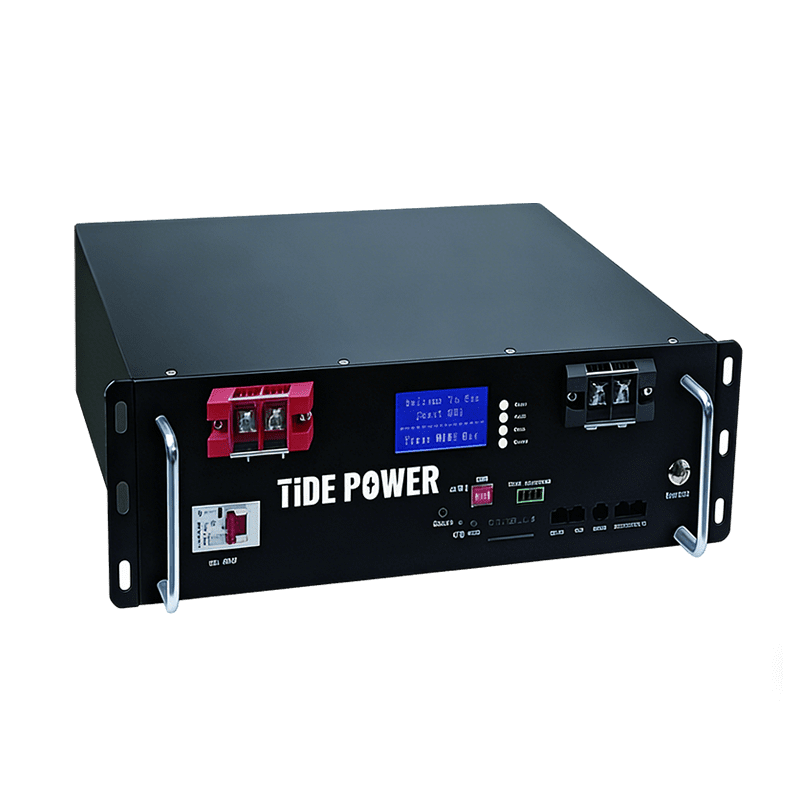
5.12千瓦时磷酸铁锂电池包

System Architecture: From Plug-and-Play to Custom Microgrids

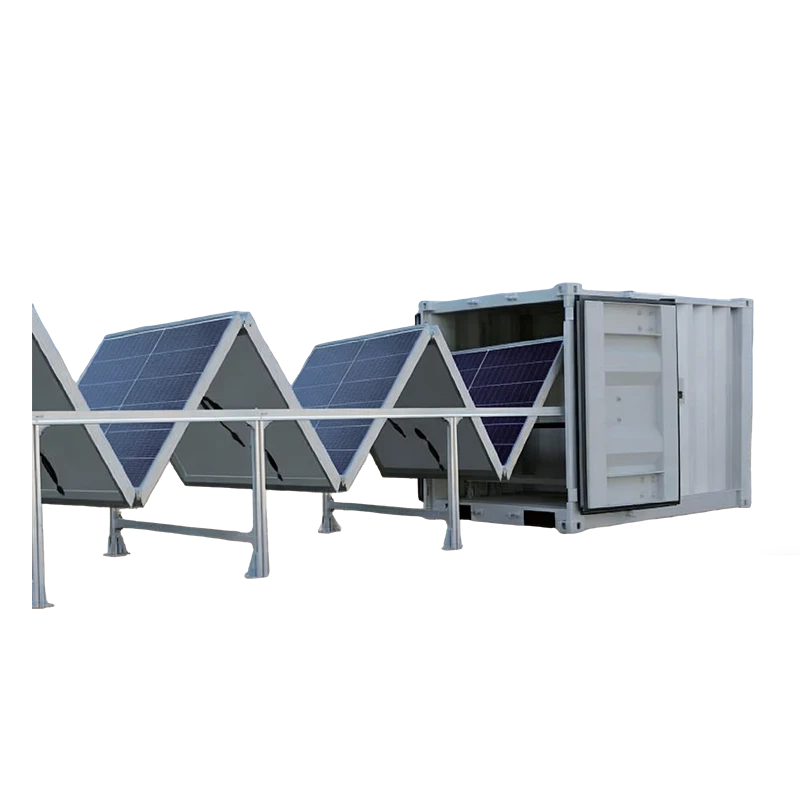
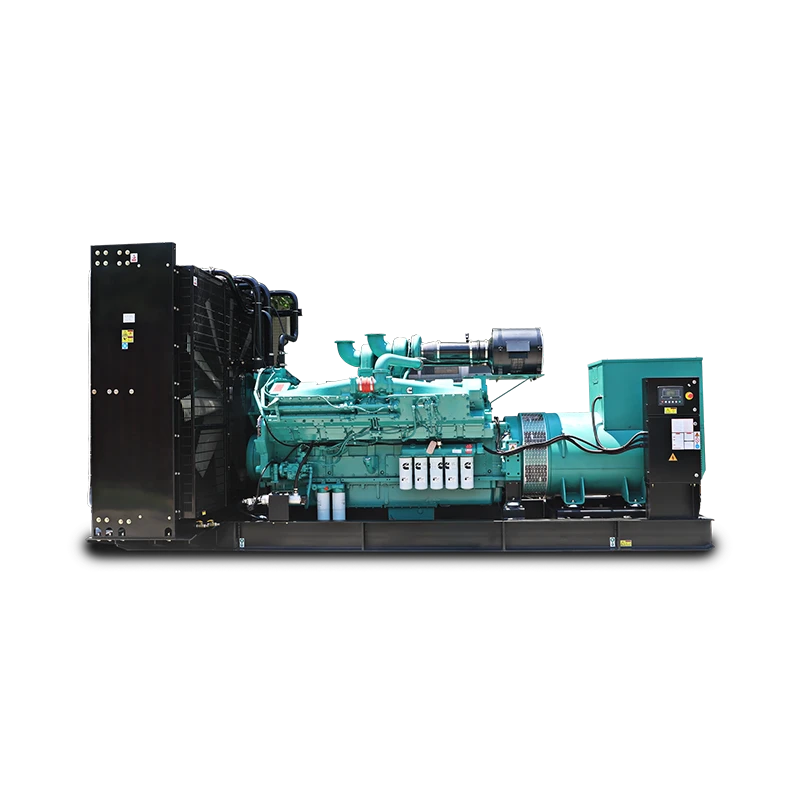
Residential hybrid systems are typically standardized. A pre-sized solar inverter, a battery bank, and a backup generator are bundled together and installed with minimal customization. Commercial systems, by contrast, are built as modular platforms. 科泰德’s hybrid power units, such as the TP-25P or TP-125P, allow integrators to combine multiple diesel generators, solar arrays, and lithium iron phosphate battery modules into a single dispatchable resource. The system design must account for voltage compatibility, communication protocols, and redundancy, and it is common to see containerized solutions that arrive on site pre-configured but still scalable.

This modularity is not just an engineering preference; it is what allows a commercial microgrid to expand from 50 kW to 250 kW without overhauling the entire infrastructure. The building blocks remain consistent, and the control logic adjusts to the new capacity.

Cost Considerations: Upfront Investment vs Long-Term Savings

A residential hybrid system might cost several thousand dollars, while a commercial installation can easily reach six figures. The difference is not merely scale—it is driven by the necessary control complexity, robust switchgear, and often dual-fuel generator sets that meet emissions regulations. However, the commercial case is not about the initial price tag alone. Avoided downtime, demand charge reduction, and the ability to participate in grid services can turn the system into a revenue contributor over its service life.

When I advise clients, I emphasize that the business case must be built on actual load data and utility tariffs, not on generic savings estimates. A facility with frequent power fluctuations may see payback in under three years; a site with stable grid and low electricity prices might take longer. The analysis starts with a detailed energy audit, something that standard residential installers rarely offer but that is essential at commercial scale.

If your commercial facility has complex load patterns or multiple power sources, the configuration is not a simple task. Our team can help model your energy usage to ensure the system meets both current and future demand—reach out at [email protected].

TPC-OH-M-45K

Supplier Selection: What Commercial Buyers Need to Look For

Residential buyers often choose based on brand recognition and local installer availability. For a commercial project, the supplier’s engineering depth, global project track record, and after-sales infrastructure matter just as much. A supplier that is an authorized OEM partner for leading engine brands, such as MWM, Perkins, or Cummins, brings a level of integration certainty that off-brand aggregators cannot provide.

科泰德, for example, delivers generator sets and hybrid systems that comply with ISO and CE standards and are backed by a network that spans multiple continents. In commercial energy, the supplier’s ability to provide lifecycle support—including commissioning, remote monitoring, and spare parts logistics—directly affects system uptime. Procurement teams should therefore evaluate suppliers on their ability to handle site-specific challenges, not just on a price-per-kW metric.

Scalability and Future Expansion

A residential system is typically designed for a fixed load and rarely expanded. Commercial operations, on the other hand, evolve. A factory might add a production line; a data center might increase rack density. A well-designed commercial hybrid system allows capacity to be added in blocks: more battery modules, additional generators, or expanded solar capacity, without replacing the control backbone.

This scalability hinges on two decisions made early in the project: selecting a system with a modular architecture and choosing a supplier that can support phased rollouts. Starting with a platform that supports parallel operation and has standardized communication interfaces means that expansion happens incrementally, not as a disruptive overhaul. 科泰德’s hybrid power systems are built with this philosophy, enabling users to begin with a modest configuration and scale up as their operations grow.

If your project demands a system that grows with your operations, not just a one-time fix, share your load profile and timeline with us. Our engineers can propose a configuration that matches your current needs while preserving expansion paths. Reach out at [email protected] or call +86 591 2806 8999 for a consultation.

Hybrid Energy System Selection: Key Questions Answered

Can a residential hybrid system power my entire home?

In many cases, a properly sized residential hybrid system can cover all of a home’s circuits, but the key is whether the battery capacity and inverter power can handle simultaneous high-draw appliances. A 10 kW system with 20 kWh of storage may run lights, refrigeration, and internet, but adding electric heating or air conditioning often pushes the design beyond what a standard residential package can deliver without derating.

What are the typical costs for a commercial hybrid system?

Costs vary too widely for a single figure. A small commercial setup of 30 kW might start in the tens of thousands of dollars, while a larger microgrid with 250 kW of generation and 200 kWh of storage can exceed several hundred thousand dollars. The final number depends on site conditions, required switchgear, and integration complexity. A detailed quotation only comes after a thorough load analysis and site survey.

Should I choose grid-tied or off-grid for my business?

This depends on how reliable your local utility is and how critical uninterrupted power is to your operation. If the grid is stable and outages are rare, a grid-tied hybrid system that uses the utility as backup and optimizes self-consumption may be the most cost-effective. If outages are frequent, an off-grid or island-capable system with a diesel generator guarantees full autonomy. Most commercial projects I have been involved with fall somewhere in between, operating grid-connected but with the ability to island instantly.

How often does a hybrid energy system require maintenance?

cURL Too many subrequests by single Worker invocation. To configure this limit, refer to https://developers.cloudflare.com/workers/wrangler/configuration/#limits

cURL Too many subrequests by single Worker invocation. To configure this limit, refer to https://developers.cloudflare.com/workers/wrangler/configuration/#limits

cURL Too many subrequests by single Worker invocation. To configure this limit, refer to https://developers.cloudflare.com/workers/wrangler/configuration/#limits

如果您感兴趣,请查看以下相关文章:

TIDE POWER TP200BESS让可持续动力变得简单
德国MWM公司高管来访科泰德