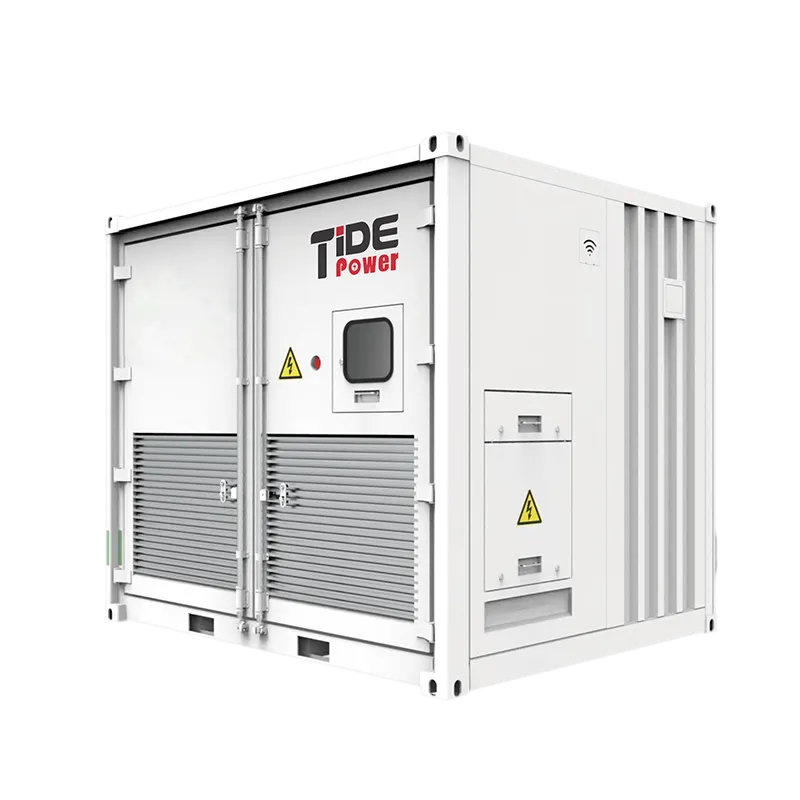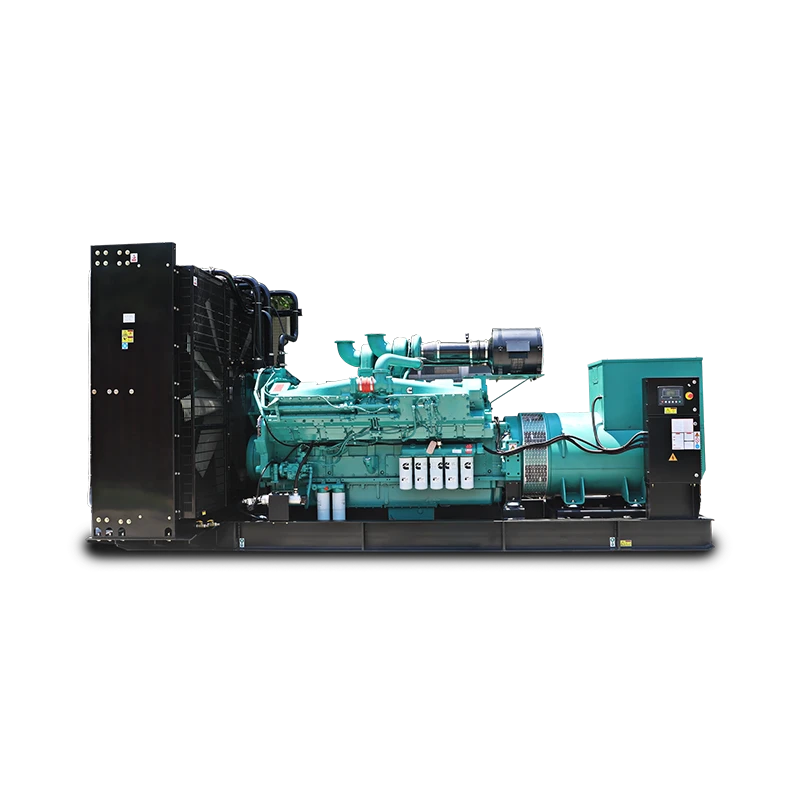
Solar-wind hybrid system project cost estimates can vary dramatically. I have seen developers uncover hidden integration expenses that erode their budget long after the initial purchase. The price of solar panels and wind turbines is just the beginning; the real cost control lies in choosing an experienced, single-source provider that takes full responsibility for system integration and long-term performance. Whether you are planning a remote off-grid installation or a grid-connected microgrid, this guide draws on global project experience to help you understand the full cost picture and make informed investment decisions.
What Are the Core Costs of a Solar-Wind Hybrid System?
A solar-wind hybrid system combines solar PV arrays, one or more wind turbines, battery storage, and a hybrid controller. Direct equipment costs typically follow the ranges below for a mid-scale project.
| Component | Typical Cost Range |
|---|---|
| Solar PV (per watt installed) | $0.80 – $1.20 |
| Small wind turbine (per kW) | $1,500 – $2,500 |
| Battery storage (per kWh LFP) | $400 – $800 |
| Hybrid inverter (per watt) | $0.15 – $0.30 |
| Charge controller and EMS | 5–10% of hardware subtotal |
| Shipping and handling | Varies by region and order size |
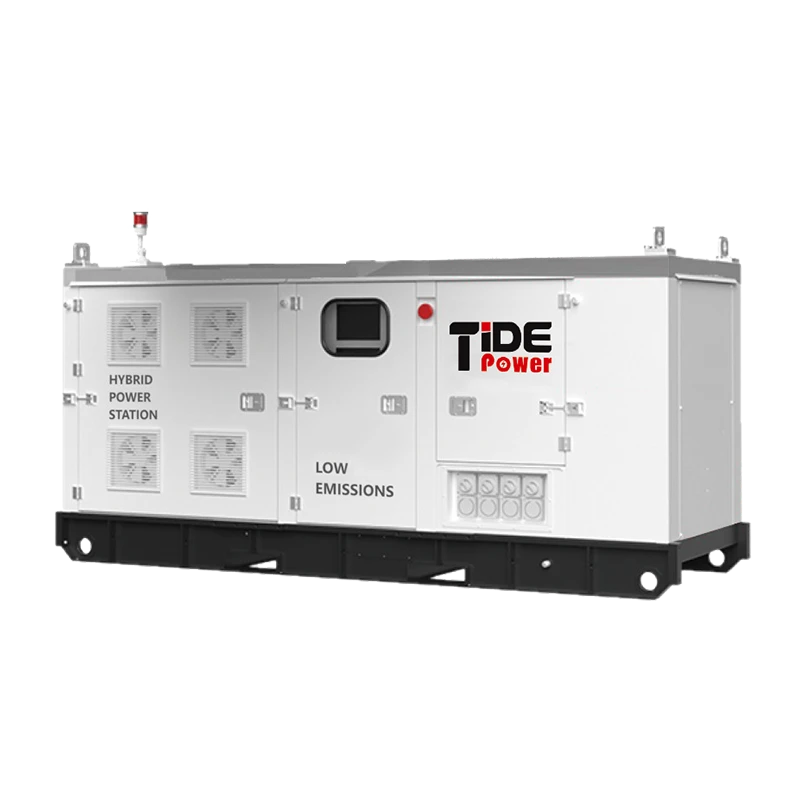
These figures are industry averages. Actual costs shift with project scale, site remoteness, and local supply chains. An integrated system that pre-optimizes components, like the hybrid power units Tide Power offers, reduces integration overhead by avoiding separate procurement and compatibility testing.
If your project involves variable loads or critical backup requirements, it is worth confirming system sizing with an experienced engineer before finalizing your BOM. Reach out to [email protected] for a consultation.
As you move beyond equipment, site-specific conditions and system sizing introduce some of the largest cost variables.
How Do Site Conditions and System Sizing Impact Total Costs?
Site Assessment and Preparation
A detailed site assessment measures solar irradiance, wind speed distribution, and terrain. I have encountered projects where overestimated wind resources reduced energy yield by 20%, forcing budget overruns for additional battery capacity. Foundations, concrete pads, and cable trenching typically account for 15–25% of total hardware cost in remote sites.
Logistics and Installation
Transporting wind turbine towers, containerized batteries, and solar racking to off-grid locations multiplies freight and labor budgets. Local labor availability and import duties further widen the spread. In my experience, these soft costs routinely exceed 20% of the hardware investment.
Load Assessment
A detailed load profile is the foundation of system sizing. Overlooking seasonal demand patterns or motor starting surges leads to an oversized generator or inadequate storage. Accurate load data aligns system capacity with actual needs, avoiding wasted capital.
Battery and Backup Sizing
Battery capacity must cover nights and low-wind periods. Oversizing the battery bank is the most frequent cost driver I observe. Systems that integrate solar, storage, and a diesel backup in one package, such as the TP-60P, simplify the design process because the manufacturer has pre-engineered the power electronics and energy management. This can cut engineering costs by 10–15% and ensure compatibility.
How to Choose the Right Energy Solutions Partner to Control Long-Term Costs?
Supplier Evaluation
Supplier selection is a cost decision. A global provider with a local 支持 network reduces commissioning delays and unexpected repair costs. Evaluate after-sales service response, 保修 terms, and parts availability as rigorously as you compare equipment quotes.
Integrated vs. Assembled Systems
Assembling a system from multiple vendors may lower upfront component costs, but incompatibilities and divided responsibility during troubleshooting can wipe out any initial savings. A single-source provider delivers one point of contact for design, commissioning, and warranty. Tide Power, for example, supplies fully engineered hybrid power solutions with global distribution support, which means faster deployment and reliable lifecycle management. For projects that need full customization, a modular platform like the Tide Power I Series (CKD) lets you select engines and alternators to match exact site conditions while maintaining international standards.
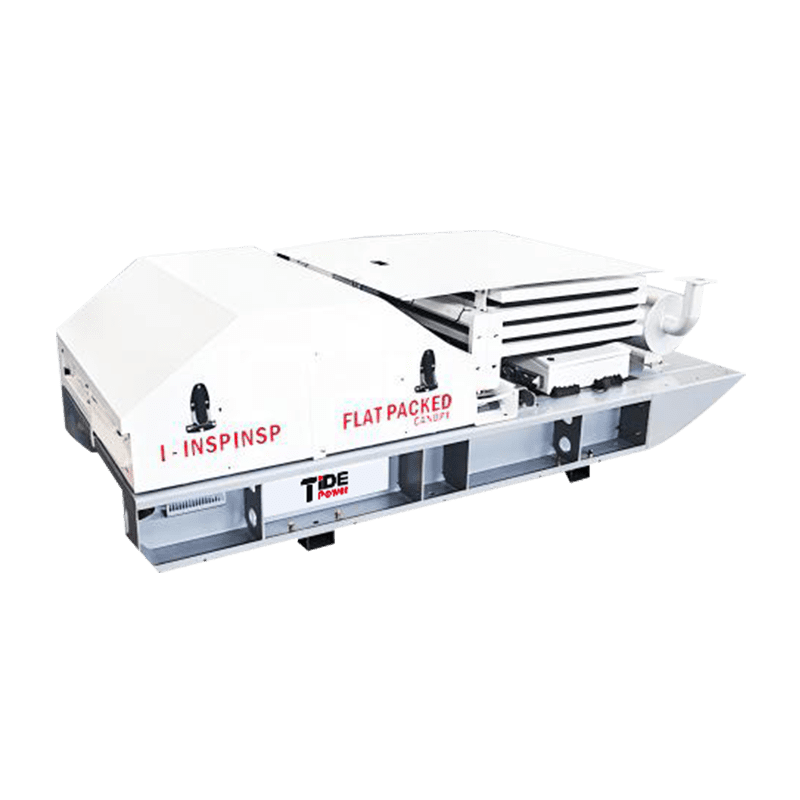
Operational costs include periodic turbine and solar panel maintenance, battery replacement after 8–12 years, and diesel fuel for backup if used. A well-designed system achieves a levelized cost of electricity (LCOE) between $0.10 and $0.25 per kWh, with a payback period of 6–10 years depending on local energy prices and incentives. Replacing diesel-only generation with a hybrid can cut fuel consumption by 60–80%, dramatically improving long-term economics on remote projects.
Ready to Start Your Solar-Wind Hybrid Project?
Every solar-wind hybrid project has unique site conditions and energy demands. Getting the cost estimate right starts with a conversation about your project’s location, load profile, and reliability goals. Share your requirements with our team to receive a customized proposal and feasibility assessment.
邮箱:[email protected]
电话:+86 591 2806 8999
What Are Common Questions About Solar-Wind Hybrid System Costs?
cURL Too many subrequests by single Worker invocation. To configure this limit, refer to https://developers.cloudflare.com/workers/wrangler/configuration/#limits
如果您感兴趣,请查看以下相关文章:
ZH
EN
FR
ES
AR