 AR
AR EN
EN ZH
ZH FR
FR ES
ESعندما يبحث المشترون عن جودة الحفارات الصينية الصغيرة، غالبًا ما يجدون أوراق مواصفات لا نهاية لها ومقارنات أسعار. ومع ذلك، فإن الفرق الحقيقي بين آلة تدوم ثلاث سنوات وآلة تعمل بشكل موثوق لمدة عقد من الزمان يعود إلى ما يحدث داخل المصنع: نظام مراقبة الجودة، وخيارات مصادر المكونات، ومدى شفافية المورد بشأن عملياته. تنتقل هذه المقالة إلى ما وراء ورقة المواصفات لتوضح ما يجب على المقاولين وفرق المشتريات الجادين تقييمه عند اختيار حفار صغير من الصين.
لماذا تختلف جودة الحفارات الصينية الصغيرة بشكل كبير
يشمل سوق المعدات المدمجة الصينية مئات المصنعين. يعمل البعض وفقًا للمعايير الدولية، بينما يتنافس البعض الآخر على السعر وحده. يظهر هذا الفارق بوضوح شديد في جودة الآلة النهائية. يمكن أن يختلف حفاران صغيران بنفس القوة الحصانية وعمق الحفر في كتيب بشكل كبير في كيفية صمودهما بعد الألف ساعة الأولى.
يبدأ التباين عادةً بالنظام الهيدروليكي. الآلة المبنية حول مضخة وتجميع صمامات معروفة ستقدم أوقات دورة متسقة وستبقى باردة تحت الحمل. قد تعمل الوحدة الأرخص ذات الهيدروليكيات غير المسماة بشكل كافٍ عند التسليم، ولكن الأختام والتفاوتات الداخلية تتدهور بشكل أسرع. نفس النمط ينطبق على الجنازير، والمحركات النهائية، واللحامات الهيكلية على الذراع والذراع.
الفرق ليس في بلد المنشأ. يتعلق الأمر بما إذا كان المصنع يستثمر في التحكم في العمليات. المصانع التي تحتفظ بشهادة ISO 9001، وتوثق قيم عزم الدوران للمثبتات الحرجة، وتشغل كل آلة من خلال دورة اختبار محملة قبل الشحن تنتج حفارات تتفوق باستمرار على البدائل التي تركز على السعر.
مؤشرات الجودة الرئيسية التي تتجاوز أوراق المواصفات
هناك عدد قليل من العناصر المحددة التي تفصل بين الآلة الجادة والبناء الاقتصادي. المحرك هو نقطة البداية الواضحة. يستخدم المصنعون الصينيون ذوو السمعة الطيبة محركات من علامات تجارية عالمية أو محلية راسخة وينشرون رقم الطراز الدقيق. إذا أدرج المورد القوة الحصانية فقط دون ذكر الشركة المصنعة للمحرك، فيجب أن يثير ذلك تساؤلاً.
معدل التدفق الهيدروليكي مهم بقدر الضغط، ومع ذلك تتجاهله العديد من أوراق البيانات. الآلة التي تدعي قوة حفر عالية ولكنها لا تستطيع الحفاظ على التدفق إلى الدائرة المساعدة ستواجه صعوبة مع الإبهام أو المثقاب. ابحث عن أرقام التدفق المنشورة والشركة المصنعة للمضخة. المضخات الترسية من مورد معروف هي إشارة إيجابية.
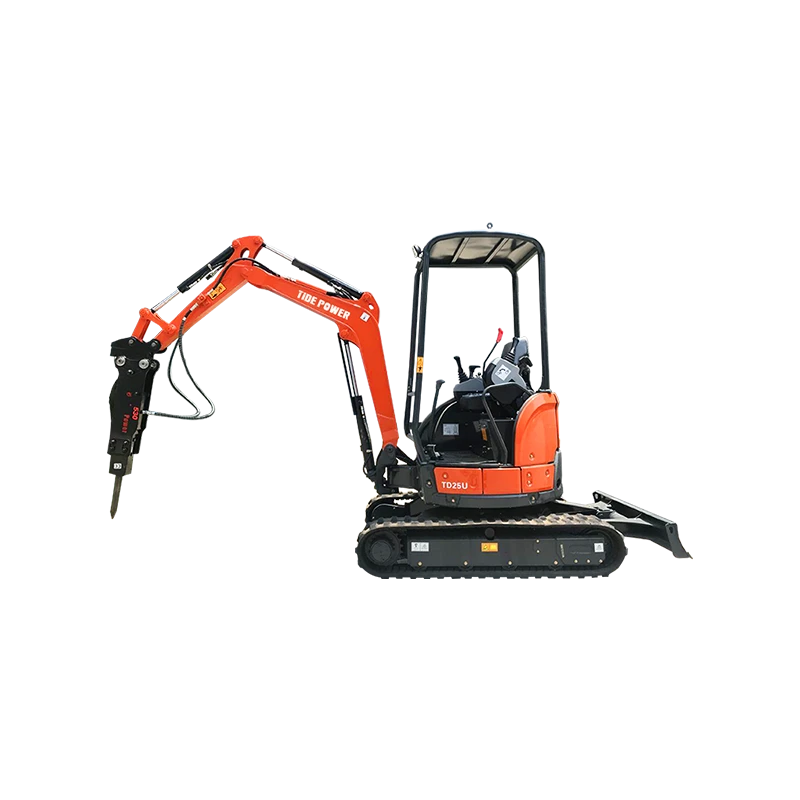
الهيكل السفلي يخبرك بالكثير عن كيفية تفكير الشركة المصنعة في التكلفة طويلة الأجل. تحتاج الجنازير المطاطية إلى أن تكون علامة تجارية معروفة مع الضمان ضد التشقق والتقشر. يجب أن تكون معدلات شد الجنازير المشحمة سهلة الوصول. يجب أن تعمل البكرات والبكرات المنفردة على محامل محكمة الغلق، وليس على بطانات مفتوحة. هذه التفاصيل ليست براقة، لكنها تحدد ما إذا كانت الآلة تقضي موسم الأمطار في العمل أو تنتظر قطع الغيار.
اللحامات هي الإشارة الصادقة الأخرى. غالبًا ما تخفي صور المشي حول هذا الأمر. اطلب صورًا مقربة لاتصال الذراع بالذراع وقاعدة القرص الدوار. تشير عرض اللحام المتسق واللحامات ذات الاختراق الكامل إلى مصنع يقدر السلامة الهيكلية. يشير الشرر أو القطع أو اللحامات غير المنتظمة إلى ورشة عمل حيث السرعة أهم من الجودة.
ما يبدو عليه المصنع الموجه نحو الجودة
المؤشر الأكثر موثوقية لجودة الحفارات الصينية الصغيرة هو كيفية تقديم المورد لقصة التصنيع الخاصة به. الشركة التي تنشر صورًا حقيقية لخطوط التجميع، وتدرج علامات المكونات علنًا، ويمكنها شرح نقاط فحص الجودة الخاصة بها لديها القليل لتخفيه. هذه الشفافية هي ما يجب أن يبحث عنه المشتري، أكثر بكثير من كتيب لامع.
تقوم بعض الشركات المصنعة، مثل Tide Power Technology، بتنظيم تشكيلة الحفارات الصغيرة الخاصة بها لتغطية فئات وزن متعددة بنماذج محددة لمهام مختلفة. الـ TD10 عبر TD40U نطاق يعالج وظائف تنسيق الحدائق الصغيرة وصولاً إلى الحفر متوسط الحجم. الـ T10E نموذج كهربائي يوضح أن الشركة تفكر في المستقبل للتطبيقات الداخلية والحضرية. تحصل كل آلة على مواصفات منشورة مع علامة المحرك التجارية، والتدفق الهيدروليكي، والوزن التشغيلي. والأهم من ذلك، يمكنهم شرح الاختبارات التي تكملها كل وحدة قبل مغادرتها المصنع.
عندما يمكنك رؤية عملية الشركة المصنعة، يمكنك الحكم على جودتها. عندما يختبئ المورد وراء عبارات عامة، فإن احتمالات الحصول على آلة تم بناؤها بعناية تنخفض بشكل كبير.
إذا كان برنامجك يتضمن آلة ستعمل في ظروف رملية أو كاشطة، فمن المفيد تأكيد نوع الجنازير للهيكل السفلي وما إذا كان المورد يمكنه تقديم خيار مقوى. اتصل على [email protected] للحصول على إرشادات المواصفات.
كيفية التحقق من المورد قبل الاستيراد
بمجرد تحديد مورد محتمل، فإن مرحلة التحقق تهم أكثر من أي كتيب. ابدأ بتدقيق المصنع، إما بزيارة شخصية أو بتعيين خدمة فحص طرف ثالث تعرف إنشائي المعدات. يغطي التدقيق السليم محطات اللحام، وبوابات جودة خط التجميع، وحجرة الاختبار حيث تخضع كل آلة لعملية تشغيل محملة، وكيف تتعامل الشركة مع عدم المطابقة.
بعد ذلك، اطلب ملف الإنتاج لطلبك الخاص من الآلات. سيقدم المصنع الذي لديه رقابة جودة حقيقية مجلدًا يحتوي على صور لآلتك في مراحل التجميع الرئيسية، وسجل الرقم التسلسلي للمحرك والمضخة، وتقرير الاختبار النهائي الذي يوضح الضغوط وسرعات الحركة وقراءات درجة الحرارة. إذا كان الرد عبارة عن نسخة ضوئية من قائمة تحقق عامة، فهذا يخبرك بكل ما تحتاج إلى معرفته.
تحمل المراجع من المشترين الآخرين في منطقتك وزنًا، ولكن فقط إذا كانت تتضمن آلات تعمل لمدة عام على الأقل. اسأل عن الساعات الفعلية على الآلة، وما الذي تعطل خلال الموسم الأول، ومدى سرعة استجابة المورد. قد لا يمتلك المورد الذي لا يمكنه تزويدك بتفاصيل الاتصال بعميل لديه آلة تجاوزت 500 ساعة واحدة.
مقارنة التكلفة الحقيقية للملكية
سعر شراء حفار صيني صغير هو مجرد نقطة البداية. تشمل التكلفة الحقيقية توفر قطع الغيار، وفترات الصيانة القياسية، وما يحدث عند فشل شيء ما. آلة تكلف أقل بنسبة 20 بالمائة مقدمًا ولكنها تحتاج إلى أختام مضخة بعد 400 ساعة ستمحو هذا التوفير بسرعة.
يفصل توفر قطع الغيار بين المصنعين الملتزمين والبائعين العاديين. اكتشف مكان مستودع قطع الغيار، ووقت التسليم النموذجي إلى بلدك، وما إذا كانت المكونات الهيدروليكية قياسية بما يكفي بحيث يمكن لورشة خدمة محلية العمل عليها. إذا كان المورد يخزن قطع الغيار الاستهلاكية في مركز توزيع يخدم منطقتك، فإن تجربة الملكية تتغير بشكل كبير.
هيكل الضمان مهم بنفس قدر مدته. تغطي بعض الوثائق عيوب التصنيع فقط وتستبعد المكونات المطاطية. تغطي أخرى الآلة بأكملها لعدد محدد من الساعات. اقرأ التفاصيل الدقيقة واطلب ضمانًا يغطي بشكل خاص المضخة الهيدروليكية ومحركات القيادة النهائية ولحامات الهيكل.
خدمة الدعم هو المتغير النهائي. المورد الذي يستجيب في غضون 24 ساعة بتشخيص فني، بدلاً من طلب المزيد من الصور، يفهم أن وقت التوقف عن العمل يكلف المال. هذه الاستجابة هي مقياس جودة بحد ذاتها.
المضي قدمًا مع مورد موثوق
يمكن أن يوفر شراء حفار صيني صغير من الصين قيمة استثنائية عندما يتم تقييم الجودة بشكل صحيح. المفتاح هو تحويل المحادثة من السعر إلى العملية. لا تسأل عن تكلفة الآلة، بل اسأل عما يحدث في المصنع، وما هي المكونات التي تدخل فيها، وما هو الدعم الذي يقف وراءها. هذا النهج يفصل بين الموردين الذين يبنون الآلات وأولئك الذين يشحنونها فقط.
إذا كنت تقوم حاليًا بتقييم نماذج حفارات صينية صغيرة لأسطولك أو لمشروع معين، فيمكننا مساعدتك في مقارنة المواصفات بظروف التشغيل الفعلية الخاصة بك. شارك متطلبات عمق الحفر لديك، ونوع التربة، وأي احتياجات للمرفقات على [email protected] أو اتصل على +86 591 2806 8999. سيؤكد فريقنا أي التكوينات تتطابق مع برنامجك ويزودك ببيانات اختبار موثقة حتى تتمكن من اتخاذ قرار بناءً على الحقائق، وليس الوعود.
أسئلة شائعة حول الحفارات الصينية الصغيرة
هل تستخدم الحفارات الصينية الصغيرة نفس المحركات مثل العلامات التجارية اليابانية؟
تستخدم بعض الطرازات محركات من مصنعين يابانيين أو أوروبيين معروفين، بينما تستخدم طرازات أخرى محركات صينية محلية أثبتت موثوقيتها في السوق المحلية. السؤال الأكثر أهمية هو ما إذا كان المصنع ينشر طراز المحرك الدقيق. إذا لم يتمكن المورد من إخبارك بالمحرك الموجود داخل الآلة، فإن جودة بقية الآلة غير واضحة بنفس القدر.
ما هي نقطة الفشل الأكثر شيوعًا في هذه الآلات؟
تميل الخراطيم والتجهيزات الهيدروليكية إلى الفشل أولاً إذا استخدم المصنع مكونات غير مسجلة. بعد ذلك، تتآكل أجزاء الهيكل السفلي في الآلات التي تعمل في الطين أو الصخور بشكل أسرع عندما تستخدم البكرات والعجلات المسننة محامل دون المستوى. الآلات التي تجتاز اختبارًا محملًا قبل الشحن وتستخدم مكونات هيدروليكية تحمل علامات تجارية نادرةًا ما تعاني من فشل مبكر في المضخة أو الصمامات.
كم من الوقت يمكن أن تدوم حفارة صينية صغيرة جيدة البناء؟
مع الصيانة المناسبة والتشغيل ضمن سعته التصنيفية، يمكن لآلة من مورد عالي الجودة أن تعمل من 5000 إلى 8000 ساعة قبل إجراء عمليات صيانة كبرى. ويفترض ذلك تغييرات منتظمة للزيت، وتزييت الدبابيس والوسادات يوميًا، واستبدال مكونات المسار التالفة بسرعة. الفرق بين آلة تعمل لمدة 3000 ساعة وآلة تعمل لمدة 8000 ساعة يعود غالبًا إلى انضباط الجودة في المصنع وعادات الصيانة لدى المالك.
هل تتوفر قطع غيار بسهولة للرافعات الصغيرة الصينية في مصر؟
توافر القطع يعتمد تمامًا على المورد. الشركات المصنعة التي تمتلك مراكز توزيع إقليمية أو مخزونًا قويًا من المخزون المسبق يمكنها توصيل القطع خلال أيام. المصانع الصغيرة التي لا تعتمد على اللوجستيات الخارجية تعتمد على الشحن عبر البريد السريع من الصين، مما يضيف أسابيع. قبل الطلب، اطلب مدة توفر قطع الغيار النموذجية لبلدك للأجزاء الشائعة مثل نوابض شد المسار ودبابيس الدلو.
ما الضمان الذي يجب أن أتوقعه على الرافعة الصغيرة الصينية؟
ضمان لمدة سنة واحدة أو 1000 ساعة هو الشائع للآلة الكاملة، مع تغطية المحرك بشكل منفصل بواسطة ضمان شركة المحرك. بعض الموردين يمددون التغطية الهيكلية على الذراع والإطار لمدة عامين. الضمان يعتمد فقط على رغبة المورد وقدرته على الالتزام به. اطلب وثيقة ضمان مكتوبة، وتحقق مما يتم استثناؤه، واطلب تفاصيل الاتصال بمشتري في منطقتك الذي استخدم عملية الضمان. شارك متطلباتك على [email protected] وسنؤكد تغطية الضمان الخاصة بتكوين جهازك.
إذا كنت مهتمًا، اطلع على هذه المقالات ذات الصلة:
تسطع طاقة المد والجزر في WETEX 2025 دبي، وتلفت الانتباه الكبير من خلال حلول التخزين الهجينة الذكية والتصريف الفعّال للندى
طاقة المد والجزر في إكسكون 2024: نجاح ساحق
الجيل القادم من صندوق المولدات عالية القدرة من Tide Power
مشروع توليد الكهرباء من الغاز الطبيعي في منجم عالي الارتفاع
كيف تعمل مضخات السحب الذاتي ولماذا تتصدر سلسلة Z من تيد باور الصناعة