 ES
ES EN
EN ZH
ZH FR
FR AR
ARCuando los compradores buscan la calidad de mini excavadoras chinas, a menudo encuentran infinitas hojas de especificaciones y comparaciones de precios. Sin embargo, la verdadera diferencia entre una máquina que dura tres años y otra que funciona de manera confiable durante una década se reduce a lo que sucede dentro de la fábrica: el sistema de control de calidad, las decisiones sobre el abastecimiento de componentes y qué tan transparente es el proveedor sobre sus procesos. Este artículo va más allá de la hoja de especificaciones para mostrar qué deben evaluar los contratistas serios y los equipos de compras al seleccionar una mini excavadora de China.
Por qué la calidad de las mini excavadoras chinas varía ampliamente
El mercado de equipos compactos en China incluye cientos de fabricantes. Algunos operan según estándares internacionales, mientras que otros compiten solo por precio. Esa diferencia se refleja claramente en la calidad de la máquina terminada. Dos mini excavadoras con la misma potencia y profundidad de excavación en un folleto pueden diferir drásticamente en cómo soportan el uso después de las primeras mil horas.
La variación generalmente comienza con el sistema hidráulico. Una máquina construida con un conjunto de bomba y válvula bien conocido ofrecerá tiempos de ciclo consistentes y se mantendrá fresca bajo carga. Una unidad más económica con hidráulicos sin marca puede funcionar adecuadamente en la entrega, pero las juntas y los juegos internos se deterioran más rápido. El mismo patrón se aplica a las orugas, los accionamientos finales y las soldaduras estructurales en el mástil y el brazo.
La diferencia no se trata del país de origen. Se trata de si el fabricante invierte en el control de procesos. Las fábricas que mantienen la certificación ISO 9001, documentan los valores de torsión en los sujetadores críticos y prueban cada máquina en un ciclo de prueba con carga antes del envío producen excavadoras que superan consistentemente a las alternativas enfocadas en el precio.
Indicadores clave de calidad que van más allá de las hojas de especificaciones
Hay algunos elementos específicos que separan una máquina seria de una construcción de bajo presupuesto. El motor es el punto de partida obvio. Los fabricantes chinos de buena reputación utilizan motores de marcas globales o nacionales establecidas y publican el número de modelo exacto. Si un proveedor solo indica la potencia sin mencionar la marca del motor, eso debería generar una duda.
El caudal hidráulico importa tanto como la presión, sin embargo, muchas hojas de datos lo omiten. Una máquina que afirma tener una fuerza de excavación alta pero no puede mantener el flujo en el circuito auxiliar tendrá dificultades con un pulgar o un auger. Busca números de flujo publicados y el fabricante de la bomba. Las bombas de engranajes de un proveedor conocido son una señal positiva.
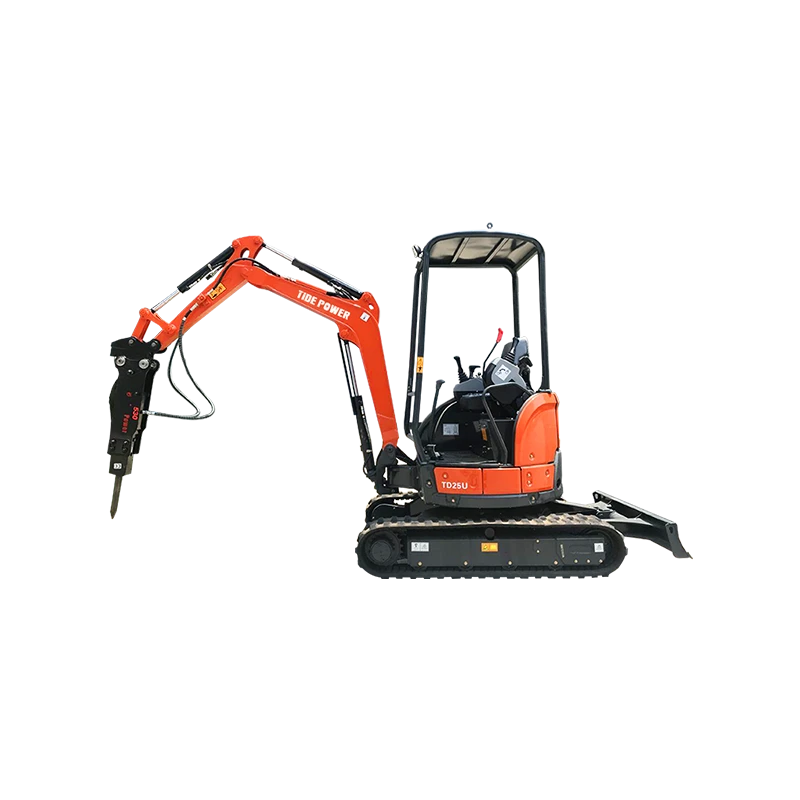
La subestructura te dice mucho sobre cómo piensa el fabricante en cuanto a costos a largo plazo. Las orugas de goma deben ser de una marca reconocida con una garantía resistencia a las grietas y la delaminación. Los ajustadores de orugas con tensión de grasa deben ser fácilmente accesibles. Los rodillos y las poleas deben funcionar con rodamientos sellados, no con bujes abiertos. Estos detalles no son glamorosos, pero determinan si la máquina pasa la temporada húmeda trabajando o esperando piezas.
Las soldaduras son otra señal honesta. Las fotos de recorrido suelen ocultarlo. Pide fotos en primer plano de la conexión entre el mástil y el brazo y de la base del plato giratorio. Un cordón de soldadura de ancho consistente y soldaduras con penetración completa indican una fábrica que valora la integridad estructural. Las salpicaduras, los cortes o los cordones irregulares sugieren un taller donde la velocidad importa más que la calidad.
Cómo es un fabricante orientado a la calidad
El indicador más confiable de la calidad de una mini excavadora china es cómo el proveedor presenta su propia historia de fabricación. Una empresa que publica fotos reales de la línea de ensamblaje, lista las marcas de los componentes abiertamente y puede explicar sus puntos de control de calidad tiene muy poco que ocultar. Esa transparencia es lo que un comprador debe buscar, mucho más que un folleto llamativo.
Algunos fabricantes, como Tide Power Technology, estructuran su línea de mini excavadoras para cubrir varias clases de peso con modelos específicos para diferentes tareas. La TD10 a través de TD40U gama aborda trabajos de jardinería pequeños hasta excavaciones de tamaño medio. El modelo T10E eléctrico muestra que la empresa piensa en aplicaciones interiores y urbanas. Cada máquina publica especificaciones con marca de motor, caudal hidráulico y peso operativo. Más importante aún, pueden explicar qué pruebas realiza cada unidad antes de salir de la fábrica.
Cuando puedes ver el proceso de un fabricante, puedes juzgar su calidad. Cuando un proveedor se oculta tras declaraciones generales, las probabilidades de obtener una máquina construida con cuidado disminuyen significativamente.
Si su programa implica una máquina que operará en condiciones arenosas o abrasivas, vale la pena confirmar el tipo de pista del chasis y si el proveedor puede ofrecer una opción reforzada. Contacte en [email protected] para orientación sobre especificaciones.
Cómo Verificar un Proveedor Antes de Importar
Una vez que haya identificado un proveedor potencial, la etapa de verificación importa más que cualquier folleto. Comience con una auditoría en fábrica, ya sea visitando en persona o contratando un servicio de inspección de terceros que conozca para la construcción el equipo. Una auditoría adecuada cubre las estaciones de soldadura, las puertas de control de calidad en la línea de montaje, el área de pruebas donde cada máquina pasa por una operación cargada, y cómo la empresa maneja las no conformidades.
Luego, solicite el archivo de producción para su pedido específico de máquina. Un fabricante con un control de calidad genuino proporcionará una carpeta con fotos de su máquina en etapas clave de ensamblaje, el registro de números de serie del motor y la bomba, y el informe final de pruebas que muestra presiones, velocidades de desplazamiento y lecturas de temperatura. Si la respuesta es una fotocopia de una lista de verificación genérica, eso le dice todo lo que necesita saber.
Las referencias de otros compradores en su región tienen peso, pero solo si involucran máquinas que han estado en funcionamiento durante al menos un año. Pregunte sobre las horas reales de uso de la máquina, qué se rompió durante la primera temporada y qué tan rápido respondió el proveedor. Un proveedor que no puede darle datos de contacto de un cliente con una máquina con más de 500 horas puede no tener uno.
Comparando el Costo Real de Propiedad
El precio de compra de una mini excavadora china es solo el punto de entrada. El costo real incluye la disponibilidad de piezas, los intervalos de mantenimiento estándar y qué sucede cuando algo falla. Una máquina que cuesta un 20 por ciento menos inicialmente pero necesita sellos de bomba después de 400 horas borrará rápidamente ese ahorro.
La disponibilidad de piezas separa a los fabricantes comprometidos de los que solo venden cajas. Descubra dónde se encuentra el almacén de piezas, el tiempo típico de entrega a su país y si los componentes hidráulicos son lo suficientemente estándar para que un taller local pueda repararlos. Si el proveedor tiene en stock piezas de desgaste y consumibles en un centro de distribución que sirve a su región, la experiencia de propiedad cambia drásticamente.
La estructura de la garantía importa tanto como la duración. Algunos documentos cubren solo defectos de fabricación y excluyen componentes de goma. Otros cubren toda la máquina por un número establecido de horas. Lea la letra pequeña y solicite una garantía que cubra específicamente la bomba hidráulica, los motores de transmisión final y las soldaduras estructurales.
Servicio apoyo es la variable final. Un proveedor que responde en 24 horas con un diagnóstico técnico, en lugar de solicitar más fotos, entiende que el tiempo de inactividad cuesta dinero. Esa capacidad de respuesta es una métrica de calidad por sí misma.
Avanzando con un Proveedor Confiable
Comprar una mini excavadora de China puede ofrecer un valor excepcional cuando la evaluación de calidad se realiza correctamente. La clave es cambiar la conversación del precio al proceso. No pregunte cuánto cuesta la máquina, pregunte qué sucede en la fábrica, qué componentes lleva y qué soporte la respalda. Ese enfoque separa a los proveedores que construyen máquinas de los que solo las envían.
Si actualmente está evaluando modelos de mini excavadoras chinas para su flota o un proyecto específico, podemos ayudarle a comparar las especificaciones con sus condiciones operativas reales. Comparta sus requisitos de profundidad de excavación, tipo de suelo y cualquier necesidad de accesorios en [email protected] o llame al +86 591 2806 8999. Nuestro equipo confirmará qué configuraciones coinciden con su programa y proporcionará datos de prueba documentados para que pueda tomar una decisión basada en hechos, no en promesas.
Preguntas Comunes Sobre Mini Excavadoras Chinas
¿Utilizan las mini excavadoras chinas los mismos motores que las marcas japonesas?
Algunos modelos usan motores de fabricantes japoneses o europeos bien conocidos, mientras que otros usan motores chinos domésticos que han demostrado ser confiables en el mercado local. La pregunta más importante es si el fabricante publica el modelo exacto del motor. Si un proveedor no puede decirle qué motor lleva la máquina, la calidad del resto de la máquina es igualmente incierta.
¿Cuál es el punto de fallo más común en estas máquinas?
Las mangueras y conexiones hidráulicas tienden a fallar primero si el fabricante utiliza componentes sin marca. Después, las piezas del chasis en máquinas que trabajan en barro o roca se desgastan más rápido cuando los rodillos y tensores usan rodamientos de menor calidad. Las máquinas que pasan una prueba cargada antes del envío y usan componentes hidráulicos de marca rara vez sufren fallos tempranos en la bomba o las válvulas.
¿Cuánto tiempo puede durar una mini excavadora china bien construida?
Con un mantenimiento adecuado y operación dentro de su capacidad nominal, una máquina de un proveedor de calidad puede funcionar entre 5,000 y 8,000 horas antes de realizar revisiones mayores. Eso asume cambios de aceite regulares, engrasar los pasadores y bujes diariamente, y reemplazar rápidamente los componentes desgastados de la banda. La diferencia entre una máquina de 3,000 horas y una de 8,000 horas casi siempre se atribuye a la disciplina de calidad de la fábrica y a los hábitos de mantenimiento del propietario.
¿Son fácilmente disponibles las piezas para mini excavadoras chinas en Europa y en todo el mundo?
La disponibilidad de piezas depende completamente del proveedor. Los fabricantes con centros de distribución regional o inventarios con stock avanzado pueden entregar piezas en cuestión de días. Las fábricas más pequeñas sin logística internacional dependen del envío por mensajería desde China, lo que añade semanas. Antes de realizar un pedido, solicite un tiempo estimado de entrega de piezas para su país para artículos de desgaste comunes como resortes de tensión de la banda y pasadores de cuchara.
¿Qué garantía debo esperar en una mini excavadora china?
Una garantía de un año o 1,000 horas es común para la máquina completa, con el motor cubierto por separado por la garantía del fabricante del motor. Algunos proveedores amplían la cobertura estructural en el brazo y el marco por dos años. La garantía solo es tan buena como la disposición y capacidad del proveedor para cumplirla. Solicite un documento de garantía por escrito, confirme qué está excluido y pida los datos de contacto de un comprador en su región que haya utilizado el proceso de garantía. Comparta sus requisitos en [email protected] y confirmaremos la cobertura de garantía específica para la configuración de su máquina.
Si estás interesado, consulta estos artículos relacionados:
Tide Power brilla en WETEX 2025 Dubái, atrayendo gran atención con soluciones inteligentes de almacenamiento híbrido y deshidratación eficiente
Energía Tide en EXCON 2024: un éxito rotundo
?Próxima generación de cajas de generadores de alta potencia de Tide Power
Proyecto de generación de energía con gas natural en minas de alta altitud
Cómo funcionan las bombas autocebantes y por qué la serie Z de Tide Power lidera la industria