
 ES
ES EN
EN ZH
ZH FR
FR AR
ARSeleccionar un generador diésel industrial no es simplemente una comparación de potencias en kilovatios. En la adquisición global, las características que determinan la fiabilidad a largo plazo y el coste total de propiedad a menudo pasan desapercibidas hasta que una unidad falla bajo carga. Por nuestra experiencia apoyoen proyectos energéticos en múltiples continentes, las características más críticas son aquellas que adaptan el generador al entorno real del sitio, cumplen con las regulaciones locales y están respaldadas por una cadena de suministro receptiva. Esta guía examina las características clave a evaluar al adquirir generadores diésel industriales, con un enfoque práctico en lo que importa después de la orden de compra.
Adaptación de la potencia de salida a sus necesidades operativas
Antes de examinería componentes en detalle, el primer paso es definir con precisión el perfil de carga eléctrica. Los sitios industriales rara vez operan con un consumo constante, y un generador dimensionado solo para el consumo pico quemará combustible innecesariamente durante las horas de menor consumo, mientras que una unidad dimensionada demasiado pequeña se disparará bajo las corrientes de arranque. La decisión entre energía principal (operación continua como fuente principal) y respaldo de emergencia cambia todo el criterio de selección, desde el ciclo de trabajo del motor hasta los requisitos de almacenamiento de combustible.
Un enfoque práctico es enumerar todas las cargas conectadas, las secuencias de arranque de motores y cualquier plan de expansión futura. Luego, evalúe la capacidad de aceptación de carga del generador, particularmente para aplicaciones con motores grandes como cintas transportadoras mineras o bombas de agua. Un generador con un regulador automático de voltaje (AVR) robusto y un sobredimensionamiento adecuado del alternador manejará las cargas transitorias sin caídas de voltaje.
| Aplicación | Rango de potencia típico | Característica Prioritaria |
|---|---|---|
| Centro de datos / hospital | 500 kW – 2 MW | Respuesta transitoria rápida, redundancia |
| Operación minera | 1 MW – 3 MW | Protección contra polvo, alta clasificación ambiental |
| Construcción sitio | 50 kW – 500 kW | Portabilidad, eficiencia de combustible |
| Telecomunicaciones / estación remota | 10 kW – 100 kW | Bajo consumo de combustible, monitorización remota |
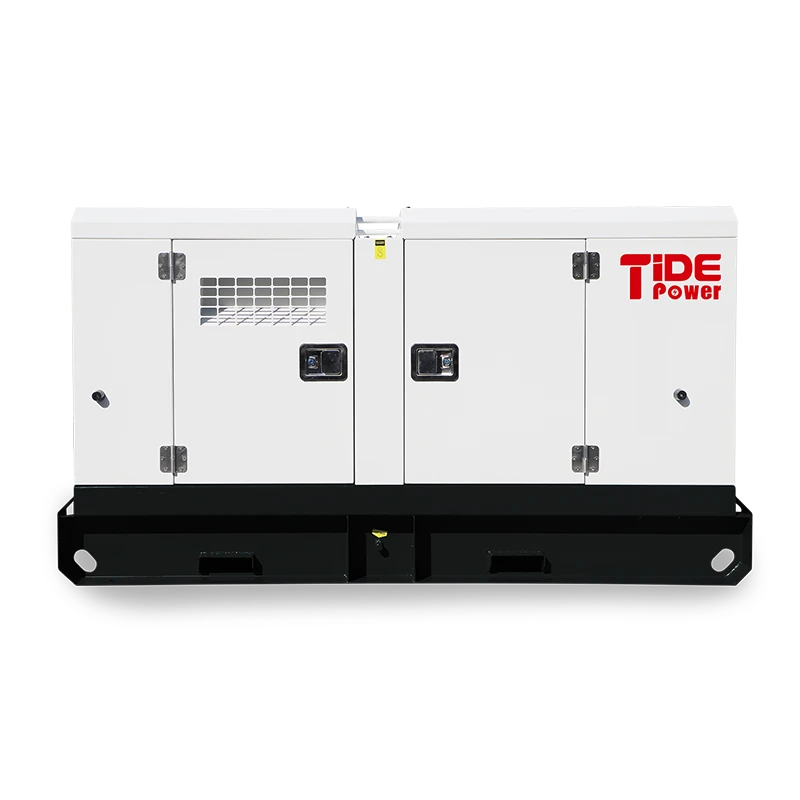
Los fabricantes estructuran sus familias de productos en torno a estos segmentos de aplicación. Por ejemplo, la línea Fenova Plu de Tide Powerserie s de 5 kVA a 900 kVA, diseñado para uso continuo en agricultura y telecomunicaciones, mientras que Econic alcanzan hasta 1650 kVA para sitios industriales pesados. Coincidir la arquitectura del generador con el perfil de carga evita inversiones excesivas y mantiene la flexibilidad operativa.
Motor y Alternador: El Corazón del Rendimiento del Generador
La marca del motor y la combinación con el alternador definen la vida útil del generador, la economía de combustible y la disponibilidad de piezas. En la adquisición, una decisión importante es si estandarizar en una sola familia de motores en toda la flota para simplificar el mantenimiento o seleccionar el mejor rendimiento para cada sitio.
Fabricantes de motores como Cummins, Perkins, Lister Petter y MTU han establecido redes de servicio globales, y la elección a menudo se reduce al soporte local. Un motor de una marca reconocida con un distribuidor local.
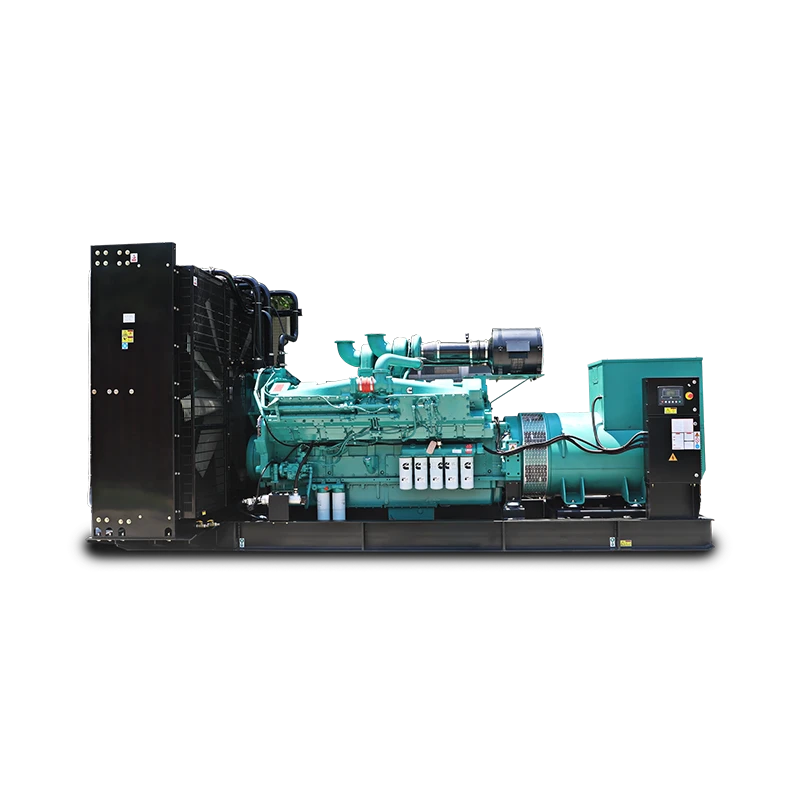
reducirá el tiempo medio de reparación. El alternador es igualmente importante. Marcas como Leroy Somer y Stamford son ampliamente utilizadas por su estabilidad de voltaje y diseño sin escobillas, y la clase de aislamiento del alternador y la clasificación de aumento de temperatura afectan directamente la fiabilidad en ambientes calurosos. garantía Desde el punto de vista de la adquisición, verificar que el fabricante del conjunto generador sea un socio OEM autorizado para la marca del motor añade una capa de garantía de calidad. Significa que el motor se suministra a través de canales oficiales, el ensamblaje final sigue las directrices del fabricante del motor y.
las reclamaciones se gestionan sin disputas. En nuestro trabajo con clientes internacionales, hemos visto proyectos donde un integrador no autorizado y más barato llevó a anulaciones de garantía que costaron mucho más que el ahorro inicial.
Más allá de la marca, examine el tipo de regulador (electrónico, que es estándar hoy en día para un control preciso de frecuencia) y la especificación del AVR. Para cargas de electrónica sensible, busque un alternador con capacidad de cortocircuito que soporte la coordinación con dispositivos de protección aguas abajo.
Diseño de la Carcasa y Durabilidad Específica del Sitio.
La carcasa física a menudo se trata como una consideración secundaria, pero en la práctica determina qué tan bien sobrevive el generador al entorno de instalación y cumple con las regulaciones locales de ruido y seguridad.
Una cubierta insonorizada con clasificación para uso exterior debe hacer más que reducir el ruido. El grosor del material de la carcasa (una carcasa de acero de 2 mm es común en unidades de gama media), la calidad del aislamiento acústico y el diseño de ventilación afectan tanto el rendimiento térmico como la resistencia a la corrosión a largo plazo. Los generadores instalados cerca de zonas residenciales o en sótanos urbanos necesitan un nivel de ruido verificado, típicamente por debajo de 75 dBA a 7 metros para un conjunto silencioso. Busque un informe de prueba estándar, no una afirmación del catálogo.
 Los generadores en contenedor, construidos en contenedores de envío ISO, ofrecen un conjunto diferente de características: tanques de combustible integrados, entradas de cables resistentes a la intemperie y transporte más fácil. Los generadores de tipo abierto se instalan típicamente dentro de una sala de máquinas dedicada y cuestan menos inicialmente, pero requieren sistemas de ventilación y escape separados. La decisión entre abierto y cerrado debe basarse en la infraestructura real del sitio, no solo en el precio.
Los detalles específicos del sitio son importantes. Un generador destinado a un sitio minero costero en África Occidental enfrenta salpicaduras de sal y alta humedad, por lo que una cubierta con una especificación de pintura adecuada (C5-M grado marino) y carcasas eléctricas selladas durarán años más que un acabado estándar. Una unidad para un centro de datos en Oriente Medio debe soportar carga completa a 50°C de temperatura ambiente sin reducir su rendimiento. Estas son características que aparecen en la hoja de especificaciones detalladas, no en un titular de folleto de producto.
Cumplimiento, Eficiencia y Sistemas de Control Inteligentes.
La adquisición internacional añade una capa de requisitos regulatorios que afectan directamente el conjunto de características del generador. La marca CE, el cumplimiento de la ISO 8528 para conjuntos generadores y, a veces, las normas locales como AS1940 para almacenamiento de combustible, determinan si un generador puede ser instalado y asegurado legalmente.
El sistema de control es la interfaz entre el generador y el sitio. Un controlador digital moderno, como los de Deep Sea o ComAp, proporciona monitoreo remoto a través de Ethernet o redes celulares, lógica de arranque/parada automática y seguimiento del nivel de combustible. Para aplicaciones críticas, un controlador que soporte operación en paralelo de múltiples unidades permite ampliar la capacidad sin reemplazar los activos existentes.
Las funciones de eficiencia de combustible incluyen regulación electrónica que ajusta la inyección de combustible según la carga en tiempo real, y funciones de autoidle que reducen la velocidad durante períodos de baja carga. Estas no siempre están incluidas en las configuraciones básicas, por lo que la especificación de adquisición debe listarlas explícitamente si el costo operativo es una prioridad.
Si su proyecto implica una instalación remota con acceso limitado, vale la pena confirmar la compatibilidad con monitoreo remoto y la logística de piezas de repuesto antes de finalizar la especificación del generador. Contáctanos a [email protected] para revisar la conectividad y los requisitos de soporte de su sitio.
Más allá de la hoja de especificaciones: soporte postventa y logística global
La combinación más confiable de motor y alternador se convierte en una responsabilidad sin una estructura de soporte detrás. En la adquisición global, las funciones postventa son tan importantes como las especificaciones del motor, aunque rara vez aparecen en una hoja de comparación.
Los términos de garantía varían ampliamente entre fabricantes. Una garantía estándar de 12 meses puede cubrir solo los componentes principales, mientras que una garantía integral de 24 meses con cobertura extendida en el alternador y el sistema de control indica la confianza del fabricante. Las opciones de contrato de servicio, incluyendo visitas de mantenimiento programadas y diagnósticos remotos, reducen la carga operativa en los equipos del sitio.
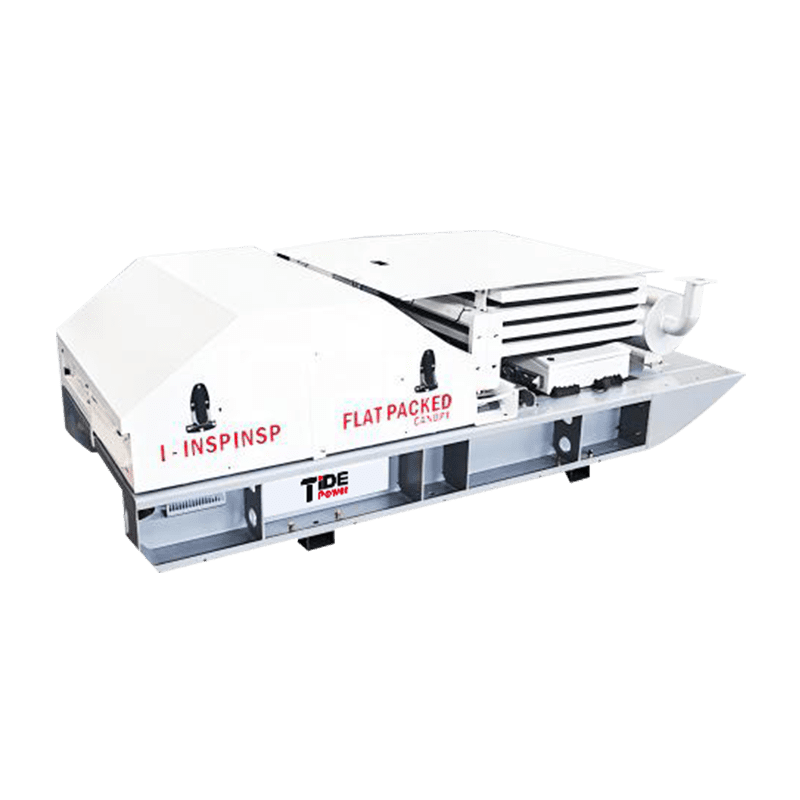
La disponibilidad de piezas de repuesto es la causa más común de prolongadas interrupciones en proyectos internacionales. Un conjunto generador construido con piezas de motor disponibles globalmente tendrá una cadena de suministro más corta que uno que utilice una marca regional de nicho. Los diseños modulares de envolventes, como plataformas CKD (completamente desmontadas), permiten almacenar piezas de repuesto en kits compactos y ensamblarlas en el sitio, lo cual es especialmente útil para proyectos en África o Sudeste Asiático donde las entregas completas en contenedor son costosas.
En nuestra experiencia, los gerentes de adquisición que involucran al equipo de postventa durante la fase de selección, en lugar de después de la entrega, logran consistentemente mayor tiempo de actividad en los primeros dos años de operación. La característica a buscar aquí no es un número de pieza, sino la capacidad demostrada del proveedor para responder en diferentes zonas horarias, con soporte en el idioma local y con un proceso de escalamiento documentado.
Cuando esté listo para evaluar configuraciones específicas de generadores, comparta su perfil de carga, condiciones del sitio y cronograma de despliegue en [email protected] o llame al +86 591 2806 8999. Trabajaremos con usted en las prioridades de características, desde la selección del motor hasta el plan de servicio postventa adaptado a su región de instalación.
Preguntas que hacen los equipos de adquisición sobre las funciones de generadores industriales
¿Necesito un generador silencioso o de tipo abierto?
Un conjunto generador silencioso tiene una cubierta insonorizada que reduce el ruido típicamente a 65–75 dBA a 7 metros, lo que lo hace adecuado para hospitales urbanos, respaldo residencial o sitios con ordenanzas de ruido. Un generador de tipo abierto se instala dentro de una sala de máquinas dedicada, lo cual cuesta menos inicialmente pero requiere ventilación separada, conductos de escape y paredes resistentes al fuego. Si ya tiene una sala de máquinas con flujo de aire adecuado, un conjunto abierto ahorra capital. Si está configurando un sitio temporal o carece de infraestructura de edificio, una unidad silenciosa o en contenedor se entrega como un paquete autosuficiente. La característica a comparar es el costo total instalado, no solo el precio del generador.
¿Qué es más importante: la marca del motor o la marca del alternador?
Ambos son críticos, pero por diferentes razones. El motor determina el consumo de combustible, los intervalos de servicio y la disponibilidad de piezas. El alternador afecta la estabilidad de voltaje, la capacidad de arranque del motor y la fiabilidad eléctrica a largo plazo. Para un generador de respaldo que funciona solo durante cortes, el rendimiento del alternador importa porque la unidad debe proporcionar energía limpia de inmediato. Para una unidad de potencia principal que funciona continuamente, la durabilidad del motor y la eficiencia del combustible tienen prioridad. En la adquisición, busque una combinación emparejada donde tanto el motor como el alternador sean de fabricantes reconocidos con soporte de servicio local en lugar de centrarse en un solo componente de forma aislada.
¿Cómo puedo asegurarme de que las piezas de repuesto estarán disponibles en un lugar remoto?
La disponibilidad de piezas de repuesto depende de la red de distribución del fabricante y de la familia de motores seleccionada. Los motores de marcas con redes de distribuidores globales establecidas—Cummins, Perkins, Lister Petter—ofrecen tiempos de entrega más cortos para filtros, correas e inyectores en la mayoría de las regiones. Además, solicite una lista recomendada de piezas de repuesto para los primeros dos años de operación y verifique los tiempos de entrega para componentes críticos como el controlador y el AVR. Algunos proveedores ofrecen acuerdos de stock en consignación donde las piezas se preposicionan en el sitio. En despliegues remotos en minas o islas, este enfoque evita los tiempos de entrega de 8 a 12 semanas que ocurren cuando las piezas se piden de forma reactiva. Comparta los detalles de su sitio y podemos confirmar la cobertura de piezas y los tiempos de entrega para su región.
¿Qué certificaciones debe tener un generador industrial?
Como mínimo, el conjunto generador debe estar marcado con CE y construido según la norma ISO 8528 (la norma internacional para conjuntos generadores accionados por motores de combustión interna reciprocantes). Para regiones con regulaciones locales, pueden ser necesarias certificaciones adicionales como AS1940 (almacenamiento de combustible en Australia) o listado UL (Norteamérica). El panel de control debe cumplir con la directiva EMC correspondiente. Si el generador se despliega en un hospital o centro de datos, el fabricante debe proporcionar un informe de pruebas que confirme el rendimiento en carga escalonada y la regulación de voltaje bajo condiciones del sitio. Los equipos de adquisición deben solicitar los certificados reales durante la fase de licitación, no aceptar una declaración vaga de “cumple con las normas internacionales”.
¿Qué paquete de garantía debo esperar para un generador industrial?
La garantía estándar para un generador diésel industrial suele ser de 12 meses o 1.000 horas de funcionamiento, lo que ocurra primero, cubriendo componentes principales como el bloque del motor, el alternador y el sistema de control. Los paquetes de nivel superior amplían esto a 24 meses e incluyen cobertura para accesorios como el sistema de enfriamiento del radiador, la bomba de transferencia de combustible y la carcasa insonorizada. La característica crítica a examinar es cómo se procesan las reclamaciones de garantía a nivel internacional. Un fabricante con socios de servicio autorizados en su región puede enviar un técnico y enviar piezas bajo garantía sin requerir que devuelva el componente. Siempre confirme que los términos de la garantía cubren explícitamente el país de instalación antes de firmar el contrato de adquisición.
Si estás interesado, consulta estos artículos relacionados:
Un éxito rotundo en la Cena de Gala Anual Tide Power 2024
“La Conferencia Global de Ventas 2022 de Tide Power titulada ”Impulsando las ventas en la tendencia cambiante” se realizó con éxito