 AR
AR EN
EN ZH
ZH FR
FR ES
ESعند اختيار مضخة تجفيف المياه، غالبًا ما يتجاوز المقارنة بين الديزل والكهرباء التكاليف البسيطة للوقود مقابل الكهرباء—خصوصًا في المناطق النائية إنشائي or التعدين المواقع التي تكون فيها شبكة الكهرباء غير موثوقة. في عملنا مع بنية الطاقة العالمية، رأينا كيف يمكن لمضخة تعمل بالديزل أن تكون العامل الحاسم لاستمرارية العمليات عندما تتطلب مضخة كهربائية مولدًا منفصلًا وتخزين وقود مكلف. تستعرض هذه المقالة الصورة التشغيلية الكاملة، من تكاليف الملكية الإجمالية إلى جاهزية الموقع، بحيث يمكنك اختيار المواصفات التي تتوافق مع واقع مشروعك.
متى يتفوق مضخة تصريف الديزل على النموذج الكهربائي؟
يصبح مضخة تصريف الديزل الخيار الواضح في المواقع التي لا تتوفر فيها إمدادات كهربائية مستقرة. على عكس المضخات الكهربائية التي تتطلب مصدر طاقة قريب أو مولد بسعة مطابقة، فإن الوحدة التي تعمل بالديزل مستقلة بذاتها: املأ الخزان، شغل المحرك، ويبدأ الضخ. هذه الاستقلالية مهمة جدًا في التعدين، والسيطرة على الفيضانات، والبناء على نطاق واسع حيث يكون الوصول إلى الشبكة غير مستمر.
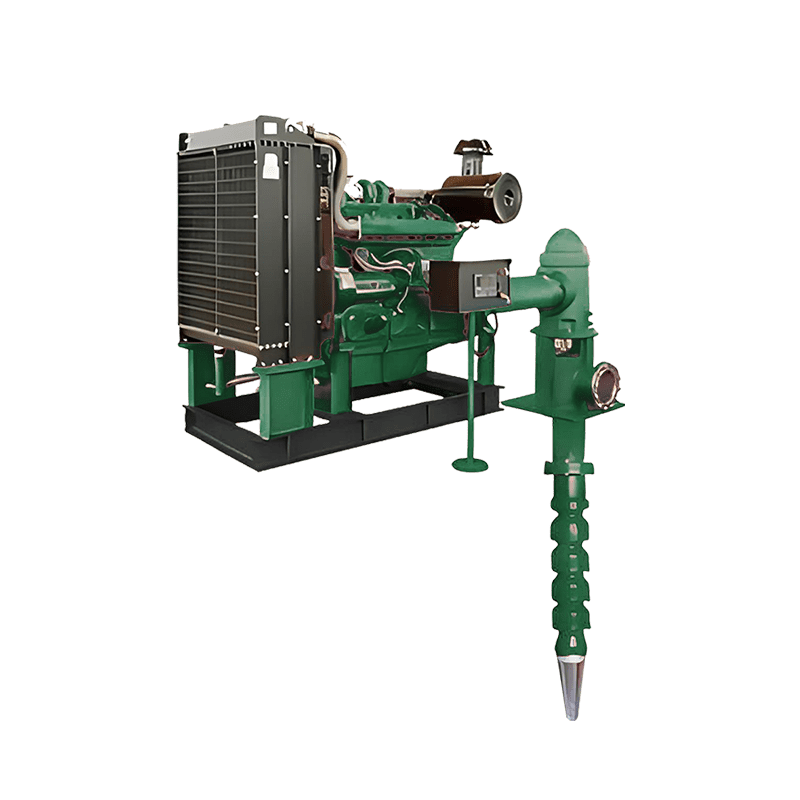
الميزة التقنية تمتد أيضًا إلى أداء المضخة. المضخات التي تعمل بمحرك ديزل، مثل مضخات تايد باور سلسلة C, تم تصميمها لمعدلات تدفق عالية وارتفاعات مع الحفاظ على قدرة التهوية الذاتية السريعة. في عملياتنا العالمية، لاحظنا أن نماذج الديزل تتحمل الحمل الكامل لساعات طويلة دون ارتفاع درجة الحرارة، ويؤكد ذلك تصاميم المحركات الثقيلة التي تعطي أولوية لإدارة الحرارة. بالنسبة لفريق الشراء، هذا يعني تقليل الانقطاعات وإنتاجية متوقعة.
ما هي الفروق الحقيقية في تكاليف التشغيل لمضخات التجفيف؟
مقارنات التكاليف غالبًا ما تبسط الديزل على أنه مكلف والكهربائي على أنه رخيص، لكن ذلك يتجاهل التكلفة الإجمالية للنظام. عند تقييم مضخة إزالة المياه، يجب أن تشمل ليس فقط الوقود أو الكهرباء ولكن أيضًا المعدات المساعدة، وعمليات الصيانة، واحتمالية توقف العمل.
يساعد الجدول في توضيح العوامل الرئيسية التي تؤثر على التكاليف:
| عامل التكلفة | مضخة تصريف الديزل | مضخة تجفيف كهربائية |
|---|---|---|
| مصدر الطاقة | وقود الديزل (استهلاكه يعتمد على الحمولة) | تكلفة الكهرباء الشبكية (لكل كيلوواط ساعة) |
| معدات إضافية | خزان تخزين الوقود، نقل الوقود | مولد في حال عدم توفر الشبكة، كابلات الطاقة |
| الصيانة الدورية | تغييرات الزيت والفلتر كل 250-500 ساعة | حد أدنى (شحم التحمل، فحص الختم) |
| إصلاح إمكانية الوصول | فنيو المحركات متوفرون على نطاق واسع عالميًا | يتطلب إصلاح المحركات الكهربائية متخصصًا |
| تقلب تكاليف الوقود | خاضع لتقلبات أسعار الديزل | تعريفات كهرباء مستقرة (ما لم يكن مولدًا) |
في المناطق التي تتمتع فيها طاقة الشبكة الكهربائية رخيصة، تفوز المضخة الكهربائية من حيث تكاليف التشغيل. ومع ذلك، إذا كنت تدير بالفعل أسطولًا من المعدات التي تعمل بالديزل، فإن لوجستيات الوقود مشتركة. العديد من مواقع المشاريع التي نعمل بها الدعم في أفريقيا وجنوب شرق آسيا تجد أن التكلفة الإجمالية للملكية لمضخات الديزل تتماشى بشكل إيجابي عند احتساب وقود المولد ورأس المال في الخيار الكهربائي.
كيف تقارن سهولة الحركة والصيانة في موقع العمل؟
سهولة الحركة هي عامل تمييز آخر. عادةً ما تُركب مضخة نزح المياه التي تعمل بالديزل على إطار أساسي أو مقطورة، جاهزة للنقل بواسطة رافعة شوكية أو مركبة سحب. تصل كوحدة واحدة دون الحاجة إلى تجميع. تحتاج المضخات الكهربائية، وخاصة الأنواع الغاطسة، إلى توصيلات كهربائية في الموقع، وحماية ضد تسرب المياه، وغالبًا ما تتطلب تركيب لوحة تحكم. بالنسبة للمواقع التي تتغير باستمرار - مثل عمليات الحفر أو حواجز الفيضانات المؤقتة - فإن طبيعة المضخة التي تعمل بالديزل "التوصيل والتشغيل" تقلل من وقت الإعداد.
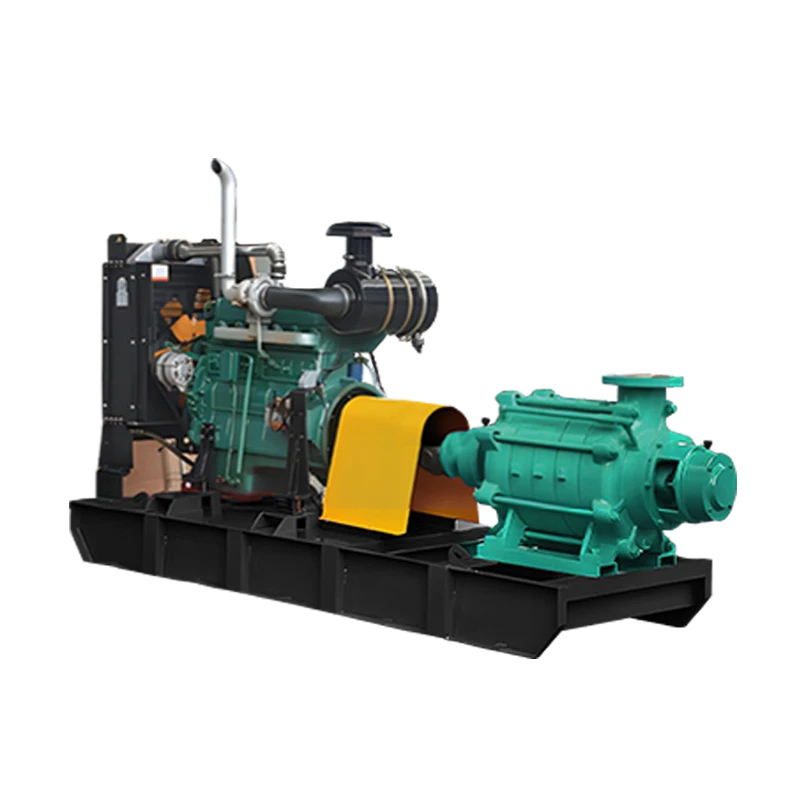
تختلف أنماط الصيانة أيضًا. تتطلب محركات الديزل خدمة منتظمة، ومع ذلك فإن المهارات وقطع الغيار متوفرة على نطاق واسع في جميع أنحاء العالم. مضخاتنا سلسلة D متعددة المراحل، على سبيل المثال، تستخدم محركات ديزل مثبتة مدعومة بشبكة وكلاء عالمية، مما يقلل من وقت التوقف عن العمل في المناطق النائية. تحتوي المحركات الكهربائية على أجزاء متحركة أقل ولكن عندما يحدث عطل في موقع بعيد، فإن الحصول على محرك بديل مناسب أو فني يمكن أن يطيل فترة التوقف. بناء علاقة خدمة مع مورد يفهم الظروف المحلية يمكن أن يحدث فرقًا ملموسًا.
إذا كان مشروعك يتضمن عمليات نقل متكررة أو مواقع يصعب الوصول إليها، فإن التحقق من وقت التشغيل الأولي للمضخة وشبكة خدمة المحرك قبل تثبيت المواصفات يمكن أن يمنع التأخير. تواصل معنا على [email protected] للحصول على جدول صيانة مخصص لمنطقتك.
ماذا عن مستويات الضوضاء واللوائح البيئية لمضخات نزح المياه؟
تتمتع المضخات الكهربائية بميزة طبيعية في الضوضاء والانبعاثات: فهي تعمل بهدوء وتنتج صفر عادم. بالنسبة للأعمال الداخلية أو مواقع البناء الحضرية ذات القيود الصارمة على الضوضاء، غالبًا ما تكون المضخة الكهربائية هي الخيار الوحيد المتوافق. تولد محركات الديزل حتمًا الضوضاء وغازات العادم، لكن الحلول الحديثة قللت الفجوة.
تم تجهيز مضخات نزح المياه التي تعمل بالديزل من Tide Power بمظلات كاتمة للصوت وتفي بمعايير CE و ISO. تقدم الشركات المصنعة للمحركات أيضًا نماذج متوافقة مع حدود الانبعاثات EPA Tier 4 و EU Stage V. في تجربتنا، تلبي مضخة الديزل المزودة بغلاف صوتي بسهولة 70-75 ديسيبل (أ) على مسافة 7 أمتار، وهو أمر مقبول للعديد من المواقع الخارجية. ومع ذلك، إذا كنت تواجه عمليات تدقيق بيئية صارمة، فقد يكون من الحكمة إقران مضخة ديزل بخطة للتحكم في الانبعاثات أو التفكير في بدائل كهربائية لمراحل معينة.
كيف تختار مضخة نزح المياه المناسبة لمشروعك
يعتمد القرار النهائي على ملف الطاقة الخاص بموقعك، وحجم المياه، ومدة التشغيل. ابدأ بهذه الأسئلة: هل تتوفر طاقة الشبكة في حدود 50 مترًا؟ هل ستحتاج المضخة إلى الانتقال إلى مواقع متعددة يوميًا؟ ما هو إجمالي الارتفاع الديناميكي المطلوب؟ إذا كانت إجابتان من ثلاث إجابات تفضل الاستقلالية، فمن المحتمل أن تكون وحدة الديزل هي خيارك الأفضل.
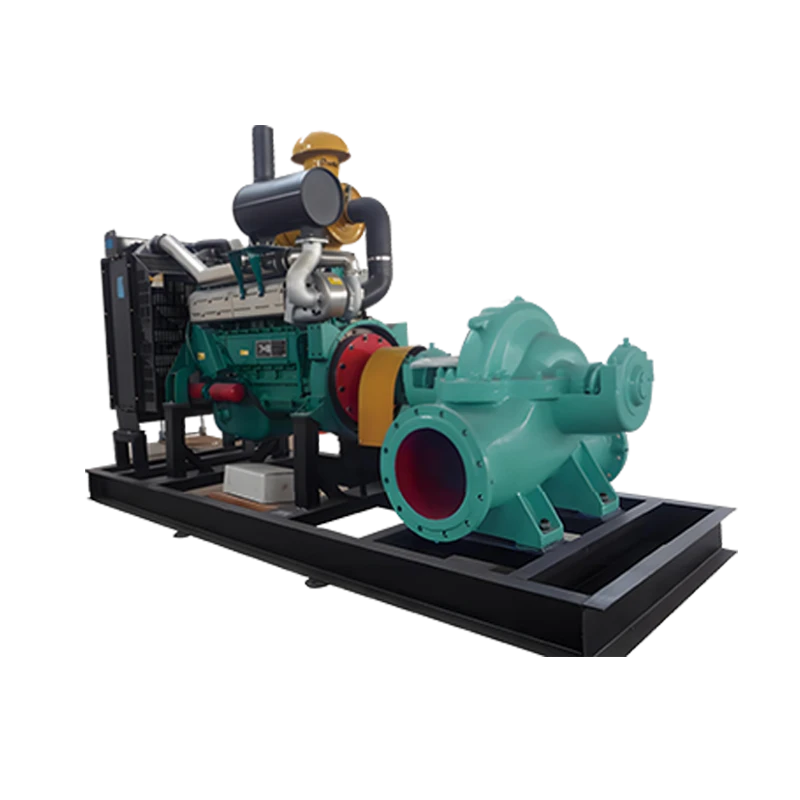
تقدم Tide Power مجموعة كاملة من مضخات نزح المياه التي تعمل بالديزل - من المحمولة سلسلة ب إلى الرأس العالي سلسلة S— ويمكن لمهندسينا في التطبيق تحديد حجم الحل بناءً على مواصفات التدفق والرأس الخاصة بك. عندما تكون المعلمات غير معتادة، قد يكون من المفيد النظر في تجميع مضخة مخصصة أو نهج طاقة هجين. الهدف ليس اتباع قاعدة عامة، بل مواءمة قدرة المضخة مع متطلبات المشروع دون الإفراط في التصميم.
اختيار المضخة المناسبة لظروف موقعك
يتطلب الاختيار بين مضخات التجفيف التي تعمل بالديزل والكهرباء موازنة بين التوفر والتكلفة وقيود الموقع. يعمل فريقنا في تيد باور تكنولوجي مع مهندسي الشراء ومديري المشاريع حول العالم لمطابقة مواصفات المضخة مع ظروف التشغيل الحقيقية. أرسل معدل التدفق، والرأس، وتفاصيل الموقع لمشروعك عبر البريد الإلكتروني إلى [email protected] أو اتصل بـ +86 591 2806 8999 للحصول على توصية فنية.
أسئلة شائعة حول مضخات التجفيف بالديزل والكهرباء
هل يمكن لمضخة التجفيف الكهربائية أن تعمل بدون شبكة كهربائية؟
نعم، ولكن فقط باستخدام مولد أو بنك بطاريات بحجم كافٍ لتلبية تيار بدء التشغيل للمضخة. هذا يحول الإعداد فعليًا إلى مضخة كهربائية تعمل بالديزل، مما يلغي غالبًا مزايا التكلفة والبساطة عند التحول إلى الكهرباء. في المواقع النائية، يدمج مضخة الديزل المحرك والمضخة في آلة واحدة، متجنبًا الخسائر وتعقيد تحويل الطاقة مرتين.
كم مرة يحتاج مضخة التجفيف بالديزل إلى الصيانة؟
عادةً ما تتطلب مضخة الديزل تغيير الزيت والفلتر كل 250 إلى 500 ساعة تشغيل، بالإضافة إلى استبدال فلاتر الهواء والوقود. تشمل الفحوصات اليومية مستوى الوقود، واتصالات الخرطوم، وسلامة نظام السحب. عند اتباع جداول الصيانة الخاصة بالشركة المصنعة، تقدم هذه المحركات آلاف الساعات من الخدمة الموثوقة، وهو ما تؤكده سجلات التشغيل الطويلة التي نراها من عملاء التعدين.
هل المضخات التي تعمل بالديزل أكثر موثوقية حقًا في الدول النامية؟
نعم، وفقًا لتجربتنا، فهي كذلك. وقود الديزل متوفر على نطاق واسع حتى في المناطق ذات البنية التحتية المحدودة، والميكانيكيون المحليون على دراية بإصلاح محركات الديزل الأساسية. تعتمد المضخات الكهربائية على استقرار جهد الشبكة، وإذا فشل محرك، فإن ورش إعادة لف المحركات المتخصصة ضرورية. بالنسبة للمشاريع الدولية التي تهم فيها لوجستيات الدعم، توفر مضخات الديزل سلسلة إمداد أكثر قوة.
أي نوع هو الأفضل للاستجابة الطارئة للفيضانات؟
مضخات التجفيف بالديزل هي المعيار للاستجابة الطارئة لأنها يمكن سحبها على مقطورة إلى الموقع وتشغيلها خلال دقائق دون الحاجة إلى ربطها بشبكة محلية. قدراتها العالية على السحب الذاتي وسعتها للتعامل مع المياه الملوثة بالمواد الصلبة تجعلها مناسبة أيضًا لظروف الفيضانات. العديد من وكالات الحماية المدنية تحتفظ بمضخات ديزل على مقطورات لهذا السبب.
ما حجم مضخة التجفيف التي أحتاجها؟
يتم تحديد حجم المضخة المطلوب بناءً على معدل التدفق المستهدف (متر مكعب في الساعة) والرأس الديناميكي الكلي (ارتفاع الرفع بالإضافة إلى خسائر الاحتكاك). يظهر منحنى المضخة المكان الذي يتطابق فيه المحرك والمروحة مع نقطة العمل الهيدروليكية الخاصة بك. لاختيار واثق، شارك أقصى تدفق لموقعك والرأس المطلوب معنا على [email protected] وسنقدم لك توصية مفصلة خلال يوم عمل واحد.
إذا كنت مهتمًا، اطلع على هذه المقالات ذات الصلة:
التنقل في تخزين الطاقة: الفروق الرئيسية بين أنظمة تخزين الطاقة الكبيرة والصغيرة الحجم
تم عقد مؤتمر مراجعة تيد باور السنوي لعام 2025 وخطة عمل 2026 بنجاح
تزويد الصناعات الحيوية: مضخات سلسلة Z من تيد باور ومولدات صناعية تقدم أداء لا مثيل له
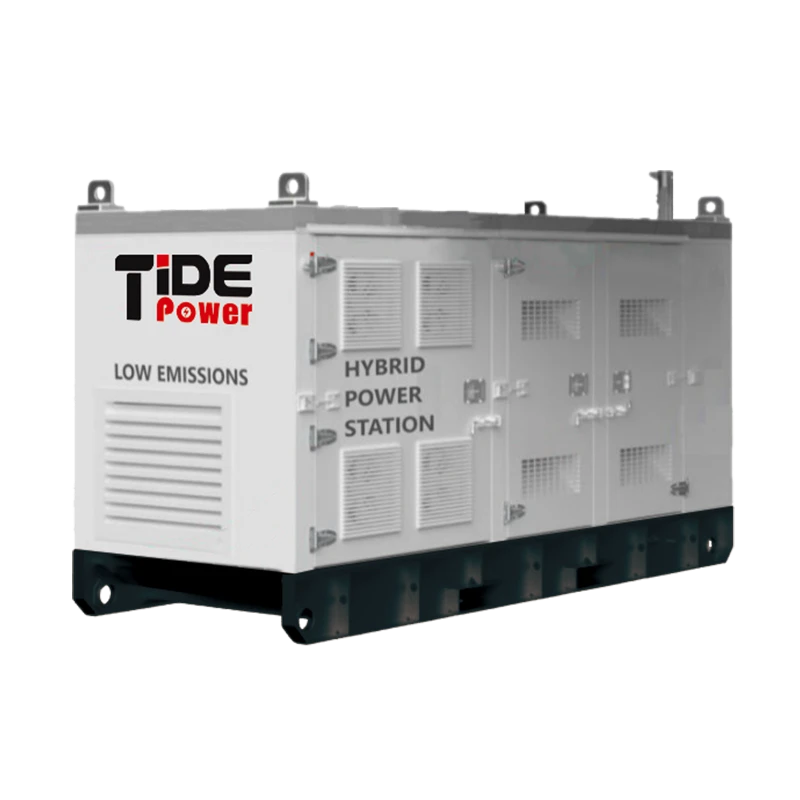
حل الطاقة الهجين من Tide Power يسرق الأضواء في معرض كانتون