 EN
EN ZH
ZH FR
FR ES
ES AR
ARWhen selecting a dewatering pump, the diesel versus electric comparison often goes beyond simple fuel versus electricity costs—especially at remote construction or mining sites where grid power is unreliable. In our work with global energy infrastructure, we have seen how a diesel-driven pump can be the decisive factor for continuous operations when an electric pump would require a separate generator and costly fuel storage. This article examines the full operational picture, from total ownership costs to site readiness, so you can make a specification choice that matches your project’s reality.
When Does a Diesel Dewatering Pump Outperform an Electric Model?
A diesel dewatering pump becomes the clear choice on sites without a stable mains supply. Unlike electric pumps that demand a nearby power source or a generator of matching capacity, a diesel unit is self‑contained: fill the tank, start the engine, and pumping begins. This independence is critical in mining, flood control, and large‑scale construction where grid access is intermittent.
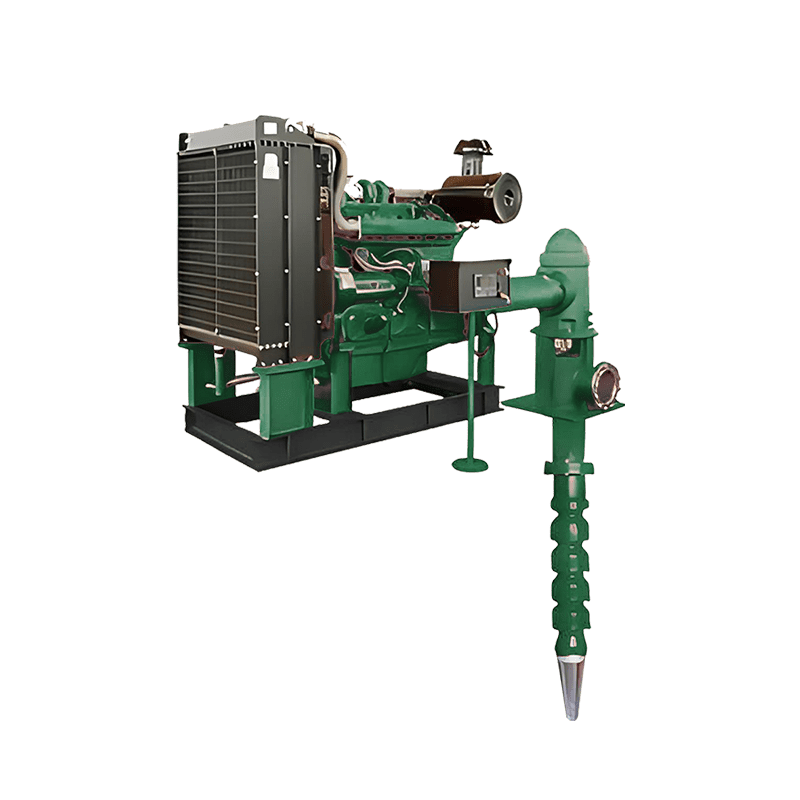
The technical advantage also extends to pump performance. Diesel engine‑driven pumps, such as Tide Power’s C Series, are engineered for high flow rates and heads while maintaining rapid self‑priming capability. In our global deployments, we have observed that diesel models sustain full load for extended hours without overheating, a claim backed by heavy‑duty engine designs that prioritize thermal management. For a procurement team, that translates into fewer interruptions and predictable output.
What Are the Real Operating Cost Differences for Dewatering Pumps?
Cost comparisons often simplify diesel as expensive and electric as cheap, but that overlooks the total system cost. When evaluating a dewatering pump, you must include not only fuel or electricity but also auxiliary equipment, maintenance labor, and potential downtime.
A table helps clarify the key cost drivers:
| Cost Factor | Diesel Dewatering Pump | Electric Dewatering Pump |
|---|---|---|
| Energy source | Diesel fuel (consumption depends on load) | Grid electricity (cost per kWh) |
| Additional equipment | Fuel storage tank, fuel transport | Generator if grid unavailable, power cables |
| Routine maintenance | Oil and filter changes every 250–500 hours | Minimal (bearing grease, seal inspection) |
| Repair accessibility | Engine technicians widely available globally | Electric motor repair requires specialist |
| Fuel cost volatility | Subject to diesel price fluctuations | Stable electricity tariffs (unless generator) |
In regions with cheap grid power, an electric pump wins on running expenses. However, if you already operate a fleet of diesel‑powered equipment, the fuel logistics are shared. Many project sites we support in Africa and Southeast Asia find that the total cost of ownership for diesel pumps aligns favorably when generator fuel and capital are factored into the electric option.
How Do Mobility and Maintenance Compare on the Job Site?
Mobility is another differentiator. A diesel dewatering pump is typically mounted on a base frame or a trailer, ready to be moved by forklift or tow vehicle. It arrives as a single unit with no assembly required. Electric pumps, especially submersible types, need on‑site electrical connections, protection against water ingress, and often a control panel installation. For sites that shift frequently—like trenching operations or temporary flood barriers—the diesel pump’s plug‑and‑play nature reduces setup time.
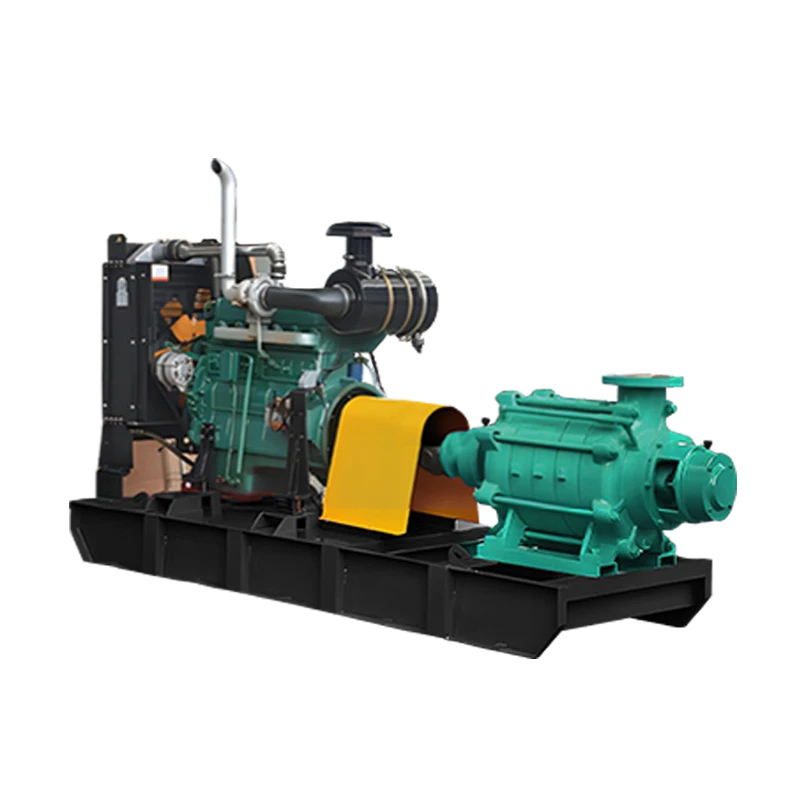
Maintenance patterns differ as well. Diesel engines demand regular servicing, yet the skills and parts are widely available worldwide. Our D Series multi‑stage pumps, for example, use proven diesel engines supported by a global dealer network, minimizing downtime in remote areas. Electric motors have fewer moving parts but when a failure occurs in a distant location, sourcing a suitable replacement motor or technician can extend the outage. Building a service relationship with a supplier who understands local conditions can make a measurable difference.
If your project involves frequent relocations or hard‑to‑reach sites, verifying the pump’s priming time and engine service network before locking in a specification can prevent delays. Reach out to us at [email protected] for a maintenance schedule tailored to your region.
What About Noise Levels and Environmental Regulations for Dewatering Pumps?
Noise and emissions are where electric pumps hold a natural edge: they operate quietly and produce zero exhaust. For indoor jobs or urban construction sites with strict noise curfews, an electric pump is often the only compliant choice. Diesel engines inevitably generate noise and exhaust gases, but modern solutions have narrowed the gap.
Tide Power’s diesel pumps are equipped with sound‑attenuated canopies and meet CE and ISO standards. Engine manufacturers also offer models compliant with EPA Tier 4 and EU Stage V emissions limits. In our experience, a diesel pump with an acoustic enclosure easily meets 70‑75 dB(A) at 7 meters, acceptable for many outdoor sites. However, if you face rigorous environmental audits, pairing a diesel pump with an emissions control plan or considering electric alternatives for specific phases may be prudent.
How to Select the Right Dewatering Pump for Your Project
The final decision hinges on your site’s power profile, water volume, and operational duration. Start with these questions: Is grid power available within 50 meters? Will the pump need to move to multiple locations daily? What is the total dynamic head required? If two of three answers favor independence, a diesel unit is likely your best bet.
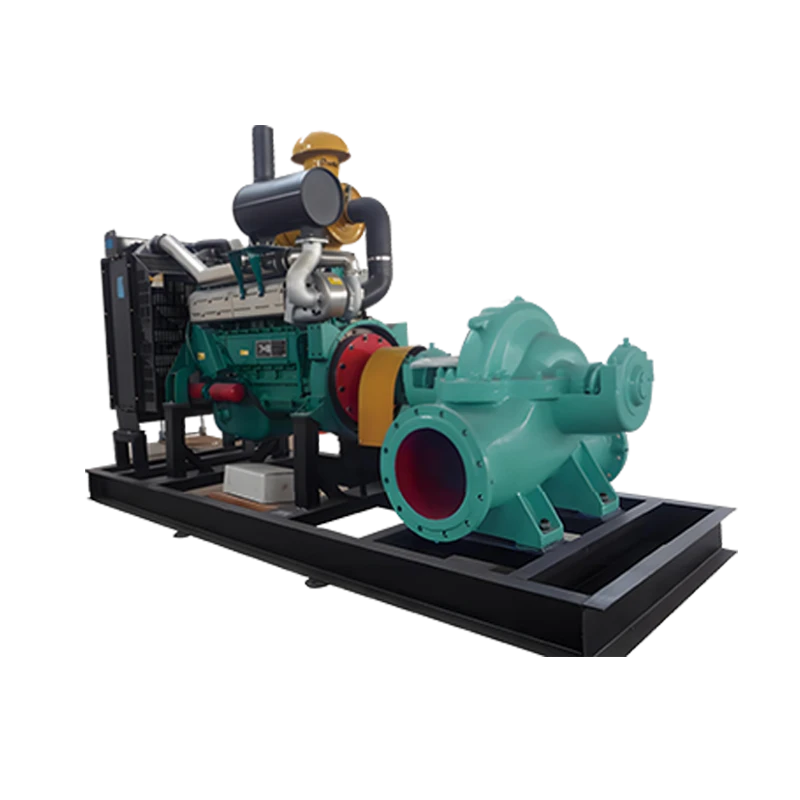
Tide Power offers a complete range of diesel dewatering pumps—from the portable B Series to the high‑head S Series—and our application engineers can size a solution based on your flow and head specifications. When the parameters are unusual, a customized pump assembly or a hybrid power approach may be worth considering. The goal is not to follow a general rule but to align pump capability with project demands without over‑engineering.
Choosing the Right Pump for Your Site Conditions
Choosing between diesel and electric dewatering pumps involves balancing availability, cost, and site constraints. Our team at Tide Power Technology works with procurement engineers and project managers worldwide to match pump specifications to real operational conditions. Email your project’s flow rate, head, and site details to [email protected] or call +86 591 2806 8999 for a technical recommendation.
Common Questions About Diesel vs Electric Dewatering Pumps
Can an electric dewatering pump operate without grid power?
It can, but only with a generator or battery bank sufficiently sized for the pump’s starting current. This effectively turns the setup into a diesel‑generated electric pump, which often eliminates the cost and simplicity advantages of going electric. In remote locations, a diesel‑driven pump integrates the engine and pump into one machine, avoiding the losses and complication of converting energy twice.
How often does a diesel dewatering pump need maintenance?
A diesel pump typically requires an oil and filter change every 250 to 500 operating hours, along with air and fuel filter replacements. Daily checks include fuel level, hose connections, and priming system integrity. When following manufacturer schedules, these engines deliver thousands of hours of reliable service, a fact confirmed by the long operational logs we see from mining clients.
Are diesel pumps really more reliable in developing countries?
Yes, in our experience they are. Diesel fuel is widely available even in regions with limited infrastructure, and local mechanics are familiar with basic diesel engine repair. Electric pumps depend on a stable grid voltage and, if a motor fails, specialized rewinding shops. For international projects where support logistics matter, diesel pumps offer a more robust supply chain.
Which type is better for emergency flood response?
Diesel dewatering pumps are the standard for emergency response because they can be trailered to the site and started within minutes without tying into a local grid. Their high self‑priming capability and capacity to handle solids‑laden water also suit flood conditions. Many civil protection agencies keep diesel trailer pumps for this reason.
What size dewatering pump do I need?
The required pump size is determined by your target flow rate (cubic meters per hour) and the total dynamic head (lift height plus friction losses). A pump curve shows where an engine and impeller match your hydraulic duty point. For a confident selection, share your site’s maximum flow and required head with us at [email protected] and we will return a detailed recommendation within one working day.
If you’re interested, check out these related articles:
Navigating Energy Storage: Key Distinctions Between Large-Scale and Small-Scale BESS
Tide Power’s 2025 Annual Review and 2026 Work Plan Conference was successfully held
Powering Critical Industries: Tide Power Z Series Pumps & Industrial Generators Deliver Unmatched Performance
Tide Power’s Hybrid Power Solution Steals the Show at Canton Fair