 EN
EN ZH
ZH FR
FR ES
ES AR
ARIn my conversations with telecom procurement teams across Asia, Africa, and Latin America, one pattern holds: the upfront generator price rarely predicts the true cost of keeping a remote base station online. Telecom power solution pricing is driven by fuel logistics, site accessibility, technology mix, and regulatory pressure far more than by dollar-per-kW metrics. The most cost-effective choice is seldom the cheapest generator or the largest battery cabinet. It is the system that minimizes unplanned downtime and fuel cost volatility over five to ten years. This guide walks through the cost drivers, compares diesel, hybrid, and battery-dominant architectures, and provides a budgeting framework for 2026 planning.
What Factors Influence Telecom Power Solution Pricing
Telecom power costs vary dramatically by site type, geography, and operating profile. A suburban rooftop site with stable grid access has almost nothing in common with a mountaintop off-grid station that relies on diesel deliveries. Understanding these drivers before comparing supplier quotes prevents budget overruns later.
Site Location and Fuel Availability
Remote sites far from fuel supply lines carry a hidden logistics premium. Transporting diesel over rough terrain or securing reliable LPG/CNG deliveries in regions with limited infrastructure can add 20 to 40 percent to the effective cost per liter, depending on distance and road conditions. Sites with access to natural gas pipelines or strong solar irradiation shift the cost equation toward hybrid and battery storage.
Power Load and Runtime Requirements
A 48V DC telecom load of 3 kW with 24-hour runtime demands a different system than a 15 kW site with battery backup for 8 hours. Oversizing the generator for low-load operation drives up fuel consumption per kWh and accelerates wet stacking. Undersizing leads to overload trips and battery cycling that shortens lithium iron phosphate (LFP) battery life.
Regulatory and Environmental Factors
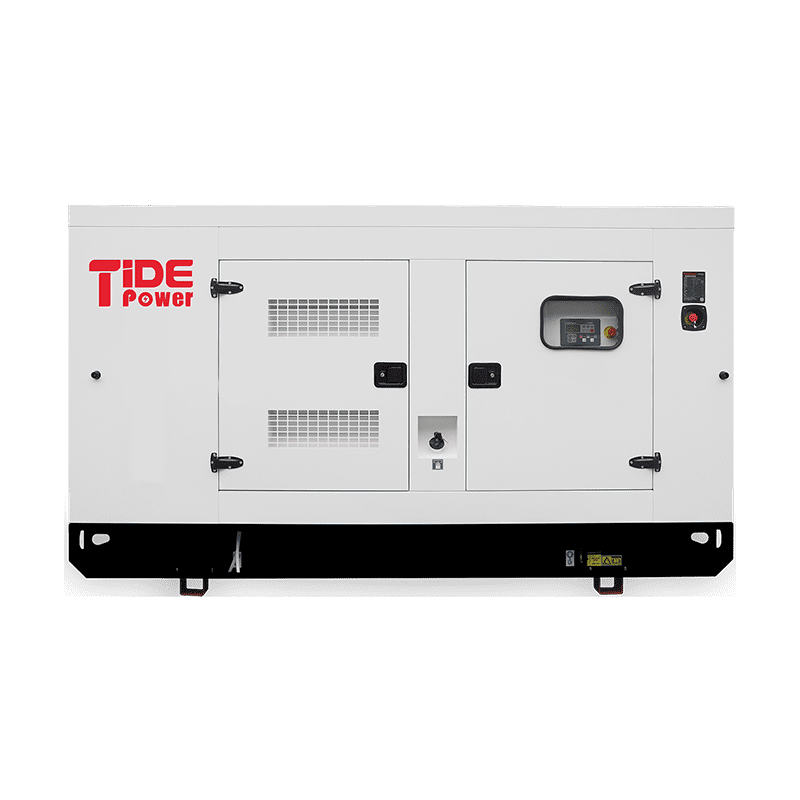
Emission standards (EPA Tier 4, EU Stage V) and local noise ordinances add upfront costs for exhaust aftertreatment and soundproof enclosures. In some markets, diesel generators face restrictions near urban areas, making solar hybrid or battery storage the only permitted option for new deployments.
Component Cost Contribution
| Cost Element | Typical Range (% of initial system cost) | Notes |
|---|---|---|
| Generator set (prime power) | 40–55% | Varies by engine brand and kVA rating |
| Battery storage (LFP) | 15–30% | High for battery-dominant and off-grid hybrid |
| Solar arrays and MPPT controllers | 10–25% | Depends on site irradiation and array size |
| Enclosure, fuel tank, and cooling | 8–15% | Higher for soundproof and weatherproof designs |
| Installation, commissioning, and logistics | 10–20% | Transport and site prep can dominate remote site budgets |
Real-world procurement often overlooks installation and logistics, which at remote sites can exceed the generator cost itself. We have seen projects where the cost of a concrete plinth, security fencing, and fuel storage tank matched the cost of a 30 kVA silent generator set.
Generator vs Solar Hybrid vs Battery: Cost Comparison for Base Stations
Selecting the right architecture means balancing capital expenditure against 10-year operating expense and risk of service interruptions. The trade-offs shift as battery prices fall and solar panel efficiency climbs.
Diesel Generator Only
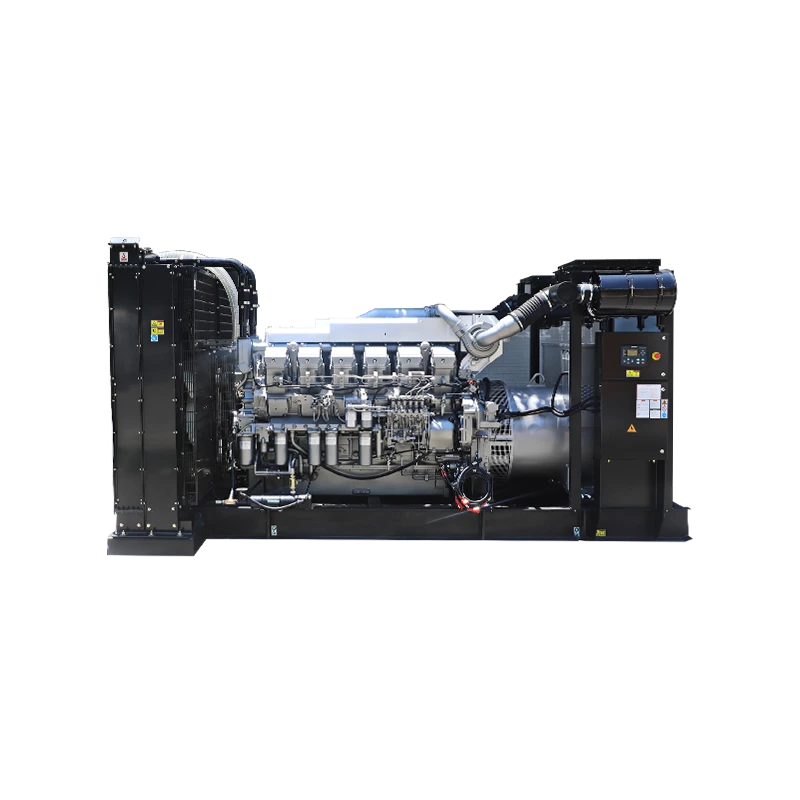
A prime-power diesel generator sized at 150 percent of average load provides simplicity and high reliability. But fuel cost remains the largest variable. At $0.80–$1.20 per liter in many markets, a 10 kW generator consuming 2.5 liters per hour can burn $17,500–$26,300 in fuel annually for continuous operation, excluding oil changes and scheduled overhauls. Off-setting a portion of runtime with solar and battery cuts this figure sharply.
Solar-Diesel Hybrid
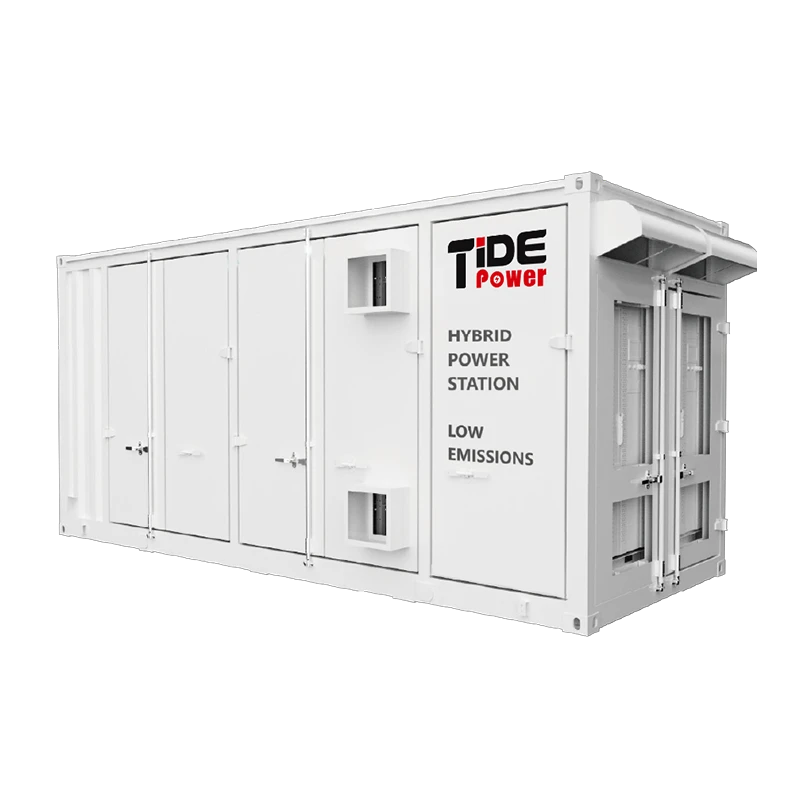
A hybrid system combining a diesel generator with solar arrays and short-duration battery storage (e.g., TP-125P from Tide Power) reduces generator runtime by 50–80 percent depending on site irradiation. The hybrid controller manages seamless switching and load sharing. Initial capital cost is 30–50 percent higher than diesel-only, but fuel savings often recover the premium within 3–5 years in high-irradiation regions.
Battery-Dominant with Grid or Generator Backup
For sites with at least 12 hours of daily grid power or where diesel is extremely expensive, a large LFP battery bank (e.g., TP-100BESS or TP-200BESS) coupled with a smaller generator only for top-up charging becomes economic. Battery costs per kWh (cell level) have fallen below $100 in 2025, making 200 kWh systems increasingly viable for 5G base stations with higher power density. The generator runs only a few hours per week at high load, maximizing efficiency.
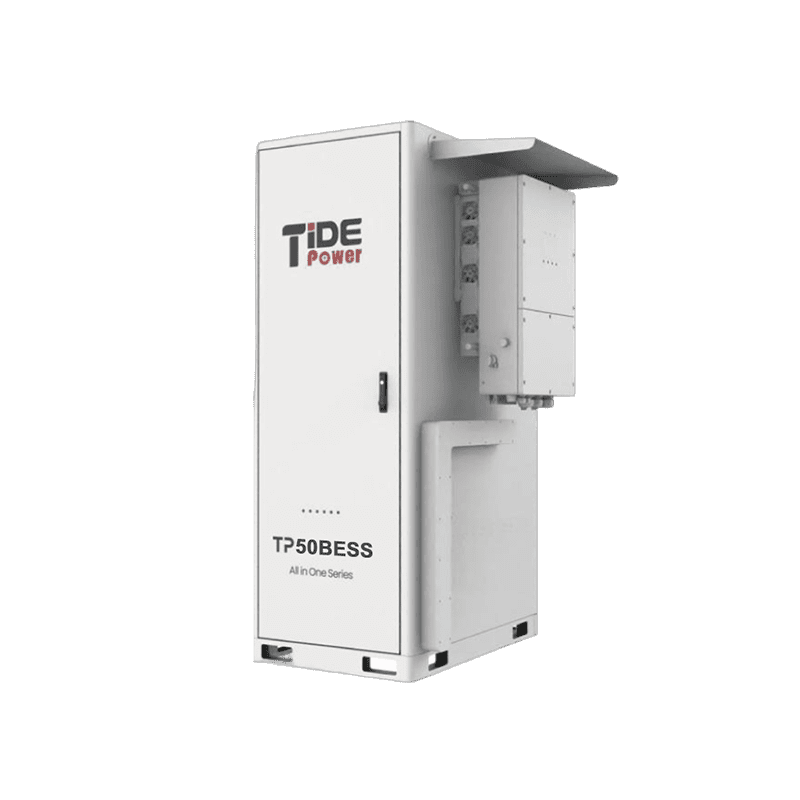
Cost comparison for a 10 kW average load, 24/7 off-grid site in Southeast Asia (indicative 10-year TCO, including fuel, maintenance, and replacement):
| Architecture | Initial CAPEX (USD) | 10-year OPEX (USD) | 10-year TCO (USD) |
|---|---|---|---|
| Diesel-only (15 kVA) | 18,000 – 25,000 | 140,000 – 190,000 | 158,000 – 215,000 |
| Solar-hybrid (15 kVA gen + 10 kWp solar + 30 kWh battery) | 32,000 – 45,000 | 50,000 – 80,000 | 82,000 – 125,000 |
| Battery-dominant with grid backup (200 kWh LFP + 20 kVA standby gen) | 55,000 – 75,000 | 20,000 – 40,000 | 75,000 – 115,000 |
These figures assume moderate irradiation, $0.90/L diesel, and 3 percent annual fuel price escalation. Sites with higher irradiation or lower diesel cost will shift the breakeven point.
If your project involves multiple off-grid sites with varying load profiles, it’s worth analyzing the portfolio as a whole rather than sizing each site individually. Please reach out at [email protected] for a consolidated life-cycle cost model.
How to Estimate Your Telecom Power System Budget in 2026
A structured budgeting process prevents the most common procurement mistakes: equating generator cost with system cost, ignoring spares and logistics, and underestimating future load growth.
Step 1: Load Assessment and Sizing
Document the base station’s average DC load in kW, peak load, and required backup autonomy in hours. For 5G sites, account for an additional 30–50 percent load growth within five years as carrier aggregation and edge computing roll out. Use a sizing tool or consult with an experienced supplier to avoid operating the generator below 30 percent load for extended periods.
Step 2: Infrastructure and Installation Costs
Include civil works (foundation, fencing, fuel tank), transportation to remote sites, electrical cabling, and integration with existing DC power systems. In mountainous regions, helicopter lifts or manual transport can double installation costs. Request site-specific logistics quotes early in the procurement cycle.
Step 3: Operational Expense Forecasting
Build a 10-year OPEX model with fuel cost escalation (3–5 percent annually), preventive maintenance parts and labor, battery replacement at year 7 for LFP (70 percent of initial capacity threshold), and remote monitoring subscription fees if applicable. This model reveals that a diesel-only solution with lower CAPEX can become the most expensive option by year 6.
Total Cost of Ownership: What the Price Tag Doesn’t Show
Suppliers often quote the generator and control panel, leaving out the items that determine true cost over the asset’s life. Procurement teams that factor these in from the start gain a negotiating advantage.
Fuel Cost Volatility and Hedging
Diesel prices in emerging markets can swing 20 percent in a single quarter. Hybrid systems that cut diesel consumption by 60 percent or more act as a natural hedge. In our work with island telecom operators in Southeast Asia, switching from diesel-only to solar-diesel hybrid reduced annual fuel expenditure volatility by over half, simplifying budget planning.
Maintenance and Downtime Costs
A generator-only site requires oil and filter changes every 250–500 hours, meaning monthly site visits for continuously operating stations. Hybrid and battery-dominant systems extend maintenance intervals to quarterly or semi-annual visits. Each site visit carries labor, vehicle, and per-diem costs that accumulate to $500–$1,500 per visit in difficult terrains.
Battery Replacement and End-of-Life Planning
LFP batteries degrade predictably, losing roughly 3 percent capacity per year under moderate cycling. Budget for one battery module replacement within a 15-year system life. At current prices, a 50 kWh LFP module costs around $12,000–$18,000. Include end-of-life recycling or disposal costs for both batteries and generator sets in the project financial model to avoid surprises.
Choosing a Telecom Power Solution Provider: What Procurement Teams Should Ask
The supplier relationship determines whether the initial cost estimate holds true through commissioning, expansion, and obsolescence. Ask questions that test operational capability, not just product specs.
Global Logistics and Local Compliance
Can the supplier deliver containerized or skid-mounted systems to your remote sites with full customs documentation? Do they have experience with local import regulations, emissions certification, and grid interconnection standards in your target countries? A supplier that has shipped to 50 countries understands regional homologation faster than one with only domestic experience.
Remote Monitoring and Service Network
Ask whether the system includes cloud-based monitoring (e.g., Deep Sea or ComAp controllers with data logging). Demonstrate how the supplier handles a fault alert at 2 a.m. at a site 200 km from the nearest service center. The answer reveals more than a brochure does.
Warranty and Spare Parts Availability
Standard generator warranties cover 1,000 hours or 12 months. Extended warranties up to 5 years or 10,000 hours are available and worth the incremental cost if the supplier has a parts depot in your region. Confirm that common wear items—filters, belts, sensors—can be sourced locally within 48 hours.
If your deployment timeline is tight or your site requirements are still being finalized, share your preliminary load data and target regions with us at +86 591 2806 8999. We will confirm system compatibility and provide a compliance documentation checklist before you issue the RFP.
Common Questions About Telecom Power Investment
What is the average cost of a telecom power solution?
There is no single average that helps procurement; the cost for a 3 kW rooftop site with grid backup is under $5,000, while a 15 kW off-grid solar hybrid system for a mountain site can exceed $80,000. Instead of chasing an average, build your cost model around your specific average load, required autonomy, and site accessibility. These three factors explain over 70 percent of the cost variance across projects we have reviewed.
Can a remote base station run on solar power alone?
Only with massive oversizing and seasonal risk. A solar-only system requires enough panels to cover the worst winter month plus three to five days of battery autonomy for cloudy periods, making it two to three times more expensive than a solar-diesel hybrid with a small generator as backup. For 99.99 percent uptime, a hybrid with at least a 10 kVA generator remains the safer investment.
How does 5G impact power system cost?
A typical 5G base station consumes 50 to 100 percent more power than a comparable 4G site because of massive MIMO antennas and higher processing loads. This shifts the economic optimum toward larger battery banks and higher solar fractions. Sites originally designed for 4G often need generator upgrades and additional battery capacity, adding $15,000–$30,000 in retrofit costs.
Is a diesel generator still the most reliable option?
Yes, for immediate backup when sized and maintained correctly. But reliability is not the same as resilience. A generator that runs 8,760 hours a year will need multiple service visits. A hybrid system with automatic failover to the generator when the battery reaches a low state of charge maintains uptime while reducing the generator’s running hours and wear. In practice, the hybrid system can improve mean time between failures.
How do I compare quotes from different suppliers?
Start by normalizing the scope: generator kVA at site altitude and temperature derating, battery capacity in usable kWh (not nameplate), installation inclusions, warranty terms, and remote monitoring capabilities. Apply the same fuel cost escalation and maintenance visit frequency to each supplier’s proposal. We see procurement teams routinely accept the lowest CAPEX quote only to find after two years that OPEX is 60 percent higher than a hybrid alternative. Send us your normalized scope at [email protected] and we will help you benchmark the quotes you receive.
If you’re interested, check out these related articles:
Tide Power’s Hybrid Power Solution Steals the Show at Canton Fair
Navigating Energy Storage: Key Distinctions Between Large-Scale and Small-Scale BESS