 ES
ES EN
EN ZH
ZH FR
FR AR
AREn mis conversaciones con equipos de adquisición de telecomunicaciones en Asia, África y América Latina, un patrón se mantiene: el precio inicial del generador rara vez predice el costo real de mantener una estación base remota en línea. La fijación de precios de las soluciones de energía para telecomunicaciones está impulsada por la logística de combustible, la accesibilidad del sitio, la mezcla tecnológica y la presión regulatoria mucho más que por métricas de dólar por kW. La opción más rentable rara vez es el generador más barato o el armario de baterías más grande. Es el sistema que minimiza el tiempo de inactividad no planificado y la volatilidad del costo del combustible durante cinco a diez años. Esta guía explica los factores que influyen en los costos, compara arquitecturas diésel, híbridas y dominantes en baterías, y proporciona un marco de presupuestación para la planificación de 2026.
¿Qué factores influyen en la fijación de precios de las soluciones de energía para telecomunicaciones?
Los costos de energía para telecomunicaciones varían drásticamente según el tipo de sitio, la geografía y el perfil operativo. Un sitio en la azotea de un suburbio con acceso estable a la red eléctrica tiene casi nada en común con una estación en la cima de una montaña sin conexión a la red que depende de entregas de diésel. Comprender estos factores antes de comparar cotizaciones de proveedores evita sobrecostes en el presupuesto posteriormente.
Ubicación del sitio y disponibilidad de combustible
Los sitios remotos alejados de las líneas de suministro de combustible llevan una prima logística oculta. Transportar diésel por terrenos accidentados o asegurar entregas confiables de GLP/GNC en regiones con infraestructura limitada puede añadir del 20 al 40 por ciento al costo efectivo por litro, dependiendo de la distancia y las condiciones de la carretera. Los sitios con acceso a gasoductos de gas natural o con alta irradiación solar cambian la ecuación de costos hacia soluciones híbridas y almacenamiento en baterías.
Carga de energía y requisitos de tiempo de funcionamiento
Una carga de telecomunicaciones de 48V DC de 3 kW con una duración de 24 horas requiere un sistema diferente a un sitio de 15 kW con respaldo de batería para 8 horas. Sobredimensionar el generador para operación de baja carga aumenta el consumo de combustible por kWh y acelera el apilamiento húmedo. Subdimensionar conduce a disparos por sobrecarga y ciclos en la batería que acortan la vida útil de la batería de fosfato de hierro y litio (LFP).
Factores regulatorios y ambientales
Las normas de emisiones (EPA Tier 4, EU Stage V) y las ordenanzas locales de ruido añaden costos iniciales por el tratamiento de gases de escape y las envolventes insonorizadas. En algunos mercados, los generadores diésel enfrentan restricciones cerca de áreas urbanas, haciendo que las soluciones híbridas solares o el almacenamiento en baterías sean la única opción permitida para nuevas instalaciones.
Contribución del costo de componentes
| Elemento de costo | Rango típico (% del costo inicial del sistema) | Notas |
|---|---|---|
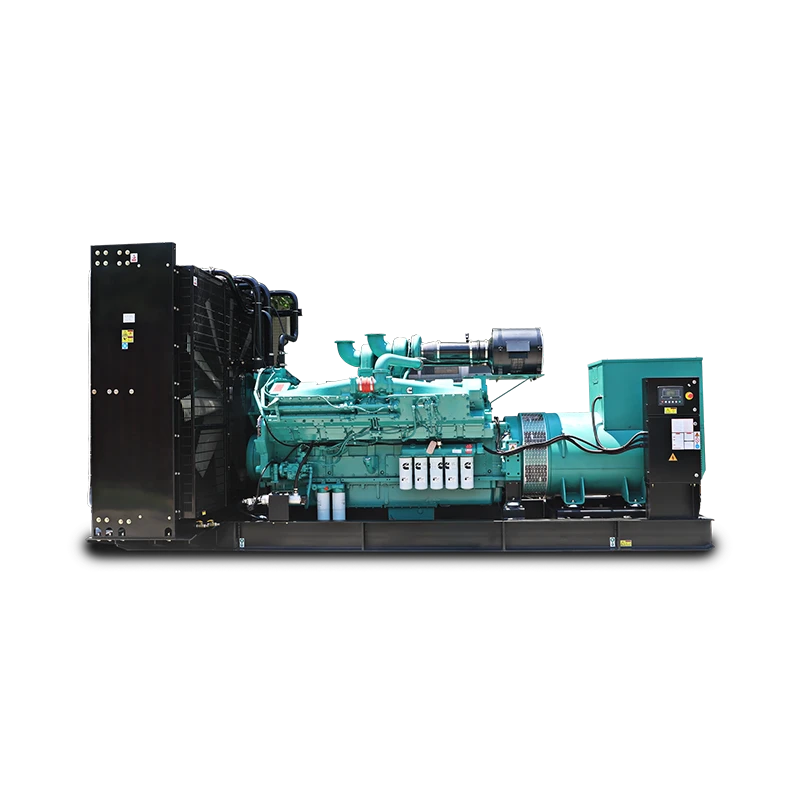
| Conjunto generador (potencia principal) | 40–55% | Varía según la marca del motor y la potencia en kVA |
| Almacenamiento en baterías (LFP) | 15–30% | Alto para soluciones dominantes en baterías y híbridas fuera de la red |
| Paneles solares y controladores MPPT | 10–25% | Depende de la irradiación del sitio y del tamaño del array |
| Caja, tanque de combustible y sistema de refrigeración | 8–15% | Más alto para diseños a prueba de sonido y resistentes a las inclemencias del tiempo |
| Instalación, puesta en marcha y logística | 10–20% | El transporte y la preparación del sitio pueden dominar los presupuestos de sitios remotos |
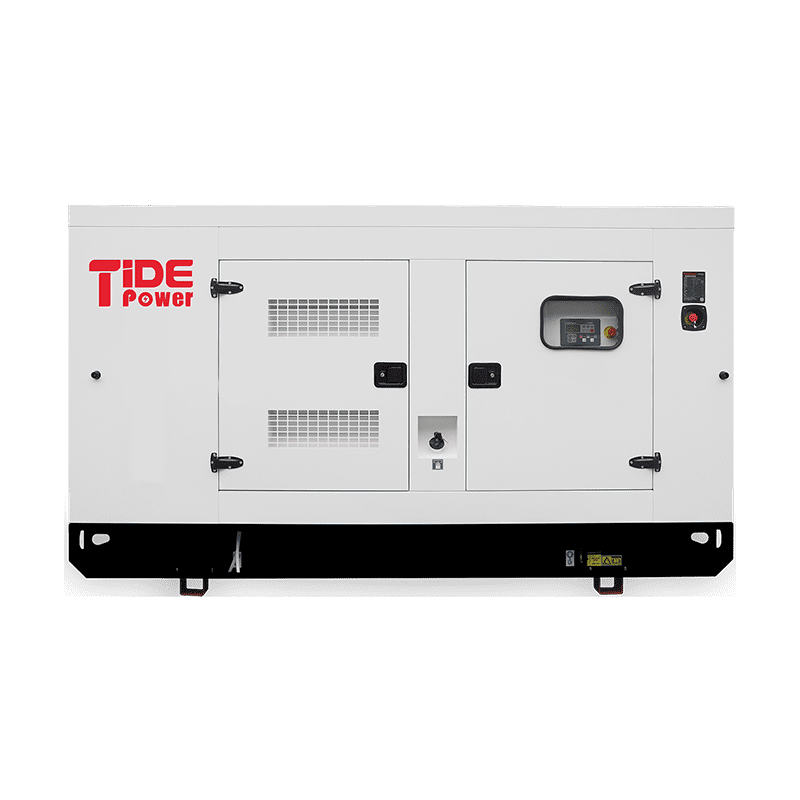
La adquisición en el mundo real a menudo pasa por alto la instalación y la logística, que en sitios remotos pueden superar el coste del generador en sí. Hemos visto proyectos donde el coste de una base de concreto, cercado de seguridad y tanque de almacenamiento de combustible igualaba el coste de un grupo generador silencioso de 30 kVA.
Generador vs Híbrido Solar y Diesel vs Batería: Comparación de Costes para Estaciones Base
Elegir la arquitectura adecuada significa equilibrar la inversión de capital frente a los gastos operativos a 10 años y el riesgo de interrupciones del servicio. Las compensaciones cambian a medida que bajan los precios de las baterías y aumenta la eficiencia de los paneles solares.
Solo Generador Diésel
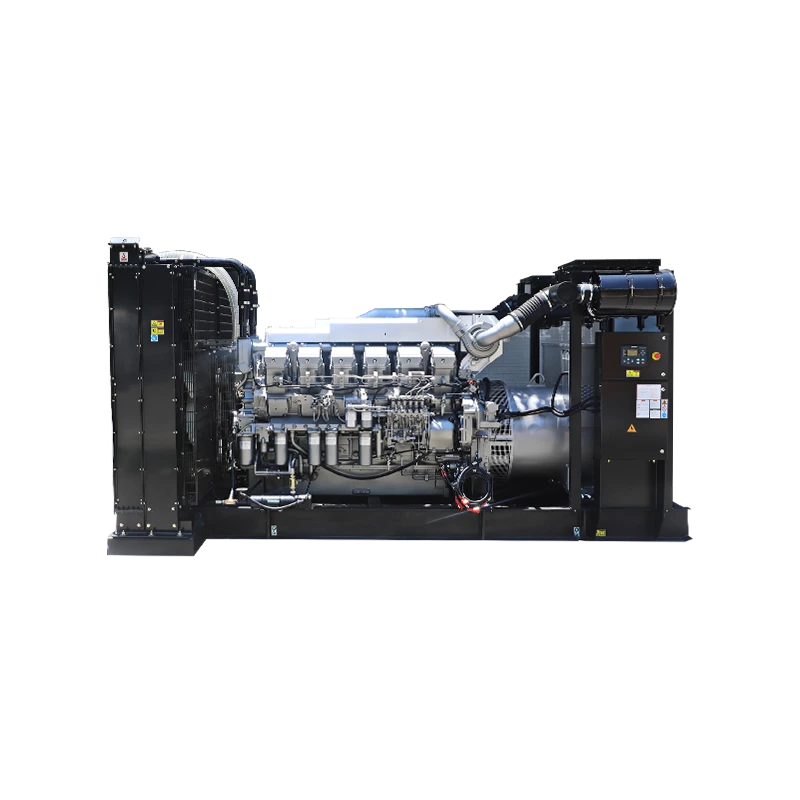
Un generador diésel de potencia principal dimensionado al 150 por ciento de la carga media ofrece simplicidad y alta fiabilidad. Pero el coste del combustible sigue siendo la mayor variable. Con un coste de $0.80–$1.20 por litro en muchos mercados, un generador de 10 kW que consume 2.5 litros por hora puede gastar entre $17,500 y $26,300 en combustible anualmente para operación continua, excluyendo cambios de aceite y revisiones programadas. Compensar una parte del tiempo de funcionamiento con energía solar y baterías reduce esta cifra de forma significativa.
Híbrido Solar-Diésel
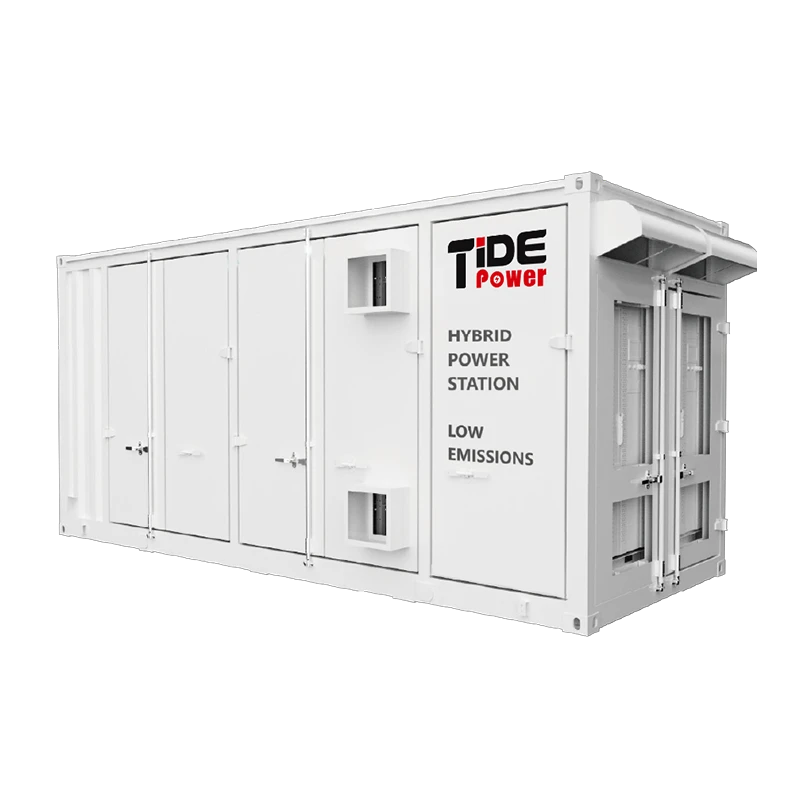
Un sistema híbrido que combina un generador diésel con paneles solares y almacenamiento de baterías de corta duración (por ejemplo, TP-125P de Tide Power) reduce el tiempo de funcionamiento del generador en un 50–80 por ciento dependiendo de la irradiación del sitio. El controlador híbrido gestiona cambios sin interrupciones y reparto de carga. El coste inicial de capital es un 30–50 por ciento superior al de solo diésel, pero los ahorros en combustible suelen recuperar la prima en 3–5 años en regiones con alta irradiación.
Batería Dominante con Respaldo de Red o Generador
Para sitios con al menos 12 horas diarias de energía de red o donde el diésel sea extremadamente caro, un banco de baterías LFP grande (por ejemplo, TP-100BESS o TP-200BESS) junto con un generador más pequeño solo para recarga de emergencia resulta económico. Los costes de las baterías por kWh (nivel de celda) han caído por debajo de $100 en 2025, haciendo que los sistemas de 200 kWh sean cada vez más viables para estaciones base 5G con mayor densidad de potencia. El generador funciona solo unas pocas horas a la semana con carga alta, maximizando la eficiencia.
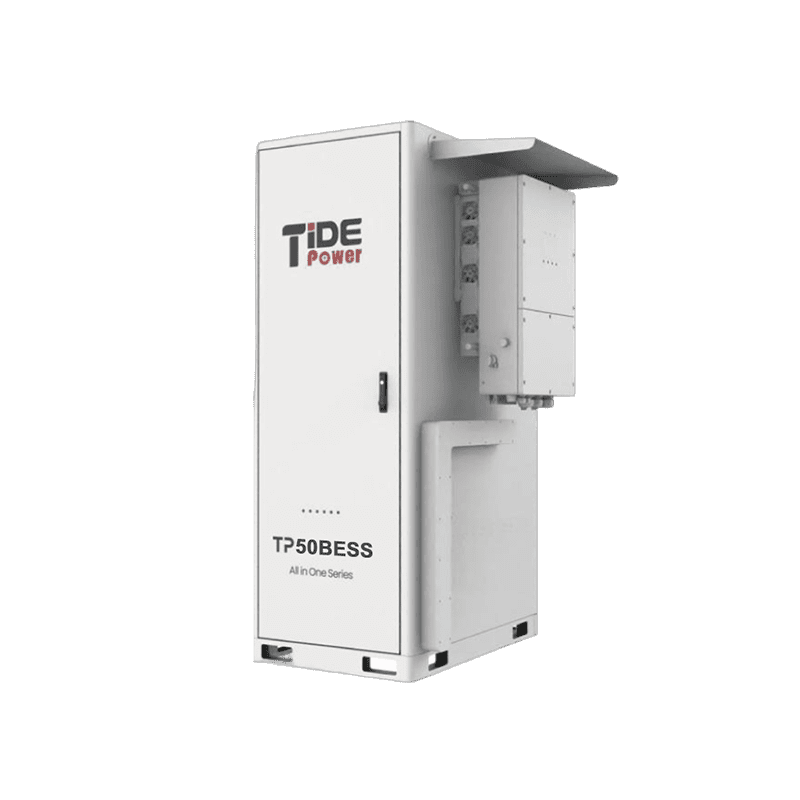
Comparación de costes para un sitio fuera de red con carga media de 10 kW, 24/7, en el sudeste de España (coste total de propiedad indicativo a 10 años, incluyendo combustible, mantenimiento y reemplazo):
| Arquitectura | CAPEX inicial (USD) | OPEX a 10 años (USD) | TCO a 10 años (USD) |
|---|---|---|---|
| Solo diésel (15 kVA) | 18.000 – 25.000 | 140.000 – 190.000 | 158.000 – 215.000 |
| Híbrido solar (generador de 15 kVA + 10 kWp solar + 30 kWh batería) | 32.000 – 45.000 | 50.000 – 80.000 | 82.000 – 125.000 |
| Predominancia de batería con respaldo de red (200 kWh LFP + generador de reserva de 20 kVA) | 55.000 – 75.000 | 20.000 – 40.000 | 75.000 – 115.000 |
Estas cifras asumen una irradiación moderada, $0.90/L diésel, y una escalada anual del precio del combustible del 3 por ciento. Los sitios con mayor irradiación o menor coste de diésel ajustarán el punto de equilibrio.
Si tu proyecto involucra múltiples sitios fuera de la red con perfiles de carga variables, vale la pena analizar la cartera en su conjunto en lugar de dimensionar cada sitio individualmente. Por favor, contacta en [email protected] para un modelo consolidado de coste de ciclo de vida.
Cómo estimar el presupuesto de tu sistema de energía para telecomunicaciones en 2026
Un proceso de presupuestación estructurado previene los errores más comunes en adquisiciones: equiparar el costo del generador con el costo del sistema, ignorar repuestos y logística, y subestimar el crecimiento de carga futura.
Paso 1: Evaluación y dimensionamiento de carga
Documente la carga DC promedio de la estación base en kW, carga máxima y autonomía de respaldo requerida en horas. Para sitios 5G, tenga en cuenta un crecimiento adicional del 30–50 por ciento en la carga en cinco años debido a la agregación de portadoras y el despliegue de computación en el borde. Use una herramienta de dimensionamiento o consulte con un proveedor experimentado para evitar operar el generador por debajo del 30 por ciento de carga durante períodos prolongados.
Paso 2: Costos de infraestructura e instalación
Incluya obras civiles (cimentación, cercado, tanque de combustible), transporte a sitios remotos, cableado eléctrico y integración con sistemas de energía DC existentes. En regiones montañosas, los levantamientos en helicóptero o el transporte manual pueden duplicar los costos de instalación. Solicite cotizaciones logísticas específicas del sitio desde el principio del ciclo de adquisición.
Paso 3: Pronóstico de gastos operativos
Construya un modelo de OPEX a 10 años con escalada de costos de combustible (3–5 por ciento anual), piezas y mano de obra para mantenimiento preventivo, reemplazo de baterías en el año 7 para LFP (umbral del 70 por ciento de capacidad inicial), y tarifas de suscripción para monitoreo remoto si aplica. Este modelo revela que una solución solo diésel con menor CAPEX puede convertirse en la opción más costosa en el año 6.
Costo Total de Propiedad: Lo que el Precio No Muestra
Los proveedores a menudo cotizan solo el generador y el panel de control, dejando fuera los elementos que determinan el costo real durante la vida útil del activo. Los equipos de adquisición que consideran estos aspectos desde el principio obtienen una ventaja en las negociaciones.
Volatilidad del Costo de Combustible y Cobertura
Los precios del diésel en mercados emergentes pueden fluctuar un 20 por ciento en un solo trimestre. Los sistemas híbridos que reducen el consumo de diésel en un 60 por ciento o más actúan como una cobertura natural. En nuestro trabajo con operadores de telecomunicaciones en islas en el sudeste asiático, cambiar de solo diésel a híbrido solar-diésel redujo la volatilidad del gasto anual en combustible en más de la mitad, simplificando la planificación presupuestaria.
Costos de Mantenimiento y Tiempo de Inactividad
Un sitio solo con generador requiere cambios de aceite y filtro cada 250–500 horas, lo que implica visitas mensuales para estaciones en operación continua. Los sistemas híbridos y dominados por baterías extienden los intervalos de mantenimiento a visitas trimestrales o semestrales. Cada visita implica costos de mano de obra, vehículo y dietas que se acumulan a entre 1,000 y 1,500 euros por visita en terrenos difíciles.
Reemplazo de Baterías y Planificación de Fin de Vida
Las baterías LFP se degradan de manera predecible, perdiendo aproximadamente un 3 por ciento de capacidad por año bajo ciclos moderados. Presupueste el reemplazo de un módulo de batería dentro de una vida útil de 15 años del sistema. A precios actuales, un módulo LFP de 50 kWh cuesta alrededor de 12,000 a 18,000 euros. Incluya en el modelo financiero del proyecto los costos de reciclaje o disposición al final de su vida útil para ambas baterías y conjuntos generadores para evitar sorpresas.
Elegir un Proveedor de Soluciones de Energía para Telecomunicaciones: Lo que Deben Preguntar los Equipos de Adquisiciones
La relación con el proveedor determina si la estimación de costo inicial se mantiene durante la puesta en marcha, expansión y obsolescencia. Haga preguntas que evalúen la capacidad operativa, no solo las especificaciones del producto.
Logística Global y Cumplimiento Local
¿Puede el proveedor entregar sistemas en contenedor o montados sobre plataformas a sus sitios remotos con toda la documentación aduanera? ¿Tiene experiencia con regulaciones de importación locales, certificación de emisiones y estándares de interconexión a la red en sus países objetivo? Un proveedor que ha enviado a 50 países comprende la homologación regional más rápidamente que uno con solo experiencia nacional.
Red de Monitoreo y Servicio Remoto
Pregunte si el sistema incluye monitoreo en la nube (por ejemplo, controladores Deep Sea o ComAp con registro de datos). Demuestre cómo maneja el proveedor una alerta de fallo a las 2 a.m. en un sitio a 200 km del centro de servicio más cercano. La respuesta revela más que un folleto.
Garantía y Disponibilidad de Piezas de Repuesto
Las garantías estándar de los generadores cubren 1.000 horas o 12 meses. Garantías extendidas de hasta 5 años o 10.000 horas están disponibles y valen el coste adicional si el proveedor tiene un depósito de piezas en España. Confirme que los artículos de desgaste comunes—filtros, correas, sensores—pueden ser adquiridos localmente en 48 horas.
Si su cronograma de implementación es ajustado o los requisitos de su sitio aún están siendo finalizados, compártanos sus datos preliminares de carga y regiones objetivo en +34 91 123 45 67. Confirmaremos la compatibilidad del sistema y proporcionaremos una lista de verificación de documentación de cumplimiento antes de que emita la solicitud de propuesta (RFP).
Preguntas frecuentes sobre inversión en energía para telecomunicaciones
¿Cuál es el costo promedio de una solución de energía para telecomunicaciones?
No existe un promedio único que ayude a la adquisición; el costo de un sitio en azotea de 3 kW con respaldo de red es inferior a 15.000 €, mientras que un sistema híbrido solar fuera de red de 15 kW para un sitio en la montaña puede superar los 80.000 €. En lugar de buscar un promedio, construya su modelo de costos en torno a su carga media específica, autonomía requerida y accesibilidad del sitio. Estos tres factores explican más del 70 por ciento de la variación de costos en los proyectos que hemos revisado.
¿Puede una estación base remota funcionar solo con energía solar?
Solo con una sobredimensionamiento masivo y riesgo estacional. Un sistema solo solar requiere suficientes paneles para cubrir el peor mes de invierno más tres a cinco días de autonomía de batería para períodos nublados, lo que lo hace dos a tres veces más caro que un híbrido solar-diesel con un pequeño generador como respaldo. Para un tiempo de actividad del 99,99 por ciento, un híbrido con al menos un generador de 10 kVA sigue siendo la inversión más segura.
¿Cómo afecta la tecnología 5G al costo del sistema de energía?
Una estación base 5G típica consume entre un 50 y un 100 por ciento más de energía que una estación 4G comparable debido a las antenas MIMO masivas y cargas de procesamiento más altas. Esto desplaza el óptimo económico hacia bancos de baterías más grandes y mayores fracciones solares. Los sitios diseñados originalmente para 4G a menudo necesitan mejoras en generadores y capacidad adicional de baterías, añadiendo entre 15.000 € y 30.000 € en costos de modernización.
¿Sigue siendo el generador diésel la opción más confiable?
Yes, for immediate backup when sized and maintained correctly. But reliability is not the same as resilience. A generator that runs 8,760 hours a year will need multiple service visits. A hybrid system with automatic failover to the generator when the battery reaches a low state of charge maintains uptime while reducing the generator’s running hours and wear. In practice, the hybrid system can improve mean time between failures.
¿Cómo puedo comparar cotizaciones de diferentes proveedores?
Start by normalizing the scope: generator kVA at site altitude and temperature derating, battery capacity in usable kWh (not nameplate), installation inclusions, warranty terms, and remote monitoring capabilities. Apply the same fuel cost escalation and maintenance visit frequency to each supplier’s proposal. We see procurement teams routinely accept the lowest CAPEX quote only to find after two years that OPEX is 60 percent higher than a hybrid alternative. Send us your normalized scope at [email protected] and we will help you benchmark the quotes you receive.
Si estás interesado, consulta estos artículos relacionados:
La Solución de Energía Híbrida de Tide Power roba protagonismo en la Feria de Cantón
Navegando por el almacenamiento de energía: Distinciones clave entre BESS a gran escala y a pequeña escala