 EN
EN ZH
ZH FR
FR ES
ES AR
ARData center backup power generator selection is often treated as a catalog exercise: pick a rated kVA, add a fuel choice, and move on. That approach misses the conditions that determine whether the machine actually carries the load when utility power drops. The generator for data center backup power must be configured for load step performance, site ambient conditions, and acceptance testing, not only nameplate output. In power generation projects I have worked on, the decisive factors are usually documented load behavior and a supplier that asks the right engineering questions before quoting. This article sets out the sizing and configuration checks that protect a data center from a failed backup event.
The First Step in Data Center Generator Sizing
Data center generator sizing starts with the load sequence, not the connected power figure. A board schedule may show 800 kW of IT load, but the generator sees a different duty when UPS rectifiers recharge, chillers restart, and mechanical cooling stages ramp in blocks. The largest load step is often more limiting than steady-state output. A generator can hold a steady load and still fail frequency recovery when a 300 kW block lands in one step.
ISO 8528-1 defines separate ratings for emergency standby and continuous duty, and the data center application usually points to emergency standby power because the unit runs only during utility failure. That rating does not remove the need to check site conditions. High intake air temperature, altitude, dust, and canopy airflow restriction all reduce available output. A proposal based only on nameplate kVA misses those site-specific limits.
The generator supplier must receive the commissioning load list and the start sequence before quoting. For a data center, the list should show block loads, not just aggregate load. Tide Power requests this information at quotation stage so the alternator and engine are matched to the actual block loading pattern rather than a single kW figure.
Backup Power Ratings and Data Center Load Conditions
An emergency standby rating assumes limited annual run hours and an average load below the rated prime output. It is not a continuous rating. Data center projects usually select emergency standby because the generator operates during outages only, but the load profile still matters. The alternator must handle nonlinear current from UPS equipment, which creates harmonic heating that a standard alternator selection may not accept.
Ambient conditions change the calculation. A generator rated at 25 degrees Celsius may produce less output at 40 degrees Celsius, especially inside a soundproof canopy or container. Altitude also matters above 1000 meters. When a data center sits in Southeast Asia, the Middle East, or a high-altitude region, derating should be calculated before the proposal is priced. Fuel and cooling choices then follow from those conditions.
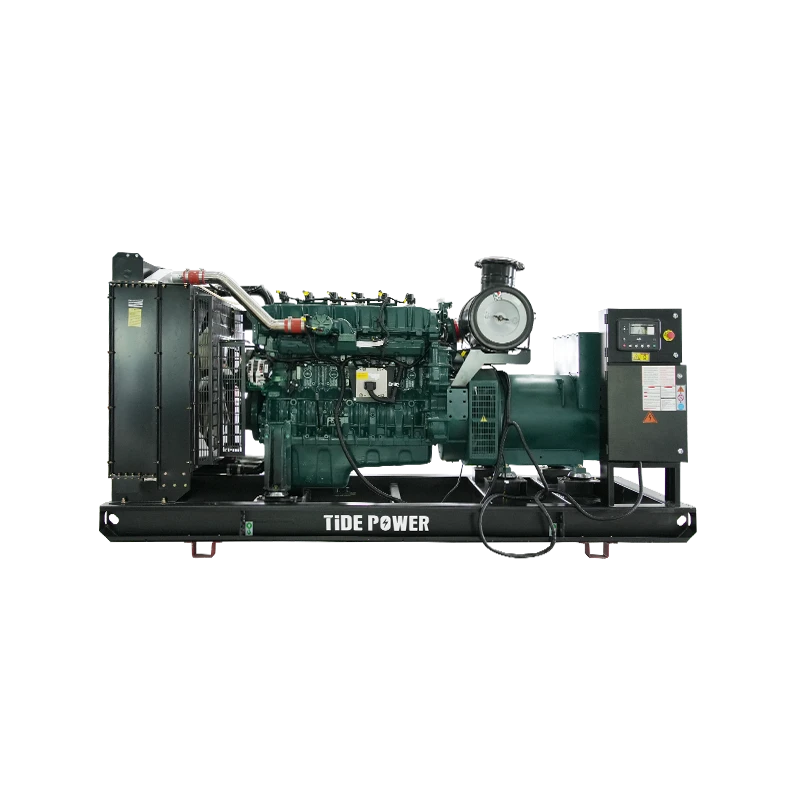
| Series | Engine options | Power range | Application note |
|---|---|---|---|
| Fenova Plus Series | Lister Petter | 5 kVA to 900 kVA | Long run reliability, compact silent design |
| Hemera Series | DCEC, Perkins, SME | 5 kVA to 650 kVA | Noise-sensitive facilities, CE and ISO compliance |
| Econic Series | Cummins, Perkins, DEUTZ, Baudouin, Tide Power | 16 kVA to 1650 kVA | Large tank design and extended runtime for critical sites |
Generator Configuration for Data Center Load Behavior
For data center backup duty, configuration decisions sit between the engine and the site. The alternator and voltage regulation affect how the generator reacts when the transfer switch closes. So do the governor, cooling system, and enclosure.
Block Loading and Transient Response
Block loading is the hard test. A data center generator may pick up 60 percent of rated load in a single step when a UPS recharges after transfer. The generator must recover voltage and frequency within the limits required by the facility, often in seconds. That demands an alternator with adequate excitation ceiling, a governor with fast fuel response, and an engine that is not overmatched by the step. A generator can meet kilowatt requirements and still fail this test if transient performance is underspecified.
Where the facility follows NFPA 110, the generator is part of the emergency power supply system and must meet load acceptance criteria within the stated classification. The starting system, block heater, and battery charger become compliance items, not maintenance afterthoughts.
Enclosure, Cooling, and Site Clearances
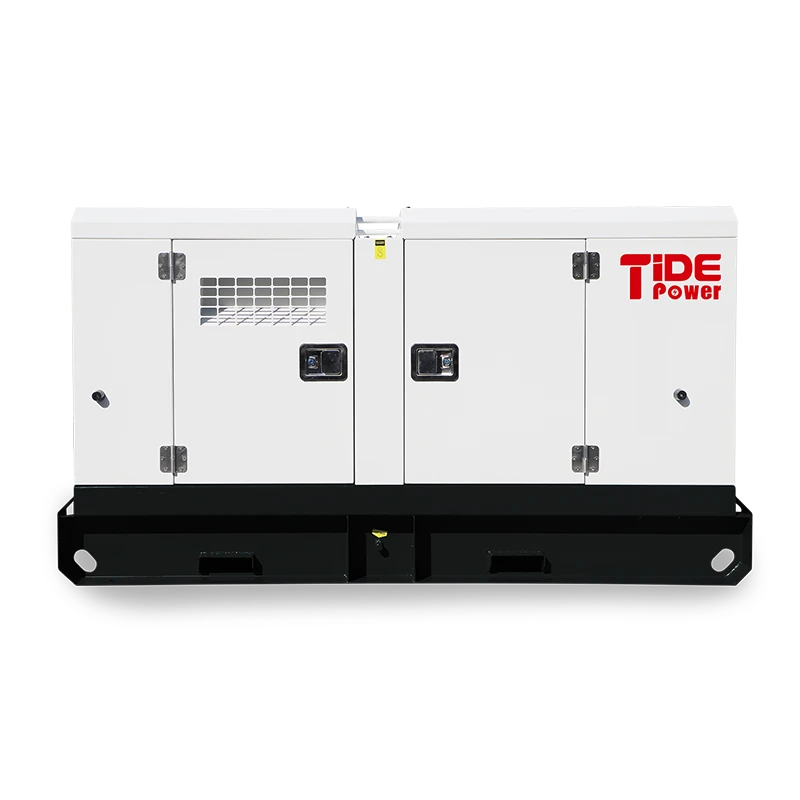
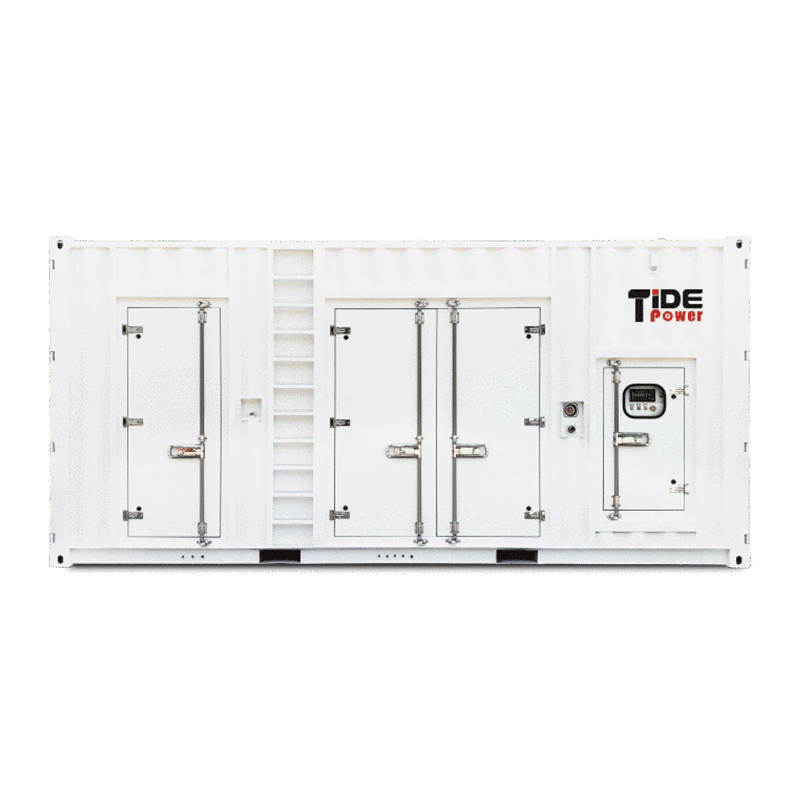
A silent canopy reduces noise at the property line, but it restricts airflow. The generator manufacturer must account for that restriction when calculating cooling. Containerized sets simplify outdoor installation and protect the unit, but they add heat rejection requirements and service access needs. In urban data rooms and rooftop installations, the enclosure type can determine whether the generator stays within temperature limits on the hottest day.
Tide Power’s Fenova Plus Series and Hemera Series are built with silent canopies, and the local site conditions still need checking before final selection.
Factory Acceptance and Site Documentation for Backup Power
Once the generator configuration is selected, the documents protect the project. Factory acceptance testing is the point where transient performance should be verified, not assumed. A load bank test with resistive and reactive steps shows how the generator responds to load changes before it leaves the factory. If the test report records only no-load voltage and frequency, the transient behavior that matters for block loading is missing.
Site acceptance testing repeats that verification after installation. Fuel supply, starting, transfer switch operation, and cooling airflow all form part of the test. For data center projects, request a test sequence that includes the actual load step or a defined proxy, not a soft ramp. The supplier should also hand over derating calculations for the installed altitude and ambient temperature. Without those documents, the commissioning team cannot explain why a generator behaves differently from its brochure data.
If your program involves rooftop installation, fuel storage limits, or a site above 1000 meters, these conditions change the configuration. Confirm the alternator thermal margin and site derating before finalizing the equipment schedule. Reach out at [email protected].
Confirming Backup Power Requirements With a Supplier
A backup power generator is not a standard part number. The right machine depends on load sequence, ambient data, fuel availability, and the acceptance tests the site will run. At Tide Power, we review those inputs before proposing a generator set, so the quotation matches the duty instead of assuming worst-case and selling oversized equipment. Send your site load profile, required runtime, fuel preference, and installation conditions to [email protected] or call +86 591 2806 8999. We will respond with a configuration check and a generator set proposal matched to your data center.
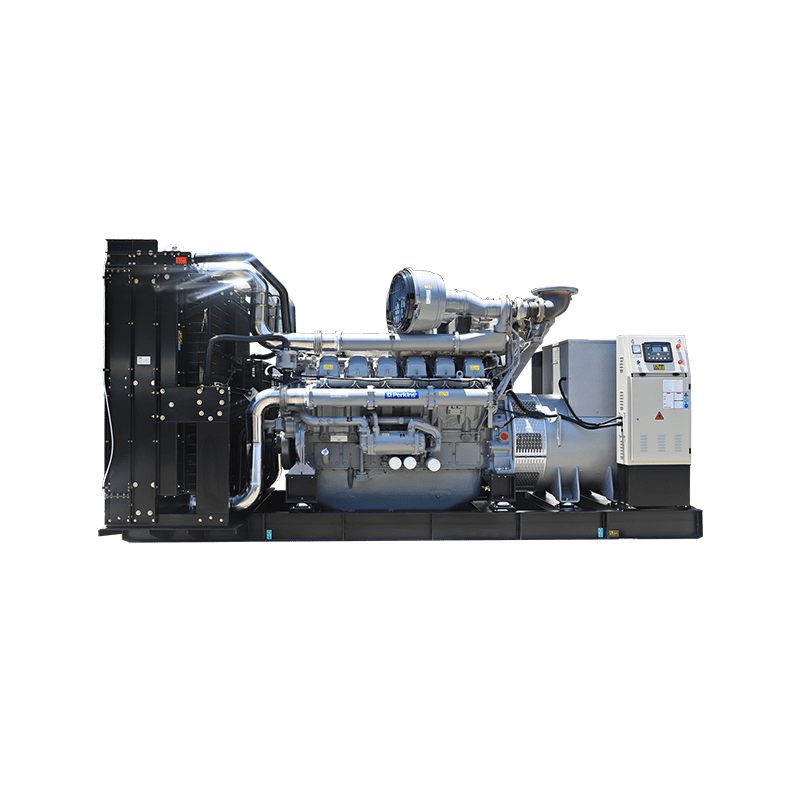
Common Questions About Data Center Backup Power Generation
Is a diesel or gas generator better for a data center?
A diesel generator is usually the stronger choice for data center backup power because on-site fuel storage simplifies operation when utility gas supply may be interrupted. Diesel engines also load-step more predictably in many generator set configurations. Gas generators can work where a reliable utility supply exists, but the data center then depends on an external fuel network. For most critical facilities, diesel remains the default unless local emissions rules or fuel availability change the calculation.
Does a larger generator always increase backup reliability?
Not always. Oversizing can create its own problems, including wet stacking in diesel engines that run lightly loaded, higher fuel consumption, and unnecessary footprint. Reliability comes from block load response, cooling margin, fuel quality, and maintenance, not from an inflated kVA number. A correctly sized generator that has been tested against the site load step is more valuable than an oversized unit that never reaches stable operating temperature.
How long should a data center backup generator run?
It depends on the outage risk the site is designed to manage. A short-duration facility may need only hours of fuel storage, while a remote or storm-exposed data center may plan for 24 to 72 hours or more. The generator rating, fuel tank size, and refueling contract all follow that runtime decision. Diesel generator sets with larger base tanks reduce refueling frequency, but that advantage must be weighed against space, weight, and local fire code limits.
What documentation should we request before accepting a data center generator?
On data center projects we have reviewed, factory acceptance test results, site derating calculations, and load step response records were the documents that prevented downstream disputes. Ask for the factory acceptance test report with load bank test data, the alternator thermal margin calculation, and final as-built drawings. If the supplier sends only dimensional drawings and warranty text, the engineering verification is still missing. These records should arrive before installation, because resolving a transient response issue after the unit is on the roof costs far more. If your current project is missing these records, share your generator specification and site location with [email protected] and we will confirm what documentation can be supplied.
If you’re interested, check out these related articles:
Installation of Tide Power Generator Sets at a South American University
A resounding success at the Tide Power 2024 Annual Gala Dinner