 EN
 ZH
 FR
 ES
 AR
Single-phase and three-phase diesel generators are not interchangeable options in the same output range. The right choice starts with the electrical signature of the load: the voltage, the number of live conductors, and whether motors start under load. Match that first, then fine-tune power rating, fuel, enclosure, and control features.
A single-phase set supplies one alternating voltage, usually 230 V or 120/240 V, with a neutral for small lighting and appliance loads. A three-phase set supplies three alternating voltages spaced 120 degrees apart, typically 208 V, 400/480 V, or other industrial service voltages. That difference determines whether a generator can safely start a chiller, pump, compressor, or production motor.
What Single-Phase and Three-Phase Power Mean
In a single-phase system, current flows through one live conductor and returns through neutral. The instantaneous power reaches zero twice during each AC cycle, so a sizable motor needs start components and more current for the same mechanical output. In a three-phase system, three live conductors carry AC waveforms separated by 120 degrees. The total instantaneous power remains much smoother, and a three-phase induction motor produces a rotating magnetic field without a capacitor start winding. This is why three-phase motors run more efficiently and tolerate heavier starting loads better.
| Consideration | Single-phase generator | Three-phase generator |
|---|---|---|
| Voltage topology | One alternating voltage with neutral | Three alternating voltages 120 degrees apart |
| Typical service voltage | 120/240 V or 230 V | 208 V, 400 V, 480 V, or other industrial voltages |
| Best-fit loads | Lighting, appliances, small tools, light commercial equipment | Motors, pumps, compressors, HVAC, industrial machinery |
| Motor starting | Single-phase motors need start windings or capacitors | Three-phase motors start under load with better torque |
| Power delivery | Instantaneous power pulses through zero | Smoother combined power delivery |
| Common generator size trend | Small standby and mobile sets | Commercial, industrial, and multi-load sites |
These are service-level differences, not a statement that one generator is always better.
The Decision Starts with Load Type
Make a load list before comparing generator brands. Separate loads into three groups:
- Resistive and electronic loads: lighting, computers, appliances, and small tools.
- Single-phase motors: small pumps, workshop fans, portable compressors, and light equipment.
- Three-phase motors and equipment: production pumps, chiller compressors, air handling units, lifts, large HVAC, and industrial machinery.
If most critical loads are groups 1 and 2, single-phase may be enough. If any essential motor is three-phase, or the distribution board feeds three-phase breakers, the generator must deliver three-phase power. Mixed sites can use a three-phase generator with balanced single-phase distribution, but a single-phase set cannot create a missing phase.
Where a Single-Phase Generator Fits
Single-phase diesel generators are practical for small commercial buildings, site offices, rural clinics, retail backup, and light service vehicles. They are simpler to install at low power and may have lower purchase cost because the alternator and distribution panel are less complex. The limit is not a fixed kilowatt number; it is load compatibility.
When selecting, check individual loads for high starting current. A small compressor may draw several times its running current. Size the generator for starting kVA and voltage dip, not only running kW. A low-cost set can meet running load but fail to start a motor when it matters.
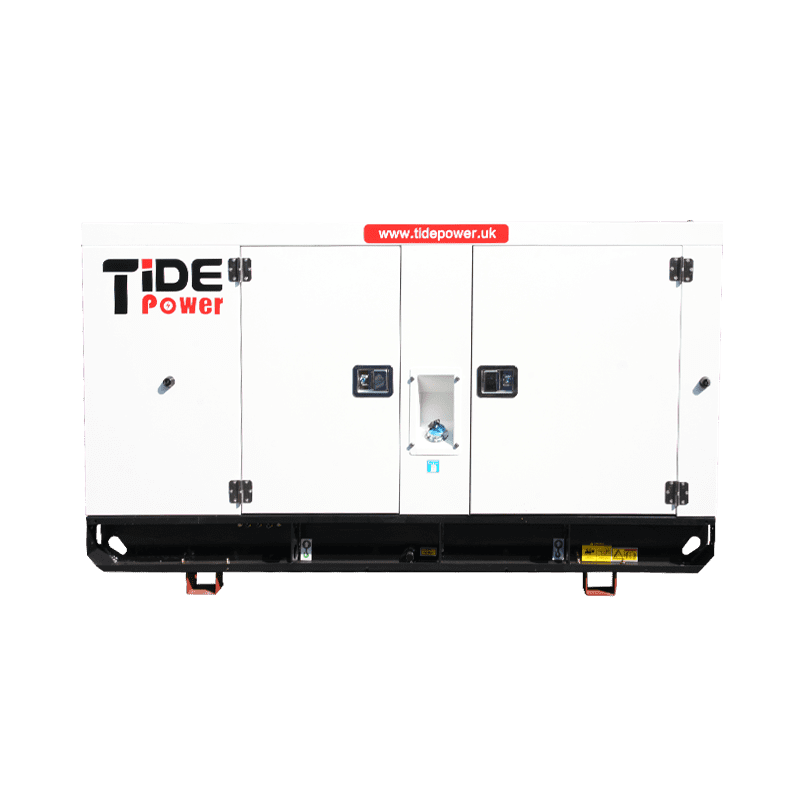
Compact silent sets such as the Panda Series often suit single-phase light commercial applications, while engine options like Lister Petter and Perkins can be selected where fuel availability and maintenance support matter.
Where a Three-Phase Generator Is Required
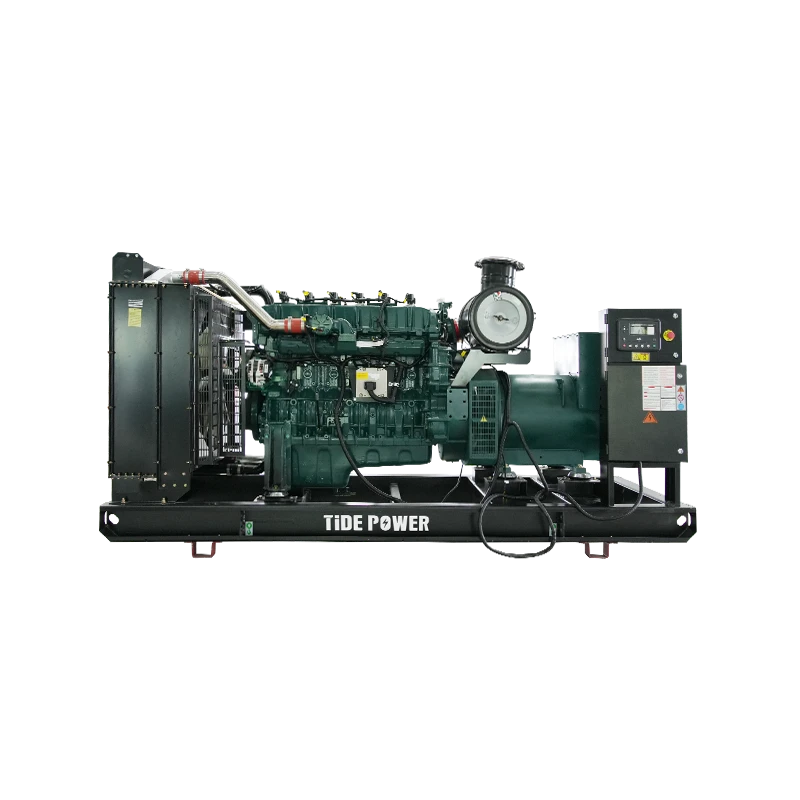
Three-phase diesel generators are the default for industrial facilities, data centers, water treatment, mining support, large commercial buildings, and multi-tenant infrastructure. The reason is motor compatibility and power distribution. A three-phase distribution panel can serve single-phase branch circuits while also feeding three-phase equipment, so it gives a more flexible site topology.
Motors above a few kilowatts are commonly three-phase because they have better starting torque and lower current per conductor. If the generator cannot supply the correct phase rotation, a three-phase pump or compressor may run backwards or trip protection. For critical plants, confirm rotation during commissioning and check the transfer switch is rated for the same phase configuration.
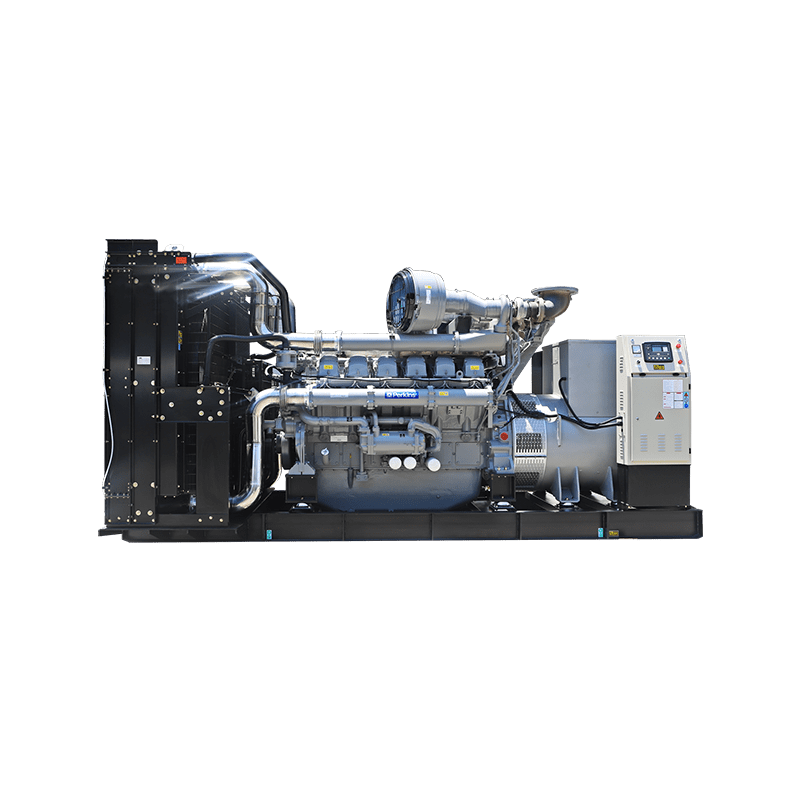
Many industrial generator sets use field-proven engines such as Perkins or Lister Petter, but the alternator configuration must match the site.
The installation environment also affects panel placement, fuel supply, and commissioning checks. <Installation of Tide Power Generator Sets at a South American University> covers how generator sets were deployed in a campus power project.
Selection Checks Before Final Specification
- Record nameplate data for every essential load: voltage, phase, frequency, running amps, and starting amps or locked-rotor amps.
- Separate continuous, standby, and motor-starting loads. Do not add all nameplate kW as if everything runs at once.
- Select voltage and phase configuration from the distribution board, not from the largest motor alone.
- If using a three-phase generator with single-phase branch loads, balance loads across phases and keep neutral current within design.
- Check the transfer switch, protection, and cables for the same phase and voltage.
- Confirm whether the site requires 50 Hz or 60 Hz and the local supply grounding arrangement.
How to Avoid Overbuying the Generator
Overbuying usually comes from treating generator rating as a simple kW sum. A 50 kW generator may be the correct selection for a site with only 22 kW of running load if a 30 kW motor starts across the line. In that case, the oversizing is not waste; it is starting capability. Conversely, if the load is mainly lighting and electronics, an oversized diesel set may run at light load and wet-stack or increase fuel cost. Size the generator around running kW and starting kVA, then add the required margin for site conditions.
Product range matters after the electrical requirements are fixed. A supplier such as Tide Power offers silent diesel generator sets from 5 kVA to 900 kVA, so the selection can follow load characteristics rather than being limited to one engine brand or configuration.
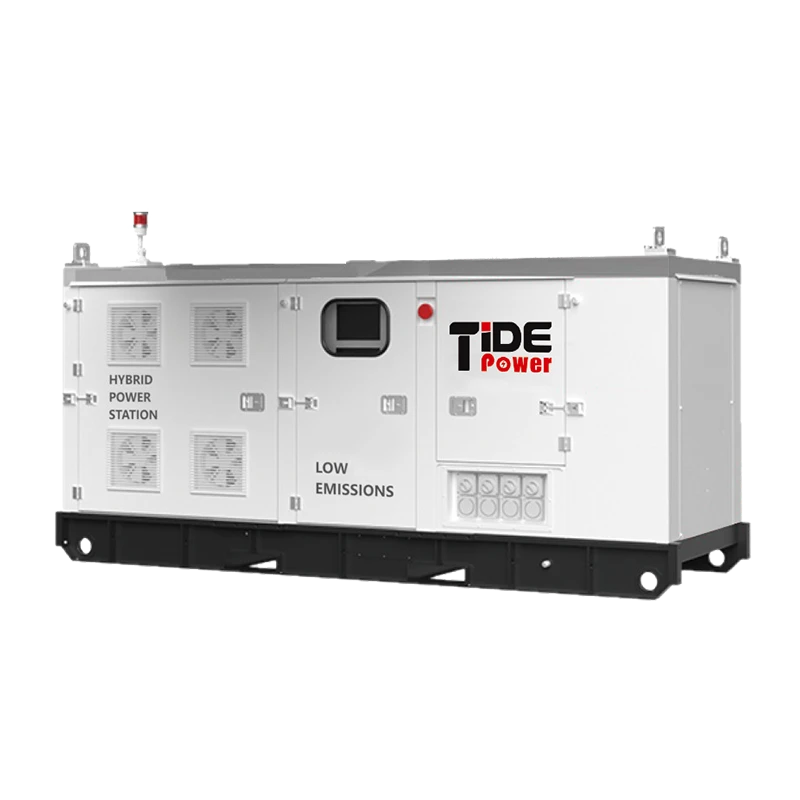
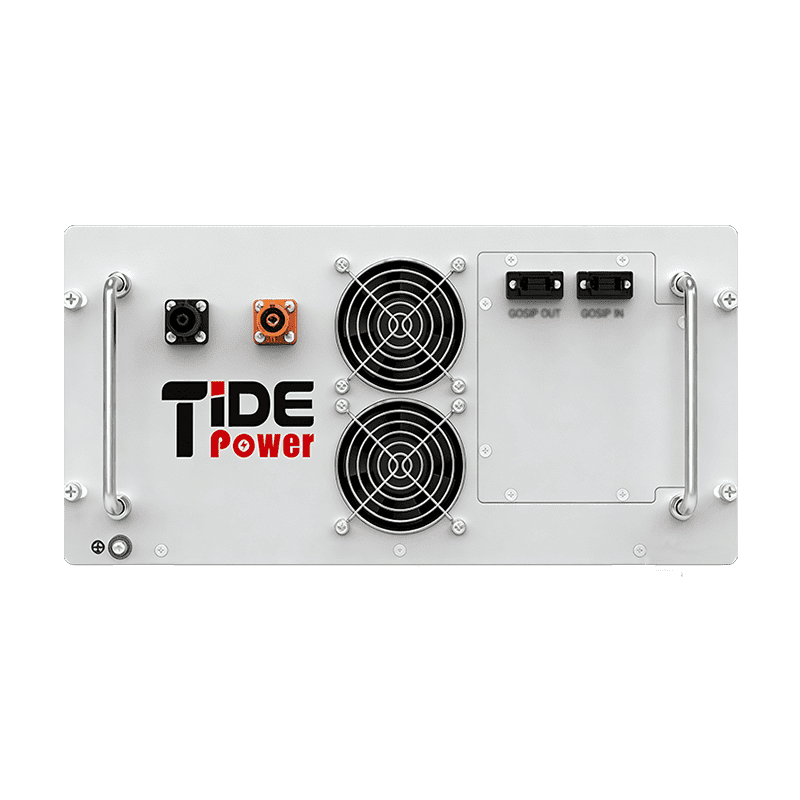
If battery or solar integration may be required later, check whether the generator must work only as standby or also synchronize with storage. Hybrid stations such as the TP-60P and LFP battery modules can be added to some sites, but phase selection should still be based on the critical load served immediately.
Confirm the Site Data Before You Specify
Ready to move from comparison to specification? Send the load list, target voltage, phase, running kW, starting kVA, and whether the site is single-supply or distributed. Tide Power Technology Co., Ltd. can help match the generator set to the measured demand. Email [email protected] or call +86 591 2806 8999.
FAQ
Can a three-phase generator supply single-phase loads?
Yes. A three-phase generator can supply single-phase branch circuits, but balance the load across phases. Avoid loading one phase heavily while leaving others empty; that can create voltage imbalance and overheat the alternator.
Can a single-phase generator run a three-phase motor?
Not directly. A phase converter or variable-frequency drive may operate a small three-phase motor, but it adds losses, derates starting performance, and complicates protection. For critical or multiple three-phase loads, select a three-phase generator.
How do I tell whether my equipment needs single-phase or three-phase power?
Check the nameplate. Single-phase equipment often lists 120 V, 230 V, or 120/240 V. Three-phase equipment usually lists 208 V, 400 V, 480 V, or similar voltages with 3Ph and possibly a delta or wye symbol.
Is three-phase always more expensive than single-phase?
Not automatically. Three-phase sets may have a higher initial cost at very small sizes, but they reduce current, use less copper for the same kW, and can serve mixed sites. If the site has three-phase motors, a single-phase set may be unusable regardless of price.
What is more important for sizing: running kW or starting kVA?
Starting kVA often decides the set. Motor starting can draw several times running current and depress voltage. Size for the largest starting load plus running load, then apply site derating if needed.
If you’re interested, check out these related articles:
How to Determining Wattage Requirements
How to Choose the Right Pump for Your Industrial Needs
High Altitude Mine Natural Gas Power Generation Project
Tide Power 2025 Global Journey: First Half Triumph