 EN
 ZH
 FR
 ES
 AR
Biogas generator selection for sustainable power starts with the fuel source before the unit rating. A generator set can deliver reliable output only when the methane concentration, gas pressure, and contaminant load are matched to the engine package and its control system. This guide explains how a biogas engine produces power, what to check before comparing suppliers, and which site conditions change the equipment specification. It also shows how to turn an inquiry into a supplier proposal that includes derating assumptions, gas train scope, and long-term service requirements.
How a Biogas Generator Produces Sustainable Power
A biogas generator works like a spark-ignited gas engine set, but the fuel enters from a digester, landfill, or biogas collection process rather than a natural gas pipeline. The engine burns methane in controlled combustion, converts the engine’s shaft power into electricity through an alternator, and releases heat that can be recovered for process heating or building loads. The sustainability benefit depends on the source: biogas captures methane that would otherwise escape from waste or agricultural operations and uses it as a fuel.
Different biogas sources create different preparation requirements. The table below is a planning aid, not a substitute for a site fuel analysis.
| Biogas source | First risks to evaluate | Fuel train implications |
|---|---|---|
| Agricultural or manure biogas | Hydrogen sulfide and moisture | H2S removal, condensate drains, corrosion-resistant gas handling |
| Wastewater treatment biogas | Hydrogen sulfide and siloxanes in some waste streams | Gas scrubbing, pressure management, continuous monitoring |
| Landfill gas | Siloxanes, trace halogens, variable methane content | Siloxane abatement, gas analysis, possible blending or cleanup |
| Food and organic waste biogas | H2S and water vapor from wet feedstock | Moisture separation, sulfide removal, stable digester pressure control |
Because methane concentration and contaminant levels vary, the generator cannot be treated as a fixed-output machine. The engine must be protected at the fuel inlet, and the electrical output must be understood as a derated value that depends on the actual gas quality.
Matching the Engine to Your Biogas Source
A gas engine cannot be selected by electrical rating alone. The key engine requirement is fuel compatibility including methane number, gas pressure, contaminant limits, and continuous load. The engine must be calibrated for the expected gas composition, or output, starting reliability, and maintenance intervals will shift. A source with stable digester gas is easier to match than landfill gas with variable methane and siloxane content.
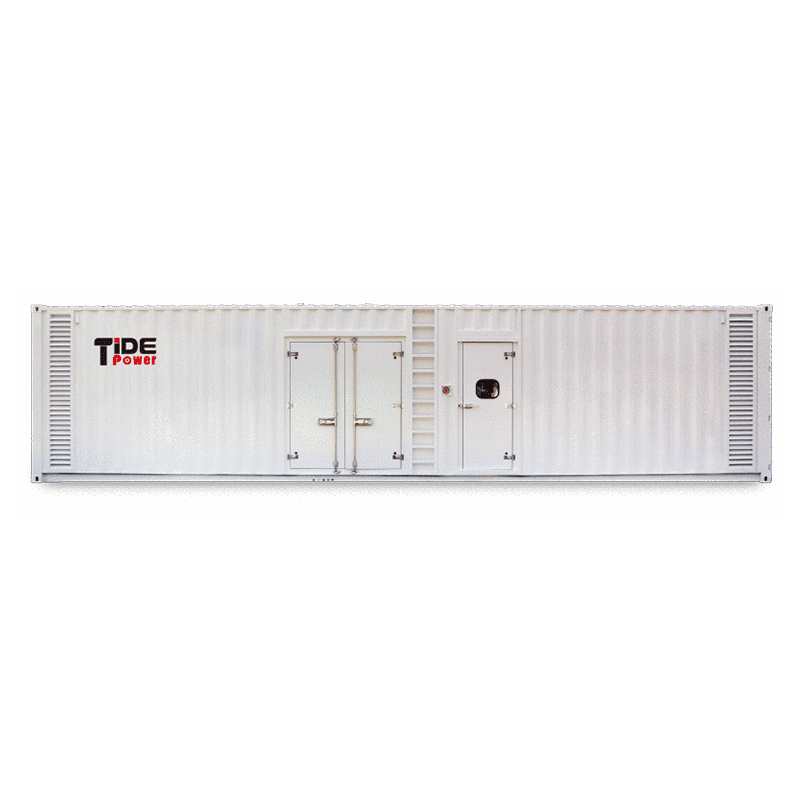
Tide Power’s gas generator lineup illustrates how the same project question leads to different platforms. The MWM-based gas generator sets cover 600 to 4500 kVA for larger baseload and grid-connected projects, while the Lister Petter gas generator sets cover 28 to 563 kVA and use Jupiter Series gas engines rated from 22 to 500 kW at 1500 to 1800 rpm for smaller distributed and off-grid sites. The important choice is not just power, but the engine package that can handle the actual fuel analysis over the operating lifetime.
A complete package should be specified as a generator set with the gas train and controls included, not as a bare engine. Customizable packaging matters when the site has limited access, skid requirements, or a future plan to add parallel units.
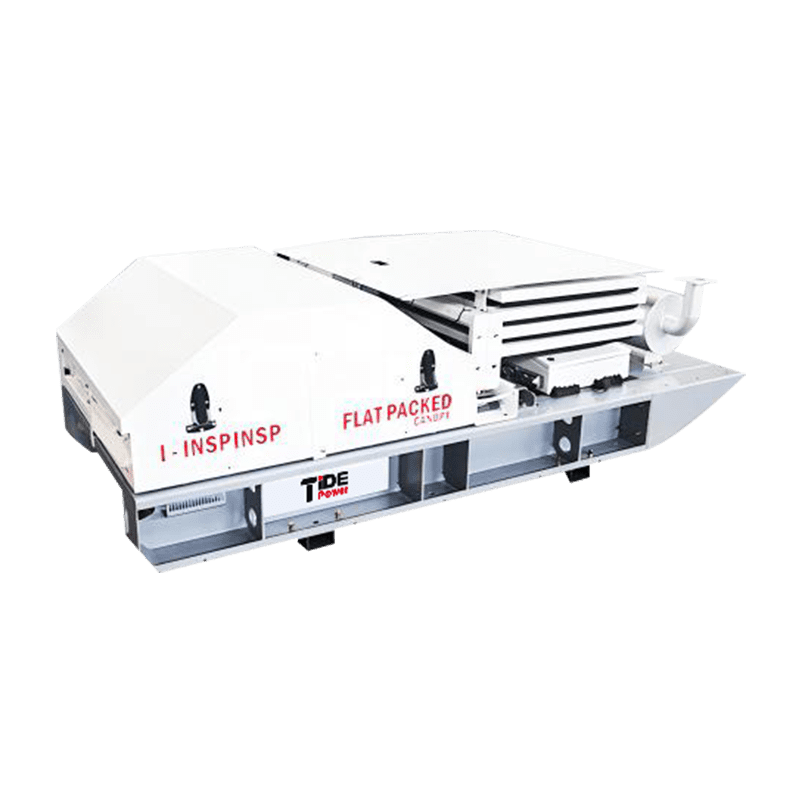 Catalog records should be read as supplier-rated starting points, not site guarantees.
| Record | Method context | Responsible use | Do not infer |
|---|---|---|---|
| MWM gas generator set, 600 to 4500 kVA | Tide Power product catalog, gas engine package | Supports project classification for industrial and large biogas plants | That output is guaranteed at every methane content, altitude, or temperature |
| Lister Petter gas generator set, 28 to 563 kVA | Tide Power product catalog, Jupiter Series gas engines | Supports distributed biogas and smaller project sizing | That fuel consumption and service intervals will stay constant without gas conditioning |
Gas Conditioning and Fuel System Requirements
The gas train is usually more important than the generator enclosure. Biogas arrives wet, low pressure, and chemically reactive. A proper fuel system removes moisture, filters particulates, reduces hydrogen sulfide where required, and supplies gas at the pressure and flow the engine expects. If the gas is not conditioned, engine components such as valves, heat exchangers, and sensors fail earlier. Siloxanes from landfill gas are especially harmful because they form abrasive deposits during combustion.
The main fuel system tasks are:
- Condensate removal and low-point drains
- Particulate filtration
- H2S removal or blending depending on engine limits
- Siloxane abatement for landfill gas
- Pressure regulation and safety shutoff
Request the supplier’s fuel specification before buying the engine. The specification should state the minimum methane concentration, maximum hydrogen sulfide, maximum moisture, and allowable gas pressure range. Compare that specification with a laboratory fuel analysis from the actual digester or landfill, not from a similar project.
| RFQ field | What to request | Why it matters |
|---|---|---|
| Fuel analysis | CH4, CO2, H2S, moisture, siloxanes, supply pressure range | Prevents engine derating and early component damage |
| Engine rating basis | Continuous, prime, or standby rating at site gas and climate | Stops a nominal kVA figure from hiding derating |
| Gas train scope | Moisture removal, filtration, H2S or siloxane treatment, pressure control | Defines who supplies and integrates the fuel system |
| Commissioning records | Load bank test, gas analyser readings, safety shutdown test | Shows the unit was proven under actual gas conditions |
| Service plan | Overhaul interval, spare parts availability, remote monitoring | Matches the engine to long-term fuel and site conditions |
| Emissions limits | Guaranteed pollutant levels for the local permit | Avoids a generator that cannot operate at the site |
Useful inquiry wording follows.
Reject this request: “We need a 1 MW biogas generator.”
Replace it with: “We need a generator set for continuous operation at our site using biogas with the attached fuel analysis, site altitude and ambient conditions, the proposed gas train scope, emissions limits, and commissioning tests defined.”
Economic and Environmental Tradeoffs
Biogas can reduce fuel purchases and capture methane that would otherwise contribute to greenhouse gas emissions. The financial case, however, depends on the cost of gas treatment, the value of waste heat, and operating hours. A generator that runs as baseload for many hours per year can spread the cost of cleaning equipment more effectively than a unit that only runs for occasional backup. If heat recovery is included, the same fuel can supply both electricity and hot water, which changes project economics. If the site cannot use the heat, the package must still pay for itself from power output and any available incentives.
Fuel choice is not only a cost decision. Diesel units are widely used for standby power and fast load response, while biogas units are better suited to continuous operation where the gas supply is stable and the heat can be used. The generator control and gas train must be designed for that duty, not borrowed from a diesel package.
A biogas generator is not a drop-in replacement for a diesel unit, and the right choice depends on fuel availability, operating hours, and site emissions limits. <Diesel vs. Gas Generators: Which Is Right for Your Industry?> covers the fuel comparison factors that influence generator selection.
How to Size and Specify a Biogas Generator Project
Start with the load profile, not the generator size. List the continuous load, motor starting loads, and any future expansion. A biogas engine performs best near its rated output for long periods, so avoid sizing it to cover a rare peak. If the site has a small baseload and infrequent peaks, a smaller generator with storage or a grid connection may be more effective than a large unit that idles or cycles.
Confirm the operating mode with the supplier: island mode, grid parallel, or standby. Island mode requires frequency and voltage control plus enough spinning reserve for load steps. Grid parallel requires protection and synchronization. The answer determines the control panel, excitation, and protection settings.
A practical sizing sequence is:
- Define continuous and peak load.
- Obtain a current fuel analysis and gas pressure profile.
- Confirm altitude and ambient temperature.
- Decide island or grid-parallel operation.
- Request derating curves and emissions data.
- Compare complete packages including gas train and commissioning.
Integration with Storage, Hybrid Systems, or Grid Export
A biogas generator can operate alone, but integration with storage often improves efficiency and response. The engine can run at a stable high-efficiency point while the battery absorbs short-term load changes, reducing part-load operation and start and stop cycles. This is especially useful for off-grid sites where solar or wind supply is variable.
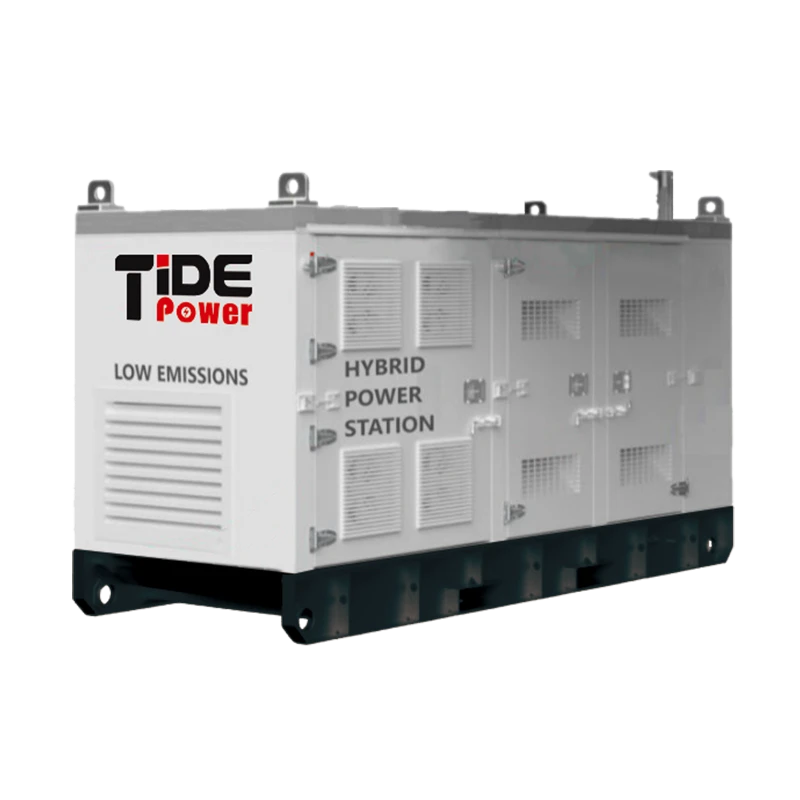
For small agricultural or community sites, a compact hybrid power station can coordinate the biogas set, solar input, and battery storage so the engine does not need to follow every load fluctuation.
When the site includes a battery, the generator can respond to the base demand while the battery handles quick load steps. A battery module may be sized according to how long the storage must cover a cloud passage or motor start.
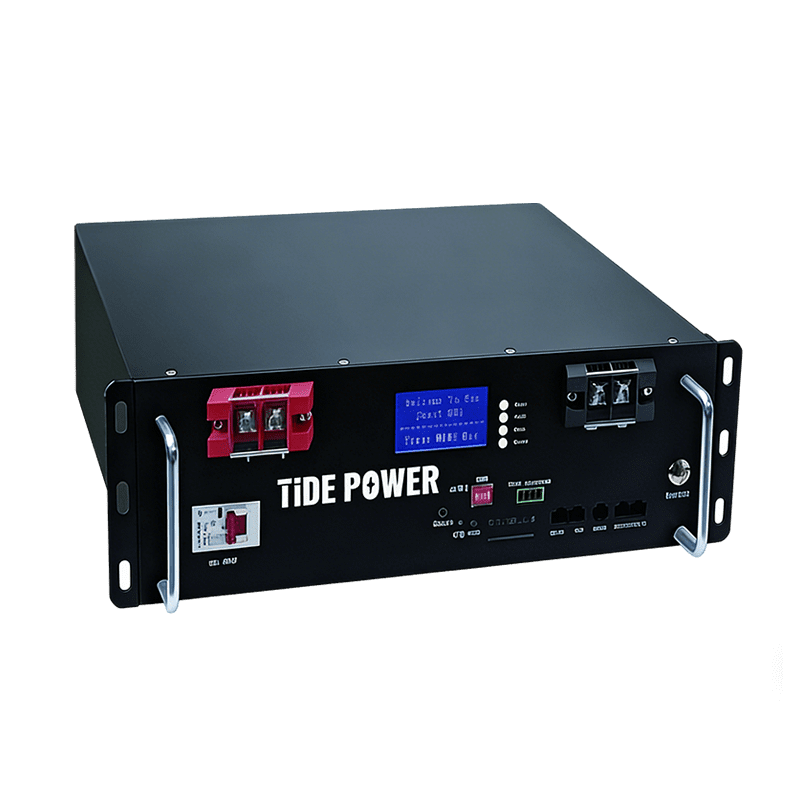
For medium and larger sites, all-in-one and split hybrid configurations can combine the biogas generator with a larger battery system. The right configuration depends on whether the installation operates as an off-grid microgrid, a grid-parallel generator, or a peak-shaving system.
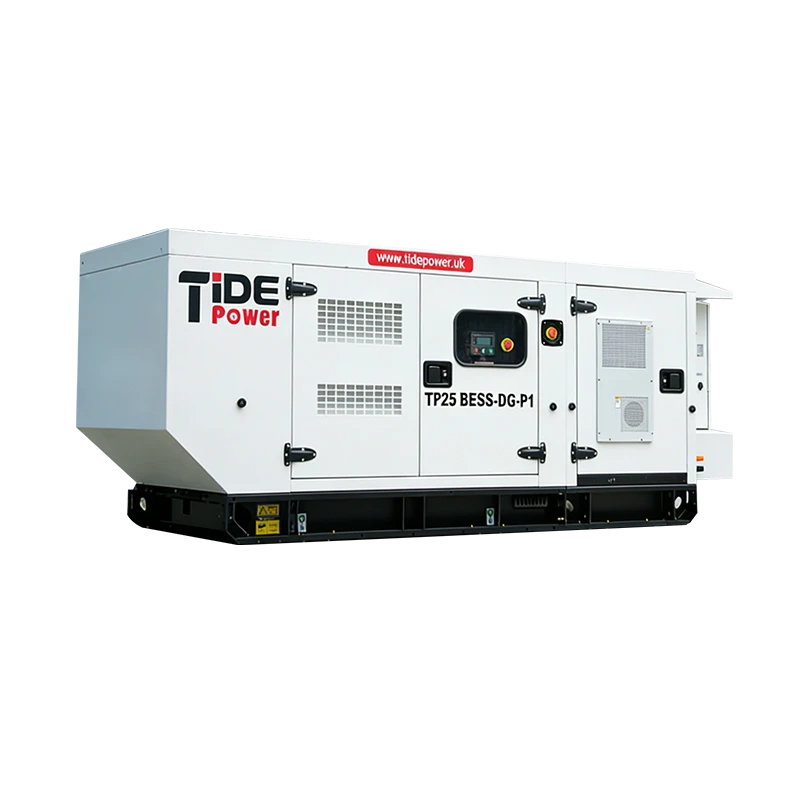
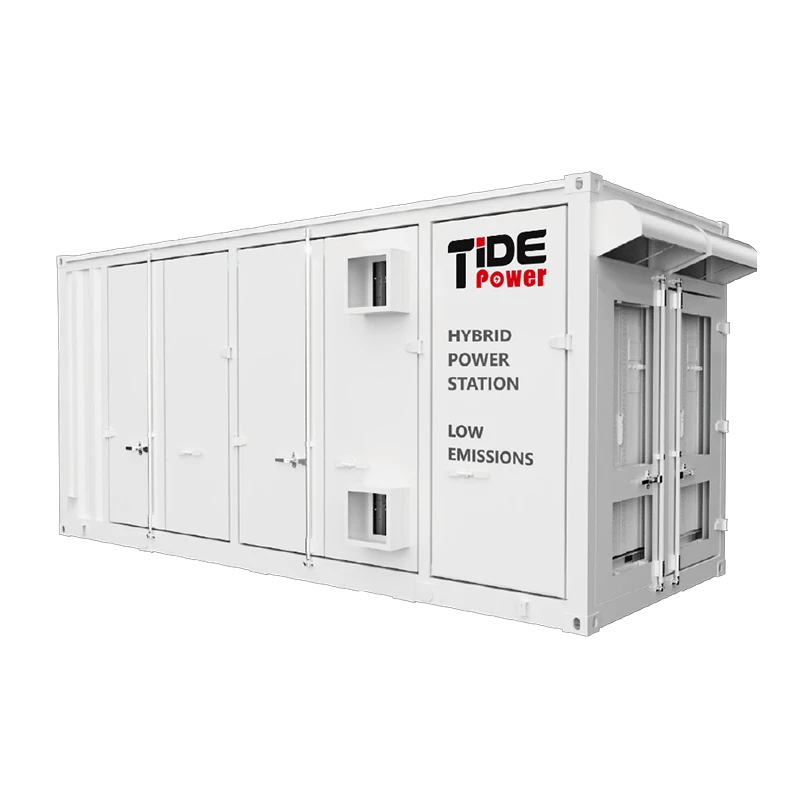
Storage does not replace engine care; it changes the operating strategy. The biogas set still needs stable gas quality, correct oil and coolant temperatures, and a maintenance schedule based on running hours, not calendar days.
When a biogas generator is sized for the correct baseload, adding storage can make the overall power system more responsive and reduce inefficient part-load operation. <Energy storage power stations, development direction of clean energy> covers how storage development supports cleaner power systems.
Next Step for Your Biogas Generator Project
Send a short project brief to begin the technical review. Include the biogas source and expected methane concentration, continuous and peak load, site altitude and ambient temperature, available gas pressure, and whether the unit will operate in island mode or grid parallel. A useful proposal will return derating assumptions, gas train scope, emissions limits, and commissioning tests, not only a price. Contact the team at [email protected] or +86 591 2806 8999.
FAQ
Can a biogas generator run on natural gas as well?
Many gas engines can operate on natural gas and biogas, provided the fuel system and engine calibration are changed to match the gas composition. A unit set up for natural gas should not be moved to biogas without a fuel analysis and recalibration, because methane content, impurities, and gas pressure differ. Some packages are designed for dual gas capability from the start.
What is the most important fuel parameter to confirm before sizing a biogas generator?
Methane concentration is the starting point, but hydrogen sulfide, moisture, siloxanes, and gas pressure are equally important. Low methane will reduce output, while sulfur and siloxane compounds can damage the engine. Always compare the supplier’s stated fuel limits with a laboratory analysis from the actual site.
Can landfill gas be used in a standard biogas generator?
Landfill gas can fuel a gas generator, but it usually requires more gas treatment than digester biogas. Siloxanes and trace halogens must be removed or kept within the engine manufacturer’s limits. The engine should be chosen and derated for the actual gas analysis, not for a generic biogas specification.
How does a biogas generator compare with a diesel generator for sustainable power?
Biogas generators convert a waste stream into electricity, which can reduce fuel purchases and methane emissions. Diesel sets often provide faster black start and simpler fuel storage, but they rely on purchased diesel and produce different emissions. The better choice depends on operating hours, fuel supply, heat recovery, and local emission rules.
What should a supplier proposal include?
A serious proposal should include the engine rating at the site’s gas quality and altitude, derating curves, the complete gas train and its suppliers, emissions guarantees for the local permit, commissioning tests, and service intervals. Avoid proposals that show only a nominal kVA rating without the site conditions.
If you’re interested, check out these related articles:
Tide Power Shines at WETEX 2025 Dubai, Drawing Major Attention with Smart Hybrid Storage and Efficient Dewatering Solutions
Diesel vs. Gas Generators: Which Is Right for Your Industry?
Powering Critical Industries: Tide Power Z Series Pumps & Industrial Generators Deliver Unmatched Performance