 EN
 ZH
 FR
 ES
 AR
5G base station power requirements are shaped by more than the radio output. A site must supply stable DC to active antenna units, baseband processing, transmission equipment, cooling, and monitoring, while keeping the battery charged and the backup source ready. For planners and procurement teams, the useful question is not only how much power the site draws at peak, but how the load behaves during grid loss, high traffic, and remote hybrid operation. This article explains the load architecture, sizing decisions, and backup choices that determine whether a 5G site stays online and serviceable.
What Changes in a 5G Base Station Power Load
A 5G site is not simply a 4G site with a larger radio. It often carries more active antenna elements, more simultaneous beams, and higher processing demand. The radio load can vary sharply with traffic, and cooling demand changes with climate, cabinet type, and equipment density. Because active antennas may be mounted close to the antenna, the power system has to serve a distributed DC load instead of only a sheltered indoor cabinet.
The planning consequence is that the site’s peak load alone is not enough. The design also needs to account for battery recharge time, generator startup, and the voltage drop between the rectifier and the radio unit. A site that meets the peak number on paper can still fail if the DC feed is undersized for a remote radio or if the battery cannot recharge within the available grid window.
Power Architecture That Keeps a 5G Site Running
A reliable 5G power architecture separates the grid supply, backup source, rectification, DC distribution, and load protection. The utility feed enters through protection and transfer equipment, the rectifier converts AC to a stable DC bus, and the battery and radio loads share that bus. When the grid fails, the battery holds the load until the backup source starts or the site sheds non-essential equipment.
The important design choice is which loads are essential. Radio, baseband, and transmission equipment usually remain protected. Cabinet fans, air conditioners, and future expansion loads may be placed on a separate path so they can be shed during a long outage without dropping service.
| Power block | Planning question | Main decision |
|---|---|---|
| Utility input and transfer | What is the supply type and reliability? | Confirm transfer equipment and whether a generator or hybrid source is needed. |
| Rectifier modules | What is the true peak DC load? | Size modules for load plus battery recharge margin and future expansion. |
| Battery bus | How long must the site run without grid support? | Select capacity and discharge limits that protect service without over-discharge. |
| Load distribution | Which loads must stay on during an outage? | Separate essential and sheddable loads with separate protection. |
| Monitoring | Which alarms must reach the operations center? | Include rectifier, battery, generator, temperature, and door alarms. |
How to Size Backup Power and Battery Storage
Sizing starts with a measured site load list, not only the manufacturer’s nameplate total. The continuous load should be separated from short-term peaks, and the rectifier should be sized for the continuous load plus the current needed to recharge the battery after an outage. If recharge is ignored, a site may recover after a short outage and then fail again because the battery never returned to full charge.
Battery runtime is the second decision. It depends on required autonomy, site access, refueling or maintenance windows, and temperature. LFP battery modules are often used in modular cabinets because they can be paralleled to match the site’s runtime without committing to a single oversized string. The supplied Tide Power storage range, for example, includes 5.12 kWh LFP battery packs, 16.1 kWh LFP battery modules, and TP-200BESS configurations that allow the battery plant to be matched to the site load.
For the battery, planners should fix two numbers before ordering: the load that must remain powered and the hours that load must survive without a recharge source.
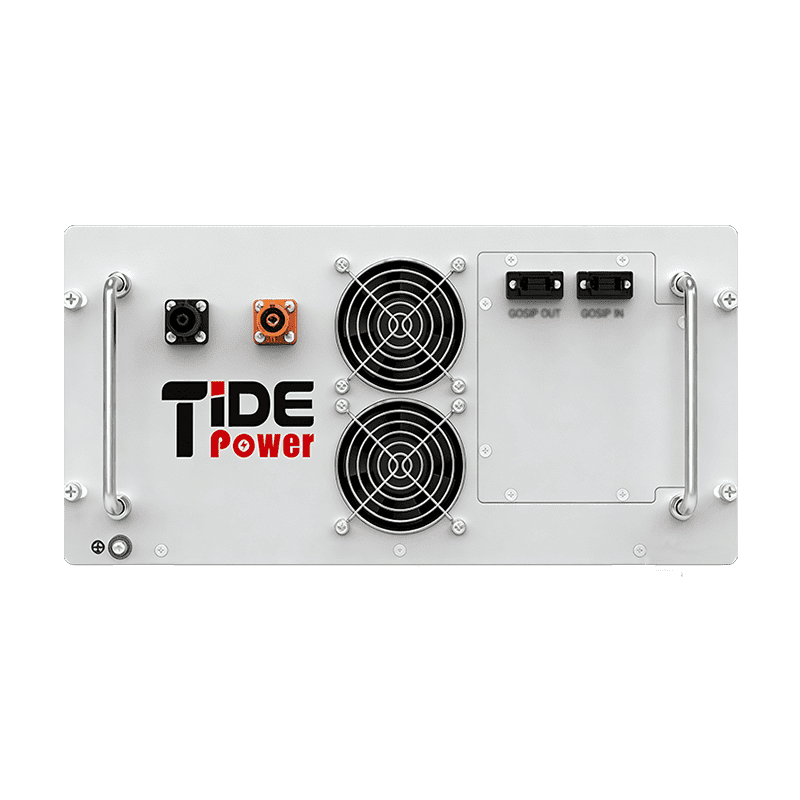
Modular battery capacity helps planners match autonomy time to site conditions, but the battery must also support the rectifier and remote monitoring. <Tide Power BESS: The Future of Intelligent Energy Storage> covers BESS configurations for intelligent energy storage applications.
Hybrid Power Options for Grid-Poor 5G Sites
For sites with weak, seasonal, or expensive grid supply, a hybrid architecture can reduce generator dependency. Solar input, battery storage, and a diesel generator share the DC or AC bus under a controller that decides which source serves the load and when the generator starts. This is different from a simple diesel-only backup because the battery can cover short grid failures while solar reduces runtime and noise.
The design is most useful when the site has space for solar, a clear maintenance plan for the generator, and a controller that can switch sources without dropping the load. A hybrid system should still be treated as a power availability decision, not only an emissions decision: the generator must be reliable for the longest expected outage, and the battery must be able to accept renewable charge without overcharging. The available hybrid range includes all-in-one and split configurations, with power units from 10 kVA to 250 kVA and LFP battery modules for storage. Millisecond-level switching supports critical loads, but commissioning must still verify the transfer behavior under the site’s actual load.
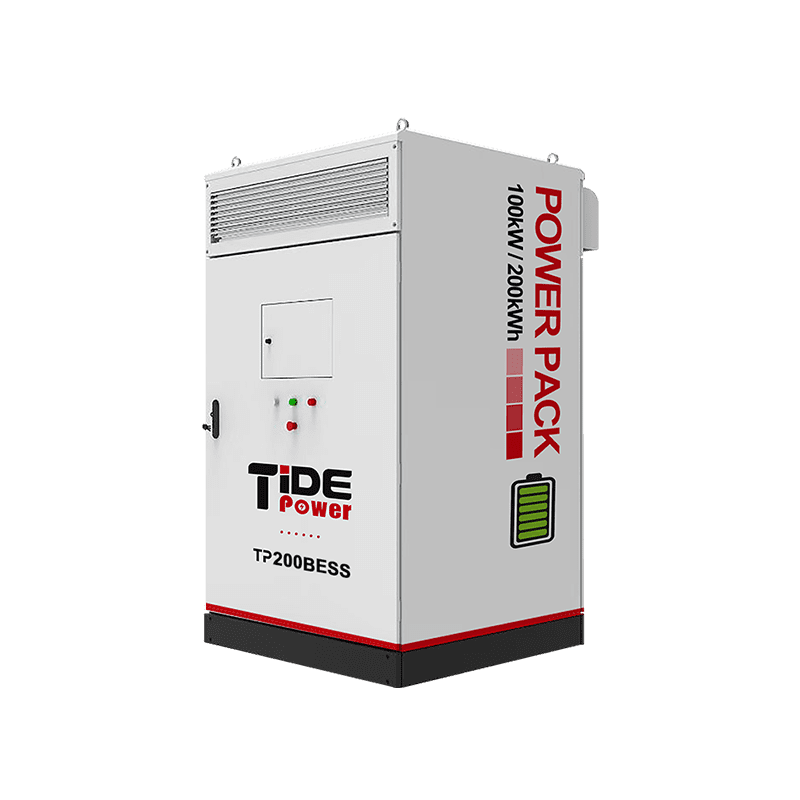
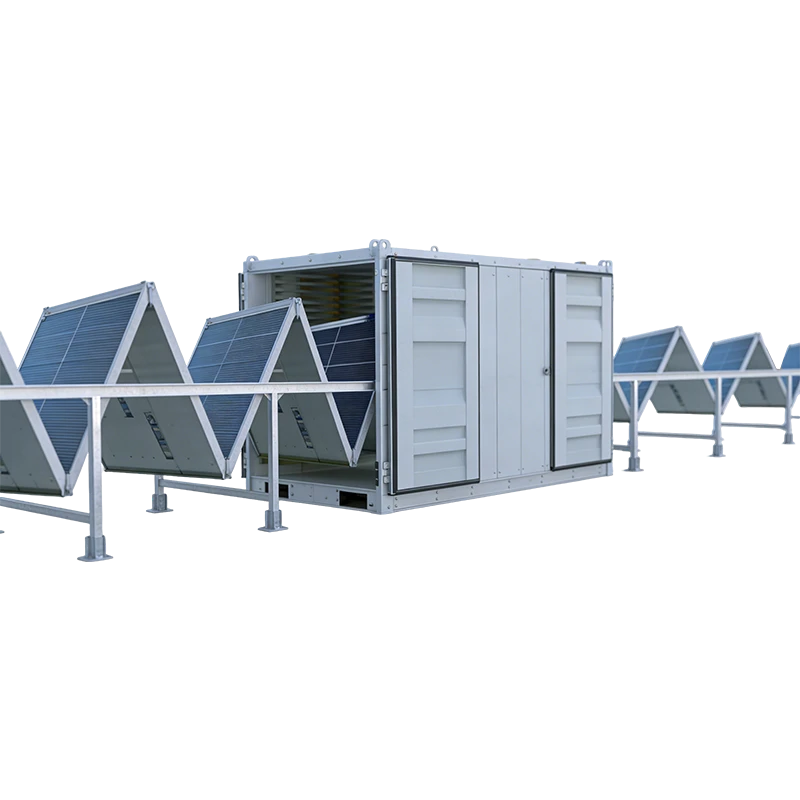
Hybrid designs are becoming more common where grid reliability is low, but the control and commissioning burden is higher than a fixed generator. <Tide Power Unveils Advanced Hybrid Power Solutions, Redefining Industrial Energy Resilience> covers hybrid packages applied to critical industrial and remote power needs.
Site Acceptance Checks Before 5G Power Handover
Before handover, the power system should be tested as a complete path, not as separate equipment. Start with a load-bank or equivalent test that verifies the rectifier, battery, and distribution path can support the site’s actual radio and baseband load. Then simulate a grid failure and confirm the battery holds the load, the generator starts within the expected window, and transfer back to grid occurs without a service drop.
The acceptance record should include the configured charge voltage, battery discharge limits, generator start/stop settings, and the alarm list sent to the operations center. If a temperature or battery-state alarm is not visible remotely, the site is not ready for unattended operation.
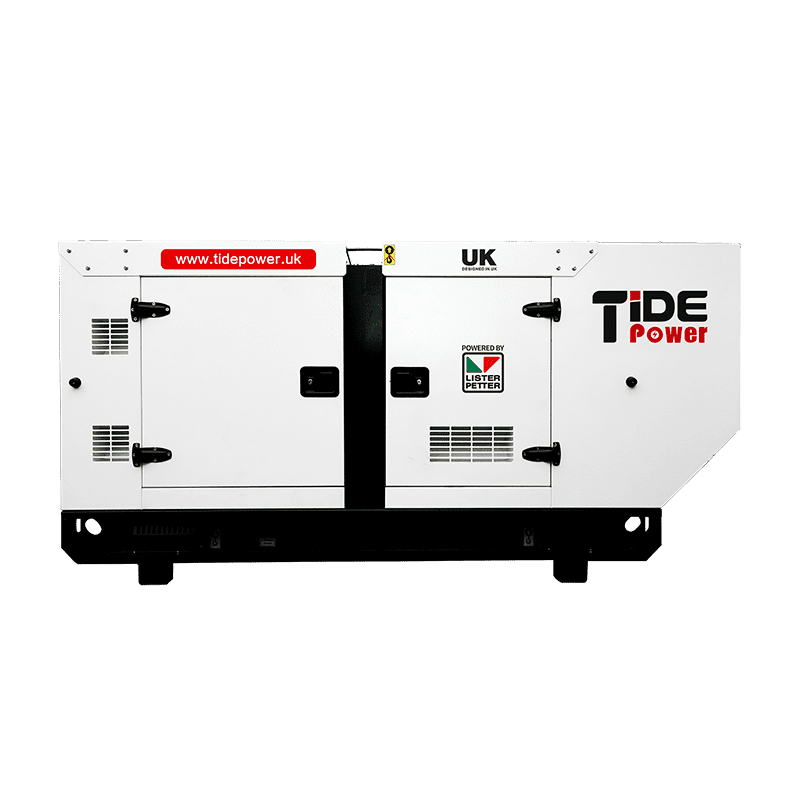
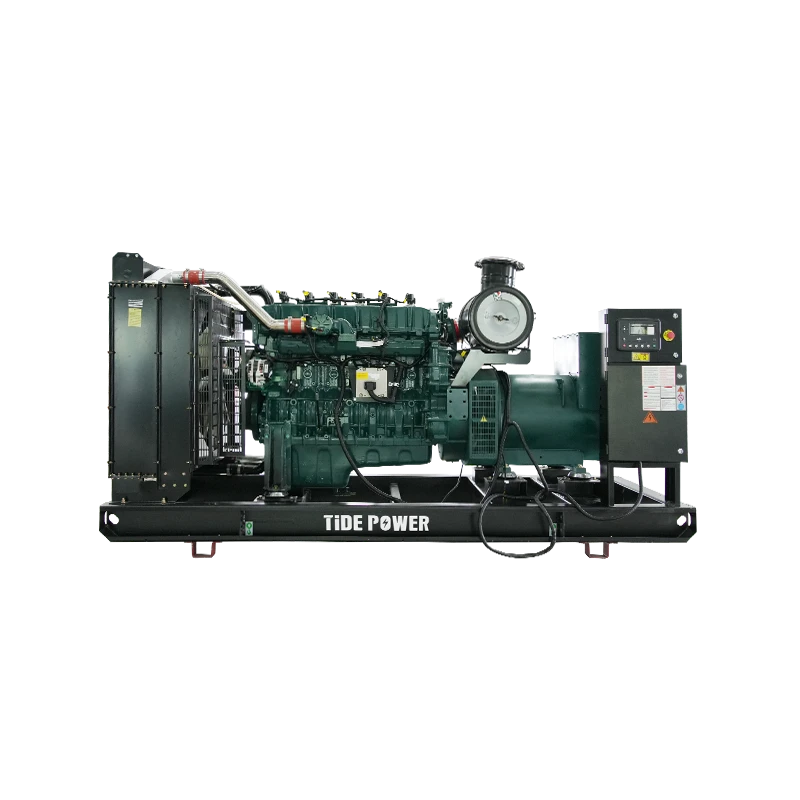
For a site that requires a generator, the selected set should match the site’s starting and continuous load, and the canopy or enclosure should suit the noise and access constraints. A soundproof design with a Lister Petter engine option can reduce site disturbance, but the generator’s fuel reserve and service access still determine whether it can support a long outage.
Common Power Failures and How the Design Should Prevent Them
Most avoidable 5G power failures come from a mismatch between the original design and the operating reality. The first is an undersized DC path: the rectifier and battery may be sized for the radio cabinet, but the cable to a roof-mounted active antenna is not checked for voltage drop under peak load. The second is battery aging. A battery that passed initial capacity can degrade faster in high temperature or after frequent partial cycles, so maintenance must include periodic capacity checks.
The third failure is a generator that works during commissioning but fails after months without operation. That is a maintenance design problem, not only an equipment problem. The control scheme should include automatic exercise or scheduled run checks, and the site should store enough fuel for the longest realistic access delay.
Remote monitoring closes many of these gaps. A site that can report rectifier status, battery state of charge, generator readiness, temperature, and door alarms before the field team is dispatched is easier to operate and less likely to remain down after a minor event.
Plan a 5G Site Power Sizing Check
If you are planning a 5G rollout or upgrading an existing site, send the continuous and peak DC load, required battery autonomy time, grid availability, generator or hybrid preference, and site access constraints to [email protected] or call +86 591 2806 8999. Tide Power Technology can review the power architecture against the site’s operating conditions and recommend a battery, hybrid, or backup configuration that keeps the radio path serviceable.
FAQ
Does every 5G base station need a diesel generator?
Not every site needs one. If the grid is stable and battery autonomy covers the expected outage duration, a generator may be optional. It becomes more important when grid outages are long, site access is difficult, or the radio must remain available during extended repairs.
How much battery backup time do 5G sites typically need?
There is no single correct runtime. The required hours are set by the operator’s coverage commitment, the maintenance response time, and whether a generator or renewable source can take over. Planners should fix a minimum autonomy time based on the site’s accessibility and the time needed to refuel or reach the site.
Can solar and battery storage replace a diesel generator at a 5G site?
In some sites, yes for most short outages. The battery and solar can cover routine grid interruptions, while the controller starts a generator only for longer or deeper outages. The decision depends on solar access, battery capacity, and the operator’s tolerance for generator runtime and field visits.
What is the most common sizing mistake in 5G power systems?
The most common mistake is sizing only for peak radio load and ignoring recharge time, voltage drop, cooling load, and future expansion. A site can pass initial commissioning and then fail after a long outage because the battery cannot recharge within the available grid window or the DC feed cannot support an added radio.
If you’re interested, check out these related articles:
Tide Power Showcases Innovative Hybrid Energy Solution at The Smarter E Europe 2025
Tide Power at a 7-a-side Football Blitz Championship in Latin America
Navigating Energy Storage: Key Distinctions Between Large-Scale and Small-Scale BESS