 EN
 ZH
 FR
 ES
 AR
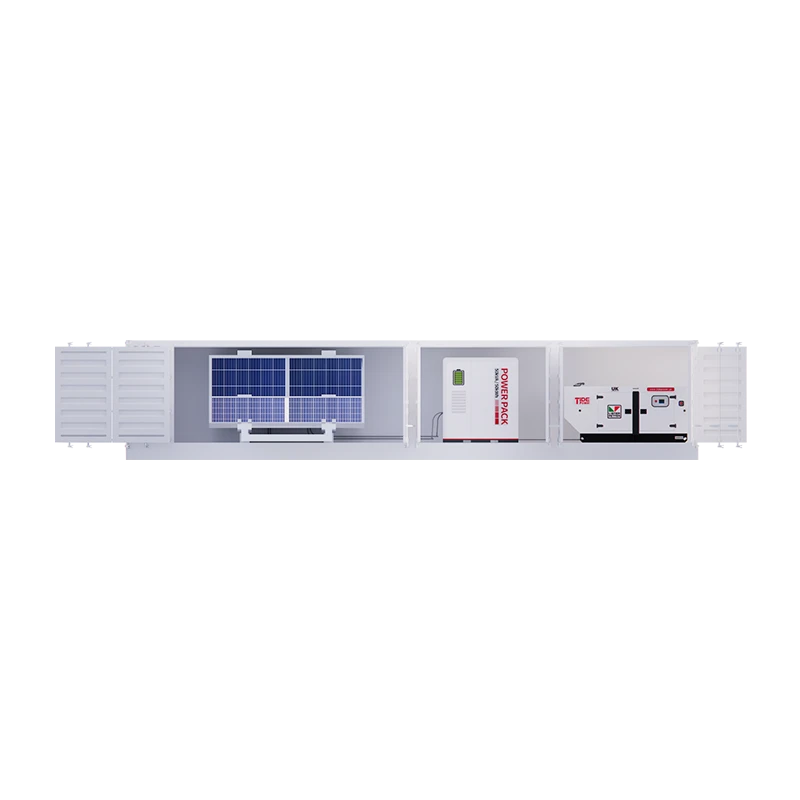
Solar module and lithium battery prices have fallen sharply over the last decade, which has made solar microgrids more viable across remote, commercial, and industrial sites [1]. However, falling cost does not remove the physical limits of solar generation. A solar-only microgrid may still face extended cloudy periods, high nighttime loads, and motor-starting demands that exceed what a battery can economically cover. A hybrid microgrid adds dispatchable generation and often deeper storage to address those conditions directly.
How a Solar-Only Microgrid Operates
A solar-only microgrid typically consists of a PV array, one or more inverters, a battery bank, and an energy management controller. In island mode, the inverter forms the grid and balances PV output against load and battery charging. During good solar conditions, the system charges the battery and serves the load simultaneously. At night or under cloud cover, the battery discharges until it reaches its minimum state of charge. At that point, the controller must either shed non-critical load or shut down completely.
System design standards such as IEC 62257 guide renewable and hybrid electrification projects by linking sizing to daily energy demand, solar resource, and required autonomy [2]. The core limitation is not solar production itself but storage duration. If the site has a 24-hour critical load, a solar-only design may require a very large battery, substantial load curtailment, or acceptance of outage risk.
How a Hybrid Microgrid Strengthens the Architecture
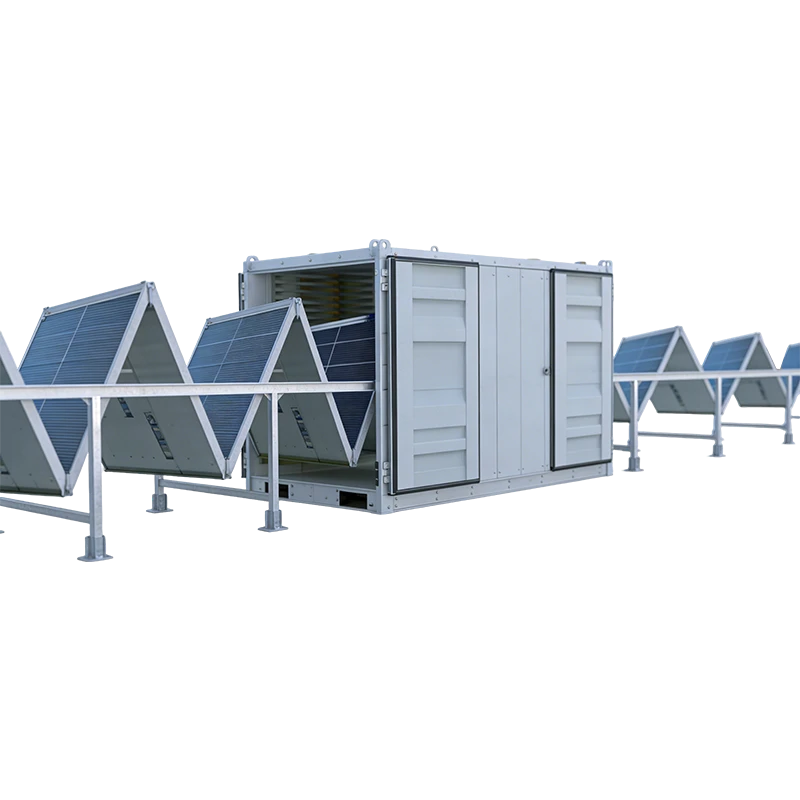
A hybrid microgrid adds one or more dispatchable generators, usually diesel or gas, and often a larger battery with fast power electronics. The system can run fully renewable when solar and storage are sufficient, start the generator for battery charging or overload support, and return to solar-led operation once conditions improve. Modern designs can switch between solar, storage, and generator sources in milliseconds.
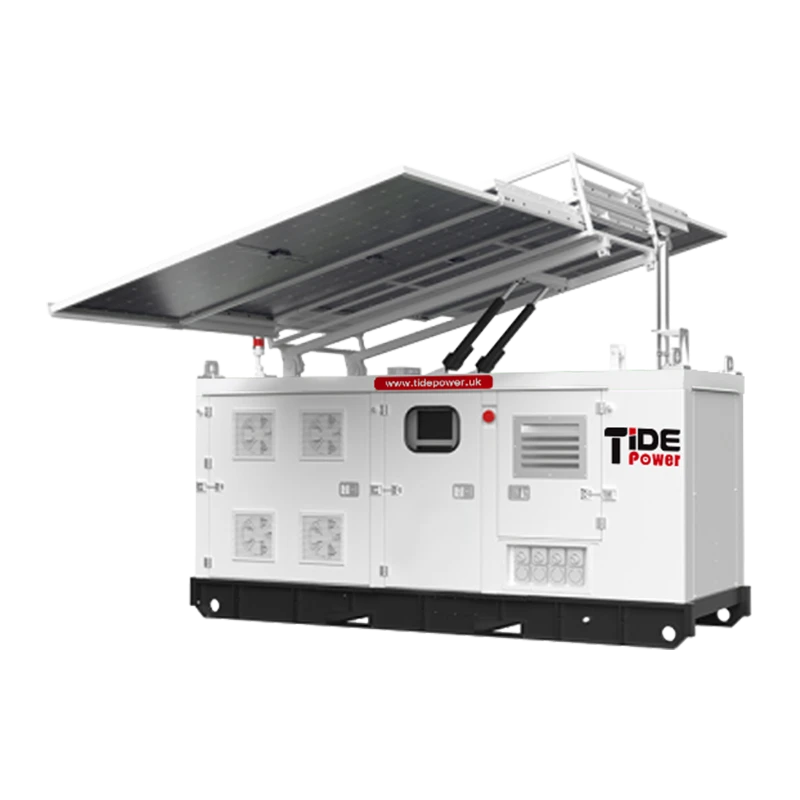
In this architecture, the battery is not just backup power; it is the dispatch layer that shifts solar energy into night hours and smooths generator operation. For example, Tide Power’s hybrid power range lists configurations from 10 kVA to 250 kVA with millisecond-level switching and unattended operation. A unit such as the TP-50P is sized for smaller remote sites, while larger industrial sites may scale toward the upper end of the range.
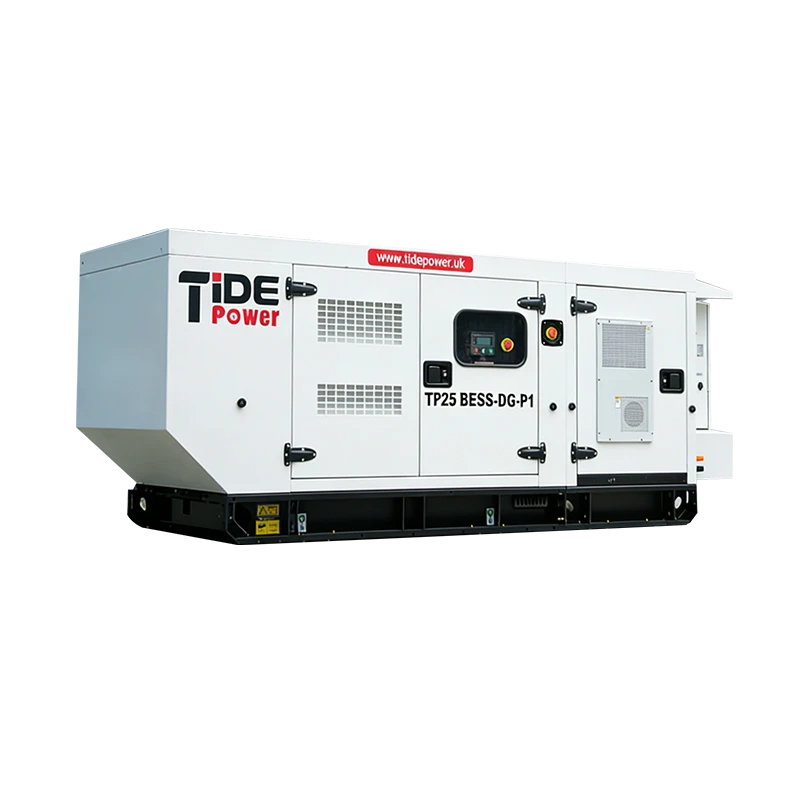
Hybrid microgrids turn storage from a simple buffer into a dispatchable asset. <Navigating Energy Storage: Key Distinctions Between Large-Scale and Small-Scale BESS> covers how storage topology changes between utility-scale and distributed microgrid applications.
Solar vs Hybrid Microgrid Comparison: Technical and Operational Differences
| Criterion | Solar-Only Microgrid | Hybrid Microgrid |
|---|---|---|
| Generation source | PV array plus battery storage | PV, battery storage, and diesel or gas generator |
| Night or storm operation | Battery-limited; may require load shedding | Generator carries the deficit for fuel-dependent runtime |
| Response to large motor starts | Inverter-limited | Stronger, especially with a synchronous generator |
| Fuel logistics | None | Diesel or gas supply and storage required |
| Maintenance scope | PV, battery, inverters | Adds engine service, oil, filters, and cooling maintenance |
| Grid connection mode | Usually grid-forming inverter | Grid-forming or grid-following configurable |
| Fuel price exposure | Low | Moderate to high depending on dispatch hours |
Where a microgrid may connect to the utility, IEEE 1547 defines performance and interoperability requirements for distributed energy resources, including voltage regulation, ride-through, and protection coordination [3]. A hybrid system that can also run in utility-parallel mode should be specified against those requirements rather than treated only as a backup generator.
Cost, Reliability, and Runtime Trade-offs
The lowest-cost architecture is not fixed. It is determined by the daily load shape, the cost of fuel delivery, and the acceptable outage duration. A solar-only system avoids generator capex and fuel handling, but may require substantial battery oversizing to reach multiday autonomy. A hybrid system adds generator cost and engine maintenance, but can reduce battery size because the generator covers long low-irradiation periods.
Reliability is the clearest difference. A solar-only microgrid can be designed for high daytime availability, but its overnight and storm performance is bounded by stored energy. A hybrid microgrid can continue operating as long as fuel supply and engine service intervals are maintained. Battery systems in either architecture should meet safety standards such as UL 9540 for energy storage systems and equipment [4].
Compare your operating case. Send your daily load curve, solar resource estimate, and maximum allowed outage duration to [email protected]. Request a solar vs hybrid microgrid comparison sheet with PV, battery, and generator sizing options. If the site is grid-connected but backup is required, include the utility interconnection standard in your request.
Site Selection and Sizing Framework
A solar-only microgrid is usually the better fit when:
- The load is mainly daytime or can be shed overnight.
- Space for the PV array is sufficient.
- Fuel delivery is difficult, costly, or restricted.
- Emissions regulations make generator permits difficult.
- Scheduled outage or reduced nighttime service is acceptable.
A hybrid microgrid is usually the better fit when:
- The site has 24/7 critical loads.
- Large motors or compressors create high inrush currents.
- Fuel delivery is possible and secure.
- The site is remote, islanded, or subject to long storms.
- Maintenance support for generator sets is available.
The decision is not only about equipment. For example, a site with a 15 kW average load and six hours of overnight autonomy may avoid doubling the battery bank by adding a small generator instead. IRENA’s mini-grid innovation work recommends hybrid architectures where load density is low and dispatchable backup improves reliability without requiring excessive storage [5].
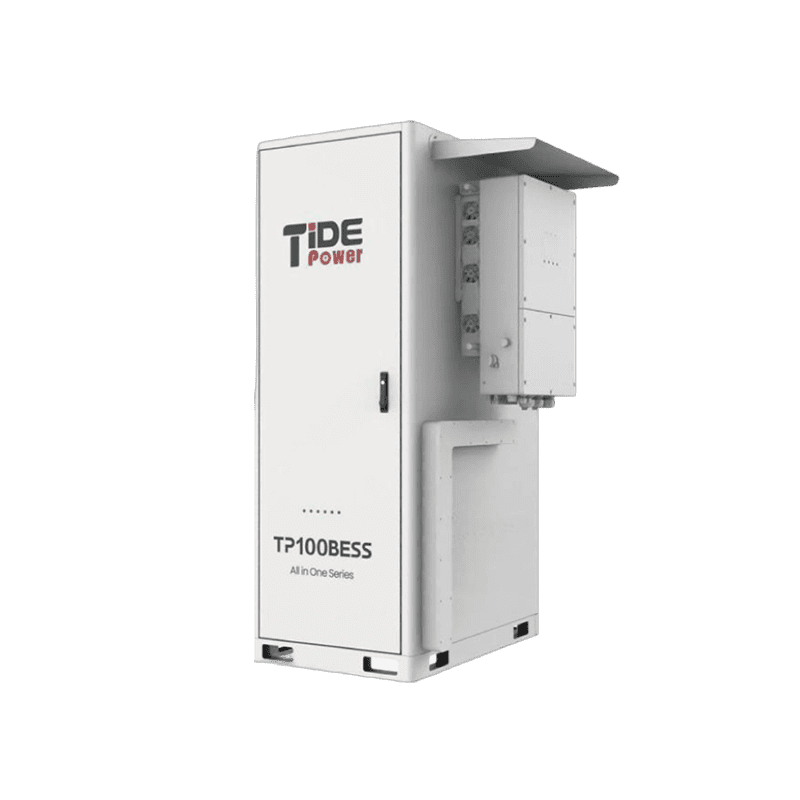
Need a design path? Send a one-line diagram or load list to [email protected]. Specify whether the microgrid must run in island mode, grid-parallel mode, or both. The team can shortlist TP-250P hybrid configurations or a solar-dominant layout before you commit to procurement.
Procurement Checklist for Solar and Hybrid Microgrids
Use the following checklist before requesting a system proposal:
- 8760-hour load profile or measured interval data
- Peak load in kW, motor starting kVA, and power factor
- Daily energy demand in kWh
- Solar resource assessment or site shading review
- Required autonomy in hours
- Fuel availability and tank capacity for the generator
- Grid code or utility approval requirements
- Battery safety standard compliance
- Operation and maintenance plan
- Remote monitoring and spares strategy
A complete load profile is more valuable than a single peak number. It shows whether the design should be solar-led with a small generator, or generator-led with solar support.
A practical procurement path should also pin down service scope, spares support, and commissioning ownership. <Beyond Generation: Tide Power’s Integrated Energy Solutions & Tailored Service> covers how integrated energy solutions are scoped around load profiles and site constraints.
Frequently Asked Questions
Is a solar-only microgrid cheaper than a hybrid microgrid?
Upfront cost is often lower for solar-only, but total lifetime cost depends on battery size and required autonomy. A hybrid system may reduce battery oversizing while adding generator and fuel costs. The better choice depends on site load shape and outage tolerance.
Can a hybrid microgrid operate without diesel fuel?
Yes. A hybrid microgrid can run on solar and storage only when resource and state of charge are sufficient. The generator is available for deficits, maintenance, or extended storms, but it does not have to run continuously.
Which architecture is better for a 24/7 industrial load?
Hybrid is generally more appropriate. Solar-only cannot guarantee continuous power through prolonged cloud cover or high nighttime loads without very large storage. A dispatchable generator greatly reduces that risk.
How much battery storage does a hybrid microgrid need?
Battery sizing should cover the intended low-load hours, accept solar charging, and support generator start/stop without excessive cycling. The exact size is determined by autonomy modeling rather than by a fixed percentage of daily load.
Can I add a generator to an existing solar microgrid later?
Often yes, but the inverter and energy management controller must support generator input, grid-forming logic, and protection coordination. In some cases, control upgrades and site protection changes are required.
How do I start the comparison?
Collect interval load data, define acceptable outage duration, review solar resource, and confirm fuel access. Then run a sizing exercise that compares battery-only, solar-plus-storage, and hybrid configurations against the same load profile.
References
[1] IRENA, “Renewable Power Generation Costs in 2024,” International Renewable Energy Agency, 2025.
[2] IEC 62257-4:2018, “Recommendations for renewable energy and hybrid systems for rural electrification – Part 4: System selection and design.”
[3] IEEE Std 1547-2018, “IEEE Standard for Interconnection and Interoperability of Distributed Energy Resources with Associated Electric Power Systems Interfaces.”
[4] UL 9540, “Standard for Energy Storage Systems and Equipment.”
[5] IRENA, “Innovation Outlook: Renewable Mini-grids,” International Renewable Energy Agency, 2018.
If you’re interested, check out these related articles:
?Thank You for Joining Us at Electric & Power Indonesia 2024
The Asian market will make gas power generation one of the fastest growing regions
Join Tide Power at Canton Fair to Witness Innovation in Action
Tide Power Unveils Advanced Hybrid Power Solutions, Redefining Industrial Energy Resilience
Successful Synchronization of 7 Gas Gensets in Africa