 EN
 ZH
 FR
 ES
 AR
Outdoor events need more than bright stage lighting. Walkways, entrances, parking areas, vendor zones, security checkpoints, and emergency routes all require dependable illumination, often without a permanent power connection. A well-selected light tower reduces trip hazards, supports crowd movement, and helps setup and teardown crews work safely after sunset. This guide explains how to match tower type, power source, and deployment plan to event operations so lighting supports the schedule instead of creating risk.
Matching Light Tower Type to Event Operations
The best starting point is the physical arrangement of the site. A manual mast lighting tower works well for compact areas or single-position coverage. A mast lighting tower with a wider beam spread is often easier to position around large parking fields, access roads, and flat vendor zones. For events that need rapid setup or multiple height adjustments, a hydraulic mast reduces crew effort and setup time.
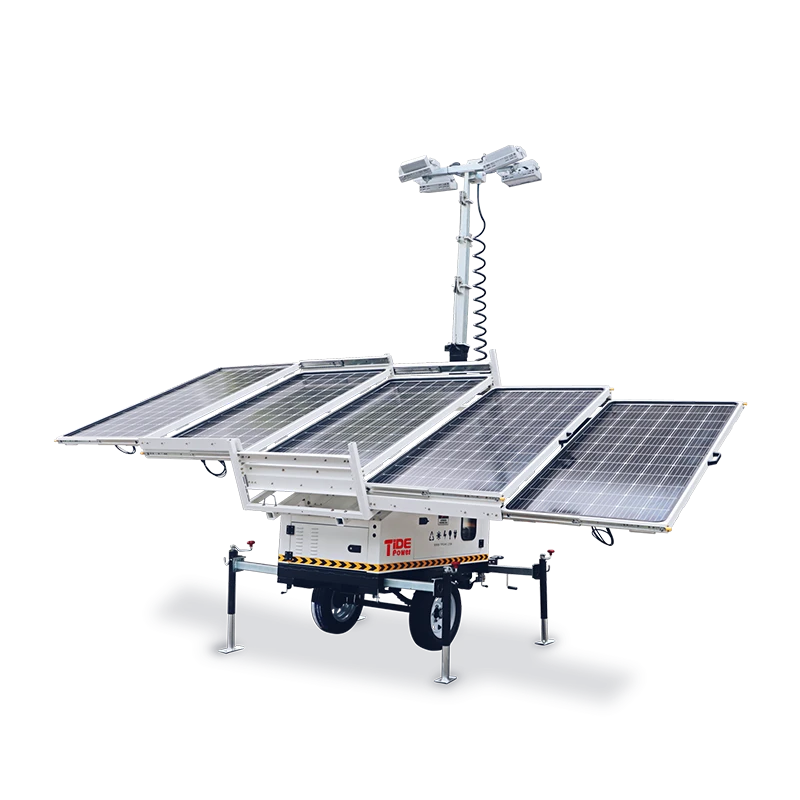
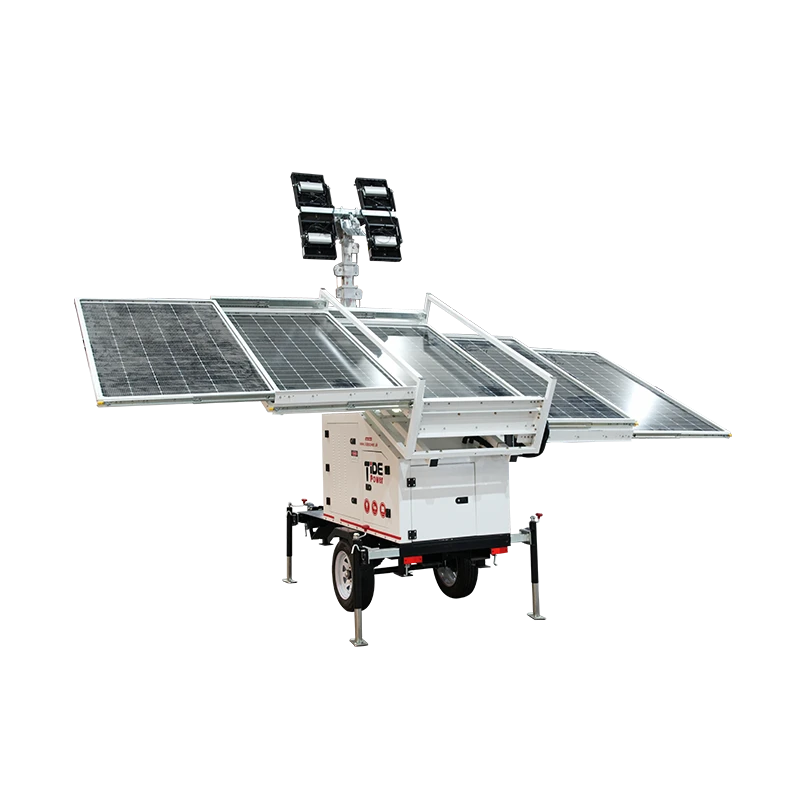
Solar and solar-hydraulic lighting tower options are useful when the venue restricts noise, emissions, or fuel handling. They can operate well in public spaces, park settings, and enclosed event grounds. A mobile solar lighting tower is especially practical where moving light positions between event days is part of the logistics plan.
Key Selection Criteria for Outdoor Events
Before comparing models, define the exact zones that need light: pedestrian paths, emergency access, stage perimeter, parking, back-of-house areas, and entry gates. Venue rules and local safety codes often set minimum maintained illumination for walkways and temporary work zones. OSHA’s construction illumination standard provides one benchmark for temporary outdoor work areas, and many event teams apply similar logic to public paths and live-event operations [1].
Good event lighting also avoids sharp dark-to-bright boundaries. The International Commission on Illumination recommends smooth light distribution for outdoor workplaces so edges, steps, and changes in surface height remain visible without creating visual fatigue [3]. This is especially important where large crowds move between parking, hospitality, and performance areas.
Other selection factors include light source type, color rendering, tower height, outrigger footprint, towing requirements, and whether the unit can be repositioned while the event is running. Evaluate glare from both the event team’s perspective and the surrounding roads or residential areas.
Power Source and Runtime
Diesel light towers provide consistent output and straightforward refueling, which is helpful for multi-day events or locations with limited solar access. They are commonly used where night work continues long after sunset and where auxiliary site power is also needed. However, event planners should confirm local restrictions on diesel engine hours, emissions, and refueling practices [2].
Solar and hybrid options reduce noise, emissions, and fuel handling. A solar lighting tower can support day-to-night events when batteries charge during daylight and discharge through the evening schedule. A solar hydraulic lighting tower combines that energy profile with easier mast positioning, making it suitable for venues where both quiet operation and high-mounted lighting are required.
Runtime planning should account for realistic load, battery capacity, daylight availability, and weather. Diesel runtime depends on fuel tank capacity and load profile, while solar runtime depends on photovoltaic gain, battery depth of discharge, and seasonal sunlight. Avoid building a lighting plan around best-case conditions. Add margin for overcast days, event overruns, and equipment repositioning.
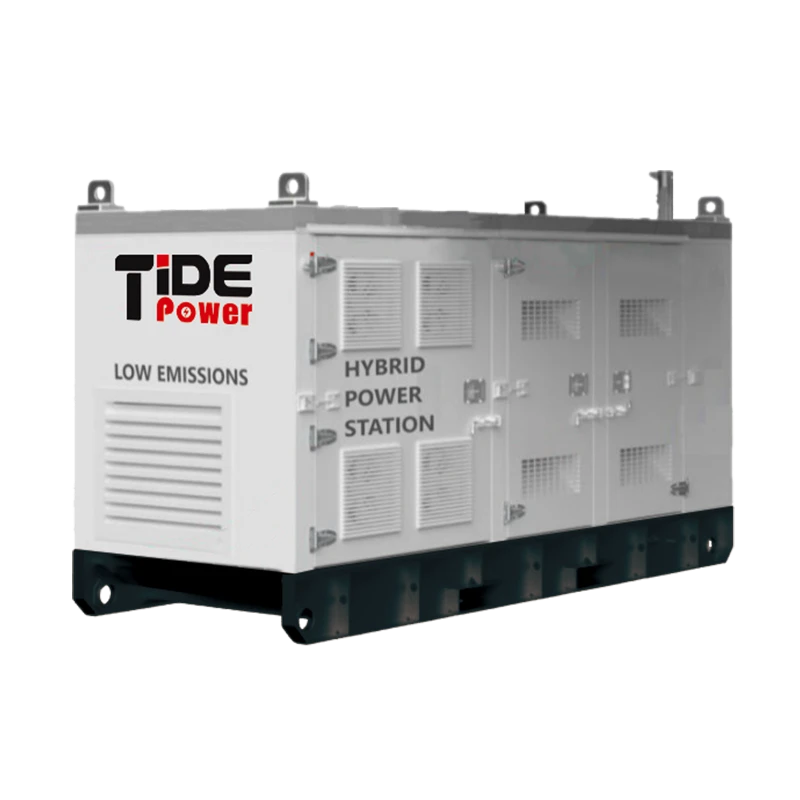
Hybrid energy strategies are changing how event sites manage diesel, solar, and battery capacity. <Tide Power Unveils Advanced Hybrid Power Solutions, Redefining Industrial Energy Resilience> covers the hybrid approach to keeping critical event loads online.
For help with runtime calculation or power source selection, send event dates, site dimensions, coverage zones, and expected operating hours to [email protected] or call +86 591 2806 8999 for a direct project recommendation.
Deployment, Safety, and Compliance
Light tower placement should create overlapping coverage without creating dark gaps between masts. Position units so light reaches walkways and emergency exits first, then confirm that parking and back-of-house areas receive functional illumination. Avoid directing beams toward roads, residences, or performance stages in a way that creates disabling glare.
On-site safety checks should include stabilizer or outrigger placement, soil condition, mast locking, fuel or battery status, and electrical connection security. Wind limits should come from the manufacturer’s specifications and be checked against local weather conditions. Even a small tower can become unstable if placed on soft ground or exposed to unplanned wind loads.
For events moving across multiple sites, early equipment coordination helps prevent last-minute substitutions. Confirm available trailer access, turning space, and permitted storage locations before delivery day.
Site teams planning multi-stop event schedules often need equipment positioned quickly within a region. <Tide Power KSA Warehouse: Gensets & Lighting Towers Available Now> covers regional inventory and delivery support for lighting towers and generator sets.
Contact Tide Power for Event Lighting Support
A project-specific recommendation should start with the actual event layout, not a generic equipment list. Tide Power provides lighting tower solutions for construction, mining, emergency response, and outdoor event applications, including manual mast, hydraulic, horizontal mast, solar, and solar-hydraulic configurations.
To discuss your next event lighting plan, contact:
- Tel: +86 591 2806 8999
- Fax: +86 591 2806 8900
- Email: [email protected]
Frequently Asked Questions
What type of light tower is best for an outdoor event?
It depends on site size, schedule, power availability, and local restrictions. Manual mast models suit smaller or fixed coverage areas. Hydraulic mast models reduce setup time for larger sites. Solar and solar-hydraulic models are better for noise-sensitive or fuel-restricted venues.
How many light towers do I need for an outdoor event?
Start with the distance from each mast to the farthest point that requires illumination. Overlap coverage zones to avoid dark areas, and treat walkways, entrances, and emergency routes as priority zones. The required number is driven more by coverage geometry and lighting levels than by site area alone.
Are solar light towers reliable for evening events?
They can be reliable when sized for the required evening runtime and available daylight. The system must have enough battery capacity for the intended load plus weather margin. Solar light towers are generally best when there is a clear daily charging window and a defined nighttime operating period.
What safety checks are required before and during an event?
Check stabilizer placement, ground condition, mast locking, fuel or battery level, electrical connections, and weather forecasts. Confirm that light positions do not create glare for drivers or performance areas, and inspect units again after repositioning or severe weather.
How do I choose between rental and purchase for event lighting?
Rental may be better for short or irregular events, while purchase can be more cost-effective for repeated schedules or long-term site operations. The decision should include transport, maintenance, storage, and whether the lighting requirements are likely to repeat.
References
[1] Occupational Safety and Health Administration, “Illumination,” 29 CFR 1926.56. [Online]. Available: https://www.osha.gov/laws-regs/regulations/standardnumber/1926/1926.56
[2] U.S. Environmental Protection Agency, “Regulations for Emissions from Nonroad Vehicles and Engines.” [Online]. Available: https://www.epa.gov/regulations-emissions-vehicles-and-engines/regulations-emissions-nonroad-vehicles-and-engines
[3] International Commission on Illumination, “Guide on the Lighting of Outdoor Work Places,” CIE S 015. [Online]. Available: https://cie.co.at/publications/lighting-outdoor-work-places
If you’re interested, check out these related articles:
How to waterproof diesel gensets in spring and summer when there is a lot of rain?
Join Tide Power at Canton Fair to Witness Innovation in Action