
 EN
EN ZH
ZH FR
FR ES
ES AR
ARSelecting a dewatering pump manufacturer is an engineering decision before it is a purchasing decision. The right supplier should demonstrate verified hydraulic performance, a dependable engine or motor platform, emissions compliance, and reliable support in the regions where the pump will operate. This guide outlines the evaluation criteria, manufacturer specialties, and procurement data points industrial buyers should use when comparing dewatering pump suppliers.
How Industrial Buyers Should Evaluate Dewatering Pump Manufacturers
A shortlist should not be built on maximum flow alone. A pump that moves water quickly but fails in silty water, cannot hold prime, or lacks local wear parts becomes expensive quickly. The following factors separate dependable dewatering pump suppliers from general pump distributors:
- Verified hydraulic performance: factory test curves should follow ISO 9906:2012 or ANSI/HI 14.6-2016 [1][2].
- Mechanical design: centrifugal pump construction should meet ISO 5199:2002 expectations for sealing, bearing life, and serviceability [3].
- Engine emissions: diesel-driven units must meet the applicable nonroad emission standard, such as 40 CFR Part 1039 in the United States or an equivalent regional stage [4].
- Self-priming capability: construction and flood-control pumps should be able to prime quickly after the suction line is drained.
- Parts and service: a manufacturer with engineering and supply-chain support in target markets reduces downtime.
Some manufacturers are stronger in portable contractor pumps; others specialize in high-head mine dewatering or municipal bypass systems. Use application fit, not brand recognition, as the first filter.
The table below is a shortlist of manufacturers frequently evaluated in industrial procurement. It is not a ranking.
| Manufacturer | Core pump specialization | Common application focus |
|---|---|---|
| Xylem / Godwin | Portable diesel and electric dewatering pumps | Construction, municipal, flood response |
| Sulzer | Engineered dewatering and process pumps | Mining, industrial, municipal |
| Gorman-Rupp | Self-priming centrifugal pumps | Construction, bypass, sewage |
| Tsurumi | Submersible drainage and dewatering pumps | Tunneling, construction, wastewater |
| KSB | High-capacity submersible and process pumps | Industrial and flood control |
| Wacker Neuson | Contractor-grade portable dewatering pumps | Construction and rental fleets |
| Atlas Copco | Portable diesel-driven dewatering equipment | Mining, construction, emergency response |
| Tide Power | Diesel engine-driven self-priming pump units | Mining drainage, flood control, irrigation, rescue |
Verification Before Shortlisting
Once a manufacturer’s product range matches the application, ask for the evidence behind the data sheet. Reliable proposals include:
- Certified performance curves based on ISO 9906:2012 or ANSI/HI 14.6-2016 [1][2].
- Material documentation for casing, impeller, and mechanical seal when water is abrasive, saline, or chemically active.
- Engine or motor certification for the emission stage required on site [4].
- Factory test reports showing the pump reaches its stated duty point without vibration or cavitation.
- Wear parts availability and typical lead times for impellers, seals, and engine spares.
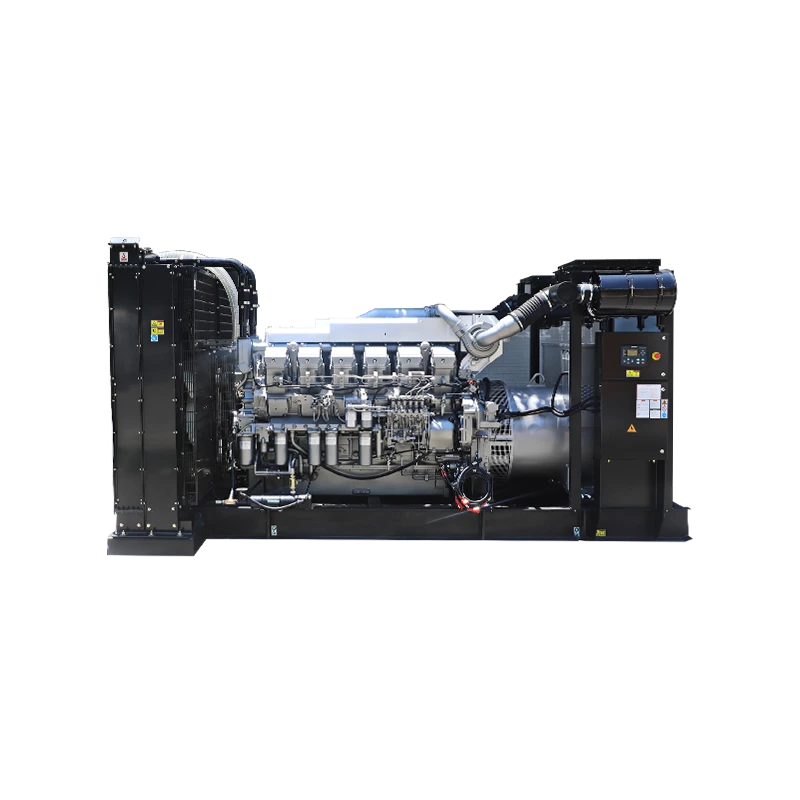
These documents matter more than marketing language. A manufacturer that cannot provide a certified curve or material traceability may not be positioned for long-term industrial supply.
Project note: If you are comparing manufacturer submissions for an active project, send required flow, head, solids size, and emission standard to [email protected] for a technical review before committing to a site trial.
Procurement Data Points to Compare
A like-for-like manufacturer comparison should use the same duty point. If one quote is based on peak flow and another on continuous flow, the result is not comparable. The table below lists the minimum data set for industrial dewatering quotes.
| Parameter | What to specify | Why it matters |
|---|---|---|
| Flow rate | m³/h or gpm at the required head | Peak flow does not represent duty performance |
| Total dynamic head | Static lift plus friction and discharge pressure | The pump must operate efficiently on the system curve |
| Solids handling | Maximum particle size and slurry concentration | Abrasive solids change impeller and casing life |
| Self-priming lift | Required vertical lift and re-prime time | Delays occur after every suction break |
| Emissions | EPA Tier, EU Stage V, or regional equivalent | Site permits may require specific engine certification |
| Materials | Casing and impeller material, seal type | Clean water and mine slurry demand different wear resistance |
| Mobility | Skid, trailer, or skid-mounted canopy | Access, transport, and deployment time |
| Service | Warranty terms, parts lead time, local support | Total cost of ownership depends on uptime |
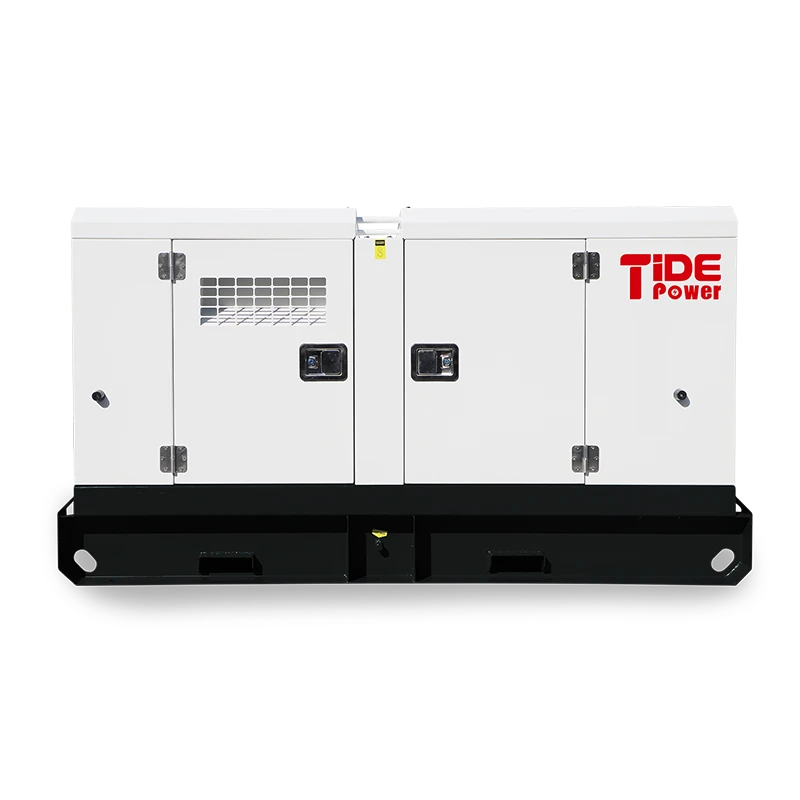
Application Fit: Mining, Construction, and Flood Control
Mining dewatering requires high-head performance and resistance to abrasive, sediment-heavy water. Submersible pumps may be used for deep sumps, while diesel self-priming units handle surface dewatering and emergency transfer. In many mining jurisdictions, safety and mechanical requirements also follow MSHA standards for surface or underground operations [5].
Construction dewatering prioritizes portability, fast setup, and tolerance for sandy or muddy water. Trailer-mounted self-priming pumps are common because they can move between excavations and keep running during intermittent use.
Flood control and emergency response depend on rapid self-priming, continuous duty capability, and independence from the electric grid. Diesel-driven packages with large fuel tanks support extended operation during infrastructure failures.
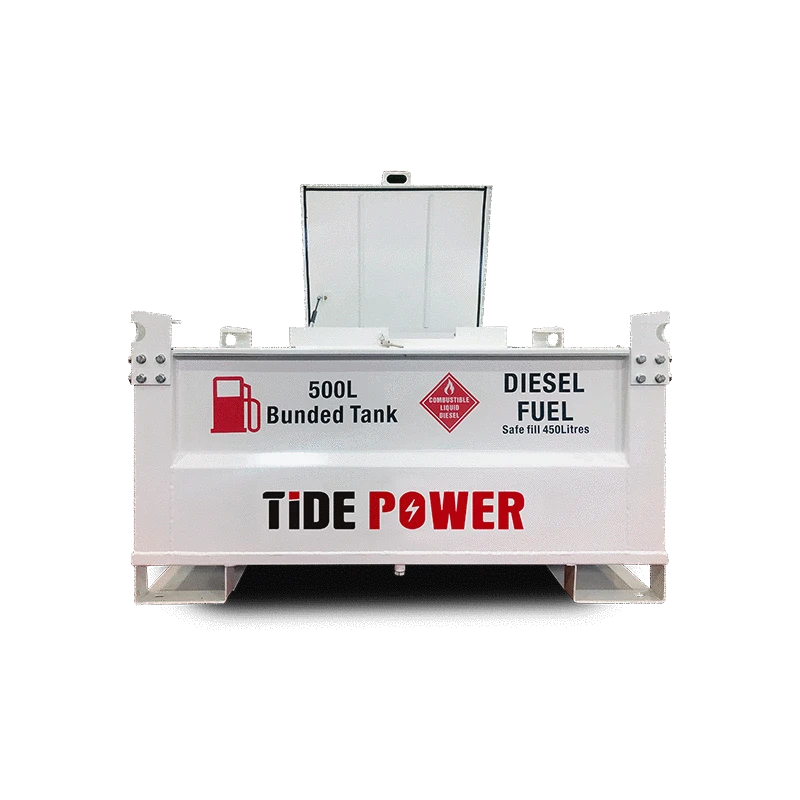
For a broader view of how pump and generator packages are configured for harsh industrial sites, <Tide Power Heavy-Duty Solutions for Industry> covers heavy-duty equipment selection for demanding operating conditions.
For related planning around seasonal power and infrastructure load, <How Industrial Generators and Hybrid Power Systems Solve Summer Energy Challenges> covers demand-side power and cooling considerations for hot-season operations.
Tide Power Dewatering Pump Range
Tide Power’s dewatering range is built around diesel engine-driven pump units with fast self-priming, high head, and large flow capability. The product groups include the Z Series, B Series, K Series, S Series, D Series, and C Series. These configurations are applied in mining drainage, flood control, irrigation transfer, and rescue operations.
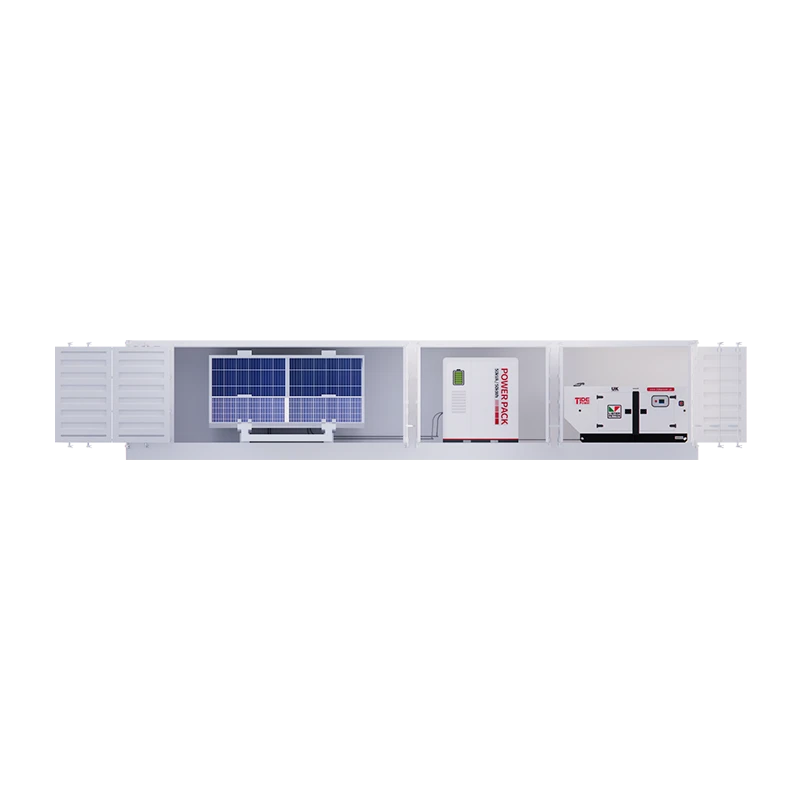
For projects that combine dewatering with site power and temporary utility support, evaluating the pump and generator package together reduces interface risk. Diesel pump packages should be reviewed alongside the engine platform, control behavior, and fuel autonomy rather than as isolated hydraulic components.
For a current example of dewatering technology presented in an international trade environment, <Tide Power Shines at WETEX 2025 Dubai, Drawing Major Attention with Smart Hybrid Storage and Efficient Dewatering Solutions> covers efficient dewatering solutions alongside smart hybrid storage.
Request a Dewatering Pump Proposal
To shortlist the right dewatering pump manufacturer for your project, prepare the following information before requesting quotes:
- Required flow rate and total dynamic head.
- Water composition: clear, muddy, saline, or abrasive slurry.
- Maximum solids size and concentration.
- Suction conditions and self-priming lift.
- Diesel emission standard or electric voltage and frequency.
- Continuous operating hours and transport constraints.
Send this brief to [email protected]. The team can match the operating point to the appropriate Z, B, S, D, or C Series pump package or propose a custom configuration for mining, construction, or emergency dewatering.
FAQ
Who are considered top dewatering pump manufacturers?
The manufacturer group varies by region and application, but buyers commonly evaluate Xylem / Godwin, Sulzer, Gorman-Rupp, Tsurumi, KSB, Wacker Neuson, Atlas Copco, and Tide Power. The better approach is to shortlist manufacturers whose product range matches the required flow, head, solids handling, and service region.
What is the difference between self-priming and submersible dewatering pumps?
Self-priming pumps remain above the water source and re-prime after suction line air enters the system. Submersible pumps operate below water and are often used in deep sumps, tunnels, and foundations. Diesel self-priming units are common for rapid deployment, while submersible units handle limited-access or deeper installations.
What specifications matter most when selecting an industrial dewatering pump?
Flow rate at the required head, total dynamic head, solids handling, self-priming lift, engine emissions, material selection, mobility, and parts availability matter most. A pump should be evaluated at the project duty point, not at its maximum published flow.
Are diesel dewatering pumps suitable for emergency flood control?
Yes. Diesel-driven self-priming pumps are widely used in flood response because they do not depend on the electric grid, can be trailer-mounted, and can run continuously when fuel logistics are planned. Emission compliance for the project location should still be verified.
How do I compare proposals from different dewatering pump manufacturers?
Use a common duty point and request certified performance curves, material documentation, emission certification, and parts lead times. Compare total cost of ownership rather than price alone. Hydraulic performance test data should follow ISO 9906:2012 or an equivalent standard [1].
References
[1] International Organization for Standardization. ISO 9906:2012 Rotodynamic pumps — Hydraulic performance acceptance tests.
[2] Hydraulic Institute. ANSI/HI 14.6-2016 Rotodynamic Pumps for Hydraulic Performance Acceptance Tests.
[3] International Organization for Standardization. ISO 5199:2002 Technical specifications for centrifugal pumps — Class II.
[4] U.S. Environmental Protection Agency. 40 CFR Part 1039 — Control of Emissions from New and In-Use Nonroad Compression-Ignition Engines.
[5] Mine Safety and Health Administration. 30 CFR Parts 56/57 — Safety and Health Standards for Surface and Underground Mining.
If you’re interested, check out these related articles:
The 2023 Tide POWER anniversary celebration were successfully held
150 diesel generator sets supporting the construction of telecommunications projects in Africa
Happy Mother’s Day
Tide Power Delivers Dual 2000kVA Industrial Generators to a High-Tier Data Center in Southeast Asia
Tide Power Invites You to Expo Eléctrica International 2025 – Visit Us at Booth No.1833
