
 EN
EN ZH
ZH FR
FR ES
ES AR
ARRemote power planning fails when it treats solar, storage, and diesel backup as separate purchases. A smart microgrid for remote areas coordinates all three as one dispatchable system, so a mining camp, telecom site, island facility, or off-grid industrial operation can keep critical loads online without grid support. The design objective is continuous, automated supply—not just backup—at the lowest practical delivered energy cost.
The evaluation sequence below follows the same load-first methodology Tide Power applies to hybrid power systems from 10 kVA to 250 kVA. If you already have a load profile, you can use the sizing logic in this article to pressure-test the configuration before contacting engineering.
What Makes a Smart Microgrid Different in Remote Areas
In a grid-connected project, a microgrid is a resilience layer. In a remote site, it is the primary power system. The difference changes how the system should be specified.
A remote smart microgrid combines photovoltaic generation, battery energy storage, and one or more dispatchable generators under a central controller. The controller manages islanded operation, frequency and voltage stability, load shedding, and generator start/stop commands. IEEE Std 2030.7 defines the core functions expected from such a microgrid controller [1]. The most important design inputs for remote operation are minimum autonomy hours, maximum generator runtime, and the seamless transfer capability of the power conversion system.
Three characteristics separate a smart microgrid for remote areas from a standard genset-plus-solar installation:
- Central dispatch: one controller decides when solar, battery, and generator assets operate.
- Islanded resilience: the system maintains stable voltage and frequency without an external grid reference.
- Data visibility: remote monitoring reports generator availability, battery state of charge, and load trends before a failure becomes a site outage.
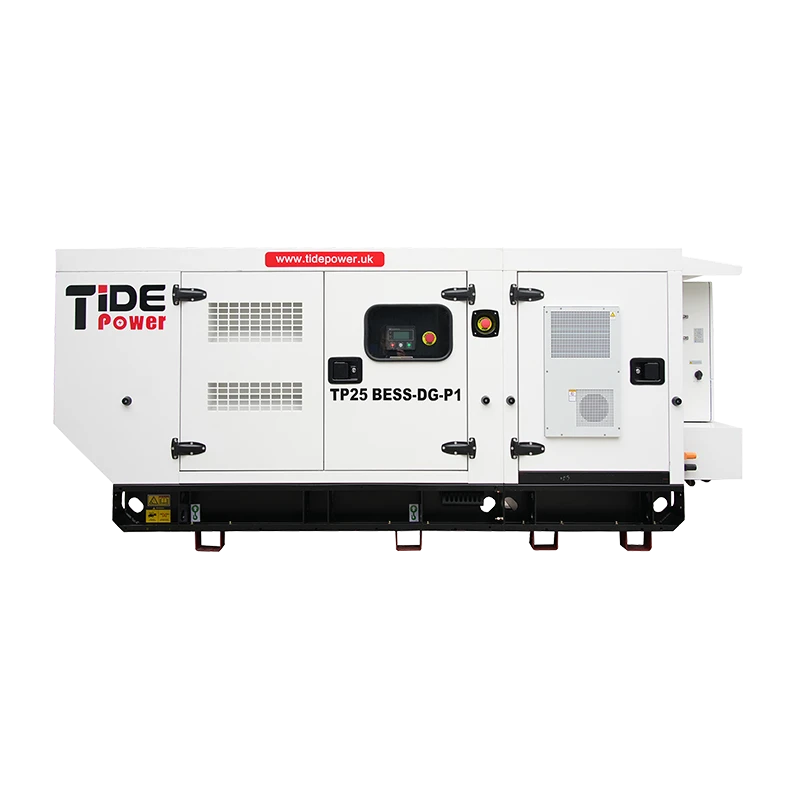
The TP-25P and larger hybrid power units in Tide Power’s range are configured around this dispatch logic, with solar, storage, and diesel generation integrated into one system rather than connected as separate equipment. TP-25P specifications and related hybrid units provide a reference for the power conversion and control layer.
Core Components and System Architecture
A practical remote microgrid is built from four layers: generation, storage, power conversion, and control. Each layer must be sized around site demand, not around equipment preference.
Generation layer includes solar PV for daytime base load and a diesel or gas generator for high-load periods, battery charging, and extended low-solar days. Solar arrays reduce fuel consumption; dispatchable generation preserves reliability.
Storage layer includes lithium iron phosphate battery packs or larger battery modules. Storage covers short-term variability, supports seamless transfer, and reduces generator start cycles. For remote applications, cycle life and operating temperature range matter as much as nameplate capacity.
Power conversion and control layer includes inverters, converters, switchgear, and the microgrid controller. This layer determines whether solar and storage can share the load cleanly and whether the system can transfer between battery and generator without dropping critical loads.
Load layer is the starting point for every sizing decision. Lighting, communications, pumps, HVAC, tools, and process equipment each create different steady-state and starting demands. A microgrid that is not derived from a measured load profile may be overbuilt or unable to start a motor at the worst moment.
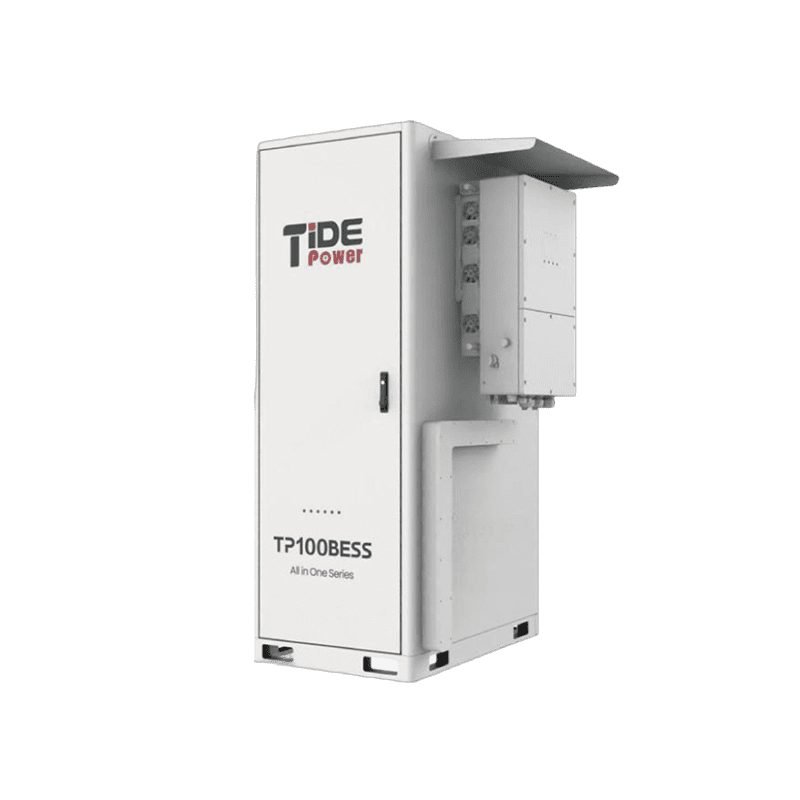
For storage-heavy remote sites, modular BESS capacity such as the TP-100BESS can be combined with hybrid power units to match the required discharge window. The storage component should be selected by autonomy hours and charge/discharge power, not by total kilowatt-hours alone.
Battery capacity sets the autonomy window between solar production and generator cycles. <Tide Power BESS: The Future of Intelligent Energy Storage> covers modular storage capacity, intelligent dispatch, and the role of BESS in off-grid reliability.
Sizing and Load Planning for Off-Grid Reliability
Sizing a smart microgrid for remote areas is a sequence of decisions. The sequence is more important than any single equipment choice.
First, build a 24-hour load profile. Include running loads, starting loads, seasonal variation, and future expansion. Group loads into critical, essential, and non-essential categories so the controller can shed load in the right order. Second, define autonomy. A telecom site may require 48 hours of battery autonomy before generator operation, while a construction camp may accept a shorter window to control capital cost. Third, balance solar yield and generator duty. The solar array should carry daytime load and recharge storage, while the generator covers nighttime peaks and low-irradiance periods. Fourth, verify starting capability. Motors, compressors, and pumps create inrush current; the system must start them without dropping critical loads.
IEC TS 62257 provides a structured framework for renewable and hybrid systems intended for rural electrification, including demand assessment and system architecture [2]. Following that framework reduces the risk of designing a system around an assumed load that does not match actual operation.
A simple load classification table helps in the early planning stage:
| Load category | Typical remote-site examples | Design consideration |
|---|---|---|
| Critical | Telecom equipment, control systems, safety lighting | Shortest transfer time; highest availability |
| Essential | HVAC, water pumps, kitchen equipment | Can be shed in stages; needs stable voltage |
| Intermittent | Tools, workshop loads, lighting towers | High starting current; time-limited duty |
| Non-essential | Accommodation loads, non-critical charging | Shed first during low-solar or generator maintenance |
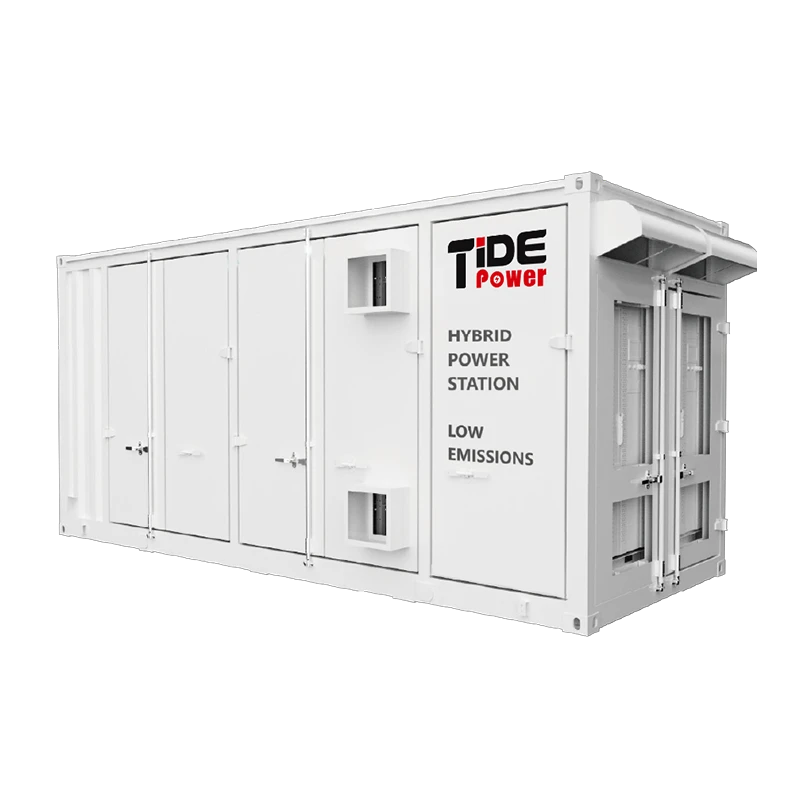
Larger sites with multiple load blocks may need a higher-capacity hybrid unit such as the TP-250P to support parallel loads and future expansion. The final size should be driven by an audited load table, not by a single equipment datasheet.
Site access often determines whether a remote power project is viable before solar yield is even evaluated. <Ultimate Flexibility: Tide Power’s Foldable Container Delivers Portable Answers to Global Power Challenges> covers containerized, transport-ready deployment for logistics-constrained projects.
Cost, Procurement, and Deployment Factors
The delivered cost of a smart microgrid for remote areas includes far more than the generator and battery price. Civil works, logistics, commissioning, spares, and fuel supply can shift the economic case from one site to another.
Cost planning should treat these categories separately:
- Capital equipment: solar array, battery storage, hybrid power units, control system, and balance of plant.
- Logistics and site preparation: transport, cranage, foundations, enclosures, and local civil works.
- Commissioning and testing: controller configuration, load-bank testing, and operator training.
- Operating cost: diesel or gas supply, remote monitoring, preventative maintenance, and spare parts.
- End-of-life and replacement planning: battery replacement cycles and generator overhaul intervals.
International off-grid market assessments show that project economics improve when systems are modular, containerized, and designed for local operation rather than heavily customized on-site construction [3], [4]. Containerized hybrid power and pre-integrated battery systems reduce the amount of field wiring and commissioning time.
For remote sites, procurement should also define who owns the ongoing performance risk. A supplier that only sells equipment may not be structured to support remote diagnostics and spare parts supply. The contract should include a clear commissioning procedure, remote monitoring handoff, and maintenance response expectations.
One practical step can shorten the evaluation: send a preliminary load list and site access description to [email protected] with the subject line “Remote microgrid pre-check”. The engineering response will indicate whether the site should be designed as storage-first, solar-first, or generator-first. That guidance sets the right frame for the reliability discussion below.
Remote microgrids must serve practical site loads, including area lighting and night operations. <Light Up the Night, Sustainably: The Solar Hydraulic Lighting Tower Revolution> covers solar-hydraulic lighting for off-grid sites with low-emission and fuel-saving requirements.
Reliability, Maintenance, and Operating Discipline
A smart microgrid in a remote area has no utility crew to restore power. Reliability is therefore designed into the control system, the maintenance schedule, and the supply chain.
Remote monitoring is a baseline requirement. Battery state of charge, generator runtime, inverter temperature, fuel level, and load demand should be visible from a central dashboard. Alerts should be configured for actionable thresholds, not only for failure alarms. This allows the site team to schedule maintenance before a generator fault or battery imbalance becomes an outage.
Preventative maintenance follows three tracks. Electrical maintenance covers connections, insulation, control wiring, and protection settings. Mechanical maintenance covers generator service intervals, cooling, and fuel system inspection. Storage maintenance covers battery state-of-health checks, firmware updates, and thermal management verification.
Spare parts planning matters more in remote markets than in urban projects. Filters, belts, coolant, circuit boards, and critical sensors should be stocked according to the selected generator and power conversion platform. The maintenance plan should also define how the system behaves during a single-point failure. IEEE Std 2030.8 defines testing procedures for microgrid controllers that can be used to validate these failure-handling sequences before the system is commissioned [5].
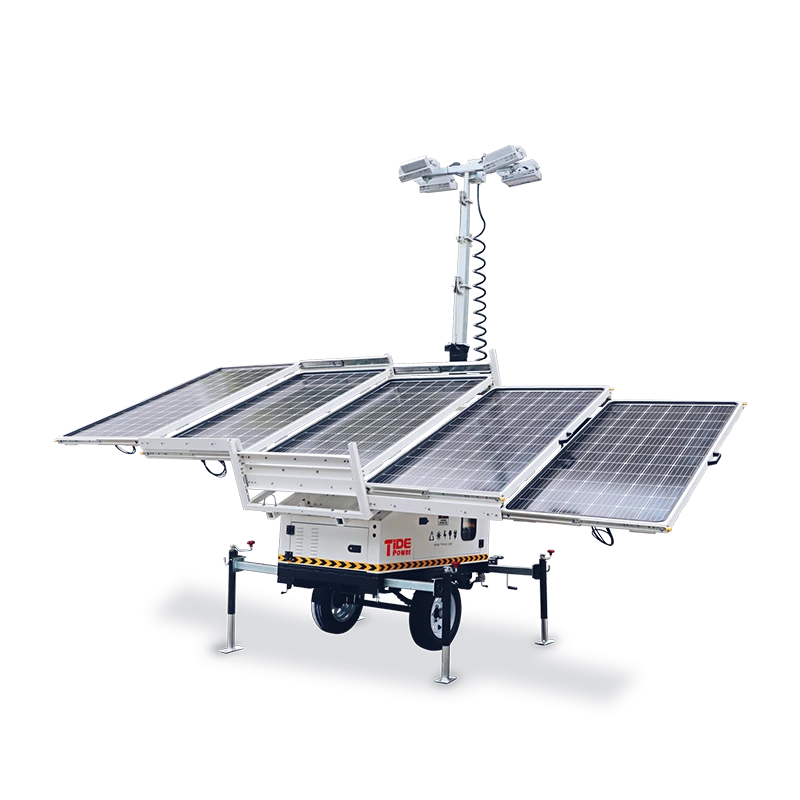
Site loads such as lighting towers must be included in the load plan and maintenance schedule. Low-maintenance solar lighting can reduce generator hours while still supporting safe night operations.
Next Step: Get a Remote Microgrid Sizing Estimate
Send the following information to [email protected] with the subject line “Remote microgrid sizing”:
- 24-hour load profile or a list of connected equipment and operating hours
- Site location and access conditions
- Required battery autonomy in hours
- Preferred fuel type for backup generation
- Target commissioning date
The engineering team will respond with a preliminary architecture that matches the site profile, not a generic brochure. For immediate support, call +86 591 2806 8999.
Frequently Asked Questions
What is a smart microgrid for remote areas?
A smart microgrid for remote areas is a self-contained power system that combines solar generation, battery storage, and dispatchable generation under an automated controller. It operates in islanded mode without a utility grid and is designed to maintain stable power for critical, essential, and non-essential loads.
How is a remote microgrid different from a standard diesel generator backup system?
A standard diesel backup system waits for a grid failure or a manual start command. A remote smart microgrid operates continuously, dispatches solar and storage first, and uses the generator only when required. This reduces fuel consumption and generator runtime while maintaining continuous supply.
What size smart microgrid do I need?
Size is determined by the 24-hour load profile, motor starting requirements, required battery autonomy, and future expansion. A site should start with a load inventory and peak demand calculation before selecting a hybrid unit capacity. Modular systems from 10 kVA to 250 kVA can be configured to match the resulting duty cycle.
Can a smart microgrid operate without internet or cellular coverage?
Yes. The core control functions operate locally through the microgrid controller. Remote monitoring can use satellite or other backhaul options when cellular coverage is limited. Local control should be designed to remain fully functional without cloud connectivity.
How long does deployment take for a remote microgrid?
Deployment time depends on site access, civil works, equipment configuration, and commissioning scope. Pre-integrated containerized systems reduce field wiring and commissioning time compared with fully site-built installations. A realistic schedule should be confirmed after site information is reviewed.
What maintenance does a remote microgrid require?
The system requires generator service, battery health checks, electrical inspections, cooling system maintenance, and firmware updates. Remote monitoring helps schedule maintenance before failure. Spare parts planning for filters, belts, sensors, and key electronic components is essential for remote sites.
References
[1] IEEE Std 2030.7-2017, IEEE Standard for the Specification of Microgrid Controllers, IEEE, 2017.
[2] IEC TS 62257-1:2015, Recommendations for renewable energy and hybrid systems for rural electrification – Part 1: General introduction to IEC 62257 series, IEC, 2015.
[3] IRENA, Off-grid Renewable Energy Solutions: Global and Regional Status and Trends, International Renewable Energy Agency, 2023.
[4] World Bank, Mini Grids for Half a Billion People: Market Outlook and Handbook for Decision Makers, ESMAP, 2022.
[5] IEEE Std 2030.8-2018, IEEE Standard for the Testing of Microgrid Controllers, IEEE, 2018.
If you’re interested, check out these related articles:
Tide Power Shines at WETEX 2025 Dubai, Drawing Major Attention with Smart Hybrid Storage and Efficient Dewatering Solutions
?Thank You for Joining Us at Electric & Power Indonesia 2024
Hybrid Power Systems: Combining BESS with Diesel Generators for Maximum Efficiency
Earth Day: Powering a Sustainable Future with Tide Power
