
 EN
EN ZH
ZH FR
FR ES
ES AR
AREnergy storage is no longer a narrow technology decision. For many commercial and industrial buyers, the capital question—how to pay for a battery energy storage system, or BESS—now drives the entire project. The finance route you choose affects system sizing, performance guarantees, insurance, maintenance obligations, and even which vendors qualify.
A structured finance review should start with the project’s value stack rather than the equipment list. Storage projects create value in different ways: demand charge reduction, time-of-use shifting, backup resilience, renewable self-consumption, and, in some markets, grid services. Because these revenue and savings streams vary by tariff, site, and jurisdiction, a finance model that works for one installation may be unsuitable for another.
Why Energy Storage Finance Needs a Structured Approach
A bankable energy storage project is evaluated differently from a conventional generator purchase. Lenders and investors look at the documented savings or revenue stream, the battery technology’s degradation and warranty, the safety compliance path, and the long-term operations plan.
Many markets now treat storage as a distinct asset class rather than as an add-on to solar. In the United States, for example, standalone storage can qualify for the federal Investment Tax Credit if it meets applicable charging and ownership requirements, with the rate depending on the placed-in-service year and project type [1]. At the same time, a well-run valuation process must show which value streams are reasonably attributable to the storage asset—not merely claimed [2].
For projects that pair storage with microgrid or utility-scale resilience planning, <Building the Resilient Grids of Tomorrow: Tide Power’s Microgrid and Utility-Scale Energy Storage Solutions> covers how containerized BESS and hybrid generation assets are structured for commercial deployment.
Core Finance Models for Energy Storage Systems
Most commercial storage projects fall into one of six structures, and the right choice depends on whether the buyer wants ownership, third-party capital, or a service contract.
| Finance model | Typical structure | Best fit | Primary consideration |
|---|---|---|---|
| Direct purchase | Buyer funds full CAPEX and owns the asset | Strong balance sheet; long-term owner-operator | Maximum savings capture; full O&M responsibility |
| Equipment loan | Lender finances equipment against the asset or company credit | Mid-size industrial and commercial sites | Debt service must fit the savings stream |
| Lease / operating lease | Lessor owns asset; buyer pays fixed schedule | Tax-sensitive or balance-sheet-constrained buyers | End-of-term options and residual value matter |
| Storage PPA | Third party owns and operates; buyer pays per kWh or monthly fee | Behind-the-meter and shared-savings structures | Contract term, performance, and termination terms |
| Energy-as-a-service | Provider delivers capacity, maintenance, and performance under service agreement | Data centers, healthcare, critical operations | Scope clarity and response times |
| Grants and incentives | Public funding covers part of CAPEX or feasibility work | Public-sector, rural, resilience, and pilot projects | Application complexity and matching requirements |
Direct purchase is the simplest to underwrite but not always the best use of capital. A third-party PPA may accelerate deployment, but it also shifts some control—and some savings—to the capital provider. A hybrid approach is common: the buyer owns the balance-of-plant while a specialist finances the battery modules and controls [2].
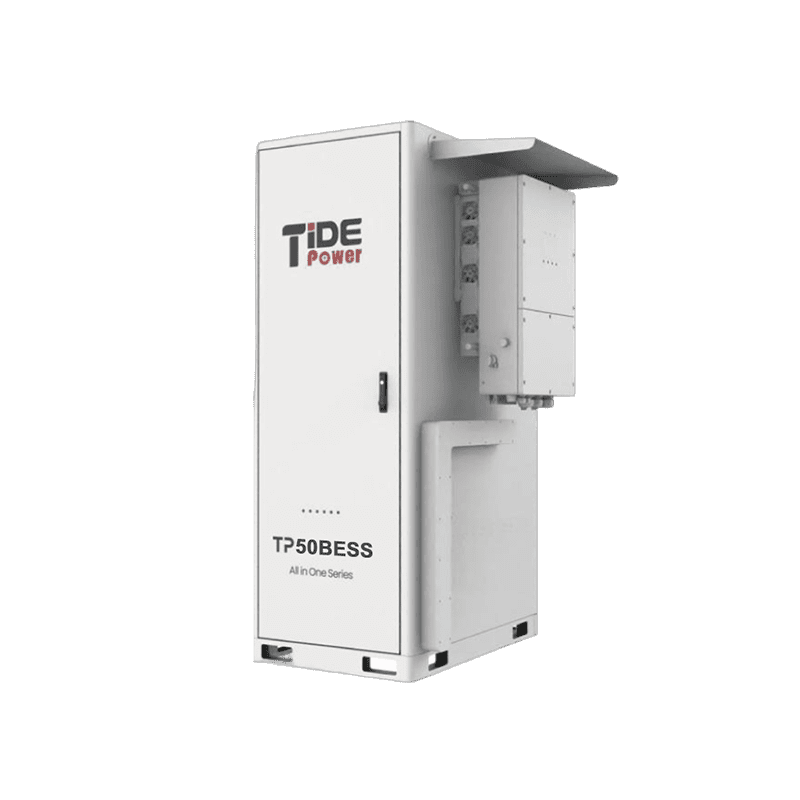
A modular system is often the easiest way to start a finance conversation because it allows the project to be phased.
Matching Finance Structure to the Storage Asset
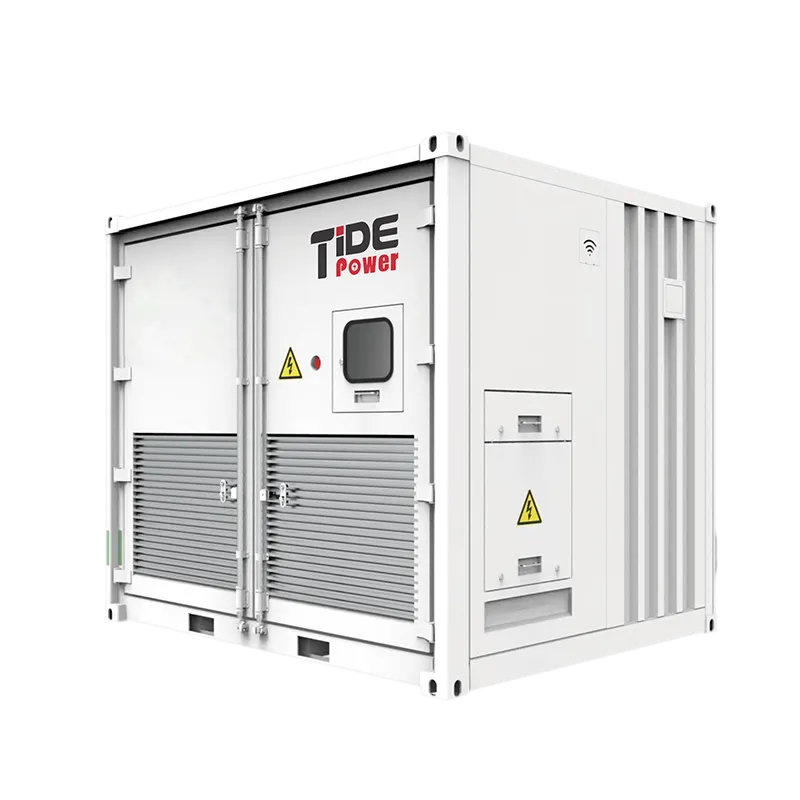
The physical configuration matters nearly as much as the contract. A containerized BESS used for demand management has a different risk profile from a small hybrid unit used for off-grid telecom or agriculture. Lenders, insurers, and investors will classify the project by its operating profile: daily cycling, backup-only, islanded, or grid-connected.
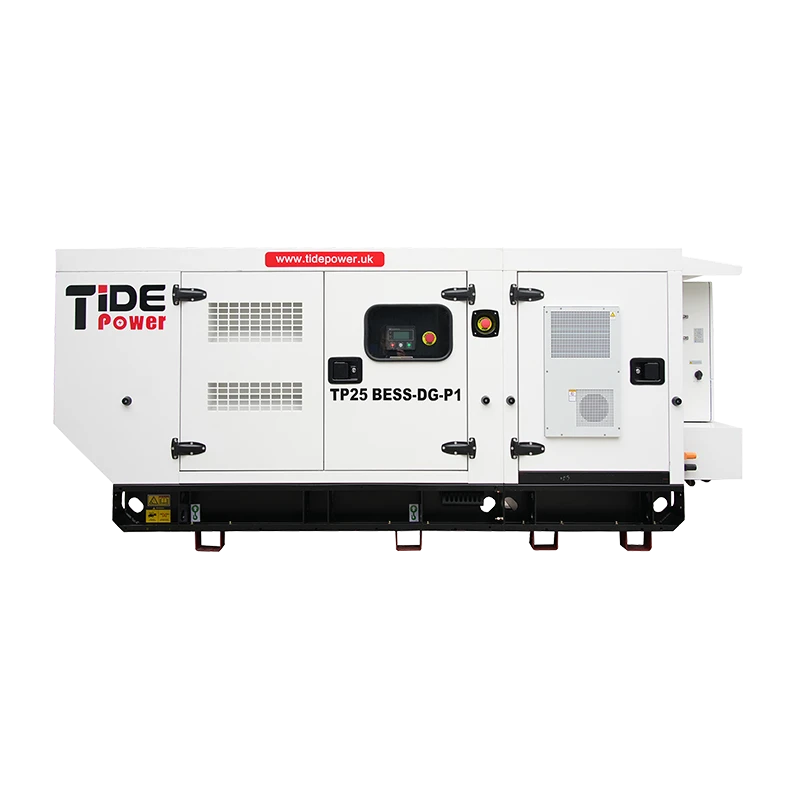
For large commercial and industrial sites, a containerized unit such as Tide Power’s TP-261BESS is typically financed as a fixed asset with a performance warranty and a defined maintenance schedule. For remote or off-grid sites, a hybrid power unit such as the TP-25P may be funded through a service contract because the value is tied more to uptime than to tariff arbitrage.
For critical facilities where storage finance is blended with backup generation, <The Role of Tide Power Generator Sets in Data Centers> covers the reliability requirements that often shape lender and insurance review for behind-the-meter storage.
The distinction is practical. A behind-the-meter project that reduces demand charges can support a simple loan or lease because the avoided cost appears directly on the energy bill. A front-of-meter or utility-scale project may need a revenue contract, a grid interconnection study, and a more complex financing stack before capital can close [2].
What Lenders, Investors, and Insurers Look For
Finance providers tend to ask the same four questions before they will commit:
- Is the equipment listed to a recognized safety standard?
- Is the installation compliant with fire and building codes?
- Is the performance guarantee credible over the finance term?
- Is there an operations and maintenance plan with a realistic budget?
Equipment safety is usually confirmed through listing to ANSI/CAN/UL 9540, which covers energy storage systems and equipment as a complete assembly [3]. Site-level compliance is addressed through fire codes such as NFPA 855, which sets requirements for spacing, suppression, ventilation, and signage [4]. A project that cannot show both documents will often fail lender due diligence or carry higher insurance premiums.
Performance risk is handled differently from engine-based generation. Battery capacity degrades gradually, so a finance-grade proposal should state the warranted capacity at end of term, the ambient operating conditions, the cycling assumptions, and the remedies if capacity falls below an agreed threshold.
Building a Finance-Ready Business Case
A credible business case does not start with a product price. It starts with a load profile, a tariff review, and a realistic operating scenario.
The most persuasive analyses show:
- Baseline energy and demand costs without storage
- Expected savings from each operational mode
- Battery cycling and assumed degradation
- Maintenance, monitoring, and insurance costs
- Incentives and tax benefits that apply in the project’s jurisdiction
- Sensitivity cases for utility rate changes and equipment downtime
The first pass should be simple enough to explain to a lender, not a black-box model. If the project depends on several favorable assumptions all occurring together, the finance committee will usually discount the savings. In contrast, a project with one strong value stream and one secondary benefit is easier to underwrite [2][5].
In the U.S., available incentives vary by state and utility, and they change regularly. The Database of State Incentives for Renewables & Efficiency, or DSIRE, is a useful reference for checking current programs [5]. International buyers should verify whether the project qualifies for import duty relief, accelerated depreciation, or development-bank support before committing to a price.
Finance-ready specification. If you are evaluating a 250 kW to multi-MW storage project, Tide Power can help turn your site data into a review-ready technical and commercial specification. Email [email protected] with your site load profile, tariff structure, required backup duration, and target project timeline. This allows the team to recommend the most appropriate system configuration and finance-aligned warranty package.
Common Contract and Compliance Traps
Even a well-priced storage system can become a financial problem if the contract leaves risk unallocated.
- Unclear performance guarantees. Confirm whether the guarantee covers round-trip efficiency, usable capacity, or both—and at what point in the warranty period.
- Missing end-of-term obligations. If the battery is leased, define who pays for removal, recycling, or refresh.
- Fire safety approval gaps. The equipment listing is not the same as site approval. NFPA 855 compliance must be verified for the actual installation layout [4].
- Interconnection and permit costs. Some quotes include only the BESS hardware; others include switchgear, controls, civil works, and grid studies. A finance comparison must use the same boundary.
- Warranty exclusions. Ambient temperature limits, cycling caps, and maintenance records can void capacity warranties if not documented.
A finance-ready purchase order should treat the storage system as a complete asset: modules, inverter, controls, fire suppression interfaces, installation, commissioning, and a multi-year service plan. The more elements left out of the initial price, the more the savings forecast will drift.
Get a Finance-Ready Energy Storage Quote
Tide Power Technology supports commercial and industrial storage projects with system design, product selection, and finance-aligned documentation. To begin a review, send the following information to [email protected] or call +86 591 2806 8999:
- Annual energy consumption and peak demand
- Existing utility tariff or load profile
- Required backup duration and critical loads
- Site constraints and installation location
- Project timeline and finance structure under consideration
A clear inquiry at this stage shortens the technical evaluation and helps align product selection with the financing path you intend to use.
Frequently Asked Questions
What is the most common way to finance a battery energy storage system?
Most commercial buyers use one of four routes: direct purchase, equipment loan, lease, or a third-party storage PPA. The best route depends on the buyer’s balance sheet, tax position, and whether the project’s main purpose is cost savings, resilience, or grid services.
Is energy storage eligible for the U.S. Investment Tax Credit?
Standalone commercial storage can be eligible for the federal Investment Tax Credit under Section 48 if it meets the relevant charging and ownership requirements. Eligibility, credit rate, and placed-in-service rules should be confirmed with a tax adviser and current IRS guidance [1].
Do lenders require UL 9540 compliance?
In commercial and utility-scale projects, most lenders and insurers expect the battery storage system to be listed to ANSI/CAN/UL 9540 because it addresses the safety of the complete energy storage assembly [3]. Site-level fire code compliance is typically assessed separately under standards such as NFPA 855 [4].
How does a storage PPA work?
A storage power purchase agreement places ownership with a third party. The customer pays a recurring fee—either per kWh of delivered service or as a monthly capacity charge—while the owner operates and maintains the system. The contract should define performance, availability, and termination terms.
What information do I need to provide to get a storage finance quote?
A strong initial request includes annual energy consumption, peak demand, tariff information, required backup duration, site constraints, and the finance structure you prefer. This allows the vendor and the capital provider to evaluate the savings stream instead of guessing at the operating profile.
References
[1] U.S. Department of Energy. “Federal Solar Tax Credits for Businesses.” https://www.energy.gov/eere/solar/federal-solar-tax-credits-businesses
[2] International Renewable Energy Agency. “Electricity Storage Valuation Framework: Assessing System Value and Ensuring Project Viability.” https://www.irena.org/publications/2020/Mar/Electricity-Storage-Valuation-Framework-2018
[3] UL Standards & Engagement. “ANSI/CAN/UL 9540: Standard for Safety, Energy Storage Systems and Equipment.”
[4] National Fire Protection Association. “NFPA 855: Standard for the Installation of Stationary Energy Storage Systems,” 2023 edition.
[5] DSIRE. “Database of State Incentives for Renewables & Efficiency: Energy Storage.” https://www.dsireusa.org
If you’re interested, check out these related articles:
Tide Power’s gas gensets for CHP
Tide Power 2024 Management Meeting Successfully Held
The 2023 Tide POWER anniversary celebration were successfully held
Powering Industry & Infrastructure: Tide Power’s Advanced Pump Solutions Set New Standards in Efficiency & Reliability
Powering Critical Industries: Tide Power Z Series Pumps & Industrial Generators Deliver Unmatched Performance
