
 EN
EN ZH
ZH FR
FR ES
ES AR
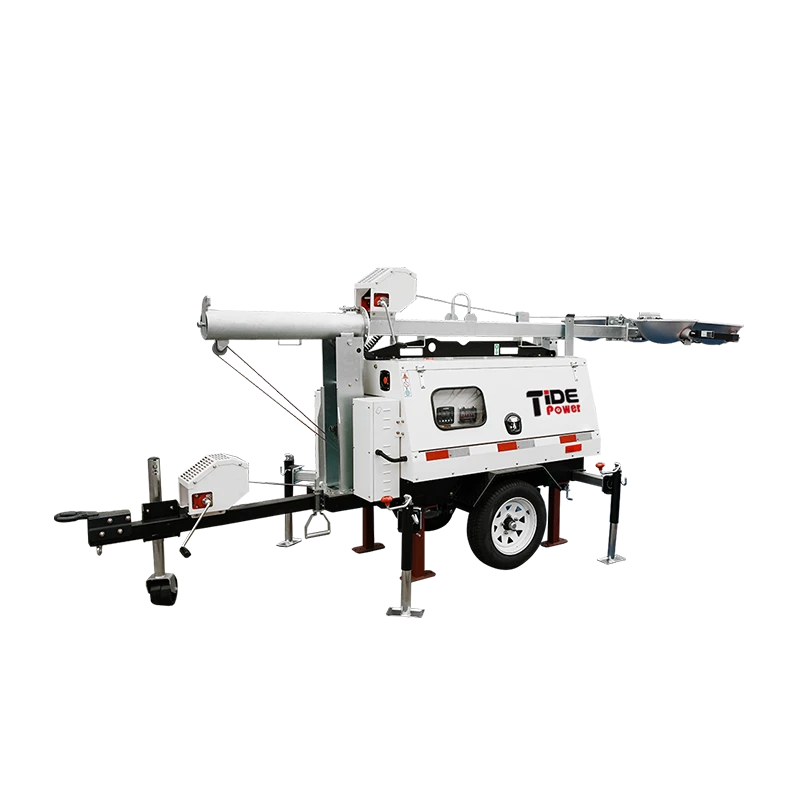
ARComparing a battery vs generator powered light tower starts with one operational question: how much continuous illumination does the site need, and how easily can equipment be recharged or refueled? A battery-powered tower stores energy in an onboard pack and may draw support from solar input or an external charger. A generator-powered tower produces power from a diesel engine and alternator, so it can keep working as long as the fuel tank is serviced. Neither option is universally better. The stronger choice depends on site hours, emission constraints, noise rules, available charging access, and maintenance capacity.
How the Two Power Sources Compare
At system level, a battery light tower converts stored DC energy to power the mast lights, while a generator light tower runs an engine-driven generating set to supply the same load. The mast type is often a separate decision from the power source. Tide Power’s lighting tower range includes manual mast, hydraulic mast, horizontal mast, solar, and solar hydraulic configurations, so the same platform can be specified around either power approach.
| Decision factor | Battery light tower | Generator light tower |
|---|---|---|
| Power source | Rechargeable battery pack, optionally solar-assisted | Diesel engine and alternator |
| Runtime profile | Limited by battery capacity, discharge rate, and recharge window | Limited by tank capacity and refueling cadence |
| Noise footprint | Low; suited to residential and quiet-zone work | Higher; may require noise mitigation |
| Maintenance focus | Battery care, charging discipline, panel cleaning | Fuel handling, oil changes, filters, coolant checks |
| Best fit | Noise-sensitive, emission-limited, repetitive duty cycles | Remote sites, long shifts, limited charging access |
The practical decision is less about which technology is superior and more about which constraint controls the schedule. If a project can recharge daily and operates under strict noise limits, battery power often removes the biggest compliance burden. If the site is remote and the crew needs full-output lighting across multiple nights without interruption, a diesel light tower is usually the more straightforward choice.
Runtime and Site Logistics
Generator light towers are frequently selected for long-duration work because refueling is faster than recharging and can be arranged without taking the tower offline. Engine-driven generating sets follow performance and duty classifications under ISO 8528 [1], which helps project teams compare prime, standby, and continuous operation expectations for the generator set behind the lighting load.
Battery towers shift the logistics problem from fuel storage to charging access. For projects with overnight work followed by daytime charging windows, or for sites using a hybrid power system, battery-operation can simplify daily setup. For multiple towers on a large jobsite, however, the recharge cluster must be planned like any other temporary utility connection. Without a clear charging plan, battery towers can create a hidden bottleneck that diesel refueling would not.
If your deployment has split operating windows, an all-night shift, or a mix of short silent periods and continuous high-output lighting, contact [email protected] with the required daily run hours and available charging or fuel access. Tide Power can compare battery, solar-assisted, and diesel configurations for the same mast height and coverage requirement.
A generator light tower will not stay reliable by itself in dust-prone or extreme environments. <Generator Maintenance for Extreme Environments: Combating Heavy Sand and Dust> covers the filter, cooling, and inspection points that matter most in harsh worksites.
Noise, Emissions, and Regulatory Fit
Site lighting is usually governed first by illumination requirements rather than equipment noise limits. OSHA sets minimum illumination standards for construction areas under 29 CFR 1926.56 [2]. The choice between battery and generator power becomes more important when local ordinances, hospital zones, residential areas, or enclosed workspaces add noise and air-quality restrictions.
The U.S. EPA regulates emissions from nonroad diesel engines [3]. A diesel light tower may still be fully compliant when its engine meets the applicable tier, but that compliance is part of the procurement decision and the operator’s maintenance responsibility. A battery or solar-assisted solar lighting tower can simplify nighttime and indoor work because it does not require engine operation during the lighting period.
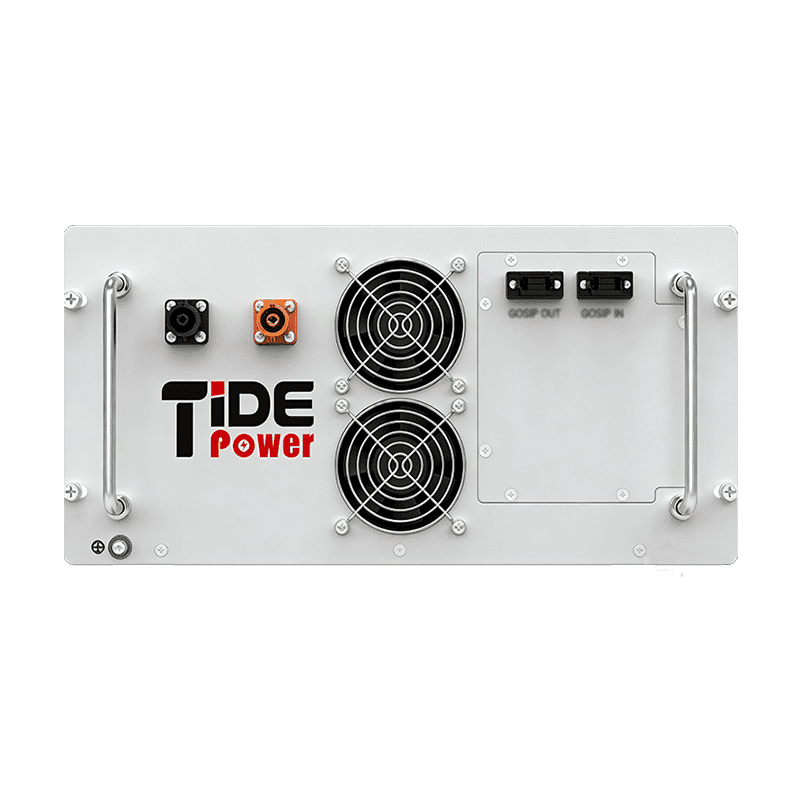
That does not make battery power emission-free across the full lifecycle. Electricity used for charging still comes from a source, and battery packs carry manufacturing and recycling considerations. The site-level advantage remains real, however: for the hours when the mast is actually lit, a battery tower produces no localized exhaust and significantly less audible noise.
Lifetime Cost and Procurement View
Procurement teams should avoid comparing only the purchase price. A generator light tower may have a lower initial equipment cost but carries continued spending on fuel delivery, oil service, filter replacement, and engine repairs. A battery light tower may have a higher first cost but lower daily operating cost, especially where grid charging is inexpensive or solar gain is strong.
The total-cost result depends on local fuel prices, electricity tariffs, expected nightly run time, and the number of operational seasons. Lifecycle cost should also include transport and handling requirements. Diesel fuel storage may require spill containment and site controls, while battery charging may require cable management and weather-protected connection points.
Hybrid power decisions repeat the same battery-versus-diesel trade-off at larger scale. <Tide Power Showcases Innovative Hybrid Energy Solution at The Smarter E Europe 2025> covers how solar, storage, and diesel generation are deployed together.
When a Hybrid or Solar-Assisted Tower Makes Sense
Some projects do not need to choose between battery and generator power for every tower. A solar-assisted battery tower can cover early-evening and overnight lighting, then recharge from available grid or generator input during daylight. Tide Power’s lighting tower portfolio includes solar and solar hydraulic options, while its larger hybrid power system integrates solar power, battery storage, and diesel generation for more complex site loads.
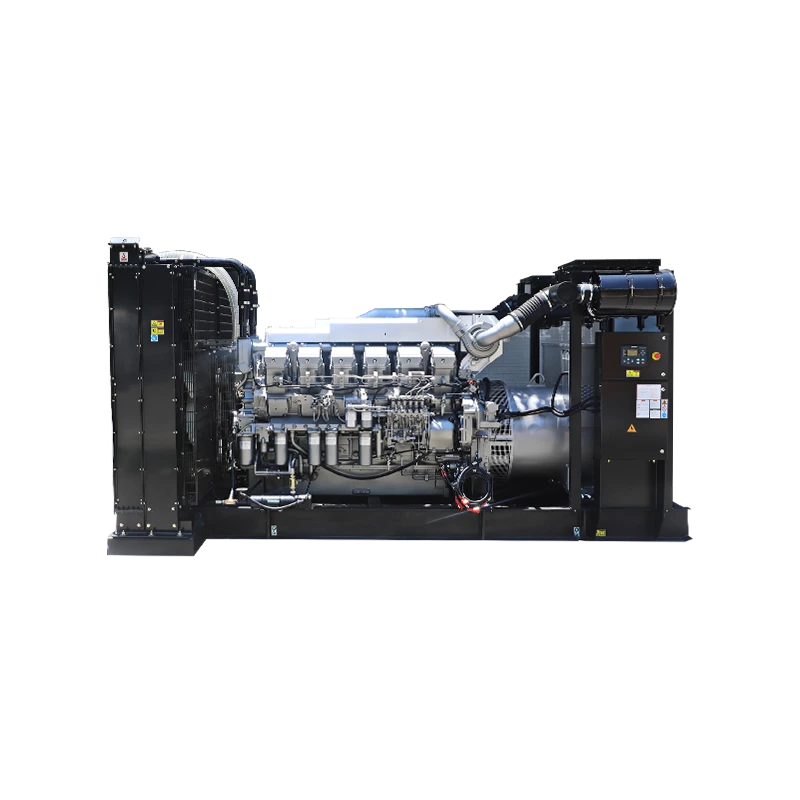
For fleets made up of multiple light towers, a mixed approach often produces the strongest result. Diesel towers can anchor the continuous-duty positions, while battery or solar towers serve perimeter, access, and noise-sensitive locations. This also reduces total fleet fuel burn without sacrificing illumination coverage where it is most critical.
If the site team is questioning whether battery storage can carry the full night load alone, <Tide Power BESS: The Future of Intelligent Energy Storage> covers storage layout, charge/discharge strategy, and system integration.
Selection Checklist
Before specifying a light tower, confirm the following:
- Required continuous lighting hours per day
- Number of masts and coverage area
- Local noise limits and any residential proximity
- Emission or fuel restrictions on the site
- Availability of overnight charging points
- Fuel storage and spill containment capability
- Maintenance staff availability and service interval tolerance
- Transport and repositioning frequency
If the checklist shows strong charging access and tight noise limits, battery or solar-assisted configurations usually shorten approval and improve site conditions. If it shows long shifts, limited infrastructure, and high output demands, generator power is often the lower-risk path.
Request a Lighting Tower Recommendation
Tell Tide Power the operating hours, mast height, required coverage, local noise and emission limits, and whether grid charging is available. The team can compare battery, solar-assisted, and diesel lighting configurations and issue a shortlist based on site conditions rather than a sheet-level comparison alone.
- Email: [email protected]
- Tel: +86 591 2806 8999
- Include: site type, daily run hours, number of towers, and local fuel or electricity costs
Frequently Asked Questions
Are battery light towers reliable for all-night use?
They can be, but the site must confirm that battery capacity matches the required light load and that a recharge window is available. If the shift exceeds the usable capacity and no charging is possible, a solar-assisted configuration or generator tower is safer.
How much fuel does a generator light tower use?
Fuel consumption varies with engine size, load, and operating mode. A generator tower consumes more when running at high output and less under partial load. The practical question is whether fuel delivery can be managed reliably across the full project schedule.
Can a solar or battery light tower replace a diesel tower on a construction site?
In many perimeter, access, and noise-sensitive roles, yes. For continuous heavy illumination in remote locations, diesel may still be the more dependable primary tower. A mixed fleet often provides the best balance.
Which option is cheaper over two years?
It depends on local fuel and electricity prices, runtime, and maintenance labor. Lower fuel and engine service costs often favor battery towers, while lower upfront complexity can favor diesel towers. A site-specific lifecycle comparison should be used.
Do battery light towers need extra charging infrastructure?
Yes. Battery towers require planned charging points, cable management, and weather protection. The infrastructure is typically simpler than fuel storage, but it still must be scheduled before deployment.
References
[1] International Organization for Standardization. ISO 8528:2018, Reciprocating Internal Combustion Engine Driven Alternating Current Generating Sets. Geneva: ISO.
[2] Occupational Safety and Health Administration. 29 CFR 1926.56: Illumination. Washington, DC: U.S. Department of Labor.
[3] U.S. Environmental Protection Agency. Clean Air Act Standards and Guidelines for Nonroad Diesel Engines. Washington, DC: U.S. EPA.
If you’re interested, check out these related articles:
Tide Power Marks 20 Years: A Night of Gratitude, Innovation, and Shared Vision
Hybrid Power Systems: Combining BESS with Diesel Generators for Maximum Efficiency
