
 EN
EN ZH
ZH FR
FR ES
ES AR
ARElectric mini excavators are compact earthmoving machines that replace the conventional diesel engine with a battery-powered electric drive system. For contractors, municipal teams, and indoor project managers, the electric option is becoming a practical starting point for lower-emission, quieter operation without giving up the small-footprint performance that mini excavators are known for.
This introduction explains what electric mini excavators are, how they compare with diesel models, what to evaluate around battery runtime and charging, and which selection points matter most before a purchase or fleet trial.
What Is an Electric Mini Excavator?
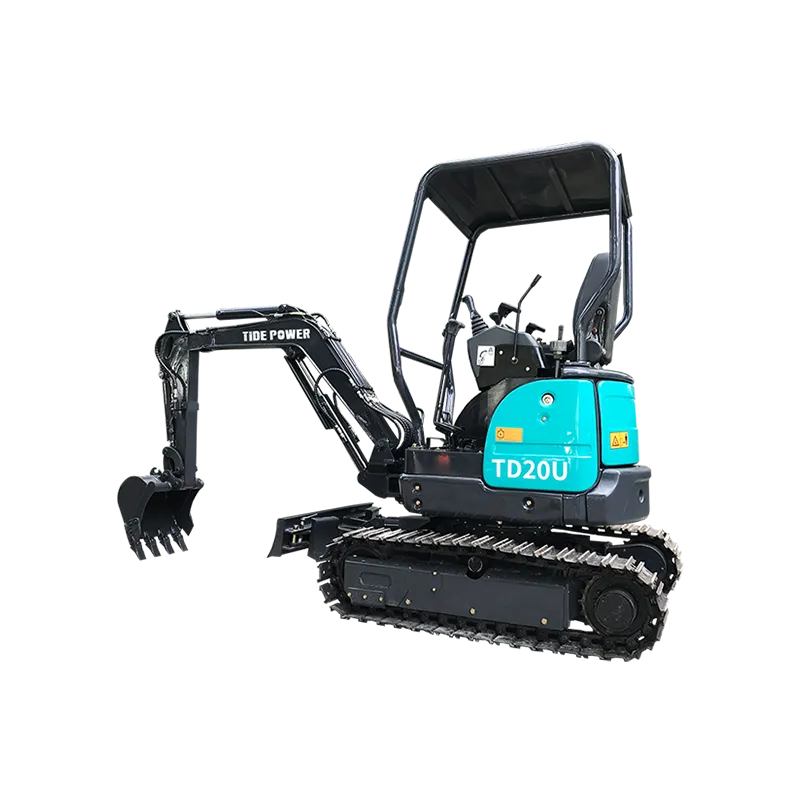
An electric mini excavator uses a rechargeable battery pack and electric drive motor to power travel, swing, and attachment functions. It generally fits the same compact operating class as diesel mini excavators, which makes it relevant for confined jobsites, landscaping, utility work, interior renovation, and municipal maintenance. The main engineering difference is the power source: electric machines trade fast diesel refueling for battery charging and deliver benefits such as reduced local emissions, lower noise, and simpler daily engine service [1].
Tide Power’s general machinery range includes mini excavator models TD10, TD12, TD15, TD18, TD20, TD25U, TD30U and TD40U, with the T10E offered as the electric option. The line is positioned for construction, municipal, and agricultural use.
Key Benefits for Contractors and Site Teams
The strongest reason to evaluate an electric mini excavator is application fit rather than emissions alone. In indoor work or enclosed areas, reducing tailpipe emissions can lower ventilation demand and improve operator comfort. Lower noise can also make the machine more acceptable in hospitals, schools, hotels, and residential neighborhoods. On the maintenance side, an electric drive system removes several recurring diesel-engine tasks.
- No tailpipe emissions at the point of use
- Lower job-site noise
- Reduced engine-fluid and filter service
- Good fit for indoor, urban, and noise-sensitive sites
- Requires access to charging and battery management
- Best when matched to a planned duty cycle
Need help matching an electric mini excavator to your site conditions? Tide Power can review the T10E and the wider mini excavator range against your project requirements. Email [email protected] for direct guidance.
Electric vs Diesel Mini Excavators: A Practical Comparison
Electric and diesel mini excavators usually sit side by side for the same digging, trenching, grading, and material-handling roles. The decision depends on shift length, charging access, noise limits, and local emission rules.
| Factor | Diesel Mini Excavator | Electric Mini Excavator |
|---|---|---|
| Power source | Diesel engine | Battery-powered electric drive |
| Local emissions | Exhaust emissions present | No tailpipe emissions at the point of use |
| Noise level | Higher engine noise | Lower noise |
| Refueling/recharging | Fast diesel refueling | Longer battery charging |
| Daily service | Engine oil, filters, coolant | Battery and drive inspections |
| Best fit | Open-air, long-shift, high-hour work | Indoor, urban, noise-sensitive, shorter-shift work |
| Initial cost | Generally lower | May be higher |
The table is a decision filter, not a replacement for a site-specific specification review. A machine that fits well in a short-shift indoor application may not be the best choice for a remote, high-hour earthmoving cycle.
Battery, Runtime, and Charging Considerations
Battery runtime depends on battery capacity, load factor, ambient temperature, travel distance, and how often the operator demands high hydraulic flow. A higher load factor drains the battery faster; lighter tasks extend working time. Because of this, the purchase discussion should focus on usable energy per shift rather than on a single “hours per charge” number.
Lithium iron phosphate (LFP) chemistry is common in mobile energy equipment because it offers good thermal stability and cycle life. Tide Power’s broader energy storage offer includes modular LFP packs such as the 5.12 kWh LFP Battery Pack, which is part of the same electrification direction used across the company’s power equipment [2].
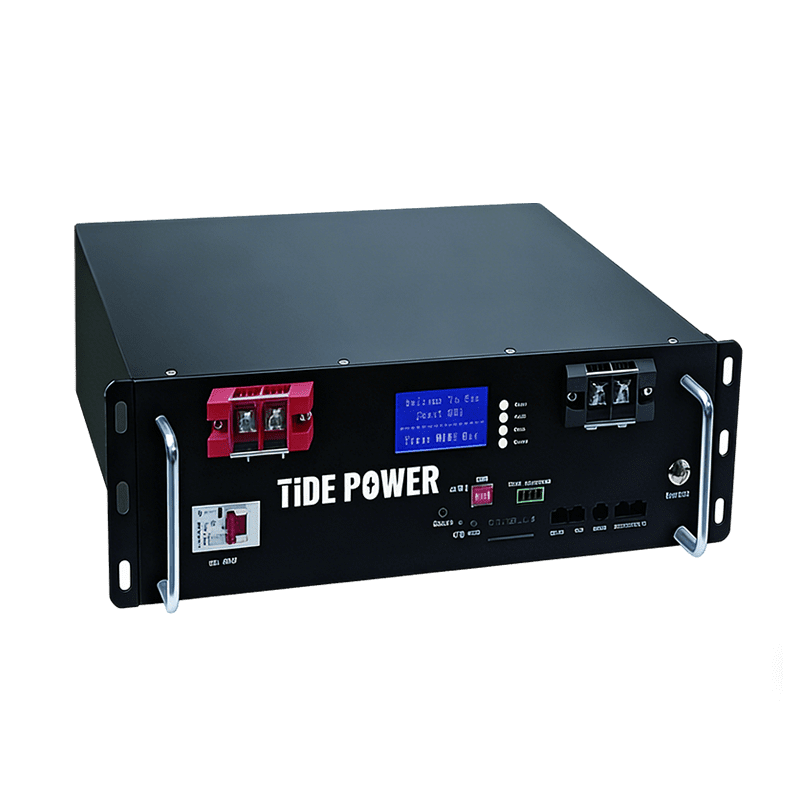
Charging requirements should be confirmed before delivery. The charger input, site voltage, available power, and charging location all affect whether an electric mini excavator can be refilled between shifts. On sites without stable grid power, a hybrid power station or battery-backed microgrid can support charging; Tide Power’s TP-25P hybrid unit is one example of a solar-and-storage power source used for off-grid energy support.
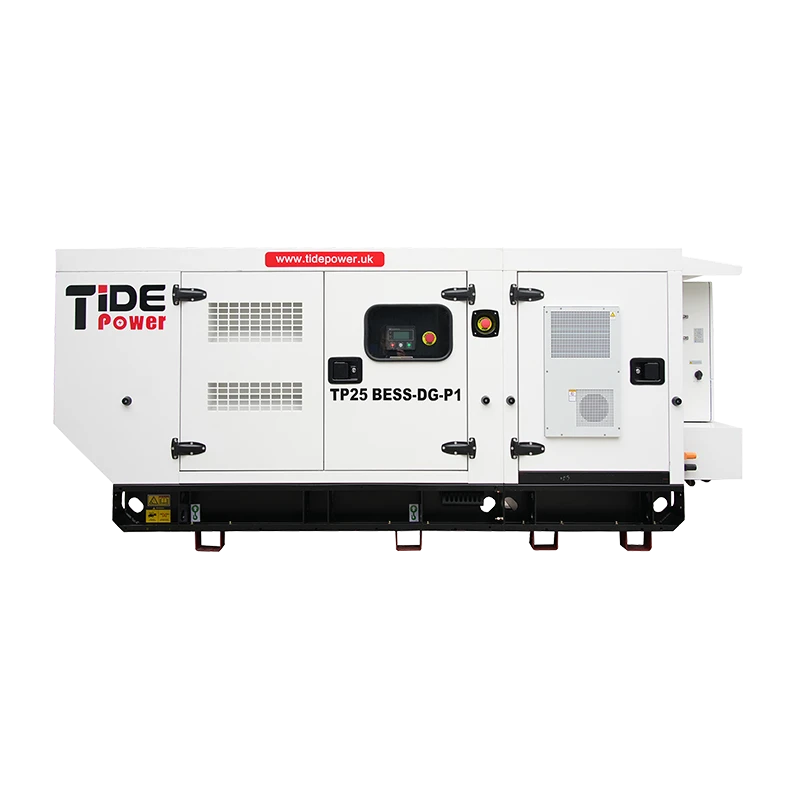
Electric drive and battery integration also appear in Tide Power’s wider energy equipment range. <Tide Power Unveils Advanced Hybrid Power Solutions, Redefining Industrial Energy Resilience> covers how hybrid and electrified power architectures are applied in demanding field environments.
Not sure whether electric runtime fits your shift pattern? Contact [email protected] or call +86 591 2806 8999 for a direct application review and charging-plan discussion.
Selection, Attachments, Safety, and Operator Requirements
Start with the same specification discipline used for diesel mini excavators, then add charging and battery factors.
- Operating weight and transport width
- Rated digging depth and bucket breakout force
- Hydraulic flow for powered attachments
- Battery capacity and charger input
- Available attachments: buckets, augers, breakers, thumbs
- Operator training and site electrical access
Attachments matter because an electric mini excavator is often purchased as a multi-tool platform. Confirm that the hydraulic flow and control settings match each attachment before ordering.
Safety planning should follow the same risk-assessment process as any earth-moving machine. ISO 12100 provides the general risk-assessment framework [3], while ISO 20474-1 covers earth-moving machinery safety requirements [4]. For battery systems, follow the manufacturer’s charging, isolation, and storage limits; lithium battery safety practices align with standards such as IEC 62619 [2].
Operator confidence remains a core requirement for any new machine introduction. <Knowledge is power: Comprehensive training from Tide Power> covers structured equipment training used to bring operators up to speed.
Talk to Tide Power About Your Electric Mini Excavator Project
Tide Power supports buyers who are evaluating the T10E electric mini excavator or comparing electric and diesel models for a fleet or project. The team can clarify model availability, attachment compatibility, charging requirements, and order planning.
- Email: [email protected]
- Tel: +86 591 2806 8999
- Fax: +86 591 2806 8900
- Product line: T10E
- Distributor and support: Distributor
Frequently Asked Questions
What is the main difference between an electric mini excavator and a diesel mini excavator?
The main difference is the power source. A diesel mini excavator uses a diesel engine and refuels quickly, while an electric mini excavator uses a rechargeable battery pack and electric drive system. This changes noise, local emissions, daily service tasks, and charging requirements.
How long does an electric mini excavator run on one charge?
Runtime is not fixed. It depends on battery capacity, load factor, ambient temperature, and how hard the machine is worked. A manufacturer can estimate a duty cycle only after understanding the site conditions and the tasks.
Can an electric mini excavator handle the same digging work as a diesel model?
In many cases, yes for compact digging, trenching, and material handling, but the specification must match the task. Compare operating weight, bucket breakout force, hydraulic flow, and attachment capability before deciding.
Is an electric mini excavator suitable for indoor projects?
It is often evaluated for indoor projects because it produces no tailpipe emissions at the point of use and lower noise. However, site ventilation, charging access, battery management, and load capacity still need to be reviewed.
What should I check before buying an electric mini excavator?
Check rated digging depth, bucket breakout force, operating weight, battery capacity, charger input, charging time, available attachments, transport width, operator training, and after-sales support.
References
[1] U.S. Department of Energy. Alternative Fuels Data Center: Electric Vehicle Benefits and Considerations. Accessed February 2026. https://afdc.energy.gov/fuels/electricity_benefits.html
[2] IEC. IEC 62619:2022 Secondary cells and batteries containing alkaline or other non-acid electrolytes — Safety requirements for secondary lithium cells and batteries for use in industrial applications. International Electrotechnical Commission, 2022.
[3] ISO. ISO 12100:2010 Safety of machinery — General principles for design — Risk assessment and risk reduction. International Organization for Standardization, 2010.
[4] ISO. ISO 20474-1:2017 Earth-moving machinery — Safety — Part 1: General requirements. International Organization for Standardization, 2017.
If you’re interested, check out these related articles:
Tide Power Launches B Series Dry Suction Sewage Pumps: No Priming, No Clogs, No Downtime
Tide Power to Showcase Innovative Energy Solutions at Middle East Energy 2025
Tide Power at a 7-a-side Football Blitz Championship in Latin America
