
 EN
EN ZH
ZH FR
FR ES
ES AR
ARChoosing between renting and purchasing a dewatering pump is rarely about the pump alone. It is about project duration, groundwater conditions, allowable downtime, transport costs, and whether the equipment will be used again on future sites. A sound decision combines site-specific hydraulic requirements with a total cost view rather than a single monthly rate. The starting point is to document the expected flow rate, total dynamic head, solids content, suction lift, fuel availability, and project schedule [1]. Those inputs determine both pump size and the economic break-even between rental and ownership.
When a Rental Dewatering Pump Is the Better Choice
A rental works best where exposure is short or unpredictable. Emergency flood response, trial dewatering for a single excavation, seasonal work, and projects with uncertain groundwater inflows often favor rental because the contractor avoids tying capital to equipment that may sit idle after demobilization. Rental agreements also shift routine service responsibility to the rental provider, which can reduce the burden on site crews.
The trade-off is control. Rental equipment may not exactly match the required flow and head, and availability is strongest only when demand patterns align. Mobilization fees, minimum rental periods, and damage waiver terms add up quickly, so the rental comparison should be based on total invoice cost for the actual project duration—not the advertised daily rate [2].
Diesel-driven pump packages must keep working in silt, debris, and tight access conditions. <Diesel Pump Generators: Reliable Dewatering Solutions for Harsh Environments> covers how self-priming pump sets handle continuous and emergency dewatering.
When Owning a Dewatering Pump Makes Financial Sense
Purchase becomes the stronger option when dewatering demand recurs across multiple projects or when the pump is part of a long-term mine, quarry, or flood-control plan. Ownership gives a contractor control over readiness, configuration, and dispatch, which matters when a failed pump would delay excavation or compromise safety. The financial case improves as annual operating hours increase, but the exact break-even point must be calculated from local rental rates, depreciation, maintenance, freight, and downtime cost.
Fleet owners also gain the ability to standardize around a pump type that suits their recurring ground conditions. Standardization can reduce the number of spare parts, service contacts, and operator training programs required across the fleet. However, ownership also means the owner must manage storage, planned maintenance, and lifecycle replacement [2].
Owning equipment also means matching the engine to the site fuel available and the power demands of long-run dewatering operations. <Diesel vs. Gas Generators: Which Is Right for Your Industry?> covers fuel trade-offs in industrial power applications.
Cost Structure and Total Cost of Ownership
| Cost element | Rental | Purchase |
|---|---|---|
| Initial capital | Low per invoice | High at acquisition |
| Routine maintenance | Usually included | Owner responsibility |
| Mobilization | Frequent, per call | Lower after first move |
| Parts and wear | Covered only under agreement terms | Owner-funded |
| Storage | Minimal | Yard, security, and protection needed |
| Availability | Subject to market supply | Controlled by owner |
| Long-run cost | Rises sharply with extended use | Spreads over useful life |
| Residual value | None | Resale, trade-in, or redeployment |
The table is a decision aid rather than a quote. A proper comparison requires site-specific numbers for rental duration, transport distance, fuel consumption, operator time, and expected downtime. Both rental and purchased equipment carry schedule risk, but the risk is managed differently: rental response depends on supplier logistics, while owned response depends on in-house spares and service capability [2].
For diesel-driven pumps, fuel consumption is often the largest operating cost over a long project. Maintenance, filters, impeller wear, and seal replacement follow. Owners should model fuel consumption at the expected duty point, planned maintenance intervals, and mean time between repairs. Rental quotes may include some of these costs, but owners still pay indirectly through rental rates that reflect supplier maintenance risk [2].
Pump Sizing and Site Conditions to Document Before Deciding
The correct pump selection begins with hydraulic duty, not with the rental-versus-purchase question. Document the required flow rate, total dynamic head, suction lift, water quality, solids size, and the dewatering method to be used. For open excavations, the groundwater control system may combine sumps, wellpoints, or deep wells, each placing different demands on the pump [1]. A pump sized for clear water may fail prematurely in sandy or silty conditions, while an oversized unit wastes fuel and increases cost without improving dewatering performance.
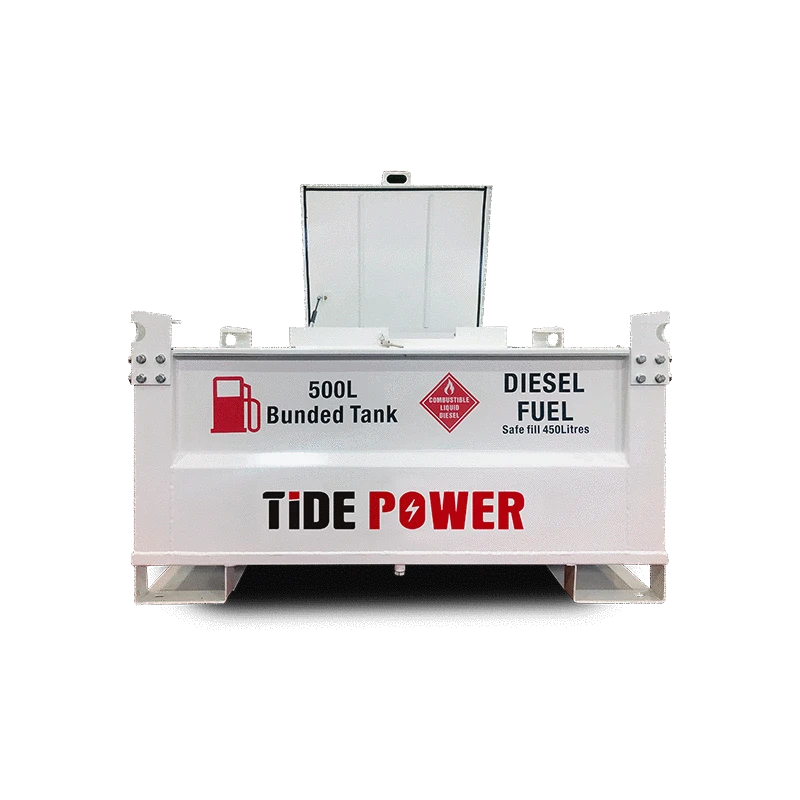
Power source and runtime are equally important. Diesel-driven self-priming pump packages provide independence from site electrical supply and can be moved close to the water source, but they require fuel storage, refueling logistics, and scheduled engine maintenance. Electric-driven units can lower local noise and emissions, but only where reliable grid or temporary power is available. The choice of power source should be evaluated from the site conditions rather than assumed.
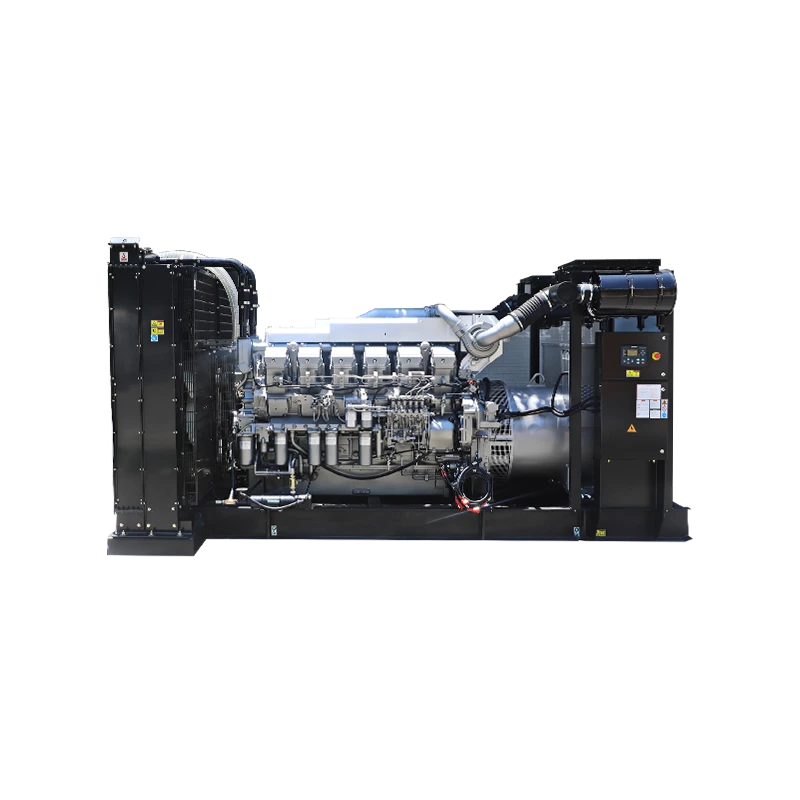
Long-run dewatering in mining, flood control, and deep excavation demands pump packages that can handle debris and rapid priming. <Tide Power: Your Trusted Source for Heavy-Duty Diesel Pump Solutions> covers what to look for in heavy-duty diesel pump packages.
Contract, Logistics, and Decision Framework
Before signing a rental agreement, review the minimum rental period, mobilization and demobilization charges, damage waiver, fuel responsibility, and service response time. Confirm whether the rental provider supplies hoses, strainers, and suction lines or whether those are site-supplied. For purchase, verify warranty coverage, available spare parts, factory support, and whether local service can reach the project. Construction safety rules also require effective water control for excavation work, so equipment reliability is not purely an economic issue [3].
Use a simple sequential check before committing:
- Estimate project duration and expected operating hours.
- Define required flow rate, head, and solids handling.
- Obtain two or three rental quotes and purchase quotes for the same hydraulic duty.
- Add transport, fuel, labor, maintenance, and downtime risk to each option.
- Compare total cost for the likely project duration plus one backup-response scenario.
- If reuse is likely, model ownership over a three-year window and test sensitivity to utilization.
- Choose rental for short, uncertain, or emergency demand; choose purchase for recurring, long-run, or time-critical demand.
Need help building a rental-versus-purchase model for your dewatering site? Email [email protected] with the required flow rate, head, fuel availability, project duration, and site access. A member of the team can walk through the cost factors and pump configuration that match the duty.
Project Support and Next Steps
The rental-versus-purchase decision becomes clearer when it is based on measured site conditions rather than a single price comparison. For teams preparing a dewatering plan, the practical next step is to confirm the hydraulic duty, then compare total costs across purchase and rental scenarios at the same duty point. If the project includes emergency response, mining drainage, flood control, or long-term groundwater control, a configured diesel-driven dewatering package may reduce mobilization and downtime risk.
Frequently Asked Questions
How do I calculate the right dewatering pump size?
Start with the required flow rate, total dynamic head, and suction lift. Then consider whether the water contains sand, silt, or solids, because that affects impeller type and wear. Do not size by engine power alone; hydraulic performance should be matched to the groundwater control system [1].
Is renting or buying better for a six-month construction project?
It depends on the rental rate curve, mobilization charges, and whether the pump will be used again. For a single six-month job, rental often looks attractive because maintenance is included. If the pump is likely to run on future projects, a purchase comparison should include residual value and avoided repeat mobilization fees.
What hidden costs occur with rented dewatering pumps?
Review minimum rental periods, mobilization and demobilization charges, damage waivers, fuel responsibility, and whether suction hoses and strainers are included. Delayed service response can also create downtime that a purchase would not automatically avoid, but it is controlled differently.
What happens if a purchased pump fails on site?
The owner must manage replacement or repair. That is why warranty coverage, spare parts availability, and local service reach should be reviewed before purchase. Many teams keep a smaller backup pump on hand if dewatering is safety-critical.
Can I rent first and buy later?
Yes, provided the rental provider can supply equipment matching the long-term duty. A short rental can validate the required flow and head before capital is committed. The key is to capture measured operating data during the rental period so the purchase decision is evidence-based.
References
[1] U.S. Army Corps of Engineers, Engineering and Design: Dewatering and Groundwater Control, Engineer Manual EM 1110-2-1906, Washington, DC, Nov. 1986.
[2] J. P. Powers, A. B. Corwin, P. C. Schmall, and W. E. Kaeck, Construction Dewatering and Groundwater Control: New Methods and Applications, 3rd ed., Wiley, 2007.
[3] Occupational Safety and Health Administration, “Excavations,” 29 CFR 1926.650–652, Washington, DC.
If you’re interested, check out these related articles:
Tide Power’s Innovative Products and Solutions at Big5 Construct Saudi
150 diesel generator sets supporting the construction of telecommunications projects in Africa
Tide Power Successfully Concludes Product Showcase in Nigeria, Highlighting Comprehensive Energy Solutions
How to Choose a Generator at Tide Power
Tide Power Showcases Innovative Hybrid Power Solutions in Successful 2025 Global Exhibition Series
