 EN
 ZH
 FR
 ES
 AR
Mobile light towers are portable, mast-mounted lighting systems used to extend work into night hours without permanent electrical infrastructure. Renting a unit is usually the fastest option when the schedule is short, the work area changes frequently, or you want to avoid long-term transport, storage, and service costs. This guide covers the specifications that affect site safety and productivity, the cost factors hidden inside many quotes, and a practical method for comparing units before you commit.
Use the sections below as a shortlisting checklist before you contact suppliers.
Understanding Mobile Light Towers and the Main Selection Criteria
A mobile light tower combines a towable or trailer-mounted frame, a telescoping mast, and several high-output luminaires. In construction and mining applications, it provides area lighting for excavation, material movement, access roads, and site security. For event teams and emergency response crews, it creates a controlled lighting zone without relying on grid access.
The most important rental decisions are rarely about picking the brightest fixture. They usually come down to four factors: mast height, lighting technology, power source, and transport requirements. Mast height determines coverage area and glare control. Lighting technology affects power draw, light quality, and runtime. Power source decides whether the unit can operate continuously, silently, or off-grid. Transport requirements determine whether the unit can reach the actual work area.
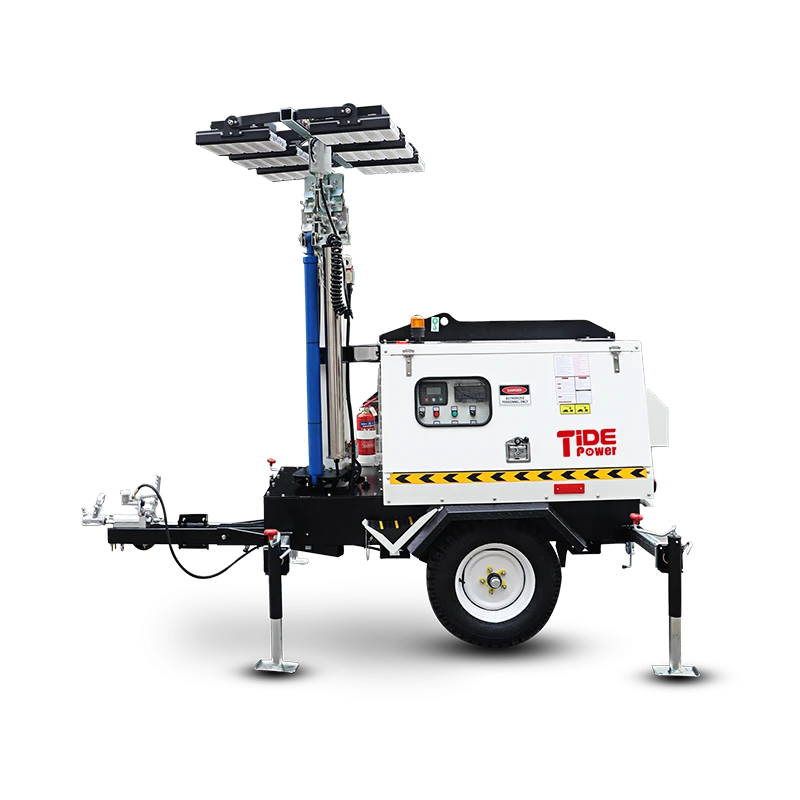
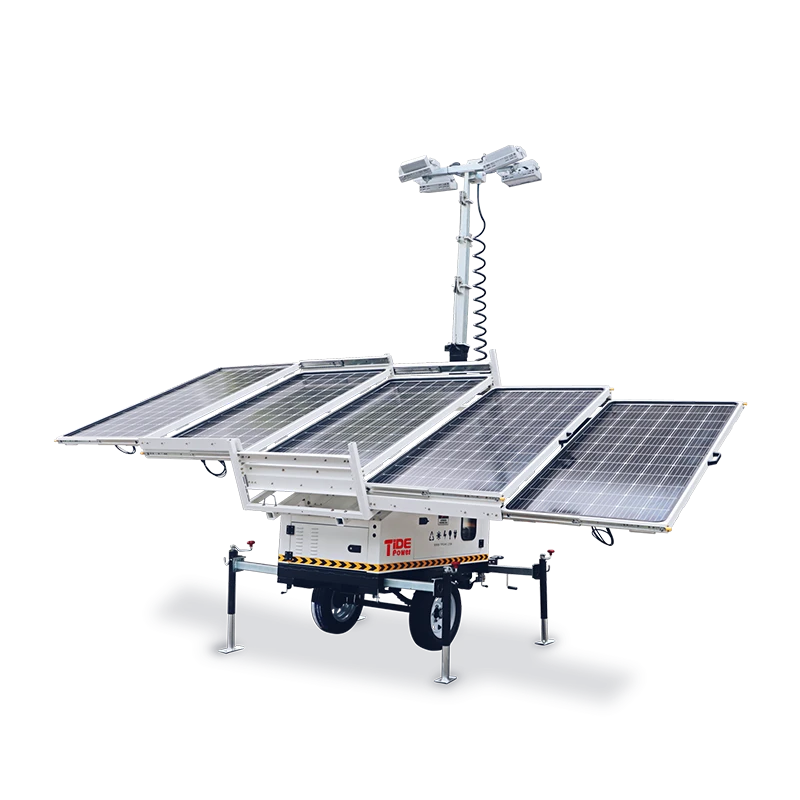
Before requesting a quote, build a shortlist using this product range as a reference: Tide Power’s lighting tower range includes manual mast, hydraulic, horizontal mast, solar, and solar hydraulic configurations. A manual mast is best when the unit stays in one position. A hydraulic mast is better when the crew repositions the tower several times per shift. A solar or solar hydraulic unit is more suitable for noise-sensitive projects or sites where fuel handling is restricted.
For task visibility, choose a fixture and beam pattern that meets the maintained illuminance and uniformity targets in the IES industrial lighting guidance [2]. In practice, that means matching the light distribution to the work task instead of evaluating wattage alone.
Mobile Light Tower Types and Key Specifications
The best type depends on how mobile the site is, how long the light must run, and whether noise or emissions are constrained.
| Tower type | Best when | Main advantage | Main limitation |
|---|---|---|---|
| Manual mast | Single-position lighting, short-term site use | Simple design, lower rental cost | Slower setup and repositioning |
| Hydraulic mast | Frequent repositioning, multi-crew handover | Fast mast raising and lowering | More complex hydraulic system |
| Horizontal mast | Transport clearance or compact storage matters | Different folding geometry for handling | Requires check for site maneuverability |
| Solar lighting tower | Silent operation, no fuel logistics, emissions-sensitive site | Lower operating fuel demand, quiet worksite | Output depends on solar charge and battery state |
| Solar hydraulic | Quiet operation plus frequent repositioning | Flexible setup with low on-site energy demand | Higher specification and rental cost |
When comparing specifications, ask for these details rather than relying only on the model name:
- Mast height and extension time — confirm the unit can throw light over equipment and stockpiles without creating severe glare.
- Luminaire type — LED arrays generally consume less energy than conventional metal-halide fixtures and usually provide whiter, more stable light over a shift.
- Total system wattage and coverage — compare the area lit to construction lighting levels, not only the number of fixtures.
- Runtime at load — request runtime at the stated load, not fuel tank capacity alone.
- Power source — diesel, battery, solar, hybrid, or grid connection. Hybrid and solar options reduce refueling trips and on-site emissions.
- Mobility features — stabilizers, lifting points, trailer hitch, forklift pockets, and wheel type for uneven ground.
- Control system — timers, photocells, remote monitoring, and dimming can reduce energy waste across a multi-week rental.
Solar and hybrid configurations are increasingly used where site rules prohibit night-time generator noise. The solar lighting tower and solar hydraulic lighting tower options support fuel-free illumination, although site teams should still confirm battery autonomy, recharge time, and low-light performance for the longest winter shifts.
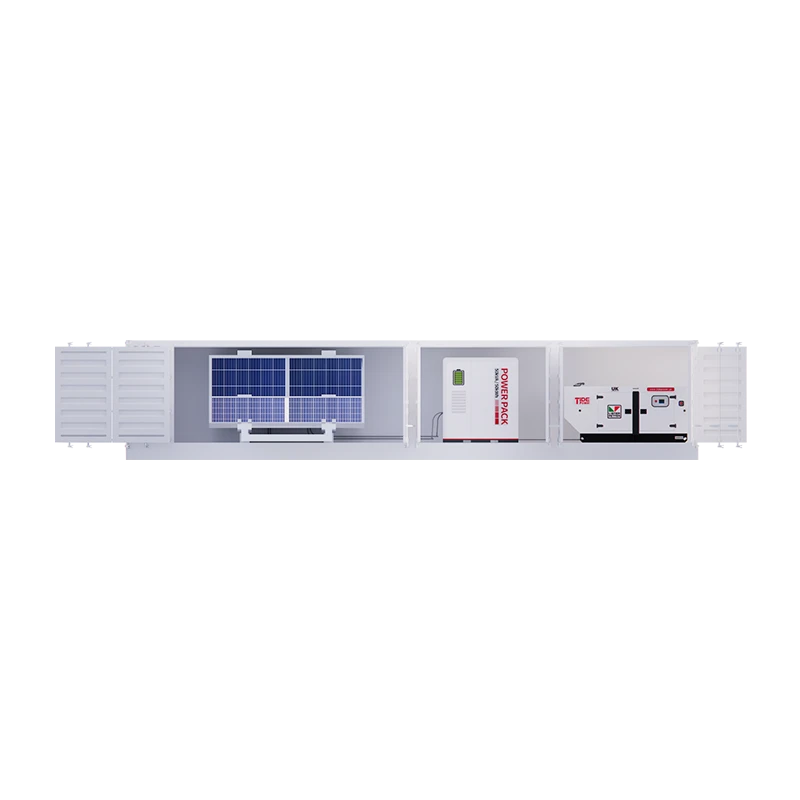
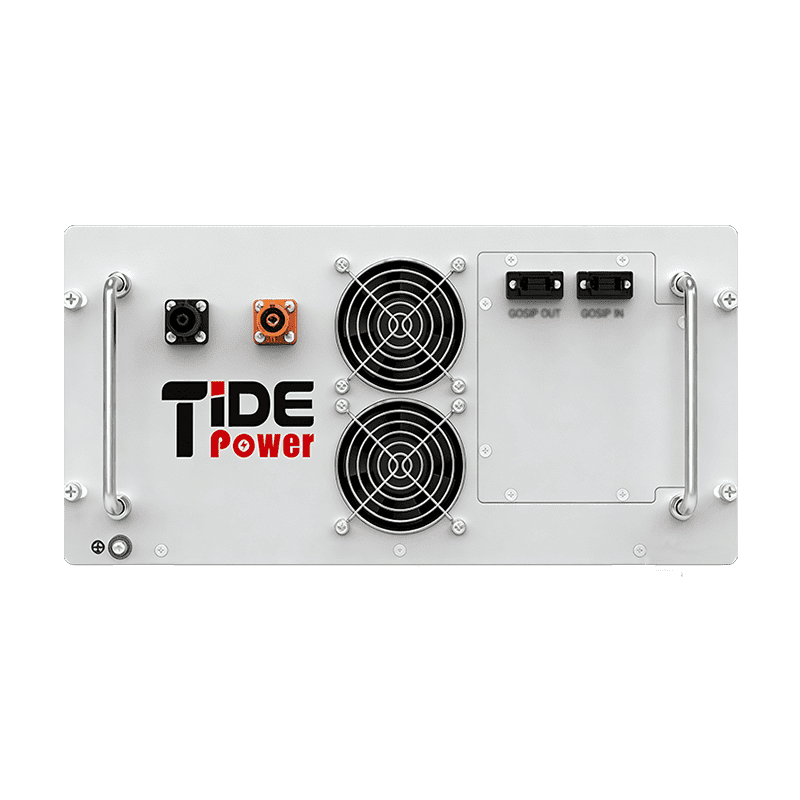
For battery-backed units, the usable storage capacity and discharge depth determine how long full light output can be maintained after sunset. A modular battery pack, such as the 16.1 kWh LFP battery module, is one way suppliers scale runtime without increasing noise or fuel handling.
Rental Cost Factors and Comparing Quotes
Rental quotes are not standardized, so the lowest number often excludes work that is essential for safe operation. Ask every supplier to itemize the same scope.
The main cost factors include:
- Rental duration — daily, weekly, and monthly rates are often structured differently.
- Mobilization and collection — delivery distance, crane or forklift availability, and site access conditions.
- Mast height and light output — higher-capacity or hydraulic units typically carry a higher rate.
- Technology — LED, solar, and hybrid units may have a higher rental rate but lower fuel or charging costs.
- Setup and repositioning — confirm how many moves are included.
- Fuel, charging, or battery handling — clarify who supplies diesel or manages charging.
- Damage waiver and cleaning — check whether contamination, glass damage, or tire wear is included.
- Weather and terrain surcharges — soft ground, winter conditions, or extended remote delivery may add cost.
A practical comparison table should list total cost for the planned rental period, including delivery, fuel, and expected moves, instead of comparing only the base daily price.
Need help narrowing the choice? Send your site lighting requirement to [email protected] and ask for a shortlist by mast height, runtime, and fuel preference. That usually saves more time than comparing raw data sheets without site context.
Choosing the Right Unit: Safety, Setup, and Rental vs Purchase
Start with the visual task, not the equipment brand. Identify the areas that must stay lit, the required illumination level, and any glare restrictions for operators or road users. OSHA 29 CFR 1926.56(a) sets minimum illumination levels for general construction areas, plants, and first-aid stations [1]. Confirming that a proposed layout can reach those levels should be part of the rental decision, not an afterthought.
Then evaluate the site access route. A unit that looks suitable on paper may not fit through a narrow gate, climb a soft haul road, or clear an overhead cable. Confirm towing speed, tire type, stabilizer footprint, and lifting requirements before delivery.
Renting usually makes more sense than buying when the need lasts less than a few years, when the equipment moves between projects, or when the buyer does not want to hold spare parts and service capacity. Purchasing can become economical when utilization is high and transport can be shared across a regional fleet. For most temporary or project-driven applications, rental with a defined damage and maintenance scope is the lower-risk path.
Setup should include leveling the tower, extending stabilizers fully, checking for overhead obstructions, and locking the mast before work begins. For fuel-powered units, follow the same pre-start checks used for diesel generator sets: battery condition, coolant level, fuel quality, and cold-weather start behavior.
Many light tower selection mistakes come from matching equipment to a catalogue instead of to site conditions. <Tide Power Shines at Middle East Energy 2025 with Premium Energy Solutions> covers the application-based approach regional project teams use to narrow large energy and lighting equipment shortlists.
Fuel-powered light towers share cold-weather starting and storage behavior with diesel generator sets. <Precautions for using winter generator sets> covers the fuel, battery, and block-heater checks that prevent delayed starts on winter rentals.
Request a Mobile Light Tower Rental Specification
If you are planning a short-term worksite rental or a multi-unit project, send the following details to [email protected]:
- Site location and rental duration
- Mast height and total coverage area required
- Fuel preference: diesel, solar, battery, or hybrid
- Number of units and delivery timeline
- Site access, terrain, and noise restrictions
- Who will handle fueling, repositioning, and daily checks
A Tide Power application engineer will respond with a recommended configuration and a no-obligation comparison between diesel, solar, and hybrid options. You can also reach the team through the contact us page.
Frequently Asked Questions
How many light towers do I need for a construction site?
Start with the total work area and the task-specific illumination requirement. For general activity zones, mark out the areas that must remain lit, then compare the coverage area of each proposed unit at the required mast height. It is safer to request a lighting layout with slight overlap between units than to count fixtures by wattage alone.
What is the difference between a diesel light tower and a solar light tower?
A diesel light tower uses an engine-driven generator and can run as long as fuel is available. A solar light tower uses photovoltaic panels and battery storage to power the luminaires, so it operates quietly and without on-site fuel consumption. The trade-off is that solar output depends on daily charge, weather, and battery capacity.
What mast height should I choose?
The mast height should allow the fixtures to clear equipment, stockpiles, and personnel while maintaining even coverage. Taller masts can reduce glare but may create a larger shadow behind tall objects. Choose the shortest mast that still provides the required coverage and safe aiming height.
How long can a mobile light tower run before refueling?
Runtime depends on the fuel tank capacity, engine or generator efficiency, and lighting load. LED light towers usually draw less power than metal-halide units, so they often run longer on the same amount of fuel. Always request runtime at the stated lighting load rather than relying on tank capacity alone.
Can I rent a light tower with a battery or hybrid system?
Yes. Battery and hybrid light towers are available for sites that need quiet operation, reduced fuel logistics, or lower overnight emissions. Confirm the battery capacity, recharge time, autonomy at full light output, and how the unit will be charged between shifts.
What factors affect mobile light tower rental rates?
Rates are influenced by rental duration, mast height, light output, technology, delivery distance, number of repositionings, fuel handling, and any damage waiver or cleaning charges. Comparing quotes requires an itemized scope so that mobilisation and setup are included on the same basis.
References
[1] U.S. Occupational Safety and Health Administration, “29 CFR 1926.56 – Illumination,” U.S. Department of Labor. [Online]. Available: https://www.osha.gov/laws-regs/regulations/standardnumber/1926/1926.56
[2] Illuminating Engineering Society, “ANSI/IES RP-7-21: Recommended Practice: Lighting Industrial Facilities.” [Online]. Available: https://store.ies.org/product/ansi-ies-rp-7-21-recommended-practice-lighting-industrial-facilities/
If you’re interested, check out these related articles:
Generator Maintenance for Extreme Environments: Combating Heavy Sand and Dust
Precautions for using winter generator sets