 EN
 ZH
 FR
 ES
 AR
LPG gas generator applications make practical sense where a site needs clean-burning engine power, stable onsite fuel storage, and independence from a natural gas pipeline. LPG, or liquefied petroleum gas, is stored as a liquid under pressure and is converted to vapour before the engine uses it. That fuel behaviour changes how a project should plan storage, cold-weather starts, emissions, and maintenance. This article explains the main LPG generator applications, the conditions that make LPG the better choice, the tradeoffs against natural gas and diesel, and the specification checks a buyer or project engineer should work through before finalizing a set.
What LPG Gas Generators Do Best
An LPG generator is best understood as a gaseous-fuel generator set with a specific fuel delivery challenge. LPG burns more cleanly than diesel in many applications, with lower particulate emissions, less visible smoke, cleaner engine oil and fewer wet-stacking risks during light-load operation. Those advantages matter where generators sit near occupied buildings, food-handling areas, events, or sites with strict air-quality rules.
The main engineering condition is vaporization. LPG leaves storage as a liquid and must turn to vapour before it reaches the engine. The tank or cylinder supplies heat to the liquid, and the vaporization rate falls as ambient temperature drops or when the fuel contains a high proportion of butane. A warm-climate LPG installation may use vapour withdrawal without extra heat, while a cold-site project may need a vapouriser, a buried or conditioned tank, and a fuel specification that limits butane.
LPG also has a lower volumetric energy density than diesel. The generator set must be matched to the fuel delivery pressure, air-fuel ratio, and engine timing or calibration rather than simply refuelled with LPG into equipment designed for another gas. When those conditions are resolved, LPG works well for standby, off-grid, and continuous-duty applications where the fuel supply chain is available.
Where LPG Generator Sets Are Used
LPG generator applications cluster where natural gas is unavailable, diesel emissions are undesirable, or fuel can be delivered and stored in cylinders or tanks. The table below separates what LPG offers from what needs to be confirmed before the application is approved.
| Application | Why LPG fits | What to confirm first |
|---|---|---|
| Commercial and retail standby | Cleaner exhaust, low maintenance, no pipeline need | Storage distance rules and cylinder handling |
| Off-grid and remote telecom | Cylinders or LPG tanks are transportable | Refill logistics, remote monitoring, cold-weather vaporization |
| Agricultural and rural power | LPG may already exist on site for heating | Fuel supply priority, tank sizing, runtime between deliveries |
| Construction, rental and events | Lower noise and cleaner air than diesel on occupied sites | Site gas safety, cylinder storage, equipment movement |
| Small combined heat and power | Exhaust heat can be recovered | Continuous heat demand and gas pressure stability |
| Light industrial and emergency supply | Stable fuel storage, fast response | Load profile, emission permits, gas equipment certification |
How LPG Compares With Natural Gas and Diesel
LPG is not simply a replacement for natural gas or diesel. Each fuel changes storage, supply security, engine behaviour, and site risk.
| Fuel | Main advantage | Main constraint | Strongest fit |
|---|---|---|---|
| LPG | Onsite storage without a pipeline and lower particulates than diesel | Pressurized liquid storage, vaporization, butane and cold-weather limits | Standby, off-grid, rental and small combined heat and power |
| Natural gas | Pipeline supply and low fuel handling effort | Supply stops if the pipeline or utility fails | Fixed-site prime or standby duty |
| Diesel | High energy density and broad engine availability | Fuel handling, emissions, noise and light-load maintenance issues | Heavy industrial and large emergency sets |
LPG usually wins when the project would otherwise pay for long fuel pipelines or accept diesel exhaust near occupied areas. Diesel usually wins when physical fuel availability and high-density storage dominate, such as very large emergency standby sets or very cold sites with limited LPG logistics. Natural gas usually wins at permanent sites with a dependable pipeline and continuous load.
How LPG Generators Fit Into a Larger Power System
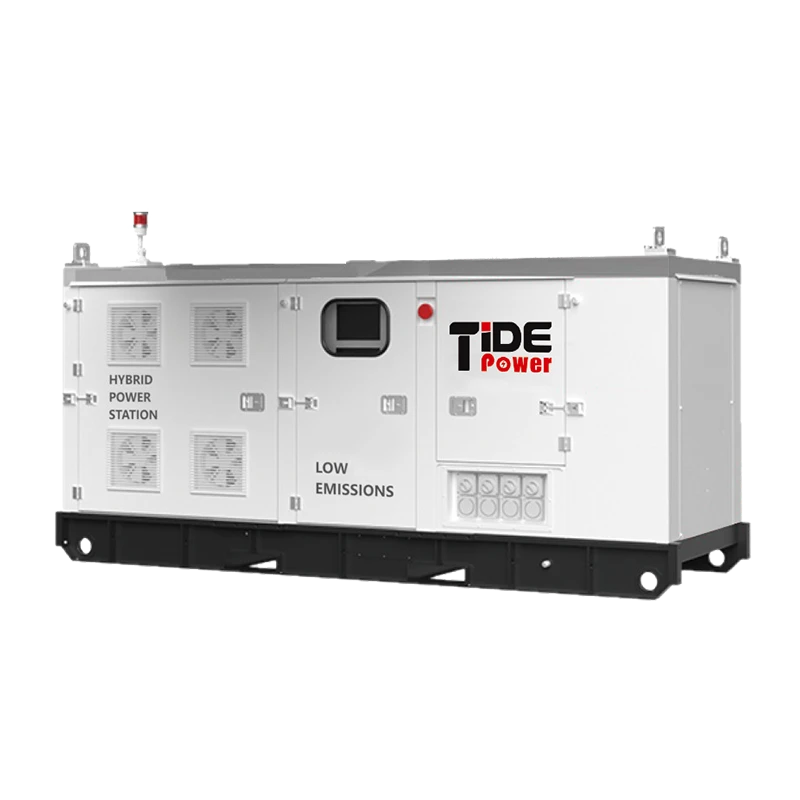
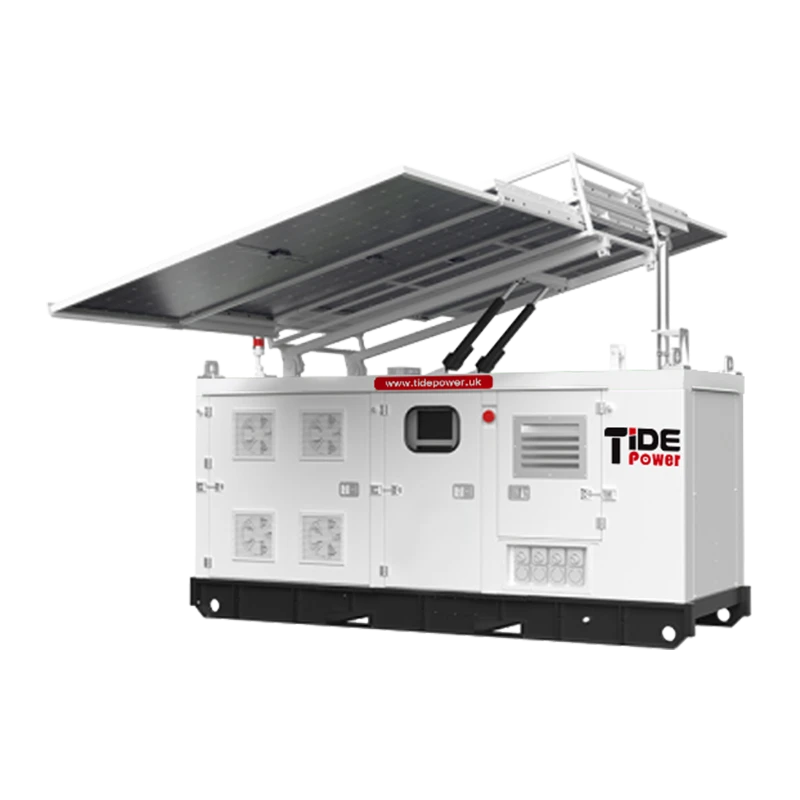
LPG generator applications are not limited to standalone engines. In a hybrid system, an LPG fuelled genset can run only when solar output, battery charge, or peak load requires it. That reduces fuel consumption and engine hours while keeping the site available during poor solar or high-load periods.
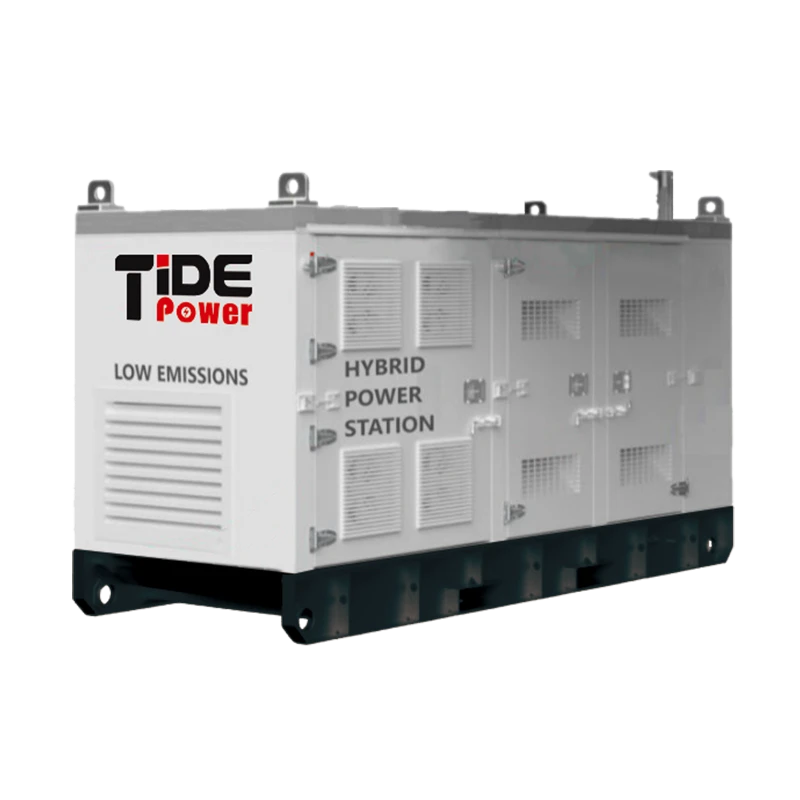
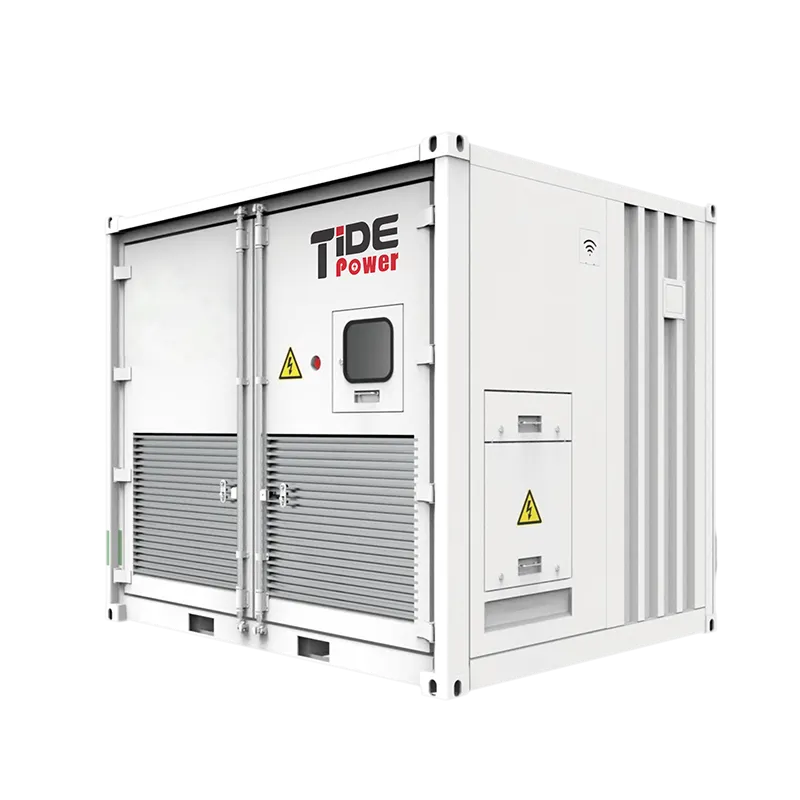
All-in-one hybrid power stations package this control logic with the inverters and switching so the site does not need to manage start and stop decisions manually. For larger loads, similar logic can be spread across a modular system with a higher-rated gas generator set.
Battery storage absorbs short load steps and lets the LPG generator operate in a more stable band, which can reduce transient stress and simplify generator sizing. The storage system must be matched to the generator’s ramp rate and the site’s priority loads.
What to Check Before Selecting an LPG Generator
Fuel composition is the first gate, not the last. LPG is a mixture of propane, butane, and sometimes propylene or other hydrocarbons, and the mix changes by country, season, and supplier. Ask for the expected composition and lowest vapour pressure at the coldest site temperature. A generator specification that simply says LPG compatible is not enough.
Confirm the engine fuel system: mixer or vapouriser type, regulator setting, fuel pressure range, and whether the engine is factory rated for LPG or has been converted from another fuel. A converted natural gas engine is not automatically suitable for LPG unless the manufacturer supplies the LPG calibration, spark timing, compression limits, and emissions data.
For cold locations, specify minimum fuel vaporization capacity. A bulk tank area with a small wetted surface may not maintain pressure during a long full-load run in winter, so the system may need a vapouriser, larger tank, or lower-butane LPG. For backup use, include periodic run testing under load rather than leaving the set unused for months.
Ambient temperature affects LPG storage pressure, vaporization, and engine starting, so seasonal checks should cover gas supply, regulators, filters, coolant, and battery condition. <Summer Maintenance Guide for Gas Power Generators: Ensuring Peak Performance in Extreme Weather> covers gas generator maintenance steps that help hold performance during hot and cold extremes.
A reliable LPG installation also depends on commissioning and fuel storage compliance. Load bank testing should confirm that the set accepts the largest load step, the transfer switch should be exercised under a simulated outage, and the cooling package should be checked at the highest expected ambient. Unloaded weekly starts do not prove that the generator can carry the building. Fuel storage adds a separate safety layer: LPG tanks and cylinders must meet local setback distances, relief valve discharge, and access requirements, while the engine enclosure handles its own ventilation and exhaust path.
Standby and off-grid LPG sets need load testing, transfer-switch verification, and cooling checks before the hottest or busiest season, not just monthly unloaded starts. <Ensure Reliable Power with Tide Power Gensets in the Hot Season> covers reliability practices that help gensets hold up under high ambient and seasonal loads.
How to Specify an LPG Generator for a Project
A useful LPG generator specification begins with the application’s actual electrical behaviour, not just a kVA number. Record the running load, largest motor starting load, load step, power factor, altitude, and ambient temperature. Then specify the gas composition and delivery pressure the engine must accept.
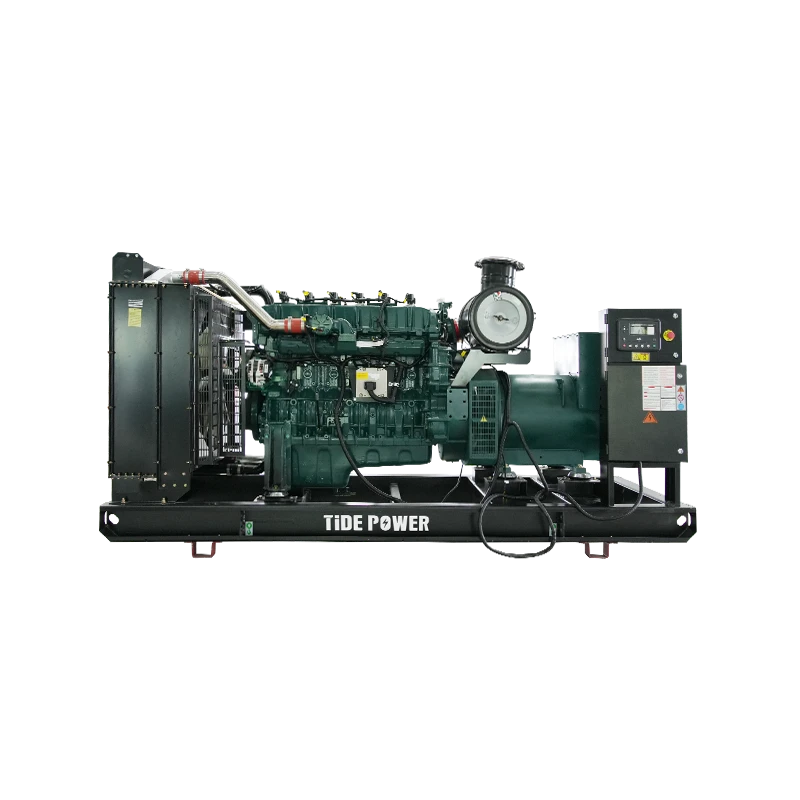
Many gas generator packages are designed around a defined fuel family and the engine package already installed at the factory. For example, Tide Power offers gas generator sets powered by MWM and Lister Petter engines for natural gas and biogas duty. The Lister Petter Jupiter Series units are configured for gaseous fuels, but LPG operation should still be confirmed against the specific engine fuel system and the project’s LPG specification.
Request documentation that connects the rating to the actual fuel: rated kW at site altitude and temperature, fuel consumption by propane and butane share, exhaust data, gas pressure tolerance, and the control system’s safety trips. If the supplier provides only a diesel or natural gas data sheet, the LPG configuration is not yet a complete specification.
Plan Your LPG Generator Application
Before finalizing an LPG generator, send the project inputs that affect fuel system design: LPG composition, lowest expected temperature, maximum load and load step, running hours, emission or exhaust limits, and whether the unit will run alone or in a hybrid system. Tide Power can check the engine packaging, fuel system and power rating against those conditions. Email [email protected] or call +86 591 2806 8999.
FAQ
Is LPG the same as propane?
Not always. LPG is a fuel category that commonly contains propane, butane, or a blend of the two, and the proportions vary by market and season. Propane-rich LPG vaporizes better in cold weather, while butane-rich LPG needs warmer conditions or added vaporization. For a generator, the gas specification matters as much as the term LPG.
Can any gas generator run on LPG?
No. A generator built for natural gas or biogas is not automatically LPG ready. LPG has different vapour pressure, air-fuel ratio, fuel system components, and engine calibration requirements. A manufacturer may offer an LPG fuel option, or a conversion may be acceptable when the engine maker or converter supplies the LPG rating and emissions data. An unconfirmed conversion is not a safe specification basis.
Is an LPG generator better than diesel for standby power?
It depends on the site. LPG can provide cleaner exhaust, lower oil contamination, and fewer light-load wet-stacking problems, which helps in occupied buildings. Diesel often has the advantage in fuel availability, very large ratings, or sites already managing diesel. Choose by fuel logistics, emission limits, temperature, and accessibility. The better set is the one that can be supported reliably at the site.
How much LPG storage does a generator need?
There is no single tank size. The calculation starts with fuel consumption at the expected load, required run hours between deliveries, the coldest expected temperature, and the vaporization rate of the tank. A small tank can hold enough fuel by volume but still fail to vaporize fast enough for a large engine in winter. Size both storage and vaporization, not total volume alone.
If you’re interested, check out these related articles:
Tide Power Annual Team Building was a resounding success
Welcome to Tide Power booth N2.263 at bauma CHINA 2024