
 EN
 ZH
 FR
 ES
 AR
Wholesale hybrid energy system sourcing requires buyers to look past headline capacity and compare how solar generation, battery storage, and diesel backup are integrated into one operable microgrid. A low unit price does not reduce project risk if the supplier cannot document control behavior, battery compatibility, certification, and local service support. This guide identifies the checks that matter when evaluating suppliers for remote sites, off-grid communities, telecom loads, and critical facilities.
What a Wholesale Hybrid Energy System Should Cover
A complete hybrid energy system is more than a battery cabinet placed next to a generator. The procurement package should include photovoltaic input, battery storage, a diesel or gas generator interface, inverter and charging hardware, an energy management system, and the switchgear needed to keep loads supplied during transitions. If any of these pieces is treated as a separate afterthought, the sourcing effort becomes a systems-integration project that the buyer pays for later.
Ask the supplier for a single-line diagram and an interface list before comparing quotes. The diagram should show where solar, battery, generator, and load connections meet, while the interface list should identify the control signals exchanged between devices. This is also the point to confirm whether the system will be supplied as a factory-tested package or as loose components that require site commissioning.
Pin Down the Integration Requirements Before Comparing Quotes
Clarify the operating modes
A hybrid system can behave differently depending on whether it operates grid-tied, off-grid, or islanded within a microgrid. In one application, diesel may serve only as backup. In another, solar and battery may cover daytime load while the generator charges the battery at night. The buyer should define how the system enters generator mode, when it returns to battery, and which source has priority.
These choices affect component sizing and cost. A system that allows deep battery cycling before starting the generator has a different battery requirement from one that keeps the generator running during peak hours. Suppliers cannot quote accurately unless the buyer specifies the operating rules.
Define the control logic and failure response
The energy management system should make the source decisions, not the site operator. Request a description of what happens during a grid outage, a low battery alarm, a generator failure, or a sudden load step. The supplier should be able to explain the transfer sequence and the expected response time.
This is where weak proposals become visible. A supplier that can only list equipment but cannot describe the control sequence may be offering an assembly service rather than an integrated hybrid system.
Check the Power Range and Configuration Options
Wholesale sourcing should begin with a realistic load profile, not a single peak number. The supplier needs average load, maximum demand, motor-starting requirements, and the desired hours of battery autonomy. From that information, the power range and battery capacity can be matched to the site.
Hybrid systems are available in multiple physical forms. The table below summarizes the main options buyers should compare.
| Configuration | Typical use | Main advantage | Main constraint |
|---|---|---|---|
| All-in-one unit | Remote telecom sites, small off-grid loads | Faster deployment, fewer interfaces | Limited expansion |
| Split system | Sites needing battery expansion or larger loads | Flexible sizing | More site integration |
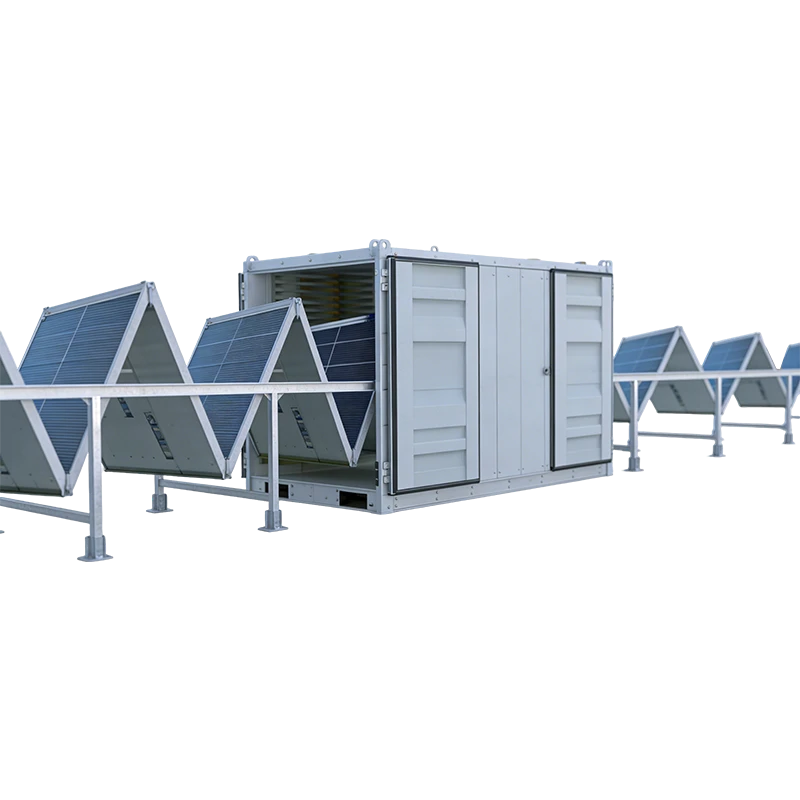
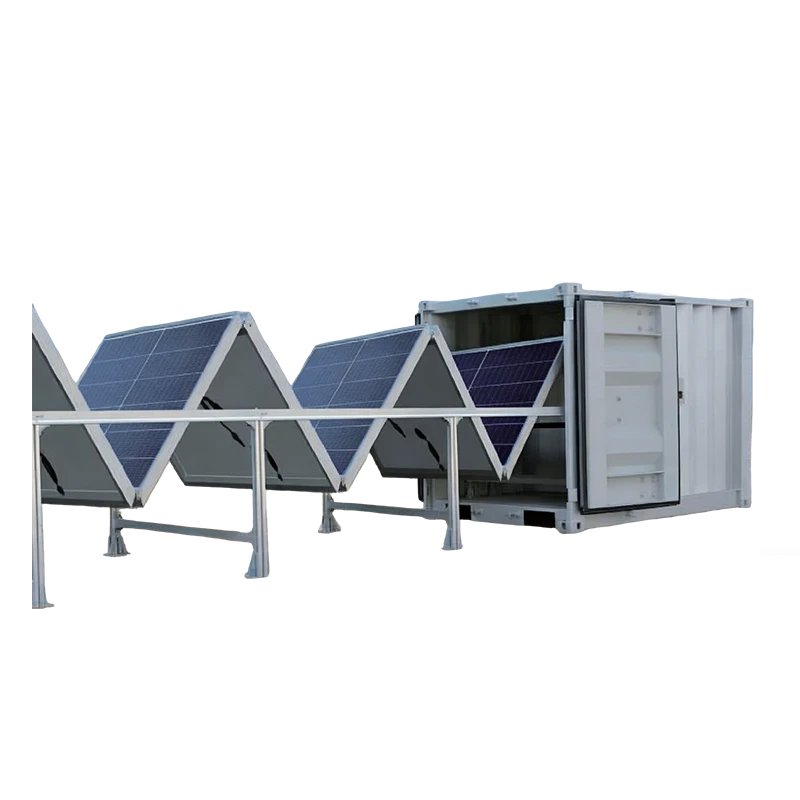
| Containerized system | Mining camps, temporary projects, solar container installations | Transportable and pre-assembled | Site access and handling |
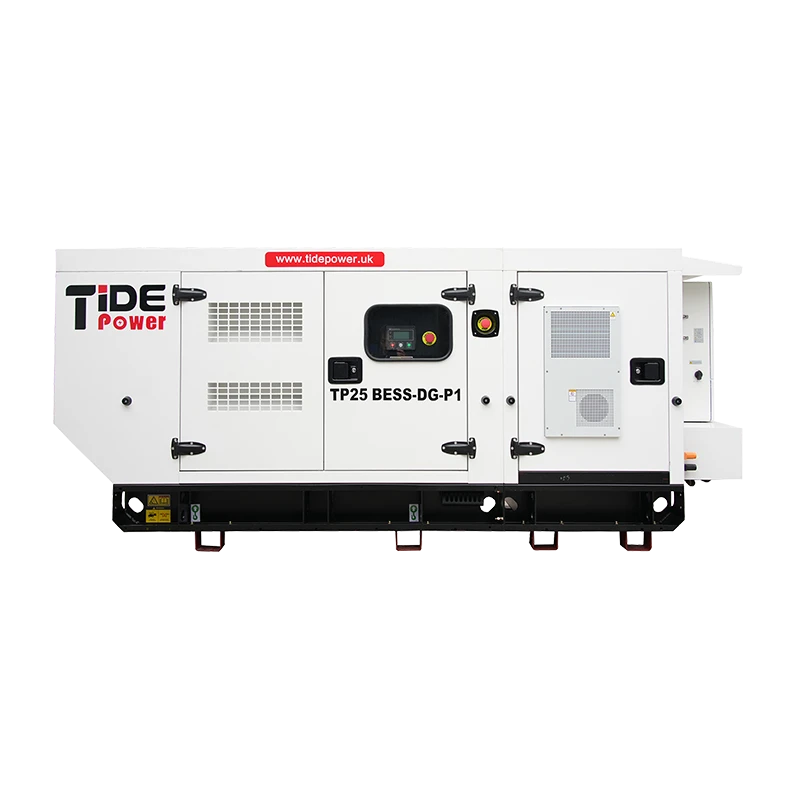
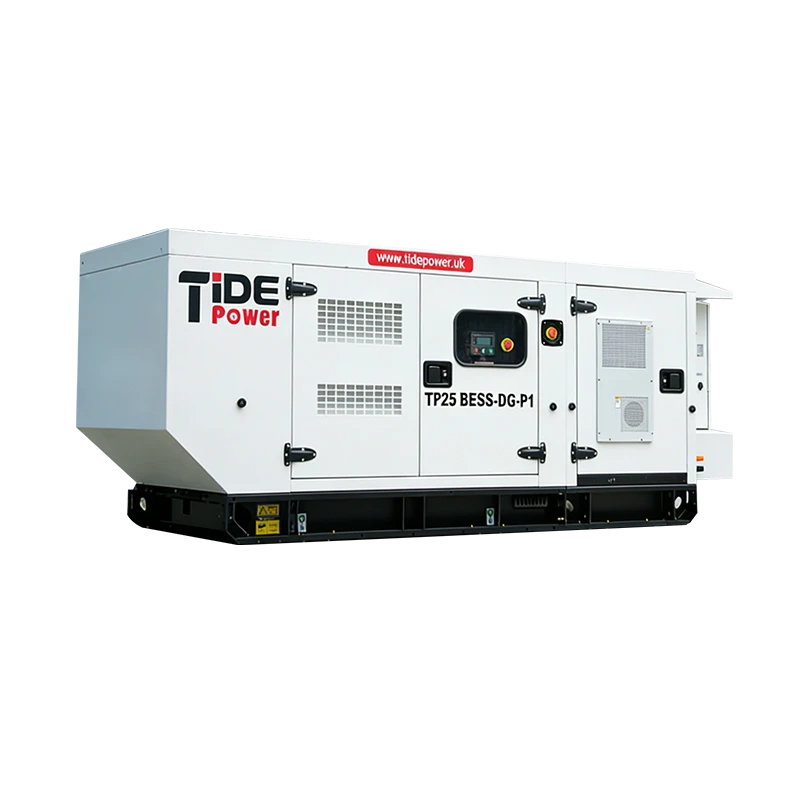
Hybrid power stations within this category can cover a specified range from 10 kVA to 250 kVA, depending on the platform selected. Smaller all-in-one units suit compact sites, while larger split or containerized designs allow more battery and generator capacity.
Verify Battery Storage and Switching Performance
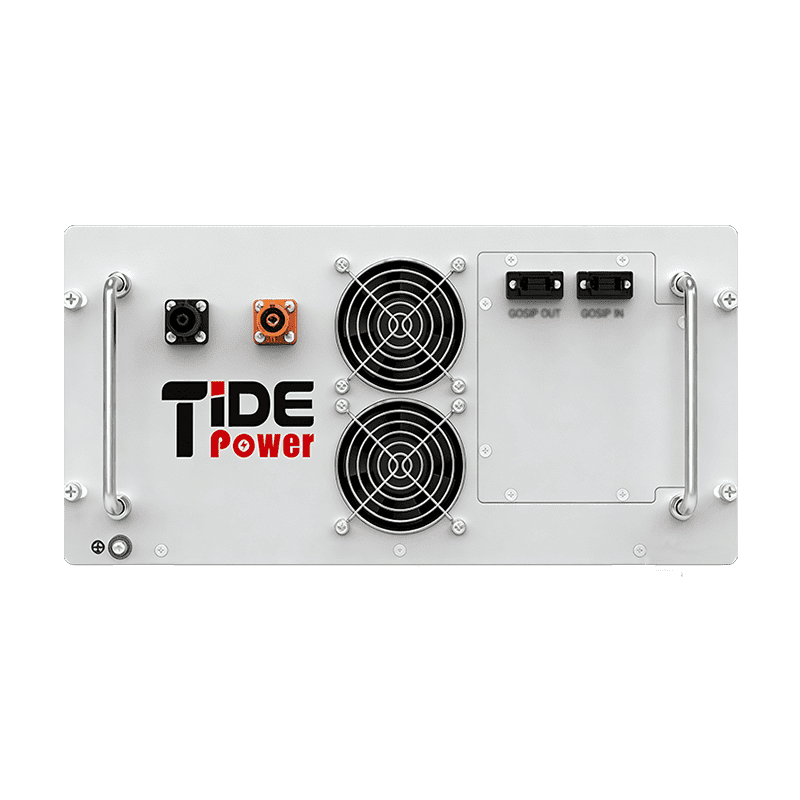
The battery is the part of the system most likely to affect lifetime cost. LFP chemistry is common in hybrid energy applications because it offers a stable cycle life and predictable thermal behavior. Buyers should confirm the battery module capacity, usable energy, recommended depth of discharge, operating temperature limits, and cooling method.
For example, some product platforms use 5.12 kWh LFP battery packs or 16.1 kWh LFP battery modules in parallel to reach the required capacity. The point is not to compare module names, but to ask how many modules are needed, how they communicate with the management system, and what happens when one module fails.
Switching performance is equally important. A supplier may state that the system provides seamless transfer. The buyer should request the transfer method, the measured break time, and the load types that were tested. Millisecond-level switching is valuable for sensitive equipment, but the claim should be tied to a defined test condition rather than accepted as an unqualified guarantee.
Evaluate Certifications, Documentation, and Logistics
Importing a hybrid energy system involves more than selecting the right kVA. The supplier should provide test reports, compliance documents, and transport drawings that match the equipment being shipped. For international orders, confirm that the equipment declaration is consistent with the destination requirements and that the packaging can withstand the planned route.
Documentation should also include installation drawings, wiring schedules, and commissioning guidance. A supplier that cannot provide these files at quotation stage may still deliver valid equipment, but the buyer takes on more site coordination work. Ask whether the supplier can ship complete units, split modules, or containerized systems, and what site preparation is required for offloading.
Compare Procurement Risk, Not Just Unit Price
Wholesale pricing often hides differences in warranty coverage, spare parts availability, factory testing, and long-term engineering support. A system that costs less per kVA may require more site labor, additional switchgear, or a larger spare parts inventory. The buyer should compare total landed cost and commissioning cost, not the equipment quote alone.
Supplier claims about system performance should be verified through documentation or a live demonstration where possible. A live exhibition or factory test can show how the control system manages real source transitions, but it should not replace project-specific calculations.
A hybrid system should be evaluated on how its components perform together under real conditions, not only from a datasheet. <Tide Power’s Hybrid Power Solution Steals the Show at Canton Fair> covers how an integrated hybrid power solution is presented in a live exhibition setting.
Use a Structured Supplier Inquiry
A procurement-grade inquiry should give every supplier the same information. The following fields help prevent quotes that appear comparable but cover different scope.
| RFQ field | What to request | Why it matters |
|---|---|---|
| Integration architecture | Single-line diagram and control matrix | Prevents mismatched interfaces |
| Power and voltage | Exact kVA, voltage, frequency, and duty rating | Avoids incorrect sizing |
| Battery data | Chemistry, capacity, usable energy, thermal limits | Confirms runtime and replacement |
| Switching behavior | Transfer method, break time, and control signals | Verifies seamless supply |
| Compliance | CE, ISO, and destination documentation | Supports import and site approval |
| Warranty and spares | Warranty terms, spare list, service response | Lowers operational risk |
End CTA: Send Your Site Requirements for a Sourcing Review
If you are comparing suppliers, send the site load profile, required operating mode, target autonomy, and destination compliance requirements to [email protected] or call +86 591 2806 8999. Tide Power Technology can provide a configuration check covering the hybrid power range, battery sizing, and import documentation needed for the project.
FAQ
Is a battery and generator combination the same as a hybrid energy system?
Not by itself. A hybrid energy system requires an integrated control platform that manages solar, battery, and generator sources as one power network. A battery connected to the same bus as a generator may still require external controllers, interlocks, and commissioning to operate safely and efficiently.
What is the minimum information needed to get an accurate wholesale quote?
The buyer should provide the load profile, site location, operating mode, required battery autonomy, voltage and frequency, and any compliance standards for the destination. Without that information, suppliers often quote different assumptions, making the prices difficult to compare.
How should I compare all-in-one and split systems?
Compare them by site constraints and expansion needs. An all-in-one unit can deploy faster and reduce site wiring, while a split system allows more flexibility when battery or generator capacity may grow later. Choose the form that matches the project, not the one that simply appears cheaper on the initial quote.
What should I check before accepting a switching performance claim?
Ask for the transfer method, the tested break time, and the nature of the load used in the test. A switching claim is only useful when it is connected to a defined condition, such as a grid outage or a generator fault. Without that test context, the performance statement should not be treated as a project guarantee.
If you’re interested, check out these related articles:
Tide Power and Caterpillar Successfully Signed 2024 MWM Engine Purchase Intent Agreement
Tide Power & Lister Petter Launch Advanced Gas Power Solution for Sustainable Energy
HCNG helps to clean up electricity
Tide Power Announces Global Exhibition Schedule for Second Half of 2025