
 EN
 ZH
 FR
 ES
 AR
30kW gas generator set specifications are more than a single engine rating. A useful quotation must define electrical output, fuel type, alternator sizing, voltage, frequency, enclosure, cooling, control, and emission requirements. Buyers often fix on a 30 kW engine label and overlook the gap between shaft power and usable electrical power. This guide checks the specification points that determine whether a 30kW gas generator set can start the assigned loads, run reliably at the site conditions, and meet local installation rules.
What Does a 30kW Rating Actually Mean?
The 30 kW figure normally describes the gas engine’s continuous mechanical output at a defined speed. In 50 Hz applications, engines commonly run near 1,500 rpm; in 60 Hz markets, near 1,800 rpm. A 30kW class gas generator set may pair a Lister Petter Jupiter Series engine with a packaged alternator system; the engine family spans 22 kW to 500 kW at 1,500 to 1,800 rpm, while the electrical set is specified separately in kVA.
Gas generator specifications should leave room for product updates and field changes after purchase. <Merry Christmas! Tide Power New gas power solution on the way> covers Tide Power’s new gas power solution direction.
Electrical output is the next check. If the site runs at 0.8 power factor, a 30 kW load is about 37.5 kVA. Lower power factor loads require a larger alternator, and motor starting can push short-duration demand higher still. Do not read 30 kW engine output as 30 kW of deliverable electricity.
Which Gas Type and Site Conditions Affect Output?
The gas supply should be specified by its actual composition, pressure, and heat value. Products may be listed for natural gas, biogas, and other gaseous fuels, but each fuel has different methane number, supply pressure, and combustion behavior. Do not assume the same electrical output from natural gas and biogas without supplier confirmation.
Altitude and ambient temperature also affect the engine and cooling system. As air density falls or inlet air temperature rises, gas engines may require derating to protect combustion and exhaust temperatures. The RFQ should state the maximum site altitude, maximum ambient temperature, and whether the unit will be installed indoors or outdoors.
Confirm fuel supply pressure at the generator connection. Low or fluctuating pressure can reduce output and make combustion unstable. The gas train, regulator, shutoff, and pipe size are part of the specification rather than an afterthought.
Engine, Alternator, and Control Specifications
The alternator defines the actual electrical boundary of the set. Confirm kVA, voltage, frequency, power factor, winding configuration, and allowable motor-starting kVA. A packaged gas generator range may use a specialist alternator such as Leroy Somer, but the rating and configuration must still be specified for the site.
The control system should be specified for engine protection, automatic start and stop, alarm display, and remote monitoring if required. A Deep Sea controller is a common factory pairing in packaged gas generator sets, but the controller model alone does not prove the system has been commissioned for the site’s gas type, start sequence, or load transfer.
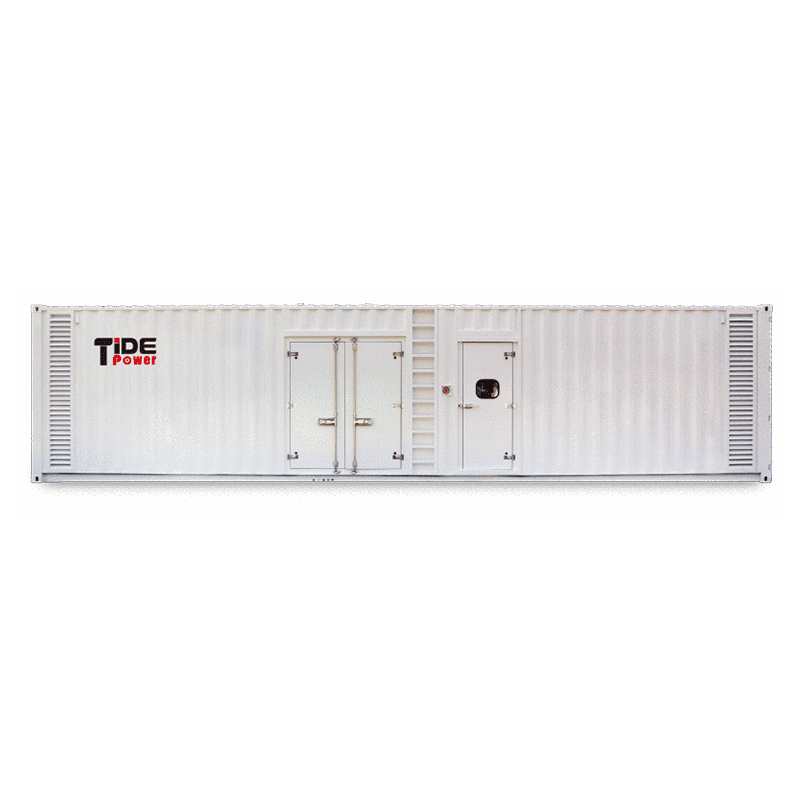
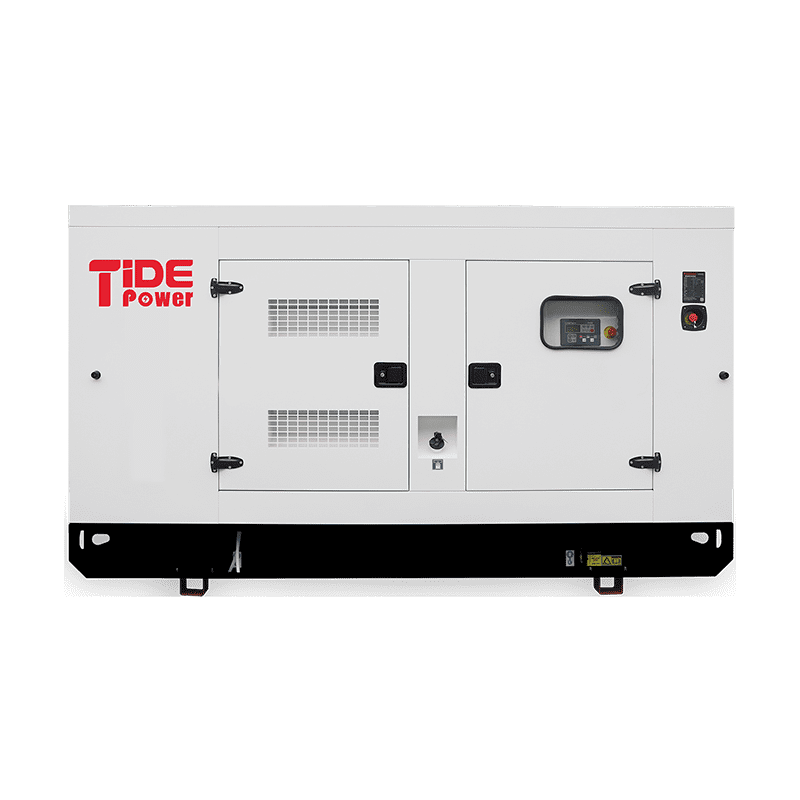
Because the same engine can be packaged as an open, canopy, or containerized generator set, ask for the actual enclosure, access panels, and terminal layout. A 30kW class machine may be assembled differently for indoor mechanical rooms and outdoor skid-mounted use.
Enclosure, Cooling, and Installation Checks
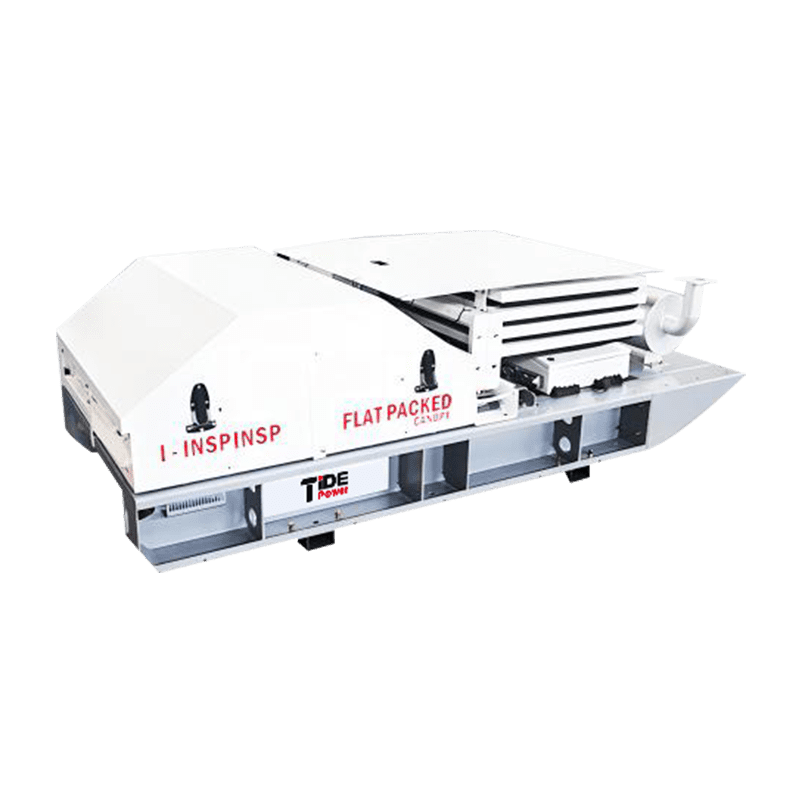
Enclosure and cooling specifications decide whether the generator can operate in the selected location. A silent canopy controls noise, but it still needs enough airflow for the radiator and combustion air. Confirm cooling method, maximum ambient temperature, rain protection, exhaust outlet, gas shutoff access, and minimum clearance for service.
Installation checks should include gas piping volume, ventilation, exhaust routing, condensate handling, and foundation or mounting requirements. A weatherproof enclosure is not a ventilation plan, and a low-noise figure on a data sheet does not replace a measured site condition.
RFQ Checklist for a 30kW Gas Generator Set
Use the specification table below as the focus of the RFQ. Each field should be answered with a verifiable statement, not a product brochure phrase.
| Specification field | What to confirm | Why it matters | Do not infer |
|---|---|---|---|
| Engine rating | Net continuous kW at stated rpm and site conditions | Determines available shaft power before alternator losses | A 30 kW engine label does not guarantee 30 kW electrical output |
| Alternator output | kVA, voltage, frequency, power factor, winding | Matches the generator to the electrical load | kVA is not kW; motor starting demand may exceed running load |
| Gas fuel | Gas type, supply pressure, methane number, regulator setting | Affects output, stability, and maintenance | Natural gas ratings cannot be assumed for biogas or another gas |
| Control and protection | Start/stop, alarm, shutdown, remote monitoring, commissioning plan | Protects engine and load under abnormal conditions | Controller hardware does not prove field settings are correct |
| Enclosure and cooling | Noise level, ventilation, cooling method, IP rating | Determines where and how the unit can be installed | A canopy is not a complete ventilation or emissions plan |
| Commissioning and documents | Load test, gas pressure check, manuals, local compliance evidence | Provides evidence the installed system meets the specification | A factory test sheet does not replace site commissioning |
Reject this RFQ line: “Please quote a 30kW gas generator set.” Replace it with: “Please quote a 30kW class gas generator set for natural gas or biogas, inlet pressure X, site altitude Y m, maximum ambient temperature Z °C, 400 V three phase, 50 Hz, standby load A kW at 0.8 power factor, maximum motor starting B kVA, canopy with C dBA at D m, for outdoor installation.”
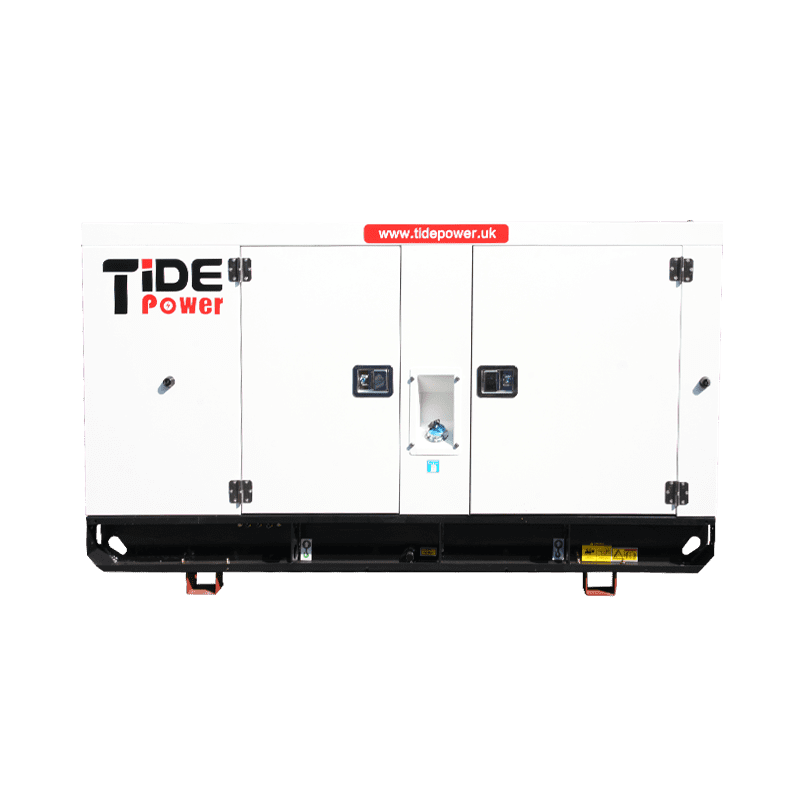
Request a 30kW Gas Generator Set Quote
For a 30kW gas generator set quotation, send the gas type and supply pressure, site altitude and maximum ambient temperature, required voltage and frequency, load profile including the largest motor starting kVA, enclosure and noise limits, and the emission or certification documents needed for the installation. Matching the specification to those operating conditions is more useful than comparing engine label alone. Email [email protected] or call +86 591 2806 8999.
FAQ
Does a 30kW gas generator set always deliver 30kW of electricity?
No. The 30 kW label usually describes engine mechanical output. Electrical output depends on alternator kVA and power factor. At 0.8 power factor, a 30 kW load requires about 37.5 kVA, and motor starting can increase short-duration demand. Check the alternator rating against the total running and starting kVA rather than using engine kW alone.
Can one 30kW gas generator set run on natural gas and biogas?
It depends on the factory configuration. Gas generator sets may be listed for natural gas, biogas, and other gaseous fuels, but the gas train, air-fuel control, and maintenance requirements can differ. A site should provide a fuel analysis so the supplier can confirm output, derating, and any required gas system changes before installation.
What size alternator should a 30kW gas generator set have?
Size the alternator for maximum kVA, not just the 30kW running load. If motors start while other loads remain energized, the alternator may need a higher kVA rating and enough motor-starting capacity. Confirm voltage, frequency, power factor, and motor-starting kVA in the RFQ.
What should be included in a site installation check before ordering?
Provide fuel type and supply pressure, site altitude, maximum ambient temperature, voltage and frequency, load profile, largest motor starting kVA, noise limit, exhaust route, and clearance. Also confirm the local emission or certification documents required for the installation. These details help the supplier specify the correct engine, alternator, enclosure, and gas train.
If you’re interested, check out these related articles:
How to Choose a Generator at Tide Power
Energizing Remote Operations: Hybrid Power Solutions for Off-Grid Success
Tide Power Showcases Innovative Hybrid Energy Solution at The Smarter E Europe 2025
Tide Power Launches Revolutionary BESS & Hybrid Power Solutions