 EN
 ZH
 FR
 ES
 AR
Fuel efficient gas generators cut the energy cost per kilowatt-hour, but a headline efficiency percentage does not transfer directly to a site where gas quality, load profile, altitude and maintenance differ. The real decision is therefore not whether a unit is efficient, but under which conditions it stays efficient, how that efficiency is measured, and which features reduce consumption across the expected operating range. This guide examines the engine, gas supply, control and packaging features that change field fuel use, then shows how to translate them into a comparable RFQ specification.
How Fuel Efficiency Is Measured in Gas Generator Sets
A gas generator converts chemical energy in fuel into electrical output through an engine and alternator. The first useful distinction is between engine efficiency, generator set electrical efficiency and overall fuel economy. Engine efficiency describes how much fuel energy becomes shaft work. Generator set efficiency includes alternator losses, cooling fan load, pumps and control consumption. Fuel economy is the amount of fuel consumed per kWh delivered at site, including part-load operation and the chosen reference conditions.
Ask suppliers whether the stated value uses lower heating value or higher heating value. The difference can be several percent because LHV excludes latent heat of vaporization in exhaust water vapor. Also ask for a load-specific curve rather than a single full-load figure. Many gas engines operate most efficiently in a relatively high load band, but the exact band depends on combustion settings, turbocharger match and parasitic loads.
| Record | Method context | Responsible use | Do not infer |
|---|---|---|---|
| Supplier fuel consumption figure | Stated ambient, altitude, gas composition, load and LHV basis | Compare quotes under matching reference conditions | That the same value will appear at another load or gas quality |
| Electrical efficiency curve | Factory or acceptance test across load steps | Estimate real efficiency in the planned operating band | That generator set efficiency equals engine shaft efficiency |
| Heat rate curve | Quoted in kJ/kWh or Btu/kWh, with LHV stated | Identify part-load penalty and economic dispatch point | That a low heat rate at full load means best lifecycle fuel cost |
| Gas composition analysis | Methane number, inert fraction, LHV and contaminants | Confirm the engine can run without excessive derating | That pipeline gas assumptions apply to biogas or landfill gas |
Combustion and Engine Features That Improve Fuel Efficiency
After confirming the measurement basis, look at the combustion and engine hardware that actually changes how much fuel becomes useful power. A lean-burn gas engine burns a controlled air-fuel mixture with excess air. Running lean can improve thermal efficiency and lower NOx, but it also makes combustion more sensitive to gas composition and ignition stability. The most useful features are those that keep the mixture at its target across changing load and fuel quality.
| Feature | What to check | Fuel-efficiency effect |
|---|---|---|
| Electronic lean-burn control | Closed-loop air-fuel ratio with load and speed compensation | Maintains combustion stability without running fuel-rich |
| High-energy ignition | Coil and plug selection across lean mixtures | Prevents misfire that wastes fuel under load change |
| Turbocharging and aftercooling | Charge air temperature and pressure under site ambient | Improves air density, part-load torque and combustion |
| Knock detection | Cylinder pressure or accelerometer feedback | Allows timing close to knock limit without engine damage |
| Integrated heat recovery | Jacket water and exhaust gas heat exchanger | Does not raise electrical efficiency but improves total site energy use |
| Modular gas train | Gas filter, regulator, shutoff and metering | Stabilizes gas delivery to the engine and protects fuel-control components |
Tide Power’s MWM gas generator set line, as an example, combines an authorized MWM engine range from 600 to 4500 kVA with intelligent real-time monitoring. That example is not a claim that every gas engine will match the same site performance, only that the engine package should make its gas train, cooling and control integration visible before quotation.
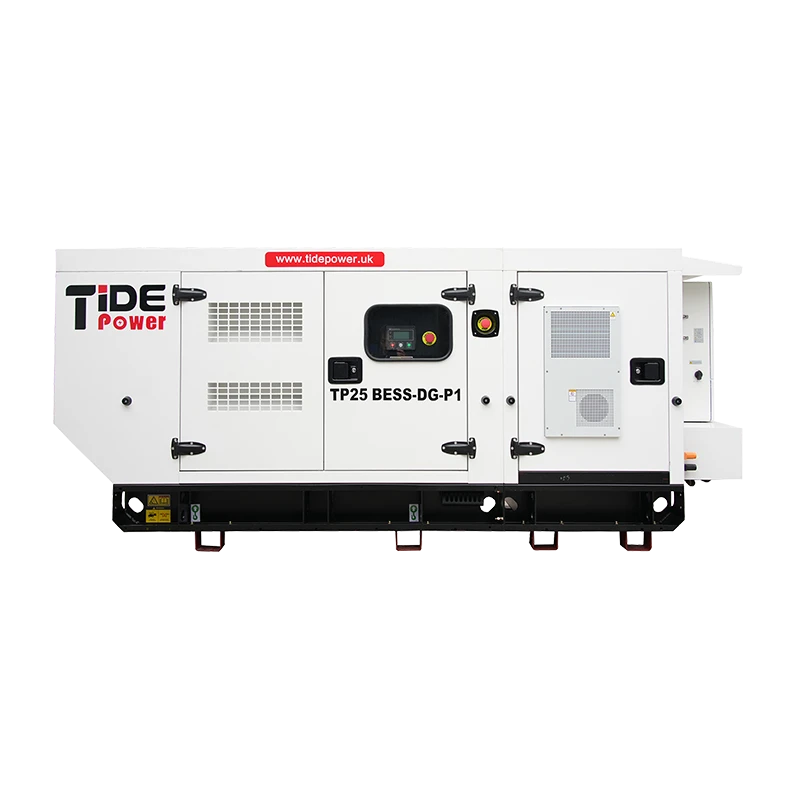
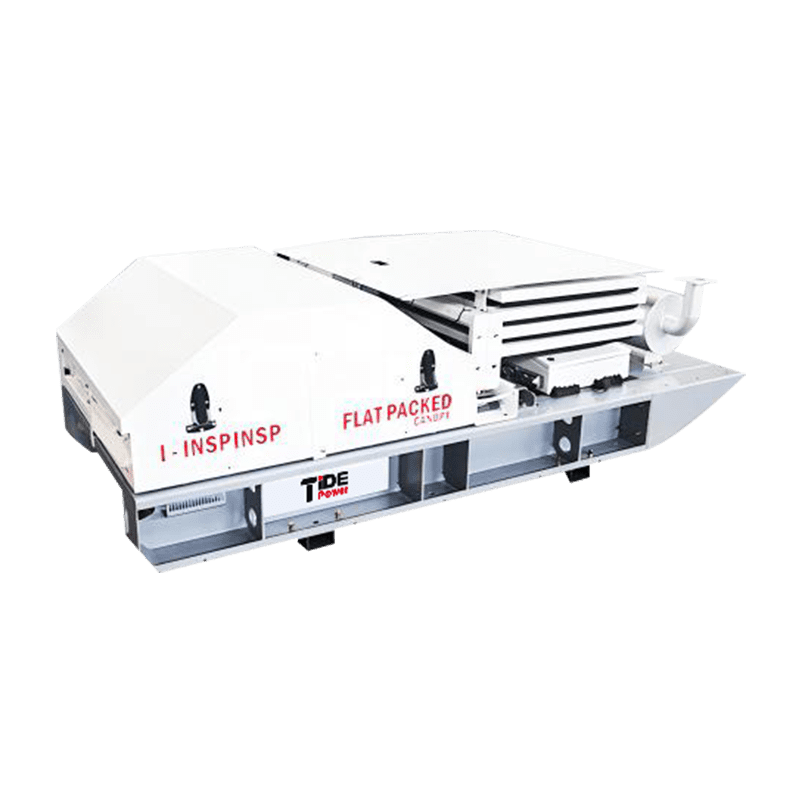
Packaging is separate from the combustion hardware. A customizable generator set platform can simplify installation around the selected engine without changing the efficiency decisions inside the enclosure.
Gas Supply and Conditioning Features
Gas supply and conditioning is often the difference between a lab-tested efficiency curve and a site that misses its fuel target. The engine does not see a fuel name such as natural gas or biogas. It sees methane number, lower heating value, pressure, temperature, moisture, hydrogen sulfide, siloxanes in biogas, and other trace constituents. A low methane number can force ignition timing retard or derating. Moisture and contaminants can damage gas train components, alter combustion and reduce maintained efficiency.
Request the gas composition envelope rather than a generic fuel label. If the engine must switch between pipeline gas, LNG send-out, associated gas, biogas or landfill gas, confirm the gas train and controller can handle the range. Fuel supply pressure stability matters at each load step; pressure dips can disturb the air-fuel ratio and cause the control system to add excessive fuel or cut load.
Gas generation economics depend on local fuel availability as much as engine technology. <The Asian market will make gas power generation one of the fastest growing regions> covers the regional conditions that are expanding gas power generation.
Control, Cooling and Ancillary Loads That Change Real Fuel Use
Control and ancillary load management decide whether the engine’s best efficiency point becomes the operator’s normal running point. Even an efficient engine can waste fuel if it runs at low load for long periods, if the cooling fan cycles aggressively, or if the gas compressor and pumps are not included in the quoted consumption. Ask for the electrical auxiliary load at each load step, not just the engine fuel rate.
A well-configured generator controller should match unit start and stop decisions to load, run multiple units in parallel, and keep the operating point above the point where fuel per kWh rises sharply. For sites with daytime solar or storage, the control system should coordinate the gas generator with the wider microgrid so the engine runs only in its efficient band and does not fight the inverter or battery.
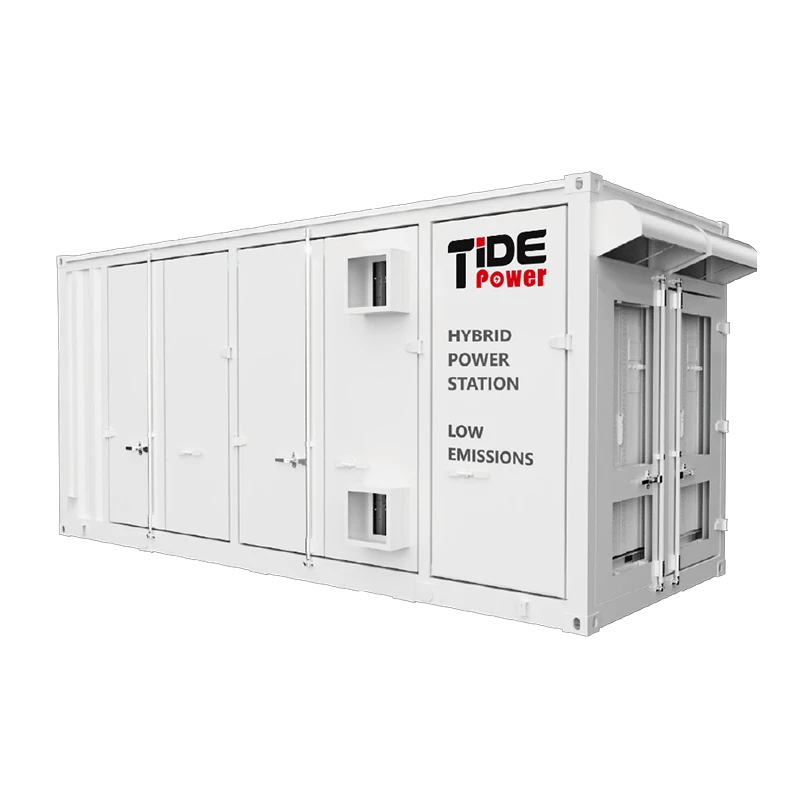
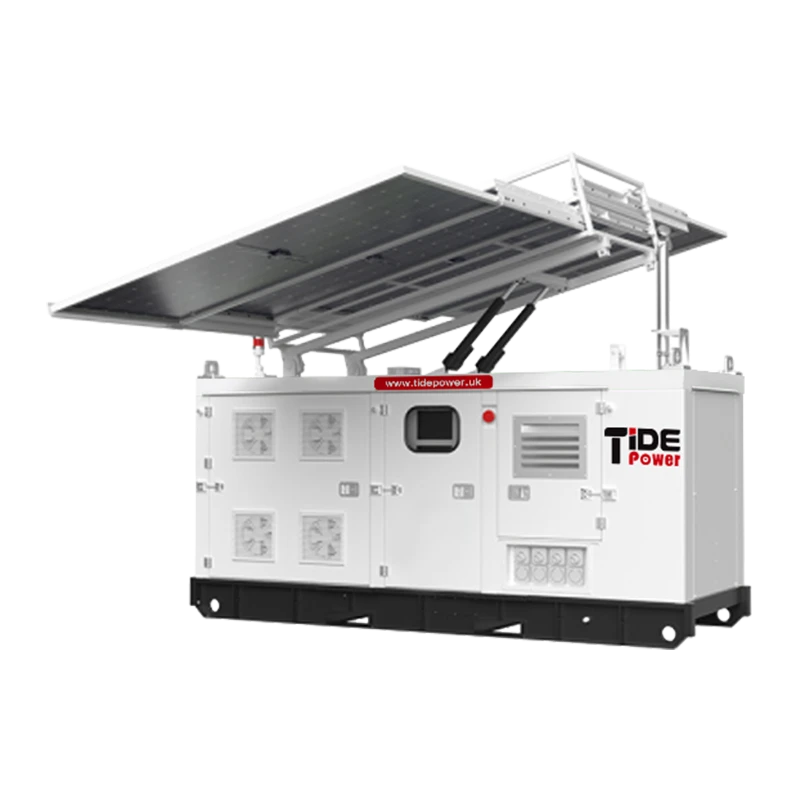
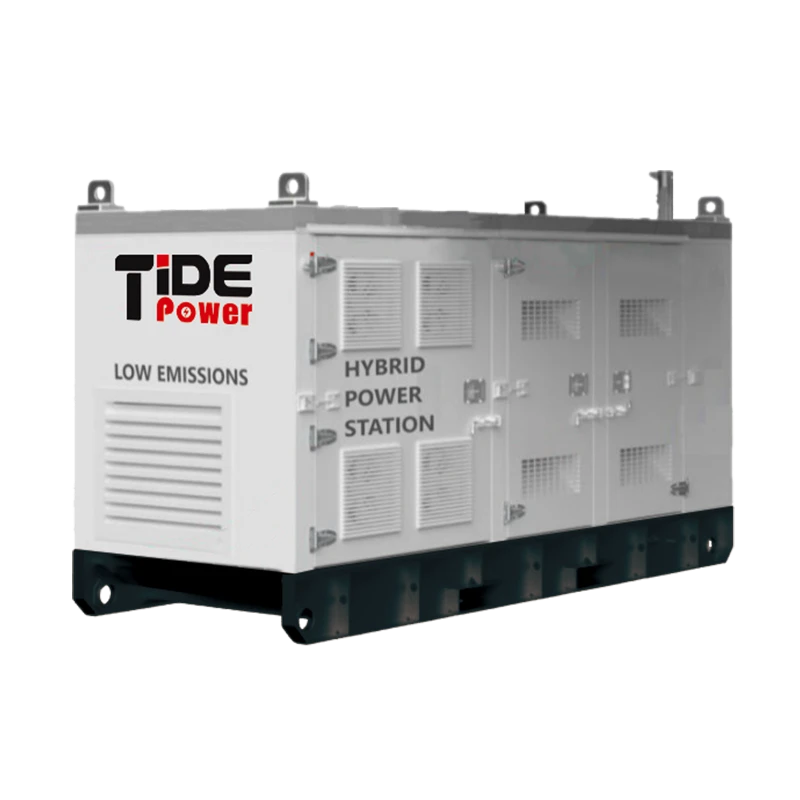
Hybrid and storage integration can support that operating band when load is variable, although the gas engine remains the primary thermal and electrical source.
How to Specify Fuel Efficiency in an RFQ Without Ambiguity
Specifications become comparable when each supplier must answer the same fuel-efficiency question. The RFQ fields below turn an unqualified efficiency claim into the evidence an engineer can evaluate.
| RFQ field | What to request | Why it matters |
|---|---|---|
| Reference conditions | Ambient temperature, altitude, gas composition, LHV and power factor | Prevents comparing curves measured under different assumptions |
| Fuel consumption curve | Fuel per kWh at 25%, 50%, 75% and 100% load | Shows part-load behavior that a single full-load number can hide |
| Efficiency basis | LHV or HHV, engine or generator set | Avoids an apparent difference caused only by energy basis |
| Parasitic loads | Fan, pumps, controls, gas compressor and enclosure | Reveals net electrical efficiency available to the site |
| Emissions and derating | NOx, CO and expected derating at altitude | Emissions limits may require tuning that increases fuel consumption |
| Acceptance test | Load bank or site test procedure | Creates a contractual check for fuel efficiency after installation |
Reject this RFQ line: “Fuel-efficient natural gas generator with low consumption.”
Replace it with: “Generator set rated at [site altitude and ambient temperature], operating on natural gas with LHV [value] and methane number [value]. Provide a generator set fuel-consumption curve for 25, 50, 75 and 100 percent load, stating LHV or HHV basis and including all engine auxiliary loads.”
Site Conditions and Operating Practices That Decide Field Efficiency
Site conditions and maintenance decide whether the selected efficiency survives after installation. At high altitude, lower air density reduces the oxygen available for combustion, so the engine may derate and burn more fuel per useful output unless the turbocharger is matched for that elevation. High ambient temperature reduces charge density and increases cooling fan demand. Dust, humidity and poor fuel filtration raise maintenance and combustion drift. A generator that runs mostly below 40 percent load will also consume more fuel per kWh than its full-load rating suggests.
Operating practices should be written into the purchase. Confirm the maintenance intervals for spark plugs, gas filters, charge-air cooler cleaning, valve clearance and control sensor calibration. A small air-fuel mixture error can cancel a large portion of the engine’s designed efficiency. Maintenance records and remote monitoring data can show whether the unit is drifting before fuel bills make the problem obvious.
For packaged or distributed sites, the mechanical installation and enclosure temperature also affect maintained performance. A containerized or sound-attenuated enclosure can protect the gas train and controls while simplifying site connections.
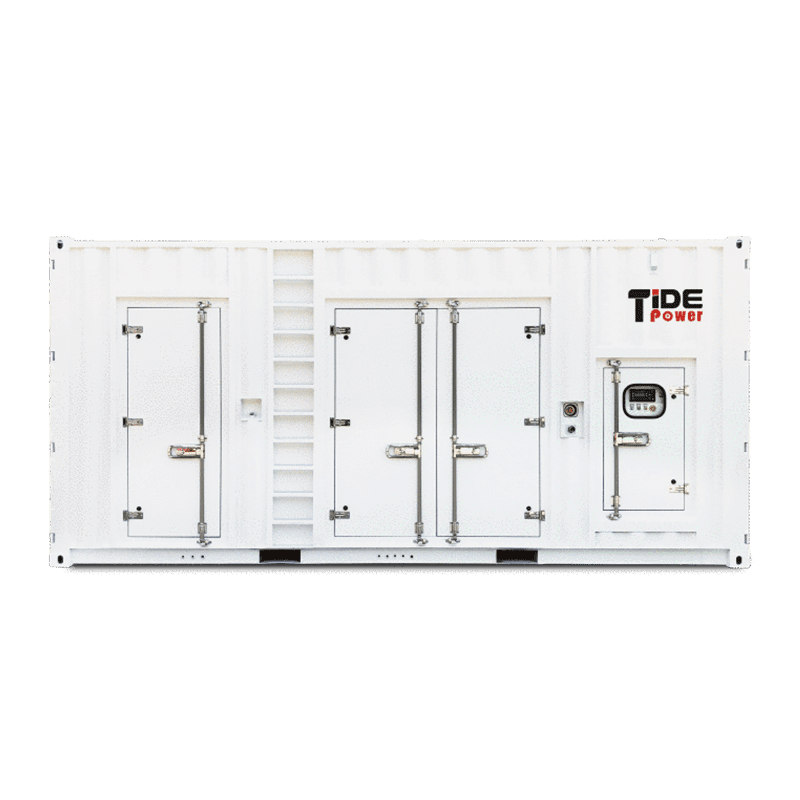
Efficiency claims are tested when several units must share load and remain stable under changing site conditions. <Successful Synchronization of 7 Gas Gensets in Africa> covers a field example of seven gas gensets operating together.
For pilot or phased projects where gas supply is not yet continuous, a smaller packaged power station can be used to validate the load profile and control approach before the main gas generator set is sized.
Plan a Fuel Efficiency Verification with Tide Power
Send the specification points you need to confirm: gas composition and methane number range, required electrical output and load profile, site altitude and ambient temperature, fuel supply pressure, acceptable part-load operation, and emission limits. Tide Power’s application team can review the gas generator set configuration, expected derating and packaging requirements before quotation.
Contact Tide Power at [email protected] or +86 591 2806 8999.
FAQ
What is the most important figure to compare?
Compare the generator set fuel consumption curve at defined load steps, stated gas composition, ambient conditions and LHV basis. A single full-load efficiency percentage is not enough because it does not show part-load behavior or parasitic losses. Request 25, 50, 75 and 100 percent load points and confirm whether the values include engine auxiliaries.
Does fuel-efficient always mean lower total cost?
Not always. A more efficient engine can have higher capital cost, stricter gas quality requirements, or more expensive maintenance. Total cost should include gas consumption, fuel pretreatment, maintenance intervals, service parts, projected operating hours and possible heat recovery. The best choice is the unit whose total ownership cost is lowest within the expected operating profile.
Can a fuel-efficient gas generator run on biogas or landfill gas?
It can, but only when the gas composition envelope is specified and the fuel system is prepared. Biogas and landfill gas may contain hydrogen sulfide, siloxanes, moisture and variable methane numbers. These require filtration, drying or gas treatment, and the engine may need derating or ignition adjustments. The supplier should confirm the minimum methane number and maximum contaminant limits.
How does altitude affect fuel efficiency?
At higher altitude, lower air density reduces oxygen available for combustion and can increase fuel consumption per useful kW unless the turbocharger is selected for the elevation. The generator set should be rated or derated for the actual site altitude. Request a site-specific derating curve rather than a sea-level efficiency figure.
What maintenance checks protect fuel efficiency?
The main checks are spark plug condition, gas filter replacement, charge-air cooler cleaning, valve clearance, ignition timing, gas mixing calibration and control sensor accuracy. Small mixture errors or fouled heat exchangers can reduce efficiency before a fault alarm appears. A scheduled inspection plan and remote monitoring data help maintain the original fuel economy.
If you’re interested, check out these related articles:
The 2023 Tide POWER anniversary celebration were successfully held
Join Tide Power at bauma CHINA 2024
Light Up the Night, Sustainably: The Solar Hydraulic Lighting Tower Revolution
Tide Power wishes you a Happy Lantern Festival