 EN
 ZH
 FR
 ES
 AR
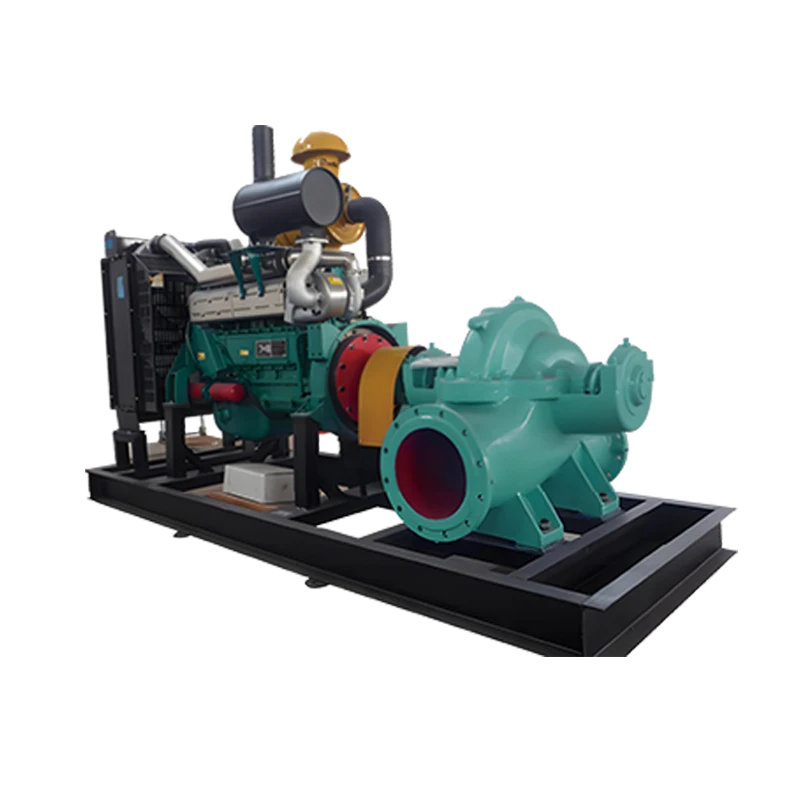
For heavy duty dewatering pumps, dependable site drainage depends on more than a horsepower rating. The pump end must handle abrasive or solids-laden water without losing flow, the engine must protect itself during long unattended runs, and the whole unit must be easy to position, refuel, and service. Buyers who evaluate these features together avoid the common mismatch where a pump moves water in a catalog test but struggles with suction lift, discharge piping, or dirty water on site. This article explains the key features to check before selecting a heavy duty dewatering pump, from flow and head sizing to engine protection, mobility, and maintenance access.
What Heavy Duty Dewatering Pumps Are Expected to Do
Heavy duty dewatering pumps are not simply larger versions of utility pumps. They are expected to operate in excavations, mines, foundations, flood zones, and transfer points where water carries mud, sand, or fine debris, and where the unit may run for many hours without direct supervision. The useful specification therefore covers the complete pumping system: suction conditions, discharge pressure, solids tolerance, mechanical durability, engine control, and deployment time.
In this context, a feature matters only when it reduces the risk of a site stoppage or makes the pump safe and practical to run. A catalogue may emphasize maximum flow, but a buyer should evaluate that figure under the actual total head, fuel supply, and water quality on the project.
| Feature area | What to inspect | Why it matters in heavy duty service |
|---|---|---|
| Pump casing and wear plates | Material, replaceable wear surfaces, inspection access | Controls repair cost and service life in abrasive water |
| Impeller type and clearance | Impeller style, clearance adjustment, solids passage | Prevents clogging and loss of flow as parts wear |
| Sealing and bearing protection | Seal type, lubrication, leak prevention | Keeps water and grit out of the bearing housing |
| Self-priming system | Priming method, maximum suction lift, re-prime ability | Supports reliable starts when water levels or suction lines change |
| Engine protection | Low oil shutdown, overheat protection, fuel filtration | Prevents damage during long unattended duty |
| Skid, lifting, and mobility | Frame strength, lifting points, trailer or skid design | Improves safe movement and fast deployment across the site |
Specification and Sizing Features That Matter
Pump selection is most reliable when the site conditions are converted into three overlapping requirements: the flow needed to control water accumulation, the total head created by elevation and pipe friction, and the solids or abrasive load the water is expected to carry. A pump that meets a flow target on a short, open discharge may be undersized once the site uses long hose runs, lifts water from a deep sump, or pumps through a filtration system.
Flow, Head and Discharge Conditions
Flow should be compared against the deepest expected inflow, not the average. Total head includes static lift, vertical discharge, friction in the pipe, and any fittings. For heavy duty work, the pump curve should have a stable operating range with enough reserve so small suction or discharge changes do not push the unit into overload or excessive recirculation.
Solids and Abrasive Wear
Water that looks clean at the surface may still carry sand or silt. In dewatering applications, an open or semi-open impeller with a defined solids passage is commonly more practical than a high-efficiency closed impeller that clogs or erodes quickly. The casing and wear plates should be designed for replacement, and the suction side should include a strainer that protects the impeller without restricting the inlet.
Self-Priming and Suction Performance
Because a sump level changes and air enters the suction line during repositioning, fast self-priming is a key heavy duty feature. A pump should be able to re-prime after water loss within a reasonable period, and the specified suction lift must include the actual vertical distance from the water surface to the pump inlet under the lowest expected water level.
Pump End and Impeller Design Features
Material selection is often more important than a small difference in pump efficiency. Heavy duty pumps benefit from cast iron or equivalent pump bodies, replaceable wear plates, and impellers selected for the type of solids and the head requirement. The inspection priority is not simply the maximum flow, but how the pump maintains output as wear surfaces begin to degrade.
Pump seals and bearing protection should be considered next. A heavy duty dewatering pump can be exposed to grit, splash water, and long service intervals, so the bearing housing needs a sealing arrangement that keeps contaminated water out. Look for clear lubrication points and a design that allows seal or impeller servicing without a complete pump teardown.
Engine and Drive Features for Continuous Duty
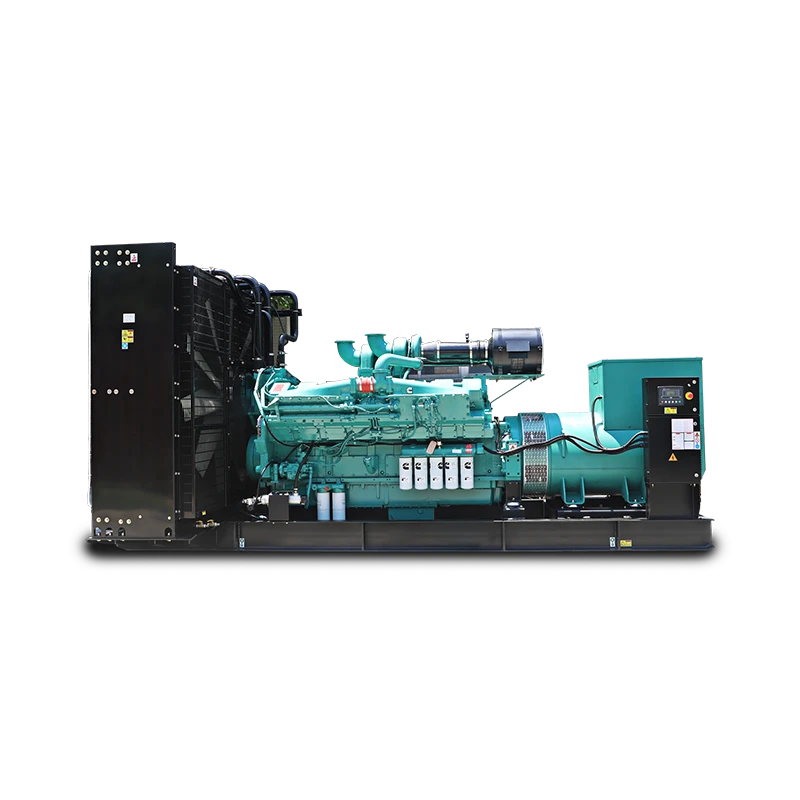
Diesel engine selection should be treated as part of the pump specification rather than a separate purchase. For an unattended dewatering pump, engine protection features matter: low oil shutdown, overheat shutdown, fuel filtration, and a governor that holds pump speed under changing engine load. A pump with a reliable engine is safer to leave running because the engine can stop itself before a minor fault becomes a major repair.
Fuel range should be matched to the site. If the unit must run overnight on a remote excavation, a large fuel tank or an external fuel supply connection can be more valuable than a slight improvement in pump efficiency. Look for a control panel that gives the operator clear run hours, oil pressure, battery voltage, and fault indicators without requiring specialized equipment.
Tide Power’s dewatering pump range follows this specification logic with diesel engine-driven units built for fast self-priming, high head, and large flow. The available pump series allows a buyer to align the engine, pump body, and frame with the operating pattern instead of choosing from a single fixed design.
Site Mobility, Controls and Fuel Planning
Many dewatering failures happen before the pump enters the water. A heavy duty unit should include lifting points for safe crane or excavator handling, and either a strong skid frame or a trailer chassis matched to the site. If the pump is moved frequently, the connection points for suction and discharge should be accessible and the fuel fill point should be easy to reach without shutting the unit down.
Controls should reduce the chance of operator error. A simple start sequence, clear fault indication, and enough instrumentation to detect low oil or coolant temperature can prevent damage. On sites with noisy equipment or night work, even a clear layout and protected gauges make a difference. The goal is not automation for its own sake, but enough indication that the operator knows whether the pump is healthy without opening the enclosure.
Maintenance and Spare Parts Access
Maintenance access affects the total cost of heavy duty dewatering more than most buyers expect. A pump with replaceable wear plates, accessible impeller clearance adjustment, and service points that do not require removing major components will spend more time on site and less time in the workshop. Before purchase, ask what wears first and how often it can be replaced.
Spare parts support should cover normal consumables: seals, gaskets, impeller, and wear plates. For projects in remote areas, having a documented maintenance schedule and locally supported parts access reduces downtime. It is also useful to confirm that the pump can be inspected without special lifting equipment when the skid is in a difficult position.
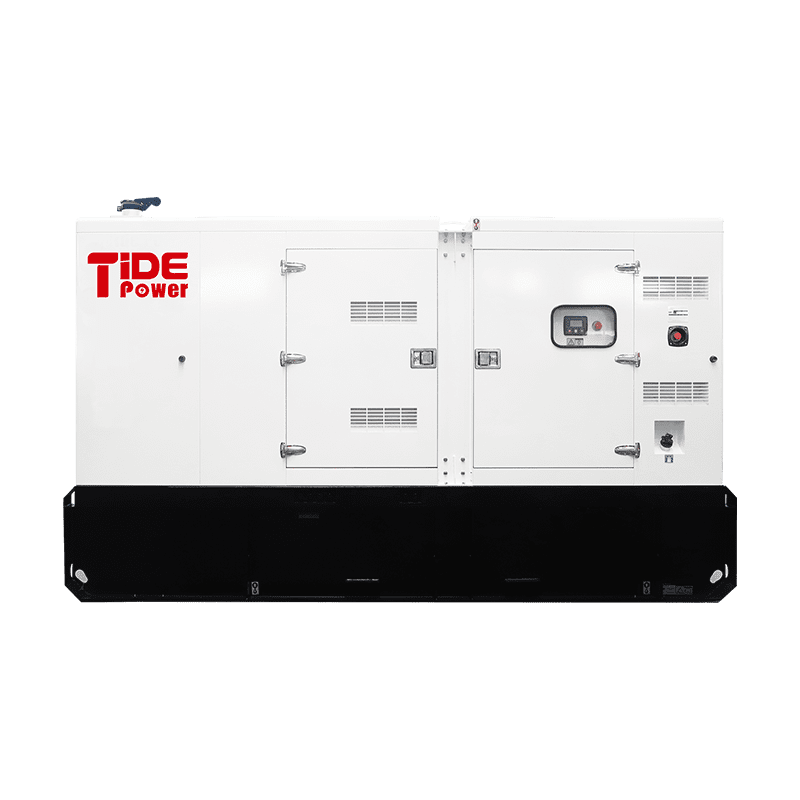
Heavy duty dewatering pumps hold up better when the daily service points are easy to reach and the fuel, oil, and intake system are checked before each shift. <Maintenance of Tide Power diesel water pump> covers the service steps that keep a diesel water pump ready for continuous drainage.
Matching a Dewatering Pump to the Application
Once the product features are understood, the selection decision should return to the site. Construction excavation usually needs fast priming and solids tolerance. Mining or quarry drainage prioritizes high head and wear resistance. Flood response and municipal rescue work put a premium on fast deployment and long fuel range. Irrigation or transfer work may prioritize fuel efficiency and steady flow over extreme heads.
Write these priorities into the inquiry rather than asking only for a pump size. For example, state the expected flow, suction lift, discharge pipe length, water quality, run hours per day, and available fuel supply. A supplier can then confirm the pump series, engine configuration, and spare part set that matches the operating pattern.
| Application | Heavy duty priority | Feature to ask for |
|---|---|---|
| Construction excavation | Fast priming and solids tolerance | Open impeller, strainer access, re-prime capability |
| Mining or quarry drainage | High head and wear resistance | Hard metal wear parts, high-head impeller, bearing protection |
| Flood response and rescue | Fast deployment and long runtime | Trailer frame, large fuel tank, engine protection |
| Irrigation and water transfer | Fuel efficiency and steady flow | Matched engine curve, discharge valve, clear control panel |
Specify the Right Heavy Duty Dewatering Pump
Before you commit to a pump model, reduce the selection risk by confirming the site conditions and the features that support them. Tell us the expected flow, total head, suction lift, water quality, run hours per day, and whether the unit will be moved frequently. Email [email protected] or call +86 591 2806 8999 to get a specification matched to the project.
Frequently Asked Questions
What is the difference between flow, head, and suction lift?
Flow is the volume of water the pump can move in a given period. Head is the resistance the pump must overcome from discharge elevation and pipe friction. Suction lift is the vertical distance from the water surface to the pump inlet, and it directly affects how easily the pump can prime and maintain water feed.
How do I know whether the water will damage a pump?
Sample the water or describe the site conditions, including visible sand, silt, mud, and maximum solids size. This information helps select an impeller type, casing protection, and strainer that fit the actual water quality. A pump sized for clean water can fail quickly in abrasive dewatering service if the wear parts are not specified for the site.
Can one heavy duty pump handle both clean and dirty water?
Many heavy duty pumps can handle moderately dirty water because they use open impellers and replaceable wear plates. The limit depends on solids size, particle concentration, and how the pump is set up. Confirm the solids passage, strainer protection, and expected wear intervals before using the same pump across very different water conditions.
How important is fuel tank size for continuous dewatering?
Fuel tank size matters when the pump must run for extended periods without an operator present. A large tank or an external fuel supply connection reduces the need for frequent refueling and keeps the pump running through a long shift or emergency. Fuel range should be matched to the number of unattended hours the site requires.
What should I send to a supplier when requesting a dewatering pump?
Send the expected flow, total head, suction lift, discharge pipe length, water quality, available fuel supply, and daily run hours. Also note whether the pump will be moved frequently and whether the site is remote. These details allow the supplier to confirm the appropriate pump series, engine configuration, and wear part package rather than quoting a pump size without context.
If you’re interested, check out these related articles:
Cheers for the completion of the first phase of the Gas Project in Africa
Tide Power Attended the Belt and Road Summit
Tide Power Technical Training Conference in South East Asia
Powering the EV Revolution: Sustainable Charging with BESS & Hybrid Systems
Generator Maintenance for Dry and Dusty Conditions: Ensuring Reliability Through Seasonal Changes