 EN
 ZH
 FR
 ES
 AR
A light tower for construction site work turns night shifts, early starts, and emergency repairs into usable working time. Choosing the right unit comes down to matching the lamp assembly, mast height, and power source to the actual work area and site restrictions. The target is not the brightest machine available; it is even, controllable coverage where crews are working, with shadows reduced and glare kept away from operators, crane cabs, and nearby roads. Before comparing models, site planners should define where the light must fall, how long it must run, what power is available, and how the equipment will be moved and secured.
What a Light Tower Does on Site
A light tower raises a cluster of lamps above the work area and angles the light so it spreads across the task instead of concentrating in a small pool below the fixture. This improves visibility for workers, equipment operators, and supervisors while reducing the deep shadows that can hide edges, trenches, materials, or moving plant.
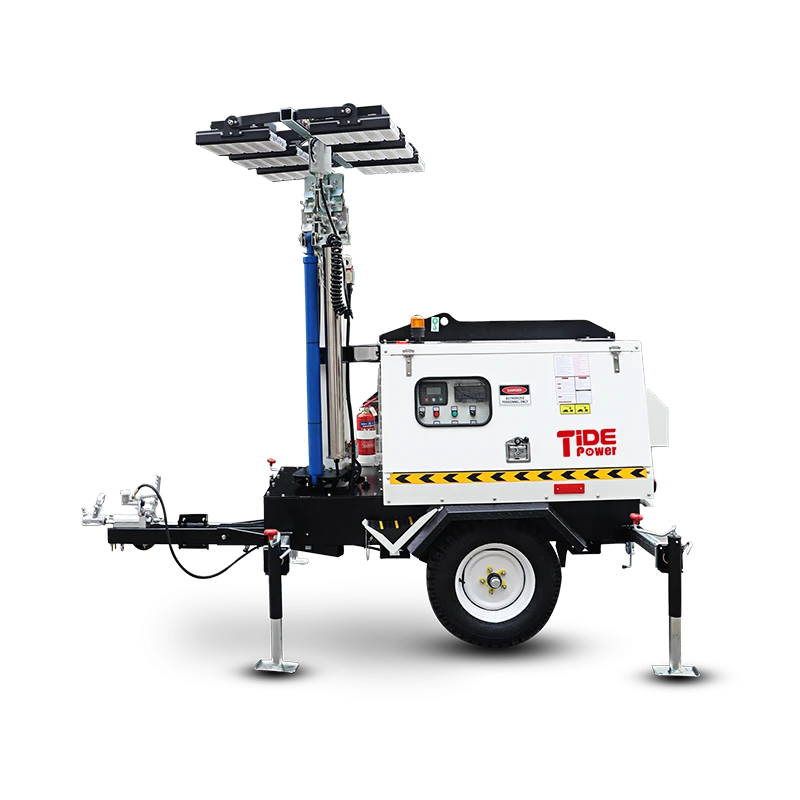
The mast is the structural link between the trailer or skid base and the lamp head. Manual mast, hydraulic mast, and horizontal mast designs solve different access and setup problems. A hydraulic mast is particularly useful when crews move lighting between work zones or must lower the lamps quickly when wind increases. Horizontal mast designs can help where overhead clearance is limited or where light needs to be positioned differently around an obstruction.
Key Specifications That Shape Coverage
The first question is not how many lamps the unit has, but whether those lamps can cover the actual work area at the quality the task requires. Mast height, lamp output, beam angle, and the number of fixtures work together. A taller mast does not automatically solve a wide-site problem; multiple mid-height towers often produce more even coverage with fewer hard shadows.
Ask for a photometric plan or coverage diagram rather than selecting on wattage alone. The plan should show where usable light falls, where it fades, and where glare may affect operators or adjacent roads. Check the lamp type and its starting and restrike behavior as well. Some lamp types return to full output more quickly after a power interruption, which matters for short shutdowns or emergency use.
| Site check | What it affects |
|---|---|
| Task area length and width | Whether one tower can cover the zone or multiple units are needed |
| Required working light level | Whether broad area lighting is enough or task lighting must be added |
| Ground slope and access path | Outrigger stability, trailer positioning, and setup time |
| Nearby roads, buildings, and workstations | Glare control and light spill boundaries |
| Wind exposure and mast stow time | Manual or hydraulic mast choice and safe operating limits |
Power Source Options and Tradeoffs
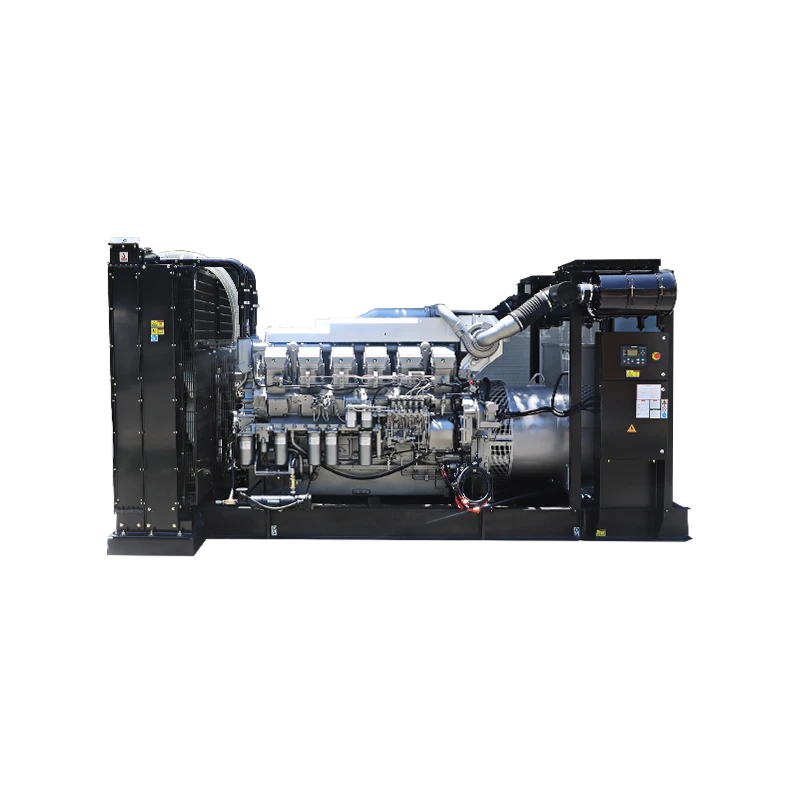
Diesel-powered light towers remain common because they do not depend on site power infrastructure. They can be moved with the work front and refueled wherever a service truck can reach. The trade-off is that the generator runs through the shift, producing noise, exhaust, and a refueling requirement. If site supply is already stable and access is simple, a mains-powered tower can avoid those issues but adds cable management and a hard dependence on the available supply.
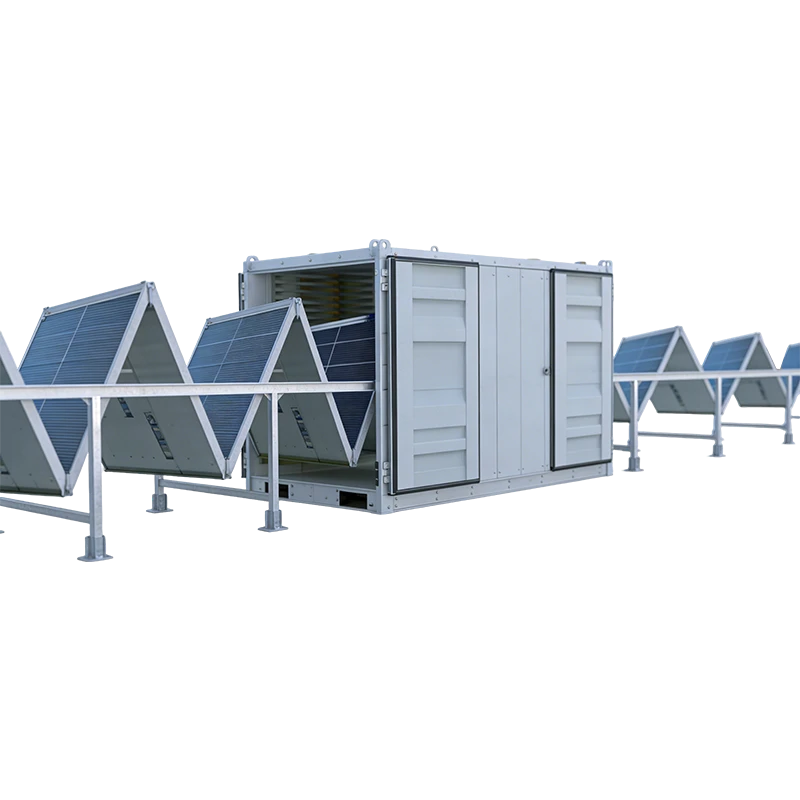
Solar and battery options suit short or noise-sensitive operations. They produce no local exhaust and are quieter, but the available energy is limited by battery capacity, lamp load, and charging conditions. A solar power container or precharged battery bank can support lighting and communications equipment for a defined period; beyond that, a generator or larger storage layer is needed.
A hybrid configuration combines stored energy with a generator. The control system starts the generator only when the battery reaches a set discharge point or when the load exceeds what the battery can supply. This reduces engine run time and fuel use, but it also means the purchase decision must consider battery duty, charging time, controller settings, and maintenance access.
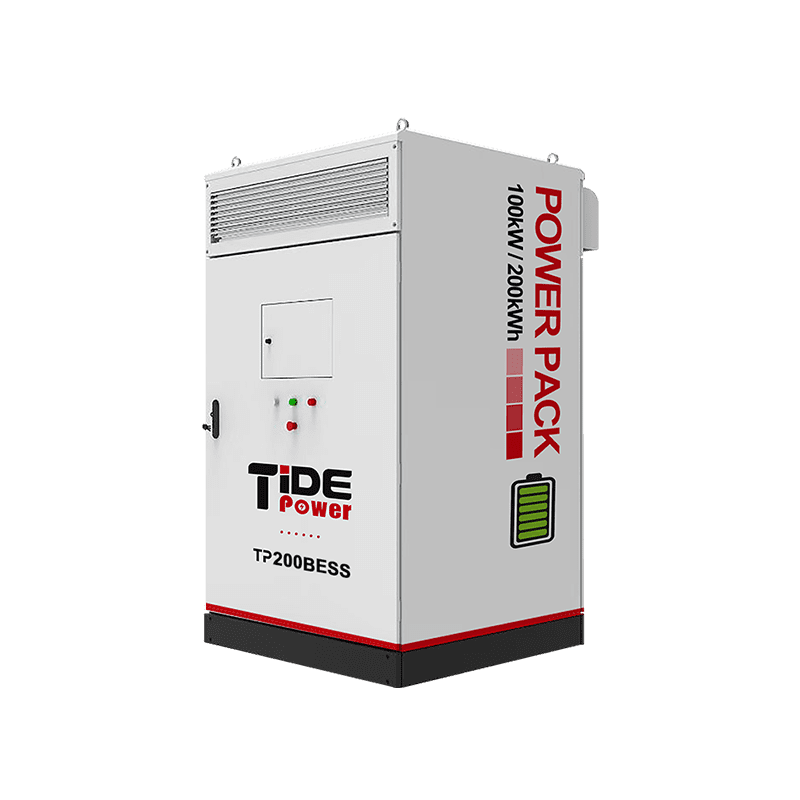
For larger or longer off-grid demand, a bigger battery cabinet or multiple storage modules may be required.
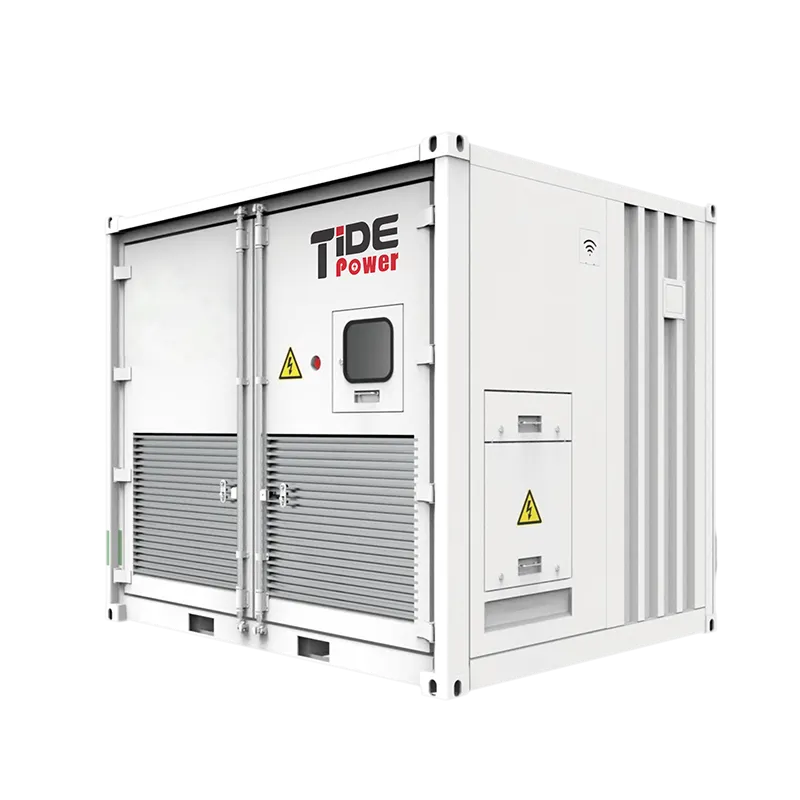
When a site weighs diesel runtime against quieter battery operation, the design of the hybrid control system matters as much as component size. <Hybrid Power Systems: Combining BESS with Diesel Generators for Maximum Efficiency> covers how diesel and battery storage are combined to reduce engine operation and improve runtime.
Placement and Site Safety Basics
Safe placement begins at the base. The trailer or skid must sit on ground that can support the outriggers without sinking, and the unit must be leveled before the mast is raised. Operators need to check overhead power lines, spoil piles, and mobile equipment paths before extending the mast. Cable runs should be routed away from vehicle tracks and laid so they do not create a trip hazard. If the site is exposed to strong wind, the mast should be lowered or stowed before conditions exceed the manufacturer’s limit rather than waiting until the lamps are swinging. On dusty or dry sites, dirt builds up on lamps, heat sinks, filters, and generator intakes, so the cleaning and inspection interval should follow the site environment rather than a fixed calendar schedule.
Construction sites with dry, dusty, or seasonally changing conditions need to treat maintenance as part of the placement plan, not a separate afterthought. <Generator Maintenance for Dry and Dusty Conditions: Ensuring Reliability Through Seasonal Changes> covers how dryness and dust affect generator and equipment upkeep.
What to Check Before Renting or Buying
Before renting or buying, write down the longest continuous work period, the area to be lit, and any noise or emission restrictions. Compare the mast’s transport height with the route from the depot to the work area. Check whether the lamps can be operated individually or dimmed, which helps when a small crew is working only in one corner. Ask how the supplier supports replacement lamps, hydraulic components, and control boards if the unit stays on a remote site. A compact manual mast may be enough for a fixed access road, while a hydraulic mast saves time when crews move lighting among several work faces. Tide Power, for example, offers manual mast, hydraulic, horizontal mast, solar, and solar hydraulic lighting tower configurations, which shows why the site task should guide the equipment choice instead of starting with a single product category.
Plan the Right Light Tower Setup
Before renting or buying, send Tide Power the task area dimensions, required continuous runtime, available power supply, access constraints, and any noise or emission limits. That information helps match mast type, lamp coverage, and power source to the actual site instead of ordering an oversized or undersized unit. Contact Tide Power Technology Co., Ltd. at [email protected] or call +86 591 2806 8999.
FAQ
What size light tower do I need for a construction site?
Start with the area to be illuminated and the task performed there. A small access trench may be covered by one compact unit, while a large earthworks area usually needs multiple towers placed to avoid deep shadows. Ask for a coverage diagram based on mast height and lamp beam angle instead of selecting by wattage alone.
Can a solar light tower replace a diesel light tower?
It depends on the shift length, charging time, and weather. Solar or battery units are quiet and produce no local exhaust, which helps near hospitals, residential areas, or night work with noise limits. Diesel remains more predictable for long continuous operation or when charging time is not available.
How high should the mast be?
High enough to spread light across the task area and reduce hard shadows, but not so high that light spills beyond the boundary or creates glare. The right height depends on the area width, nearby obstructions, and operator positions. A photometric layout is more useful than a single height number.
How do I keep a light tower safe in wind?
Position the unit on stable, level ground, extend the outriggers, and check overhead and underground services before raising the mast. Lower or stow the mast when conditions approach the manufacturer’s wind limit, and inspect the mast locks and cables after windy periods. Operators should also route power cables away from traffic.
If you’re interested, check out these related articles:
Tide Power’s Innovative Products and Solutions at Big5 Construct Saudi
Tide Power 2025 Global Sales Annual Meeting & Team Activities Conclude Successfully
?Next Generation of High-Horsepower Generator Box from Tide Power
?Thank You for Joining Us at Electric & Power Indonesia 2024
Register to visit Tide Powers stand NO.4.B13 at Nigeria Energy