 EN
EN ZH
ZH FR
FR ES
ES AR
ARA generator set supplier directory is most useful when it is treated as a qualification tool, not a price list. Most buyers skim the names, request quotes, and only later discover that engine brand, enclosure type, duty rating, and lead time do not align across suppliers. This article lays out a qualification sequence for comparing generator set suppliers before pricing enters. The position is direct: qualify technical capability and service accountability first, then negotiate. That order turns a loose directory into a shortlist you can act on, and it is the approach I use for energy infrastructure programs across global markets.
Why Do Generator Set Supplier Directories Create More Risk Than Clarity?
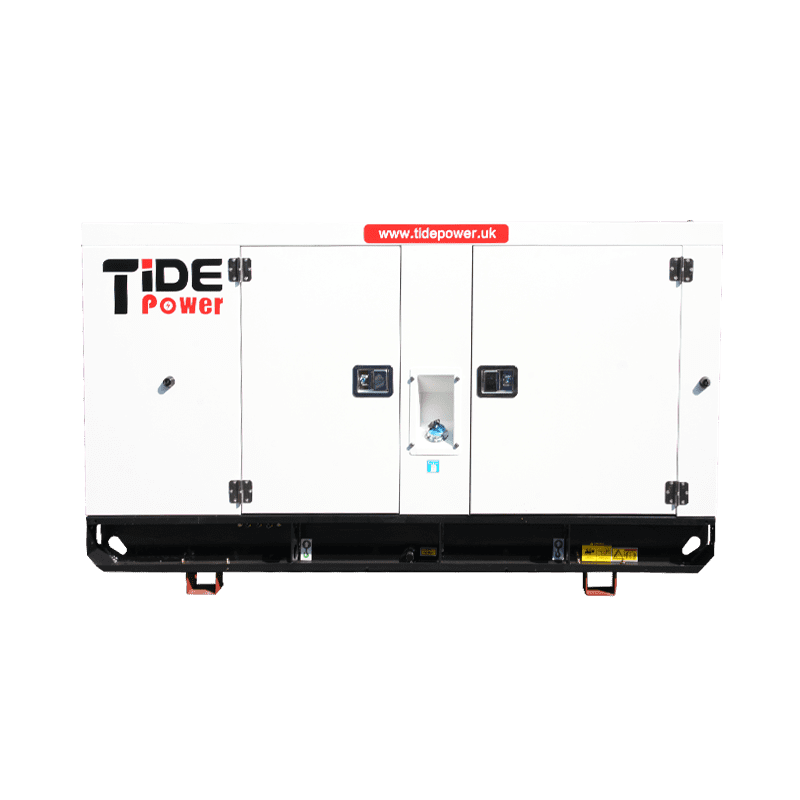
A generator set supplier directory gives you names, not certainty. In supplier directories I have reviewed for power projects, many entries state a broad kVA range and a contact address, then stop. The buyer sends the same RFQ to twelve companies without knowing engine brand, enclosure standard, or export experience behind those names. The result is noise: quotes arrive in different formats, with different assumptions about ambient temperature, altitude, and duty cycle. The predictable failure is a unit that meets the headline power rating but arrives as an open skid when the project required a silent canopy. The directory showed only the kVA, so the mismatch surfaced at site.
That is why qualification should precede quotation. If a directory entry cannot show engine brand and enclosure configuration, do not ask for price yet. Price comparison before those details exist rewards the supplier with the least complete information, not the best equipment.
What Should a Generator Set Supplier Directory Entry Prove?
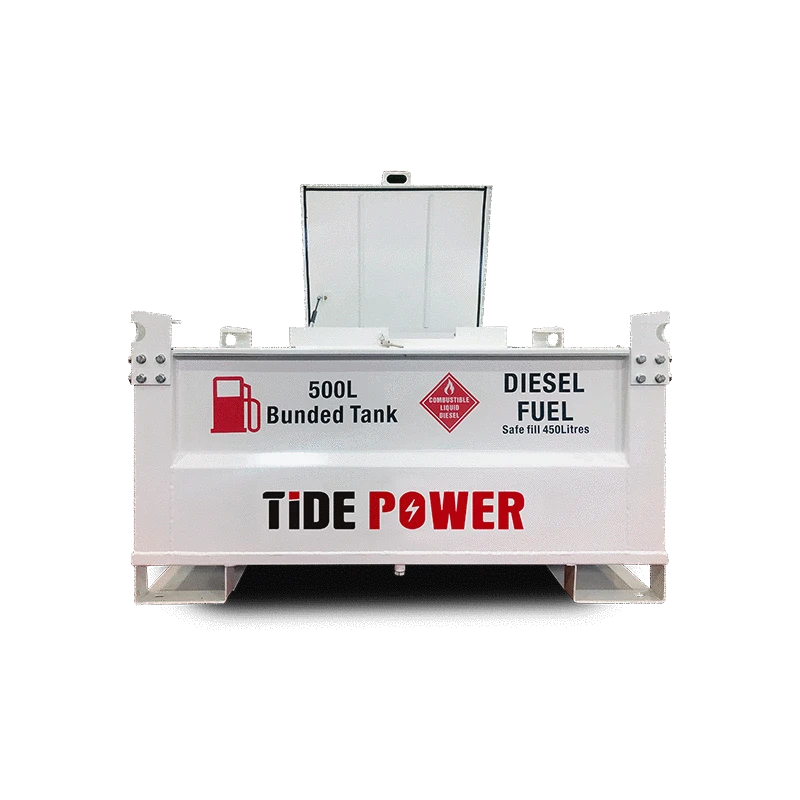
A generator set supplier directory entry earns a quote when it removes the first round of discovery emails. We look for power range stated as standby, prime, or continuous, not just kVA. A 500kVA prime rated set is not the same as a 500kVA standby set. Fuel type matters for emissions and site logistics. Engine brand matters because it defines the service network and spare part access in your target market. Enclosure type matters because a quiet hospital project and an open construction site have different requirements. Export documentation matters because CE and ISO marks alone do not answer packaging, customs, or local certification.
If your program mixes prime power with renewable integration, it is worth confirming the control and switching documentation before you finalize the BOM. Send the load profile and fuel preference to [email protected] and we will flag the specification points that are easy to miss.
Which Product Specifications Separate Reliable Generator Set Suppliers?
Read the generator set supplier directory with specifications in view, not names. A supplier that shows a structured product range and the engine options behind it gives you something to verify. At Tide Power, we treat the product library as part of the qualification file. The table below separates series by power range, engine choice, and application rather than by flat kVA.
| Series | Power Range | Engine Options | Application Notes |
|---|---|---|---|
| Fenova Plus | 5kVA to 900kVA | Lister Petter | Silent operation for telecom stations, agriculture, and marine auxiliary |
| Hemera | 5kVA to 650kVA | DCEC, Perkins, SME | Hospitals, data centers, and other sites with strict noise requirements |
| Econic | 16kVA to 1650kVA | Cummins, Perkins, DEUTZ, Baudouin | Construction sites, factories, and temporary power |
| MWM Gas | 600kVA to 4500kVA | MWM | Natural gas and biogas applications, continuous duty |
| Hybrid Power System | 10kVA to 250kVA | Solar plus storage plus diesel | Microgrids, off-grid communities, and critical load applications |
What Does Engine Choice Reveal in a Generator Set Supplier Directory?
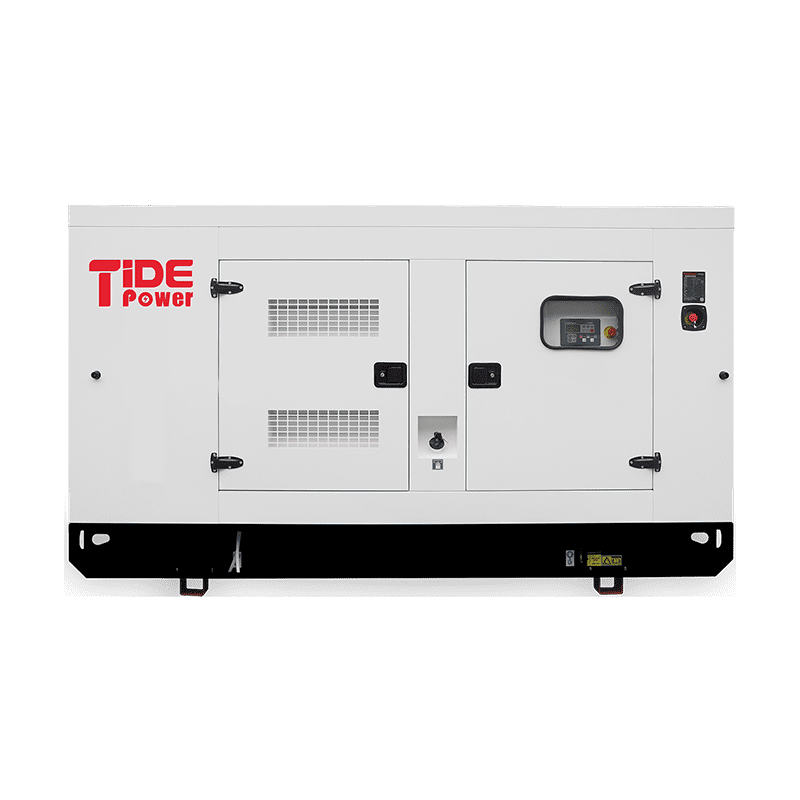
A supplier that offers Cummins, Perkins, Lister Petter, and MWM across diesel and gas lines can match a project profile instead of forcing one engine into every bid. This matters when local service coverage in your target market favors a specific engine. If the directory hides the engine option, you are not comparing capability; you are comparing prices on unknown hardware.
Why Do Enclosure and Frequency Ratings Matter Before Pricing?
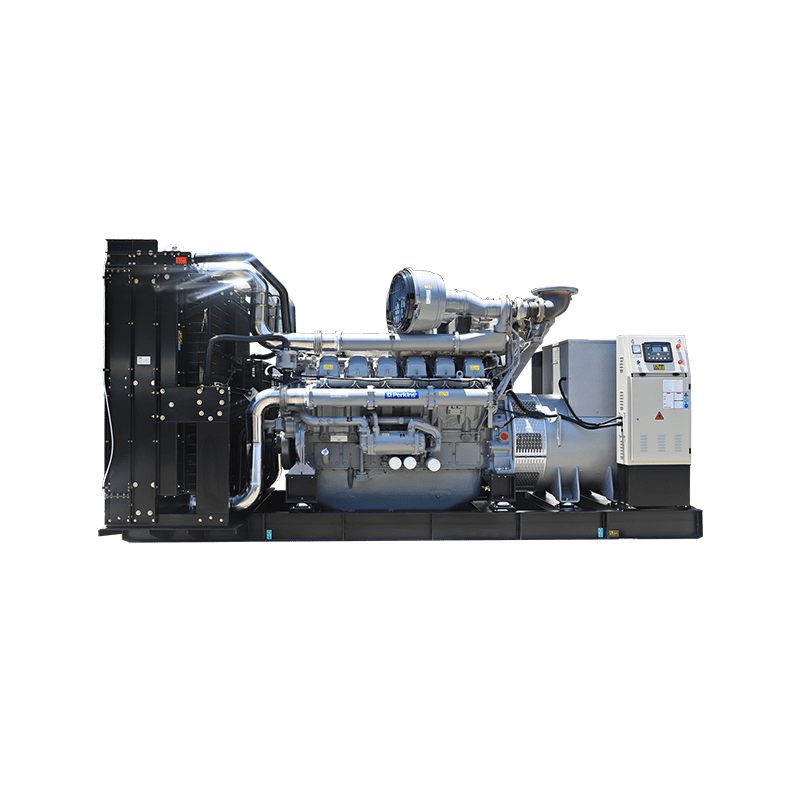
Enclosure type determines whether the unit can sit beside a hospital or on an open construction site. Frequency affects voltage, motor speed, and whether the unit can run equipment built for your local grid. A supplier that lists only kVA without these two details leaves the buyer to discover the mismatch after the quote, which is the point at which lead time starts to burn.
Ready to Confirm a Generator Set Supplier for Your Next Project?
A directory can leave you with too many names and no clear way to rank them. The fastest way to reduce that list is to test each remaining supplier against a written set of requirements: power rating, duty cycle, fuel, enclosure, target market, and after-sales reach. Send your project power range, fuel preference, and target country to [email protected] or call +86 591 2806 8999 and we will confirm the appropriate series and compliance file before you commit budget to the wrong unit.
What Should You Ask Before Trusting a Generator Set Supplier Directory?
Can a directory listing confirm that a supplier is qualified?
No. A listing confirms that a supplier exists and claims to sell generator sets. Qualification requires evidence: a fixed product range, named engine options, enclosure details, compliance documents, lead time, and a service path for spare parts. If any of those are missing, treat the entry as a lead to verify, not a vendor to shortlist. The purpose of a generator set supplier directory is to give you an inquiry list, not a final answer.
Why do engine brand options differ so much across generator set suppliers?
A common wrong assumption is that all engines are interchangeable and price is the only variable. Engine brand determines local service coverage, spare part availability, operating cost, and resale behavior in the target market. A supplier with multiple engine options can match the site to an engine network the buyer already trusts. A supplier with a single engine option may still be a good fit, but only if that network exists near the project.
How should you compare suppliers when project load profiles vary?
It depends on whether the generator set must cover standby, prime, or continuous load. Standby duty needs a smaller set and runs only during outage. Prime or continuous duty requires derating, stronger cooling, and a maintenance plan matched to operating hours. Buyers should convert each supplier’s kVA rating into the same duty class before comparing quotations. If the directory does not state duty class, ask for the rating definition in writing.
What should the final confirmation step include before you commit?
In programs I have supported, the final step works best as a short technical exchange, not a sales call. The buyer sends the load profile, fuel preference, target country, and required certifications. The supplier confirms the exact series, enclosure, lead time, and compliance file. That exchange catches mismatches early enough to fix them before production. If your program mixes standby and continuous duty, send the load list to [email protected] and we will confirm which series fits before you finalize the shortlist.
If you’re interested, check out these related articles:
Building the Resilient Grids of Tomorrow: Tide Power’s Microgrid and Utility-Scale Energy Storage Solutions
How to Choose the Right Water Pump? A Professional Buyer’s Guide
Diesel power generation: a stable and reliable energy conversion method
Tide Power Achieves Remarkable Success at Nigeria Energy 2025