 EN
EN ZH
ZH FR
FR ES
ES AR
ARBattery energy storage for peak shaving ROI starts with the utility tariff, not the battery price. A storage system only creates value when it reduces demand charges or energy charges in the intervals the utility actually measures. I have watched too many project models fall apart because the team sized the battery first and checked the tariff later. The better sequence is to pull 12 months of interval data, identify the peak demand windows, and then compare storage response against those intervals. That order changes the entire payback discussion and shows whether a battery energy storage system earns its place or becomes stranded capacity.
What Makes Battery Energy Storage for Peak Shaving ROI Work?
Three conditions have to line up. The facility must have a demand charge component in its bill, the peak demand must occur in short intervals rather than as a flat load profile, and the storage system must respond fast enough to cover the measured interval. If any one of these is missing, the project becomes an energy arbitrage exercise with a much weaker return.
Demand charges often reflect the highest 15-minute or 30-minute average consumption in a billing period. Battery storage earns its keep by discharging during those intervals so the utility meter never records the uncontrolled spike. The saving is not a product of battery price; it is a product of how accurately the system matches dispatch to the utility’s interval clock.
How Do You Model Peak Shaving Savings from Battery Storage?
Start with the utility bill, not the vendor datasheet. Peak shaving savings come from three data sets: 12 months of interval data, the current tariff schedule, and the site’s load profile. The interval data shows how often and how sharply demand exceeds the target threshold. The tariff schedule defines which demand windows matter and how various charges are calculated. The load profile shows whether the peak is a single daily spike or a long plateau across several hours.
| Input | Why it matters | What goes wrong if missing |
| 12 months of interval data | Captures seasonal peaks and weekday patterns | Payback is modeled on the wrong peak months |
| Current tariff schedule | Defines demand charges, TOU windows, and ratchets | Savings apply to intervals the utility does not bill |
| Site load profile | Shows peak duration and coincidence | Battery size misses the real demand spike |
| Utility rate change notice | Sets the future cost path | ROI uses a tariff that ends next year |
| Battery cycle life and warranty | Determines replacement cost and availability | Operating cost is left out of the model |
After the data is assembled, the model divides the annual demand-charge saving by the total installed cost. That produces the simple payback. A stronger model adds round-trip efficiency, auxiliary load, scheduled maintenance, and any cell replacement before the project horizon. Without these items, the result is an estimate rather than a decision tool.
If your facility operates under a time-of-use tariff with more than one demand window, or if the utility uses a 15-minute sliding interval instead of fixed blocks, it is worth confirming the exact measurement rule before finalizing the storage dispatch model. Send your tariff sheet to [email protected] and request an interval-definition check.
Which Storage Configuration Protects Peak Shaving Payback?
The configuration matters because peak shaving is a short duration, high frequency duty, not a long backup discharge. A system sized for one hour of peak shaving may look cheaper per kilowatt-hour, but it will not reduce the demand charge if the actual peak window persists for 90 minutes.
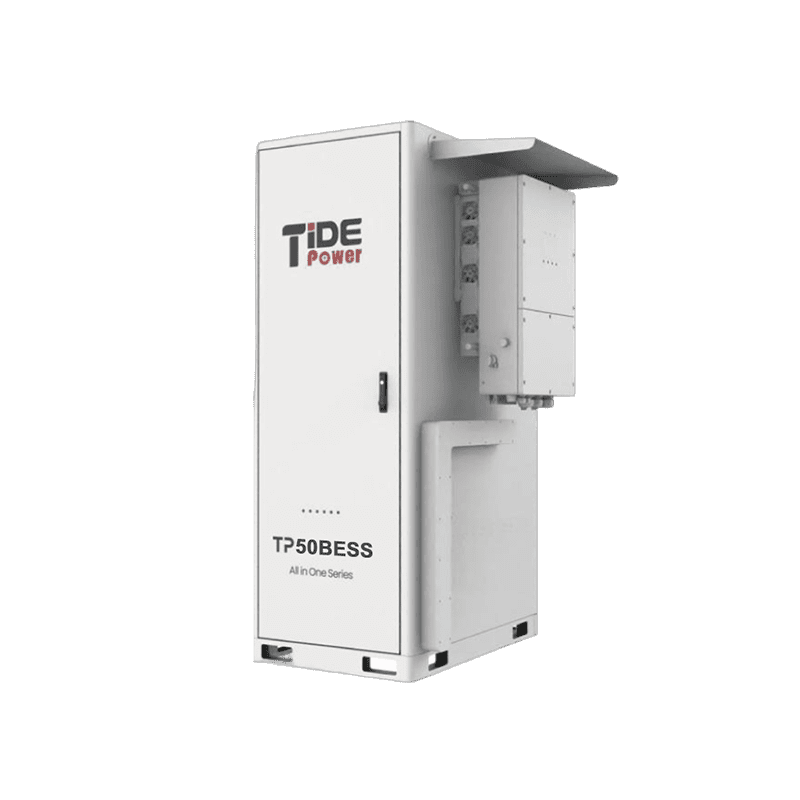
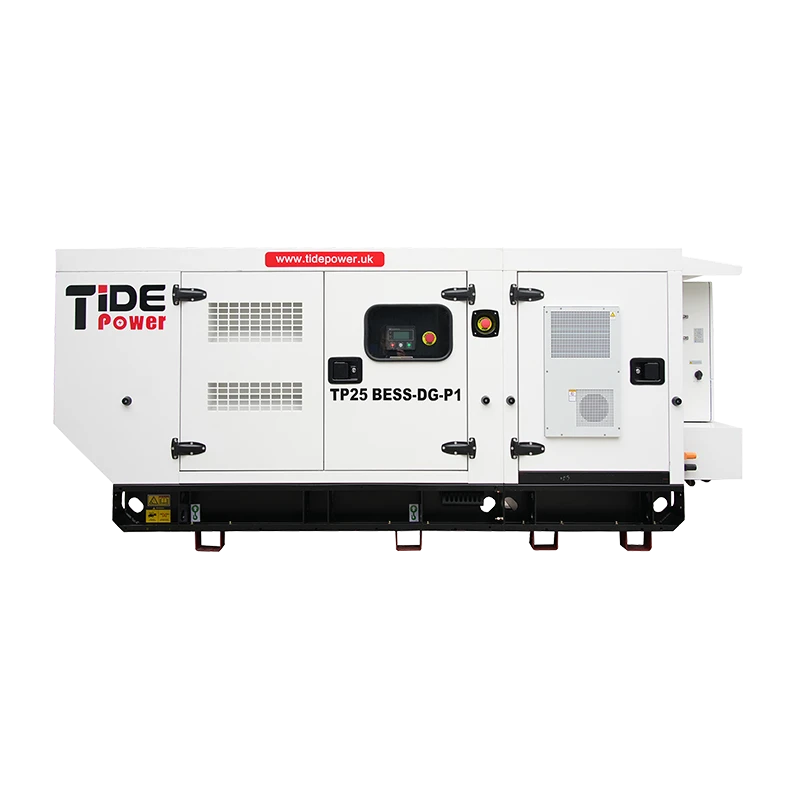
Tide Power builds hybrid energy systems from 10 kVA to 250 kVA with solar, battery energy storage, and diesel generation in one microgrid structure. The storage side includes a 5.12 kWh LFP battery pack, a 16.1 kWh LFP battery module, and TP-50BESS, TP-100BESS, TP-200BESS, and TP-261BESS platforms. The range gives project teams room to match the battery duration to the measured peak window rather than forcing the site into a single fixed option.
For a facility with frequent short spikes, a smaller power dense battery cycling several times a day can work. For a facility with a long afternoon plateau, a larger energy capacity is needed. I have seen buyers choose the higher-energy option solely because it was available and then find the discharge tail unused after the demand interval closed. The better question is not how many kilowatt-hours the battery stores, but how many kilowatts it must deliver during the exact utility interval.
What Do Most Peak Shaving ROI Calculations Miss?
The biggest miss is the demand ratchet. Some commercial tariffs set the billable demand as a percentage of the highest demand recorded in the previous 11 months, not the current month. A single month with a failed discharge can raise the baseline for the rest of the year. A model that ignores ratchets will show a clean payback that never appears on the bill.
Degradation is the second miss. Lithium iron phosphate cells do not fail suddenly, but their capacity fades across thousands of cycles. The dispatch schedule loses headroom over time unless the model reserves a fade margin. If the system is designed to cover the full measured peak on day one, it may cover only part of it in year five.
Integration cost is the third miss. Buyers count the battery container and inverter, then forget transformer upgrades, switchgear changes, site preparation, and the control system. These items are the hardware between the battery and the utility meter, not soft costs in a marketing sense.
The order of priority should be tariff interval definition first, peak duration second, battery lifetime third, and installed cost fourth. When the first two are wrong, the best price per kilowatt-hour cannot repair the model.

What Should You Send Us to Confirm Your Peak Shaving Project ROI?
Most storage models stall because the input data is incomplete, not because the technology cannot perform. You do not need a finished engineering design to start this conversation. Tide Power technical sales staff review the same set of information used in our hybrid and BESS proposals.
Send your 12 months of interval data, the current tariff schedule, and the monthly peak demand figure to [email protected], or call +86 591 2806 8999. We will check the demand-charge structure, identify which intervals create value, and tell you whether battery energy storage for peak shaving clears your investment threshold. This is a short review, not a design contract, and it will show whether a full audit is worth commissioning.
What Else Do Buyers Ask About Battery Energy Storage for Peak Shaving?
Does peak shaving work without solar generation?
Yes. Battery energy storage for peak shaving does not require solar generation. The systems discharge stored grid power during high-demand intervals and recharge during lower-cost periods or low-load windows. Solar adds an extra value stream, but it is not a precondition for demand charge reduction. The real requirement is that the facility has enough difference between its uncontrolled peak and its average load for the battery to create a discharge window.
Can the same battery handle emergency backup and daily peak shaving?
It is not automatic. Many buyers assume the same battery capacity can serve daily peak shaving and full facility backup without compromise, but that only works where the control system reserves a minimum state of charge for outages. In many sites, the battery has to choose between revenue-oriented cycling and backup availability. The answer is not a larger battery by default; it is a defined reserve strategy.
How quickly can a peak shaving system produce a return?
It depends on tariff structure more than battery cost. Where a demand charge forms a large part of the monthly bill and peaks are short, the payback is faster because every successful discharge removes a charge that would otherwise repeat. Where energy rates are flat or demand charges are small, peak shaving has weak economics. The return improves when utility rates rise or when the site adds solar generation and storage in one hybrid system.
What happens if the utility changes peak demand measurement rules?
In proposals I have reviewed, the projects that survived utility changes were the ones that treated the tariff change notice as a design input. The failed ones used the previous year’s billing alone and did not account for a shift from fixed 15-minute blocks to sliding demand intervals. If your utility announces a new measurement rule, rerun the model before signing the storage contract. Send your latest tariff schedule and interval data to [email protected] if you want a quick check on whether the current measurement still favors peak shaving economics.
If you’re interested, check out these related articles:
How to Determining Wattage Requirements
Tide Power Heavy-Duty Solutions for Industry
Tide Power Featured on CCTV’s News Broadcast of the 135th Canton Fair
Tide Power: Clean Energy, Built to Work