 EN
EN ZH
ZH FR
FR ES
ES AR
ARHospitals do not fail because a generator is too small on paper. They fail when the load steps exceed what the gas supply and control system can accept in the first seconds of an outage. A gas generator set for healthcare facilities has to carry diagnostic equipment, air handling, and patient monitoring through a transfer sequence without voltage collapse while staying within emission and fuel supply limits. Most articles on this topic compare engine brands or emissions. The larger decision is sizing the generator set around actual hospital load steps and acceptance conditions, not nameplate rating.
What Load Profile Drives a Healthcare Gas Generator Set?
Hospital electrical load is rarely a single demand figure. It is a sequence of motor starts, compressor trips, and imaging system draw. A generator set may carry a 210 kW running load without difficulty, but the same set can struggle when two main air handling units start within ten seconds. The generator must accept the largest motor load step without frequency or voltage falling below the limits that MRI and CT equipment can tolerate. I have reviewed healthcare specifications where the stated running load was 180 kW, but the first 15 seconds after transfer included three compressors and one chiller starting together. The real sizing question was not whether the engine could produce 180 kW. It was whether the gas train and governor could keep voltage stable during that block load.
That distinction shapes the entire specification. Facility teams should separate the load list into groups rather than add up every connected device. Life safety circuits such as fire pumps and egress lighting have low running power but high starting current. Critical branch circuits typically do not need the largest kVA, but they expose the generator to harmonic and voltage sensitivity issues from operating room monitors and imaging systems. Equipment loads such as chillers, autoclaves, and medical air pumps create the largest block load risk because they start across the transfer sequence.
| Load Category | Typical Equipment | Generator Sizing Impact |
|---|---|---|
| Life safety | Fire pumps, egress lighting | Low running load, high starting current |
| Critical branch | Operating room power, ICU monitors | Voltage sensitive circuits with low harmonic tolerance |
| Equipment branch | Chillers, air handling units, medical gas pumps | Large motor starts and block load risk |
| Nonessential | Kitchen, laundry, office areas | Can be excluded or shed during transfer |
Why Do Hospitals Specify a Gas Generator Set for Healthcare Facilities?
Hospital owners usually move toward gas for two reasons. The first is operating cost during long outage or continuous duty. Natural gas can be cheaper per kilowatt hour than diesel in regions with stable gas pricing, but the savings only materialize when the engine and combustion controls are matched to the site fuel. The second is emission compliance. Healthcare campuses in dense urban zones face tighter nitrogen oxide limits, and a gas generator set produces lower particulate emissions than a diesel unit of the same rating.
The tradeoff is fuel certainty. A diesel generator stores its own fuel on site. A gas generator set depends on the distribution network, so the project team must confirm pressure, flow, and availability under hospital operating conditions. In many markets gas service is reliable enough for standby duty, but the specification still needs a fuel study before procurement. If the gas line is shared with boilers and kitchen equipment, the generator may need a dedicated branch or larger regulator.
| Tide Power Gas Generator Set | Engine | Power Range | Healthcare Fit |
|---|---|---|---|
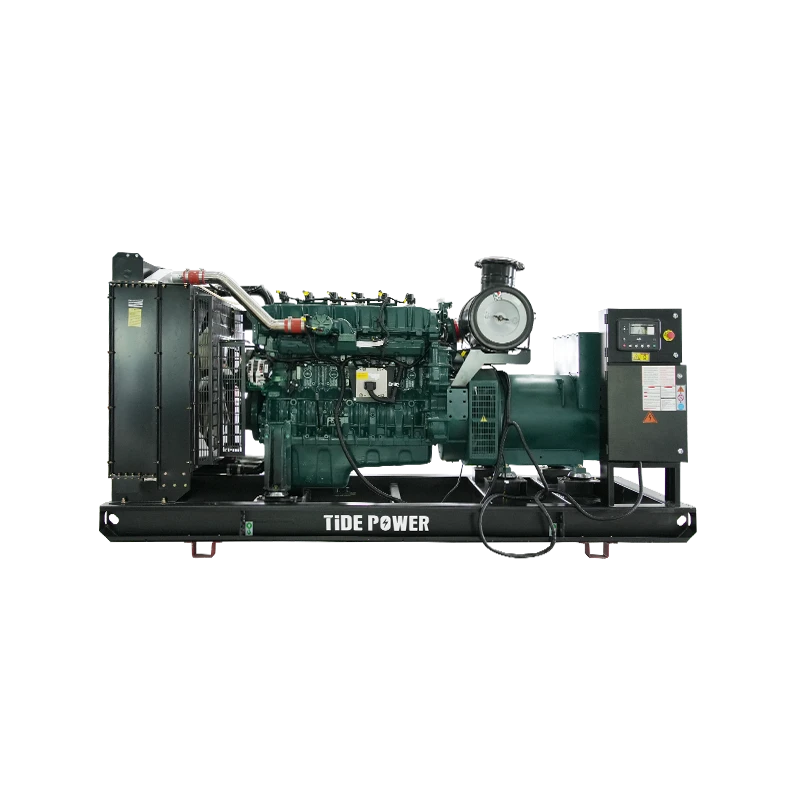
| MWM Gas Generator Set | MWM | 600 to 4500 kVA | Hospital district energy or cogeneration |
| Lister Petter Gas Generator Set | Lister Petter Jupiter Series | 28 to 563 kVA | Hospital standby or multiple unit parallel operation |
How Do You Size a Gas Generator Set for Healthcare Facilities?
Sizing starts from the standby load list, not the building floor area. The hospital electrical engineer usually calculates a connected load figure. The generator specification should be built from the maximum demand that can occur during an outage, plus the largest motor start accepted as a single block. From that figure, the engine output is derated for site altitude, intake temperature, gas supply pressure, and any continuous load. A gas engine sized to exactly 100 percent of connected load will usually be too small once humidity, air filter restriction, and load step are applied.
The sizing process can be reduced to five steps.
- Separate the load list into life safety, critical branch, and equipment branch.
- Identify the largest motor block that may start at the same time.
- Derate the gas engine for altitude, temperature, gas pressure, and inlet restriction.
- Add margin over derated demand rather than connected load.
- Check alternator kVA and transient voltage response for imaging and operating room equipment.
Which Loads Cannot Be Interrupted?
Life safety and critical branch loads cannot be shed. Those include fire pumps, operating room circuits, intensive care monitors, and select air handling. Equipment branch loads such as chillers and sterilizers can often be sequenced to reduce the initial block load, but they still need to recover within the time required by the hospital electrical standard. The sizing calculation should treat sequence as part of the load, not as a future adjustment.
How Does Elevation Affect Generator Output?
Every gas engine loses output as altitude and intake temperature rise. At high elevation, a naturally aspirated engine may lose enough output to remove the safety margin from a standby rating. The fuel system, turbocharger, and control settings must be confirmed for the actual site, not the catalogue. This matters for hospitals in elevated cities where a sea level rating creates a false sense of capacity.
What Is the Difference Between Prime and Standby Rating?
Standby rating is intended for limited running hours with variable load. Prime rating permits continuous operation with an average load limit. A hospital that expects to supply full load for 48 hours or more during a grid failure should size on a continuous or prime basis, not on a standby rating. The alternator and cooling system also need to be specified for that running profile.
Gas pressure is often the overlooked constraint. If your campus gas service is shared with boilers or operates at low pressure, validate the gas train regulator and upstream pipe capacity before you lock the generator size. Send the gas supply pressure and initial load sequence to [email protected] and we will confirm the correct engine configuration.
What Compliance and Fuel Requirements Apply in Healthcare?
Fuel supply is the part of the specification that gets approved last and can stop a project. A gas generator set depends on gas pressure, flow, and composition at the generator connection. The gas supplier must confirm that pressure remains stable during a generator block load while boilers and kitchen equipment are also running. If the available pressure is too low, the project may need a booster or a dedicated service line. That decision needs to be resolved before the generator order, not after installation.
Compliance requirements usually combine healthcare electrical standards with local emission rules. Where NFPA 110 applies to emergency power systems, the acceptance path commonly includes factory witness testing, site load bank testing, and transfer switch timing. A generator set that passes on paper but cannot accept the actual hospital load step will not pass the site acceptance test. The supplier and the commissioning agent should use the same load sequence from day one, because a mismatch here becomes a delivery delay later.
How Should Hospital Generator Installation Be Planned?
Hospital generator rooms are usually inside or immediately adjacent to the building. That makes noise, heat rejection, and exhaust routing primary design constraints. The gas generator set should be positioned so that the radiator and exhaust outlet face away from patient rooms. The exhaust must be routed so that hot gas and combustion products do not re-enter combustion air intakes. Acoustic enclosures matter less than airflow. A quiet generator room with inadequate combustion and cooling air will fail at full load.
I have seen hospital projects where the generator room door and louver area were sized for maintenance access but not for warm ambient cooling. The generator derates, and the acceptance test fails at the point when site temperatures are highest. The same problem repeats on the fuel side. A gas line sized for average demand may not keep pressure during the first block load seconds, so the site acceptance test should include the real transfer sequence rather than a slow manual start.
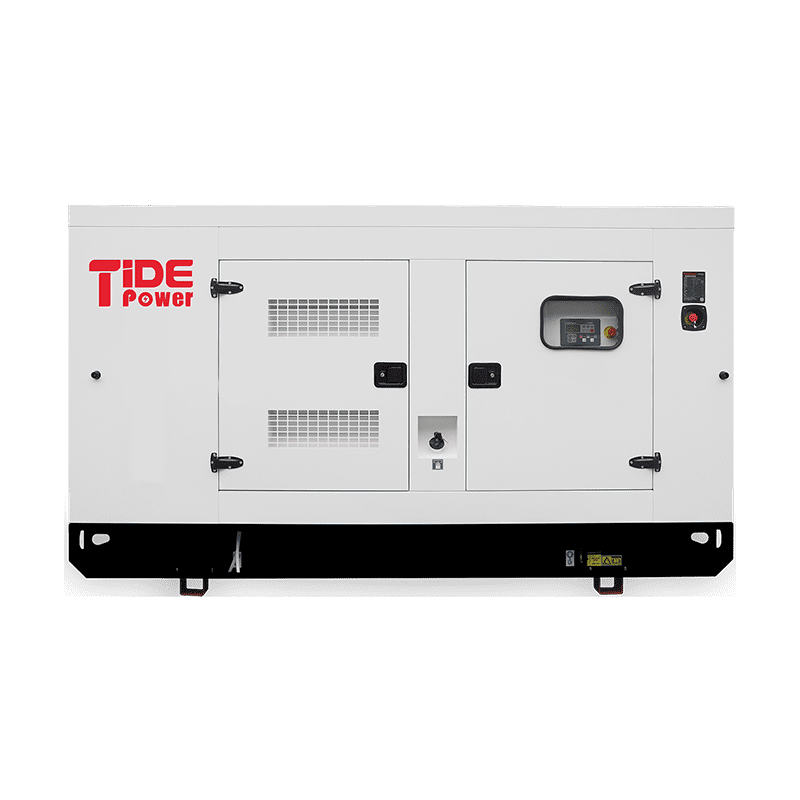
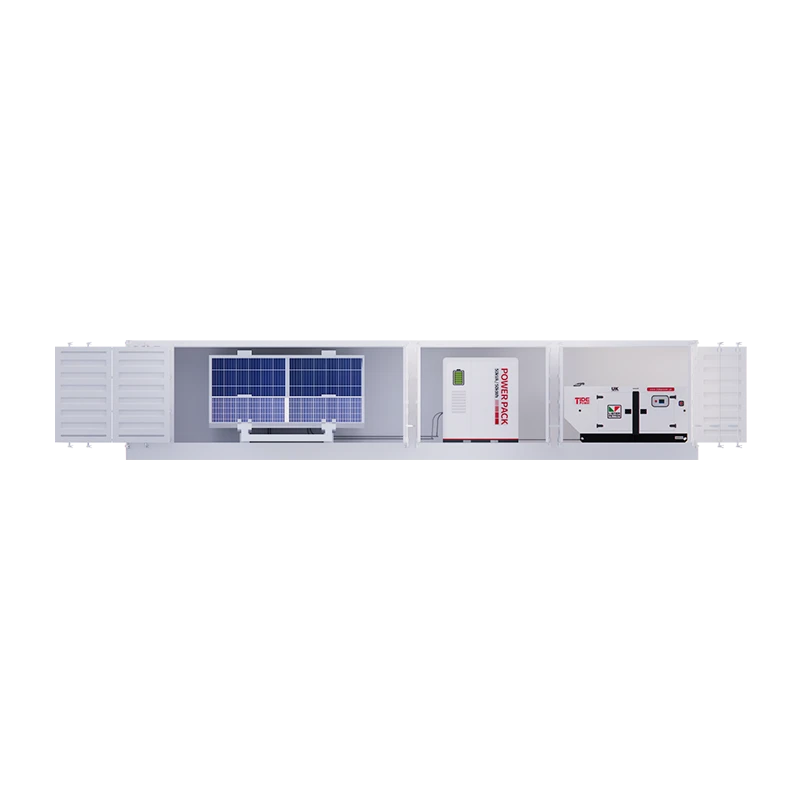
Modern hospital power also benefits when the gas generator set is connected into an energy control system that can monitor generator status, battery storage, and renewable output in one view. That is more useful for a hospital campus than waiting for alarm calls in the middle of an outage.
Facility teams should not wait until after bid to resolve gas pressure, load sequence, and emission compliance. That sequence is where most healthcare generator orders slow down. Send your load list, gas supply pressure, and required compliance standard to [email protected] or call +86 591 2806 8999, and we will confirm the gas generator set configuration before the purchase order is issued.
What Do Facility Teams Ask Before Selecting a Gas Generator Set?
Can a gas generator set serve as a hospital’s only emergency power source?
Yes, but only when the gas supply and the load sequence are verified together. A single gas generator set can carry the emergency load if the engine, gas train, and alternator are matched to the hospital’s block load. The complication is not the engine technology. It is the upstream gas service. The project must confirm pressure stability, maintenance access, and the ability to run through the required transfer sequence before it can rely on one unit. In most hospital projects, the specification covers that through a fuel study and site acceptance test, not through adding more engine capacity.
Is natural gas more reliable than diesel during a disaster?
The common assumption is that natural gas always fails when the grid fails. That is not what hospital projects show. Diesel fuel storage can age, leak, or be consumed faster than expected during a prolonged outage. Gas supply can also fail, but many hospital campuses have redundant utility connections or line pressure that remains stable during local grid interruptions. The real comparison is not fuel type alone. It is whether the facility has a verified response for the most likely outage duration. Some hospitals choose gas generator sets for continuous operation and add stored energy or diesel backup only where the gas supply has a known weakness.
How long can a healthcare gas generator set run continuously?
It depends on whether the unit is rated for prime or standby operation. A standby rated set is intended for limited hours during an emergency. A prime rated gas generator set can run continuously within its load limits, provided the gas supply, coolant, and maintenance access are continuous. Hospitals that plan for extended grid failure should specify prime or continuous duty, a full fuel study, and a maintenance plan that covers oil, filters, and control checks. Running hours do not need to be a warranty risk if the duty rating matches the operating plan from the first day.
What documentation do healthcare procurement teams need before purchase?
From the healthcare tenders I have reviewed, procurement teams usually need the connected load list, the largest motor start, gas supply pressure, the applicable electrical standard, and the acceptance test plan. Those items turn a catalogue rating into a site specific generator set. The goal is not to gather more paperwork. It is to make sure the supplier and the commissioning agent are answering the same question. Share your load list, gas pressure, and required compliance documents with [email protected], and we will confirm which gas generator configuration meets the hospital’s acceptance requirements.
If you’re interested, check out these related articles:
Tide Power & MWM Deepen Partnership in Strategic Meeting on Gas Generator and Power Solutions
Senior executives from Germany’s MWM company visit Tide Power
?Join the adventures racing with Tide Power
Maintenance of Tide Power diesel water pump