 EN
EN ZH
ZH FR
FR ES
ES AR
ARGenerator sets by fuel type do not all serve the same operating reality. The fuel you select changes starting capability, emissions compliance, fuel logistics, and long-run operating cost. Diesel remains the baseline for standby and heavy-duty applications, while natural gas and biogas sets earn their place in gas-supplied or emissions-sensitive facilities. Hybrid systems add a different calculation: lower fuel consumption with a higher integration workload. Procurement teams often start with a vendor shortlist before locking the fuel specification, and that reverses the decision sequence. The sections below map the main fuel categories against real operating requirements.
Diesel Generator Sets for Standby and Heavy Duty Power
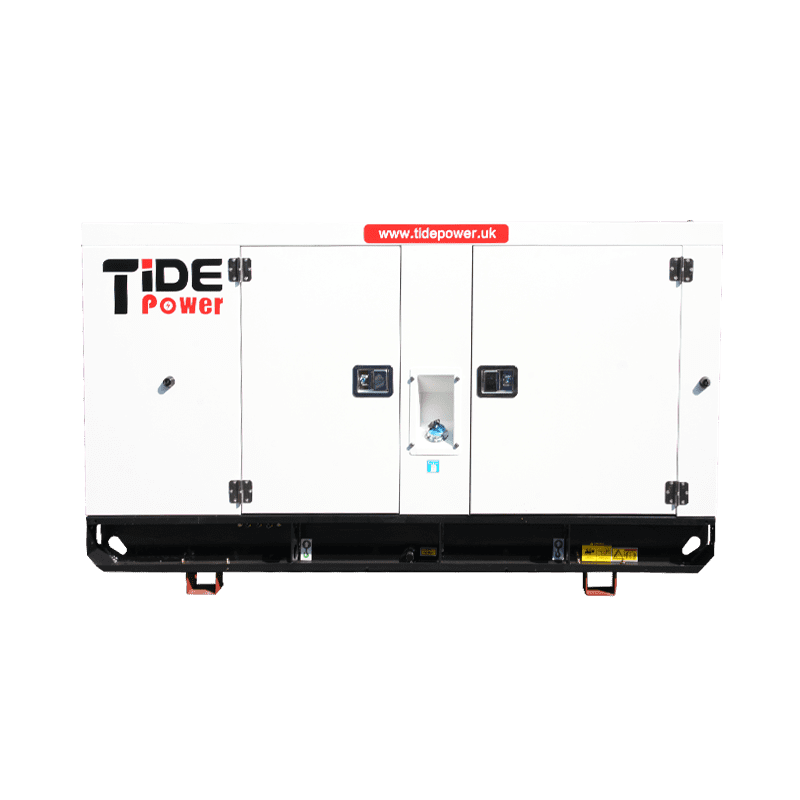
Diesel remains the baseline for standby and heavy-duty applications because it combines high energy density, long fuel shelf life, and fast load-step response. At Tide Power, the Econic Series silent diesel range spans 16 kVA to 1,650 kVA with a super large fuel tank, vertical ventilation system, and steel enclosure. That configuration matters when a factory or construction site needs a set that can sit unused for weeks, then pick up an 800 kVA pump or crusher load without a gas supply pressure conversation. Fuel storage on site is predictable, but it must be matched to the likely outage duration and resupply interval, not just the generator’s rated consumption at full load.
Standby and Prime Power Change the Fuel Calculation
A diesel set providing standby power runs only a few hundred hours per year, so the fuel conversation is mainly about storage volume and shelf life. A prime power set running continuously on a mine or construction site is a different machine in practice, with maintenance intervals, fuel filtration, and daily tank checks determining cost far more than the engine’s nameplate rating. I look at the duty cycle and expected monthly runtime before comparing fuel types, because a generator that looks cheaper on installed cost can become expensive to feed once it runs 8,000 hours a year.
Diesel Fuel Storage and Resupply Logistics
The overlooked constraint in diesel projects is not the engine; it is the space and handling path around the fuel tank. Integral base tanks reduce footprint, but they shorten runtime unless a larger external tank is permitted. Double-wall containment and local fire codes often decide the usable volume faster than the generator supplier does. We flag this early because resizing a fuel system after the generator pad is fixed creates avoidable site work.
Natural Gas and Biogas Generator Sets for Continuous Operation
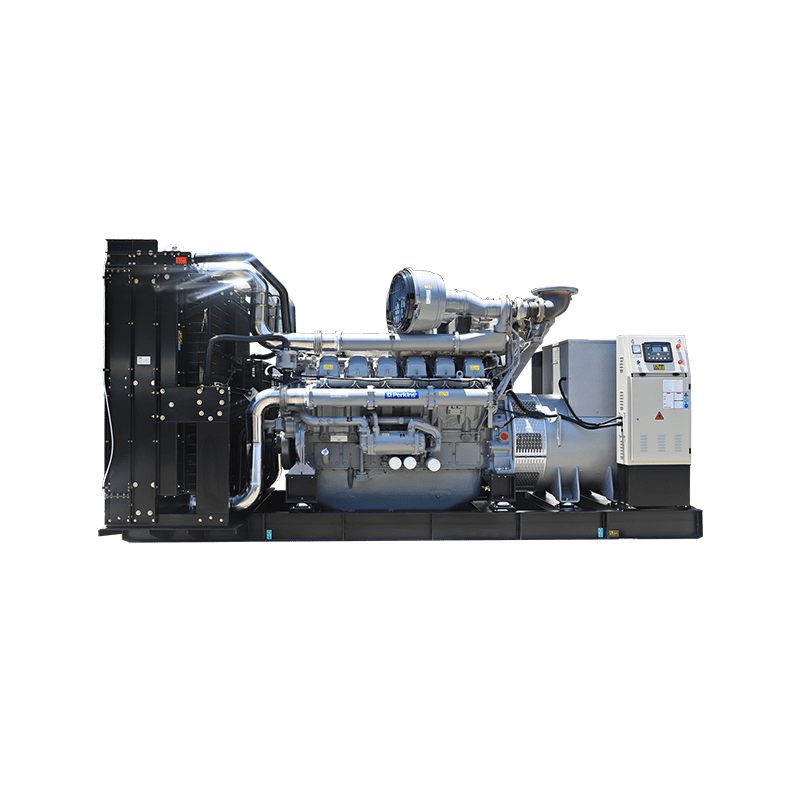
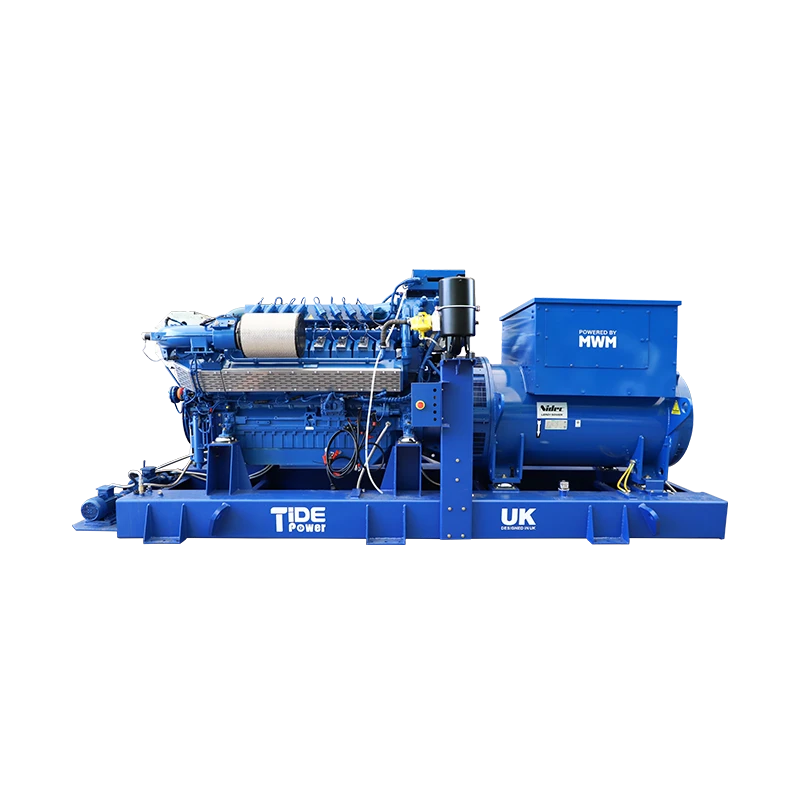
Gas generator sets become the stronger option where a gas source is already on site or emissions rules restrict diesel operation. Tide Power’s MWM gas generator set covers 600 kVA to 4,500 kVA using genuine MWM engines and is specified for natural gas and biogas applications, including wastewater plants, landfills, and industrial renewable energy projects. Lister Petter gas generator sets extend the smaller end of the range from 28 kVA to 563 kVA with natural gas and biogas compatibility. Gas engines sit closest to the principle of fitting the fuel infrastructure first; if the pipeline pressure and tariff are not confirmed, the whole cost model changes.
Natural Gas vs Biogas Has Different Gas Treatment Needs
A common mistake is to assume that a natural gas engine will run on biogas without changes. Biogas carries moisture, hydrogen sulfide, and siloxanes depending on the source, and those contaminants drive gas conditioning requirements. The engine family may be similar, but the gas train, filtration, and maintenance plan are not. We always separate the fuel conditioning cost from the generator package cost at project stage.
When Gas Availability Decides the Generator Specification
For a hospital, data center, or pharmaceutical plant with reliable pipeline gas and continuous thermal demand, a gas set can produce power and usable heat in a cogeneration setup. But if gas pressure fluctuates, the generator’s fuel regulator and control system need to be specified for the lowest expected supply condition, not the design average. Procurement teams sometimes finalize the genset before the gas utility confirms minimum pressure, and that creates a retrofit risk that diesel projects rarely face.
LPG and Gasoline Generator Sets for Light and Mobile Needs
Diesel and gas do not cover every application. LPG and gasoline sets fill light commercial, mobile, and short-run roles. Gasoline is common in small portable generator sets below 20 kVA, but fuel shelf life is short and indoor operation is restricted. LPG suits commercial standby sets where a cylinder or tank can sit for long periods without the degradation problems of gasoline, though energy density is lower than diesel and the fuel contract tends to be more distributed. In many urban building projects, the decision between LPG and a small diesel set is driven by local fuel handling rules as much as by price.
If your site is deciding between LPG and a small diesel set for standby power below 100 kVA, it is worth confirming the local fuel storage rules and the expected outage duration before finalizing the order. Share those site constraints with [email protected] and we will check the configuration against the local handling path.
Hybrid and Dual Fuel Generator Set Options
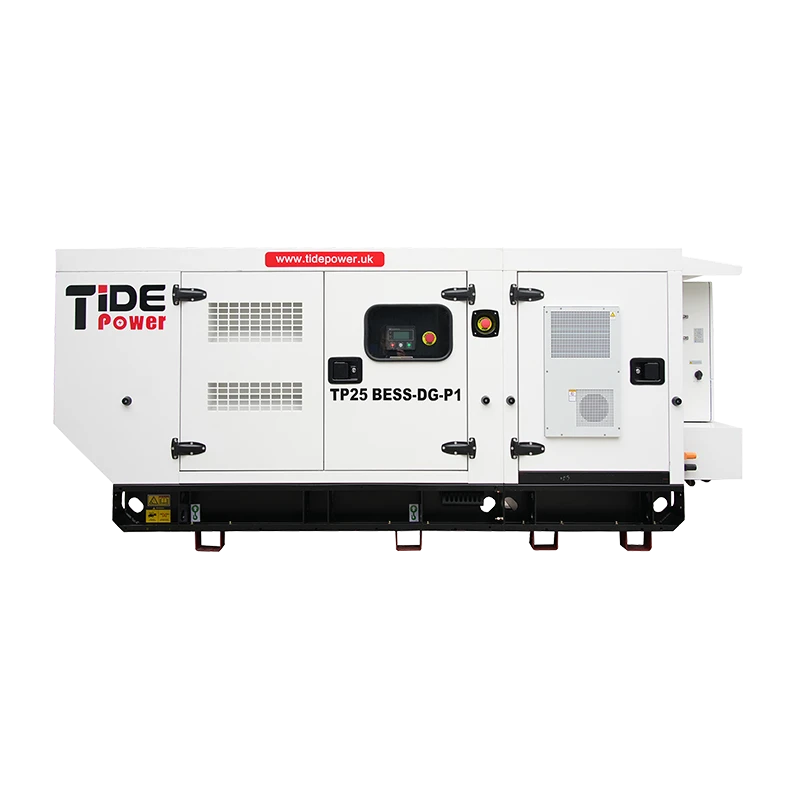
Hybrid generator sets combine a diesel genset with solar generation and battery storage, while dual-fuel engines can substitute a portion of diesel with natural gas. Tide Power’s hybrid power system covers 10 kVA to 250 kVA with solar, battery storage, and diesel integration, featuring fast switching and intelligent energy dispatch. The advantage is lower diesel consumption during light-load periods; the tradeoff is a more involved control system and greater capital cost. Remote microgrids and off-grid telecom sites often justify this because every litre of avoided diesel resupply changes operating cost and site dependence. We specify fuel savings carefully, using the site’s daily load shape, because flat savings claims ignore how much of the day the diesel must actually run.
Selecting Generator Sets by Fuel Type for Your Operation
The right fuel choice is not absolute; it is a function of load profile, fuel availability, emissions limits, and run hours. The table below maps how Tide Power positions the main fuel types in project work.
| Fuel Type | Typical Power Range | Best Operating Pattern | Main Constraint |
|---|---|---|---|
| Diesel | 16 kVA to 1,650 kVA in silent packaged sets | Standby, prime, and load-step response | Fuel storage, resupply, and exhaust routing |
| Natural gas | 600 kVA to 4,500 kVA in MWM sets | Continuous baseload and cogeneration | Minimum gas pressure and utility tariff |
| Biogas | 28 kVA to 563 kVA in gas engine sets | Continuous operation at waste and agricultural sites | Gas conditioning and supply consistency |
| LPG or gasoline | Under 20 kVA typical for gasoline, larger for LPG standby | Light backup and mobile needs | Fuel shelf life, storage rules, and refuelling |
| Hybrid diesel, solar, and battery | 10 kVA to 250 kVA | Off-grid, remote, and fuel-saving microgrids | Higher initial capital and system integration |
Choosing generator sets by fuel type often stalls when site data is incomplete. Fuel availability, exhaust limits, gas pressure, and load steps change the recommendation more than the generator brand does. At Tide Power, we narrow this decision by working from the site’s load profile and fuel logistics first, then matching the generator platform. Send your project brief, expected load curve, and available fuel source to [email protected] or call +86 591 2806 8999, and we will confirm a shortlist with power ratings and fuel-specific configuration notes.
Common Questions About Generator Sets by Fuel Type
Which fuel type is most economical for standby generator sets?
For standby applications with fewer than 200 run hours a year, diesel usually offers the lowest installed cost per kVA and the simplest long-term fuel storage story. Natural gas can be cheaper per kWh where pipeline gas is already available, but the gas train and utility connection carry fixed costs that small standby sets rarely recover. LPG works for light commercial backup, but the fuel delivery and storage terms must be confirmed before you count it as equivalent to diesel.
Can a natural gas generator set run on biogas?
Not without fuel system changes. A natural gas engine can often operate on biogas, but the biogas must first be conditioned to remove moisture, hydrogen sulfide, and siloxanes to levels the engine warranty accepts. The gas train, filtration, and maintenance plan differ from a pipeline natural gas installation. We treat biogas as a separate specification exercise, even when the engine platform is the same, because the gas quality risk sits with the operator unless it is resolved at the fuel conditioning stage.
Does diesel always outperform gas for load step response?
It depends on the load step size and the control system. Diesel engines generally accept a larger instantaneous load step than a gas engine of similar rating. If your site starts a large motor or compressor across the line, confirm the gas engine’s block load capability with the supplier and size the alternator accordingly. For sites with staged loads or battery support, a gas set can handle the same application without sacrificing voltage and frequency stability.
How do we decide between diesel and hybrid for a remote site?
In remote projects we evaluate, the decision usually comes down to fuel resupply cost and runtime. A diesel set has lower initial cost, but a hybrid solar, battery, and diesel system reduces running hours and refuelling visits once the renewable resource is understood. The best answer is not a rule; it is a site-specific comparison based on the daily load profile. If your remote site has inconsistent fuel delivery, it is worth confirming solar and battery share against the diesel runtime target before specifying the genset. Share your daily load profile with [email protected] and we will confirm what the hybrid option can cover.
If you’re interested, check out these related articles:
Powering the construction industry with Tide Power
The annual OEM procurement signing ceremony between Tide Power and MWM has been successfully completed
Senior executives from Perkins visit Tide Power
TIDE POWER TP200BESS: Smarter Energy Storage for Industrial Generators