 EN
EN ZH
ZH FR
FR ES
ES AR
ARFor a project engineer, whether to specify an open type or a containerized diesel generator is rarely just a budget call. The decision cascades into logistics, site preparation, maintenance access, and how the asset holds up across its service life. Having worked on generator set configurations for infrastructure projects in multiple continents, I have found that the real cost is often hidden in the installation complexity that follows a buying decision, not in the generator itself. A containerized diesel generator can eliminate months of civil work, while an open skid-mounted unit keeps the investment low for a controlled indoor plant. So which configuration fits your project? Let us walk through the key trade-offs.
What Is the Fundamental Difference Between Open and Containerized Generators?
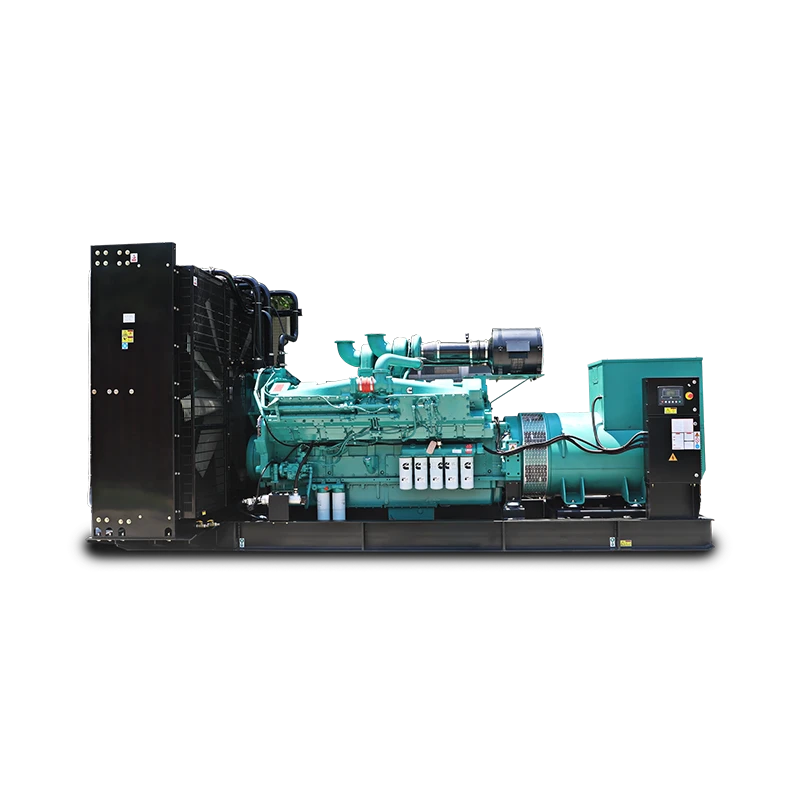
An open type diesel generator is a complete genset mounted on a structural steel base frame, usually with the engine, alternator, radiator, and control panel exposed. There is no weatherproof enclosure. These units are typically installed inside a dedicated powerhouse or generator room, and the buyer handles soundproofing, ventilation, fuel supply routing, and exhaust separately on site.
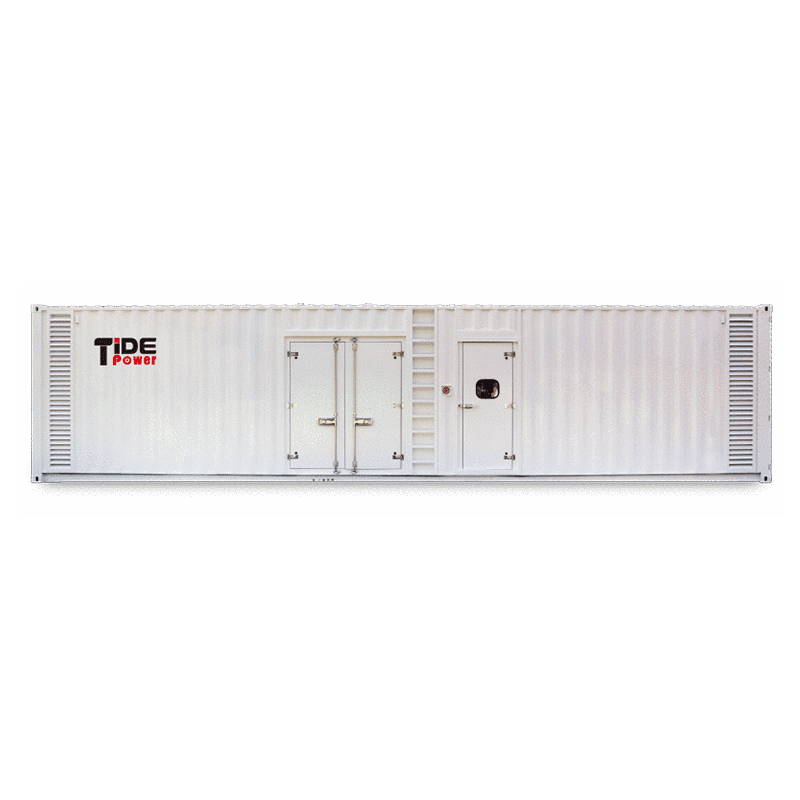
A containerized diesel generator takes that same core genset and integrates it into a standard ISO shipping container, typically a 20‑foot or 40‑foot high‑cube. The container becomes a self‑contained power station: it includes the generator set, a fuel tank, intake and discharge louvers, acoustic insulation, lighting, fire suppression, and often a control room. Once the container lands on a prepared pad and is connected to the load, the unit is ready to run.
So the difference is not simply “enclosed versus exposed.” It is a shift in where the engineering happens: on your site for an open set, or at the factory for a containerized solution.
When Does an Open Type Diesel Generator Offer the Best Value?
Open type sets remain the workhorse for permanent, indoor power plants. If your project already has a generator hall with a solid foundation, overhead crane access, a designed ventilation path, and a separate fuel storage system, an open frame unit strips away unnecessary steel and soundproofing. That directly lowers the ex‑works price per kilowatt.
Maintenance access is unimpeded on all sides. Technicians can reach the engine, alternator, and cooling circuit without opening doors or working in a narrow container aisle. For sites where the generator runs in a clean, temperature‑controlled environment with trained personnel permanently on site, an open unit is the logical choice. I have seen mining processing plants and university central energy centers deploy open sets precisely because the building was purpose‑built around them.
What Conditions Make a Containerized Generator the Smarter Investment?
When a project is in a remote location, on unstable ground, or requires fast deployment without local construction capacity, the containerized diesel generator changes the equation. The container structure serves as both housing and transport frame. It can be trucked to site as a standard cargo load, dropped onto a compacted gravel pad, and connected within a day.
This turnkey nature is what makes containerized sets the default for telecom towers in arid regions, temporary construction power, humanitarian emergency power, and offshore support. The built‑in sound attenuation also meets local noise ordinances without a separate acoustic enclosure. Because the fuel tank is integrated and the ventilation system is factory‑tested, commissioning risks fall dramatically. For a project manager who has to deliver power on a tight schedule, those factors often outweigh the higher initial purchase price.
If your program requires deployment across multiple locations with minimal site prep, it is worth confirming container specifications and factory integration scope before finalizing your BOM. A quick conversation can surface configuration details that avoid weeks of site‑level rework later.
How Do Maintenance and Long‑Term Performance Compare?
Both configurations follow the same engine service intervals. The generator set inside a container is mechanically identical to its open equivalent. The difference lies in accessibility and environmental protection.
| Factor | Open Type | Containerized |
|---|---|---|
| Daily walk‑around access | Full access from all sides | Access via doors and internal aisles |
| Component replacement | Overhead crane can lift major parts | Restricted; may require roof hatch or container removal |
| Weather exposure | None when installed indoors | Sealed against rain, dust, and salt spray |
| Vibration and noise containment | Relies on building structure | Absorbed by container walls and acoustic lining |
| Security | Requires secured building | Lockable container deters unauthorized access |
In practice, containerized units tend to suffer fewer weather‑related failures over a 15‑year life, particularly in coastal or high‑humidity regions. The trade‑off is that major overhaul work may take longer because the container structure can complicate engine extraction. For open sets in a proper powerhouse, the opposite is true: the building provides the barrier, and the machine remains fully exposed for maintenance.
Which Configuration Delivers Lower Total Cost of Ownership?
Total cost of ownership is where selection frameworks usually break down. An open type generator has a lower capital cost per kilowatt, but the buyer must also budget for the powerhouse, soundproof cladding, fire suppression, fuel piping, and exhaust routing. In a developed area with available contractors, that civil work often adds 30 to 60 percent to the project cost.
A containerized diesel generator arrives as a completed system. Site preparation is a fraction of a building, and installation is measured in hours. Over 10 to 15 years, the absence of building maintenance, the integrated fuel system that reduces external leak risks, and the built‑in acoustic treatment often close the TCO gap. For remote or temporary applications, the containerized set avoids constructing and later decommissioning a permanent structure, which can tilt the financial case decisively in its favor.
That said, if you already have a suitable building with the necessary clearances and ventilation, paying for a container you do not need makes little sense. The decision should follow the site, not the other way around.
Common Questions About Diesel Generator Configurations
Can a containerized generator be customized for specific site dimensions or fuel types?
Yes. Containerized diesel generators are not limited to standard ISO dimensions. Manufacturers can shorten or lengthen the container, add side‑mounted radiators, or incorporate bulk fuel storage compartments. Dual‑fuel conversions and separate control rooms are also common. If your site plan has a tight footprint, share your layout and we can confirm what container modifications are feasible.
Is it possible to convert an open type generator to a containerized unit after installation?
Retrofitting an open set into a container is technically possible but rarely cost‑effective. The generator base frame must be reinforced, ventilation paths recalculated, and the exhaust and fuel systems re‑routed to suit a container envelope. In most cases, the engineering cost and downtime approach the price of a purpose‑built containerized unit. For a new project, selecting the right configuration from the start avoids this entire pain point.
How does transport differ between the two configurations?
Open type generators are transported on flatbed trailers and require weatherproofing and securing for international shipping. Containerized generators ship as standard container freight, using the same logistics chain as any other containerized cargo. That means lower freight cost, predictable handling, and no special packing. For projects in landlocked countries with container‑handling infrastructure, the logistics advantage is substantial.
What are the typical lead times for a containerized diesel generator?
Because the container is part of the production process rather than a bolt‑on afterthought, lead times for a containerized unit are generally 2 to 4 weeks longer than an equivalent open set. The exact timeline depends on the degree of customization: a standard 20‑foot unit with an integrated belly tank moves faster than a fully engineered multi‑container power station. In programs I have supported, building that extra engineering window into the project schedule prevented last‑minute delays.
Does a containerized generator require a concrete foundation?
A containerized unit does not require a full foundation. A level, well‑compacted gravel pad or a pair of concrete strips under the container corners is usually sufficient. This is one of the key reasons containerized generators are chosen for temporary or remote sites. However, for permanent installations in soft soil or seismic zones, a reinforced slab still adds long‑term stability. Share your site soil report and we can advise on the minimum preparation needed.
If your next project is at the conceptual stage and the open versus containerized decision is still open, reach out with your site conditions and load profile. We can walk through how each configuration would pencil out in your specific environment, from logistics to life‑cycle cost. Email [email protected] or call +86 591 2806 8999 for a configuration assessment.
If you’re interested, check out these related articles:
Unlocking Energy Independence & Savings: Tide Power’s Scalable BESS Solutions for C&I Applications
Summer Maintenance Guide for Gas Power Generators: Ensuring Peak Performance in Extreme Weather
Tide Power Achieves Remarkable Success at Nigeria Energy 2025