 EN
EN ZH
ZH FR
FR ES
ES AR
ARGas generator set financing determines whether a project moves forward or stalls on the balance sheet. For procurement managers and energy developers evaluating power generation investments, the choice between capital purchase, operating lease, or OEM-backed financing structures directly affects cash flow, risk allocation, and long-term returns. In over a decade of supporting international energy projects, I’ve observed that an OEM-backed operating lease frequently provides the optimal balance of performance guarantees and financial flexibility—a structure that many project teams overlook when they default to outright purchase or standard bank loans.
Understanding Gas Generator Set Financing Structures
The right financing structure aligns the cost of the generator with the revenue or savings it generates. Five primary pathways exist for gas generator set acquisition:
- Capital purchase: The buyer owns the asset outright, paying the full price upfront or via a conventional bank loan. This keeps the generator on the company’s balance sheet as a capital expenditure (capex).
- Operating lease: The lessee uses the generator for a fixed term with no ownership transfer. Payments are treated as operational expenditure (opex), preserving credit lines and offering potential tax advantages.
- Capital lease (financing): The lessee gains ownership at the end of the lease term. This structure appears on the balance sheet and may offer depreciation benefits.
- OEM-backed financing: Generator manufacturers or their partners offer tailored lease or loan programs, often bundled with extended warranties or performance guarantees.
- Power purchase agreement (PPA): A third-party investor owns and operates the generator on the client’s site, selling the electricity at an agreed rate. This removes upfront costs entirely.
The following table summarizes key differences between capital purchase and an operating lease for a typical 1 MW gas generator set.
| Factor | Capital Purchase | Operating Lease |
|---|---|---|
| Upfront cost | 100% of equipment price, possibly plus installation | 0–10% down payment, depending on credit |
| Ownership | Immediate | Never (or option to buy at end) |
| Maintenance | Owner responsible | Often included in lease (full-service) |
| Balance sheet | Capex, depreciable | Opex, off-balance-sheet |
| End-of-term | Retain residual value | Return, upgrade, or buyout |
What are the financing options for gas generator sets?
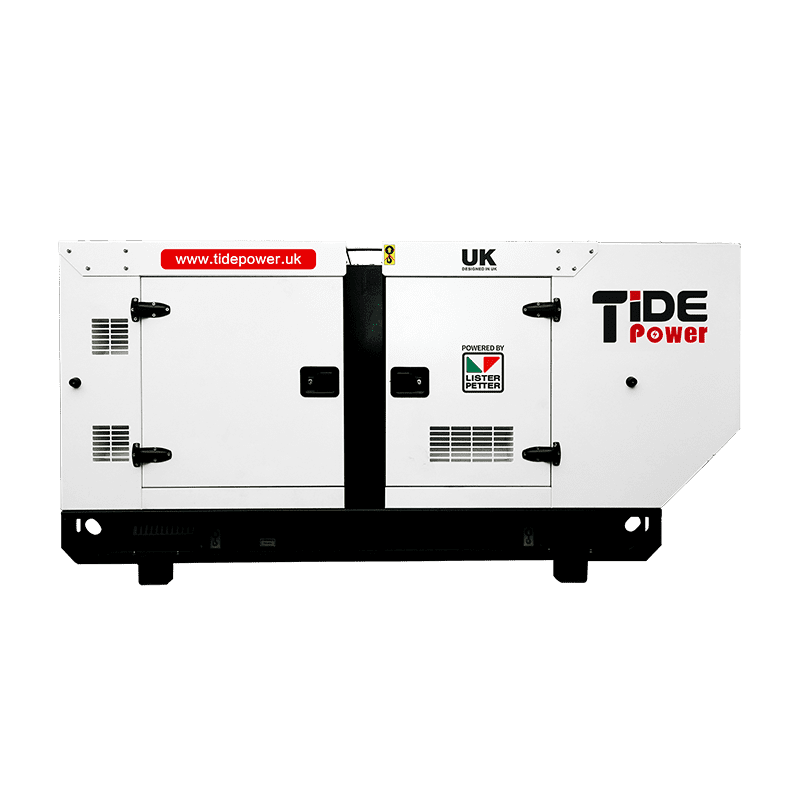
Options range from self-funded purchase and bank loans to manufacturer-backed leases and PPAs. In industrial energy projects, operating leases and OEM-backed programs dominate because they shift technology risk back to the supplier and convert large capital outlays into predictable operating expenses.
Capital purchase vs. operating lease: key differences
Beyond the financial treatment, a capital purchase locks in the current technology. With natural gas generators facing tightening emission standards, an operating lease often includes provisions to upgrade to newer, compliant models without early-termination penalties. In my work with multinational clients, I’ve seen that operating leases are frequently selected in markets where regulatory shifts are expected within five to seven years.
Comparing Financial Outcomes: Lease vs. Buy
Evaluating the pure financial case requires modeling total cost of ownership (TCO) over the generator’s expected service life, not just comparing monthly payments. A MWM gas generator set, for instance, can achieve electrical efficiencies above 44% when running on natural gas, which directly reduces fuel expenditure—the single largest operating cost.
How to calculate ROI for a gas generator set
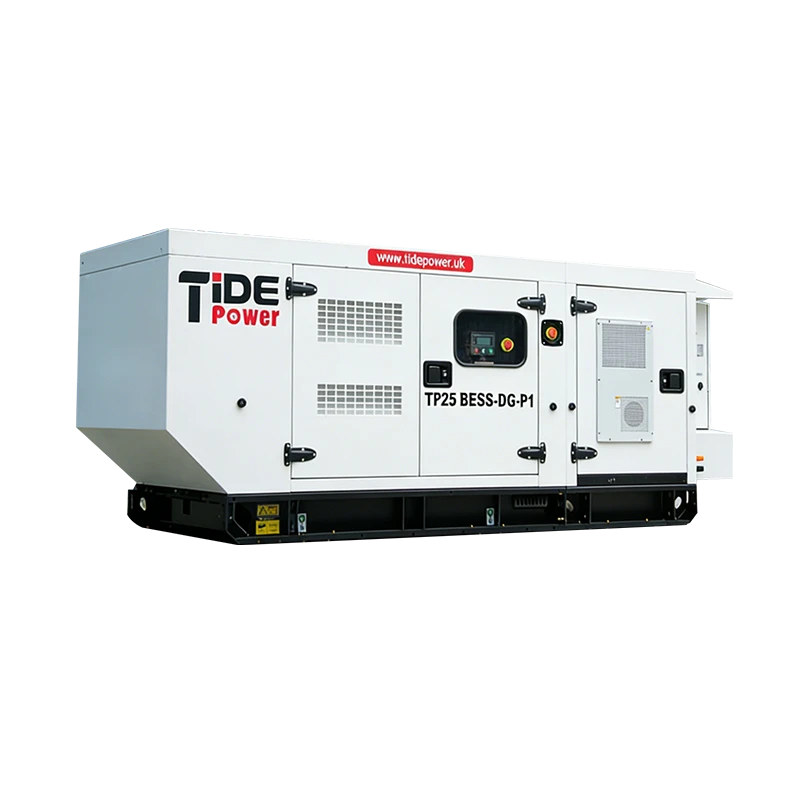
ROI is calculated by dividing the net annual benefit (energy savings, revenue from power sales, avoided downtime) by the total project cost. For example, if a 1 MW low-emission gas generator reduces a factory’s energy costs by $120,000 per year after fuel and maintenance, and the total acquisition cost is $600,000, the simple payback period is five years. With an operating lease that bundles maintenance, the upfront cost drops to $60,000 (10% down), accelerating payback while preserving capital for other priorities.
| Cost Component | Capital Purchase (5-Year) | Operating Lease (5-Year, Full-Service) |
|---|---|---|
| Equipment cost | $600,000 | $0 (financed in lease) |
| Down payment | $600,000 | $60,000 |
| Monthly payments | $0 (if cash purchase) or loan repayment | $12,500 (including maintenance) |
| Total 5-year fuel cost (est.) | $450,000 | $450,000 |
| Maintenance (5 years) | $75,000 | Included |
| Total 5-year outlay | $1,125,000 (cash) or higher with interest | $810,000 (excluding potential buyout) |
| Residual value after 5 years | $200,000 | $0 unless purchased |
These figures are illustrative and depend on site conditions, fuel costs, and the specific lease terms. If your program involves variable load profiles or dual-fuel capability (natural gas with biogas backup), the financing model should include OEM commissioning support to validate performance from day one. Reach out at [email protected] to confirm technical-financial alignment before finalizing your BOM.
What is the total cost of ownership (TCO) for gas generators?
TCO captures equipment cost, financing charges, fuel consumption, scheduled and unscheduled maintenance, and end-of-life disposal or residual value. For gas generator sets, fuel efficiency is the dominant long-term cost driver. Selecting a high-efficiency model like the MWM series can lower fuel use by 5–10% compared to older designs, which over a 10-year project translates into substantial savings that often outweigh a higher upfront lease payment.
Financing International Gas Generator Projects: Key Considerations
Cross-border energy projects introduce currency exposure, varying import duties, and the need to work with local financial institutions. A project I reviewed in Southeast Asia lost 12% of its budget to exchange-rate swings because the equipment lease was denominated in a currency that strengthened against the local baht. When structuring a gas generator project across multiple countries, I insist on locking in financing terms that account for currency hedging costs and potential tariff changes—a detail that generic lease calculators miss.
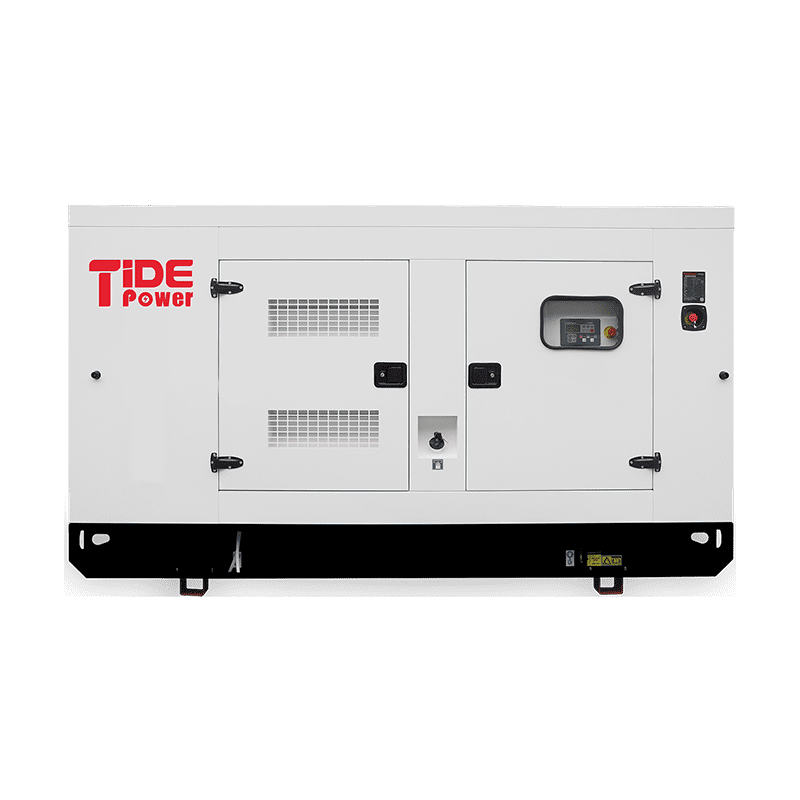
How do you finance an international gas generator project?
International project finance often uses a special-purpose vehicle (SPV) that isolates project assets and cash flows. Lenders focus on the projected revenue stream from the power output rather than the sponsor’s corporate balance sheet. This demands robust feasibility studies, offtake agreements, and sometimes political risk insurance. OEM-backed financing can simplify this by providing equipment with performance warranties that lenders value.
Managing currency risk in cross-border generator financing
If the generator is purchased in USD but the revenue is in a local currency, a depreciation can blow up the debt-service ratio. Mitigation strategies include:
- Currency swaps to fix the exchange rate for payments
- Multi-currency lease agreements that shift some FX risk to the lessor
- Structuring payments in the revenue currency where the OEM or its financing partner has local entities
Tide Power, with its global supply footprint and OEM partnerships, can coordinate transactions in multiple currencies, reducing the burden on project sponsors.
Steps to Secure Gas Generator Financing from OEMs
Securing OEM-backed financing typically follows a structured path:
- Define project parameters: Specify power output, fuel type (natural gas, biogas, or LPG), emission standards (e.g., EPA, EU Stage V), and site conditions.
- Request proposals: Reach out to OEMs and their authorized partners for financing quotes. Compare not only interest rates but also bundled services like maintenance, training, and performance guarantees.
- Prepare documentation: Audited financial statements, project feasibility study, and any environmental permits are standard requirements.
- Negotiate terms: Focus on early buyout options, upgrade clauses, and penalty caps for early termination.
- Commission with validation: Confirm that the generator meets rated output and emission levels before accepting the lease commencement.
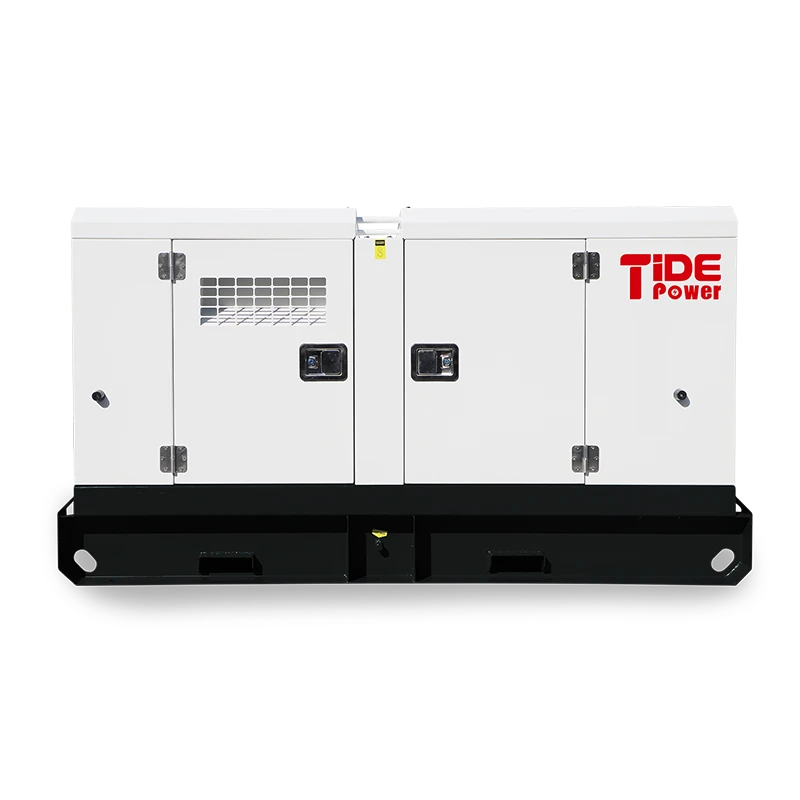
Do manufacturers offer financing for gas generators?
Yes, many major engine and generator manufacturers offer financing programs directly or through captive finance arms. As an authorized OEM partner for MWM gas generators, Tide Power can facilitate financing packages that align the lease term with the project’s expected payback period, including options for deferred payment during commissioning.
What to prepare for an OEM financing application
Lenders will typically request three years of company financials, a detailed project pro forma showing revenue or cost savings, an equipment specification sheet, and any relevant environmental compliance certificates. A strong application emphasizes stable cash flows and a clear power off-take arrangement.
The Right Financing Structure Protects Long-Term Project Viability
The decision to lease, buy, or finance a gas generator set through an OEM program shapes a project’s financial resilience for years. An operating lease with a performance guarantee from the manufacturer directly addresses the risks that keep energy developers up at night: technology obsolescence, unexpected maintenance costs, and capital lockup. Instead of treating financing as an afterthought, project teams that engage OEM partners early in the planning process secure terms that match the asset’s operational profile.
Share your project specifications—power output, fuel type, and site location—with our team at [email protected] or call +86 591 2806 8999. We will confirm the financing structures available for your gas generator set and provide a preliminary term sheet aligned with your project timeline.
Common Questions About Gas Generator Financing
Is a down payment always required for an operating lease?
Not always. Some full-service leases offer 100% financing, rolling all costs into the monthly payment. However, a down payment of 10–20% is common for first-time lessees or in cross-border transactions. It reduces the lessor’s risk and typically results in a lower monthly rate.
What credit profile is needed for gas generator financing?
Lenders evaluate the project’s cash flow more than the sponsor’s credit rating, especially in non-recourse project finance. For corporate leasing, a strong balance sheet and stable revenue history help secure better terms. Startups or special-purpose entities may need to provide parent company guarantees.
Are there green incentives or tax benefits for low-emission gas generators?
Many jurisdictions offer accelerated depreciation, investment tax credits, or carbon reduction subsidies for high-efficiency gas generators, particularly those running on biogas. In the European Union, combined heat and power (CHP) installations may qualify for feed-in tariffs. Always consult a local tax advisor, as eligibility varies.
How does generator efficiency affect financing eligibility?
Higher electrical efficiency directly improves the project’s financial metrics, making it easier to secure favorable loan terms because the debt-service coverage ratio improves with lower fuel costs. A generator like the MWM series, with documented efficiency above 44%, strengthens the project’s bankability. If your fuel supply includes variable-quality biogas or wellhead gas, confirm that the generator’s fuel flexibility is documented and supported by the OEM, as this directly impacts your financing model. Share your fuel analysis with us at [email protected] to verify compatible configurations.
If you’re interested, check out these related articles:
Successful Synchronization of 7 Gas Gensets in Africa
How to Choose a Generator at Tide Power