
 EN
EN ZH
ZH FR
FR ES
ES AR
ARAfter a decade in global energy procurement, I’ve learned that the question “what does a diesel generator cost?” has no single answer — and any price guide that gives you one number per kVA is missing the point. Diesel generator pricing in 2026 reflects a convergence of manufacturing geography, supply chain stability, engine brand selection, and after-sales infrastructure that varies dramatically by region and application. Whether you’re sourcing a 50 kVA standby unit for a telecom site in Southeast Asia or a 2 MW continuous-duty system for a mining operation in West Africa, the price you ultimately pay depends on decisions most buyers don’t know they’re making until after the quotation arrives.
The Core Factors That Determine Diesel Generator Pricing
A diesel generator set is not a commodity product, and the gap between a budget quotation and a premium one for the same kVA rating can exceed 40%. The spread comes from four variables that procurement teams need to evaluate before comparing prices.
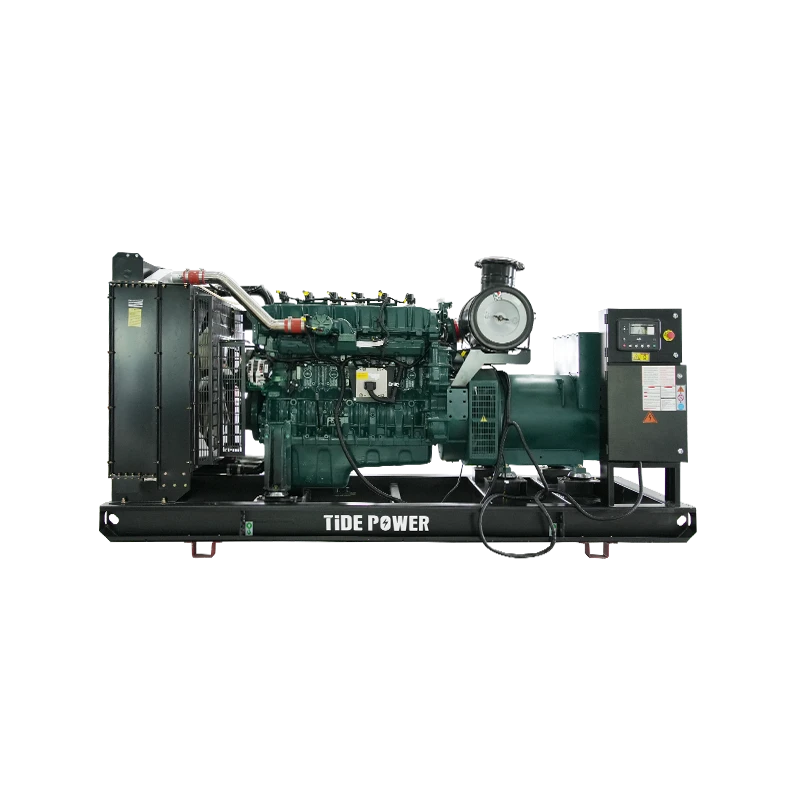
The engine accounts for roughly 50% to 65% of the generator set cost, and the brand tier matters enormously. A unit powered by a global Tier 1 engine — Cummins, Perkins, MTU — commands a premium not just for the name but for a global service network, parts availability in remote markets, and emissions compliance documentation that local alternatives may not provide. In projects I’ve supported across multiple continents, the engine brand decision has been the single largest cost variable, and the cheapest option at purchase has occasionally become the most expensive one two years into operation when spare parts proved unavailable.
The alternator is the second major cost driver. Industrial-grade alternators from established manufacturers carry a price premium that reflects tighter voltage regulation, better motor starting capability, and longer winding life under high-temperature operation. For critical applications — hospitals, data centers, pharmaceutical manufacturing — this is not an area to compromise. For construction site temporary power, a mid-tier alternator may serve adequately.
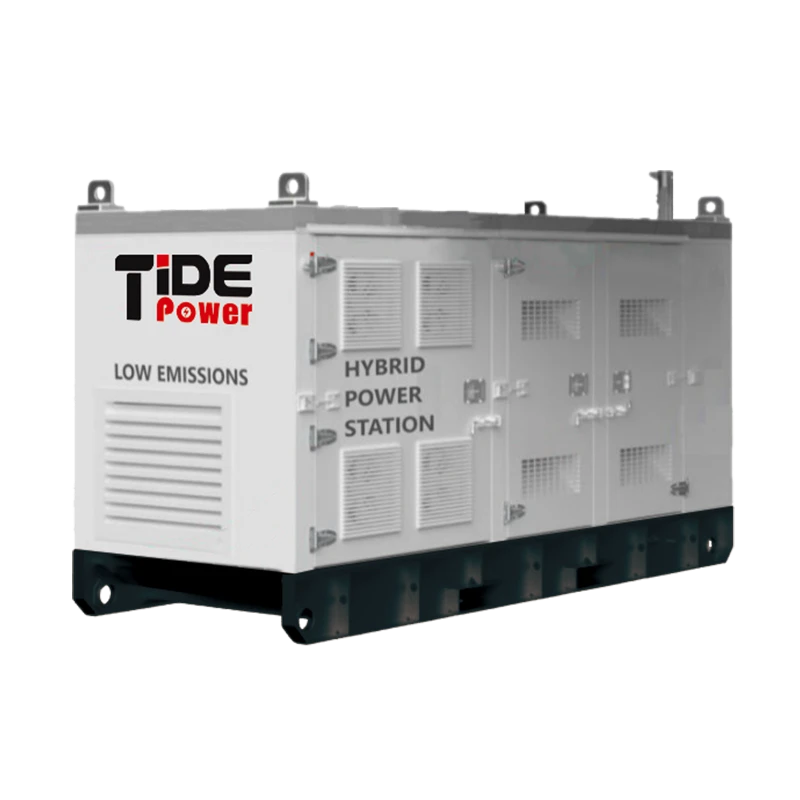
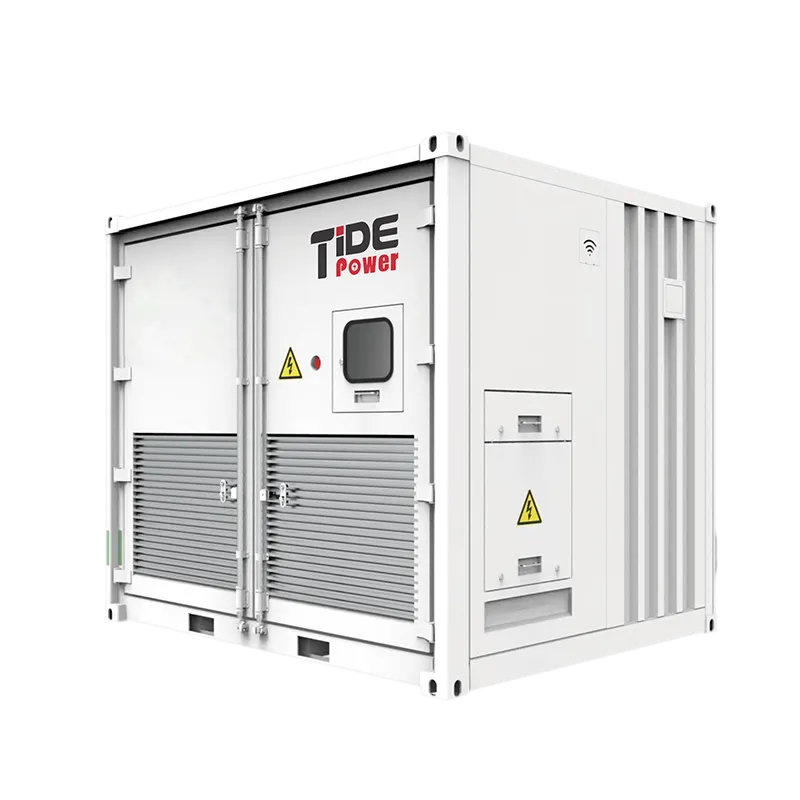
Beyond the core power system, the canopy configuration changes the price substantially. A containerized unit adds 15% to 25% to the base cost but delivers integrated fuel storage, sound attenuation, and plug-and-play deployment that eliminates separate civil works. For projects in remote or security-sensitive locations, I’ve observed that the containerized premium pays for itself in reduced site preparation and faster commissioning.
Certification requirements represent a cost layer that first-time buyers often miss. CE marking, ISO compliance documentation, and region-specific certifications like SASO for Middle East markets or SONCAP for Nigeria add both direct testing costs and engineering overhead. A generator set that meets only basic factory testing standards will quote lower than one with full international certification — but may be non-compliant at the destination port.
How Global Manufacturing Affects 2026 Generator Costs
The geography of generator manufacturing shifted noticeably between 2020 and 2025, and the effects on pricing will continue through 2026. Understanding where and how a generator set is built matters as much as the specification sheet.
Chinese manufacturing remains the dominant force in the global diesel generator market, but the label now spans a wide quality and price spectrum. At one end, integrated manufacturers operating modern production facilities with ISO-certified processes produce generator sets that match international quality standards while holding a 20% to 35% cost advantage over European or North American equivalents. The gap comes from supply chain density — engine manufacturing, alternator production, steel fabrication, and control systems concentrated within accessible logistics corridors — plus lower labor costs in skilled manufacturing roles.
At the other end, assembly operations that source components opportunistically can offer lower prices that sometimes mask quality inconsistencies. In my experience evaluating generator suppliers for international projects, the difference between an integrated manufacturer and a component assembler becomes visible in weld quality, paint system durability, wiring harness routing, and load test documentation — details that matter when the unit is commissioned 8,000 kilometers from the factory.
A practical development in 2025–2026 is the rise of CKD generator platforms. These systems ship in modular form for local assembly, reducing freight volume by up to 60% and allowing importers to qualify for lower tariff classifications in markets that favor semi-knocked-down imports. For buyers in regions with high import duties on finished generator sets — parts of South America, Africa, and South Asia — the CKD route can reduce landed cost by 15% to 30% while still delivering the same core power system. Tide Power’s I Series CKD platform allows configuration around multiple engine brands while maintaining CE and ISO compliance through standardized quality control documentation.
Supply chain conditions through early 2026 remain more stable than the volatile 2021–2023 period, but lead times for specific engine models — particularly larger units above 1,000 kVA — can still stretch to 14–20 weeks. Buyers placing orders in Q1 2026 for mid-year deployment should factor potential expediting costs into their budget, especially for projects with fixed commissioning deadlines.
If your procurement involves multiple units with site-specific configuration requirements — different voltage outputs, varied ambient temperature ratings, or integration with existing fuel systems — it is worth confirming a supplier’s engineering support capability before comparing quotations. A technically competent manufacturer can identify cost-saving specification adjustments early in the process that more than offset a slightly higher unit price. Send your project parameters to [email protected] or call +86 591 2806 8999 and we’ll help assess what configuration trade-offs make sense.
Diesel Generator Price Ranges by Power Rating
The relationship between power rating and price is not linear. Generator set costs step up at specific kVA thresholds where engine platforms change and alternator frame sizes jump. The table below provides indicative ranges based on current 2026 market conditions for industrial-grade silent-type diesel generator sets with internationally recognized engine brands.
| Power Range (kVA) | Indicative Price Range (USD) | Key Cost Variables |
|---|---|---|
| 10–50 kVA | $4,000–$12,000 | Engine brand tier, single vs. three-phase |
| 50–150 kVA | $10,000–$28,000 | Canopy type, alternator brand, certification |
| 150–350 kVA | $22,000–$55,000 | Engine platform change, containerization |
| 350–650 kVA | $45,000–$95,000 | Higher engine tier, fuel system complexity |
| 650–1,650 kVA | $80,000–$250,000+ | Full containerization, parallel capability |
These ranges assume CE-compliant, 50Hz/60Hz configurable units with internationally recognized engines. Prices shift upward for 60Hz-only configurations in markets where that frequency dominates, and downward for open-skid units without enclosures. The jump between 150 kVA and 350 kVA often surprises buyers because it coincides with a move from four-cylinder to six-cylinder engine platforms and a corresponding increase in alternator frame size — this is a genuine engineering threshold, not a pricing strategy.
Engine brand premiums within the same power band typically follow a tiered structure. A generator set powered by a global Tier 1 engine may command 25% to 40% more than one with a regional brand at the same kVA rating. The premium buys global parts availability, established service networks, and emissions certification recognized across multiple regulatory jurisdictions. For single-unit purchases destined for sites with limited technical support, this premium is usually justified. For fleets of identical units deployed near established service centers, a regional engine brand with proven reliability may offer better total cost economics.
Total Cost of Ownership Factors Most Buyers Overlook
The purchase price of a diesel generator set typically represents 30% to 45% of its total lifetime cost. The larger portion flows through fuel consumption, scheduled maintenance, and unplanned service events over a 15- to 25-year operating life. Procurement decisions that optimize only the upfront price often produce higher total costs — sometimes dramatically so.
Fuel consumption is the dominant lifecycle cost driver, and the efficiency difference between engine brands and models at the same power rating can be 8% to 15%. A 500 kVA generator operating 2,000 hours annually at 75% load will consume roughly 65,000 to 75,000 liters per year. A 10% fuel efficiency gap means approximately 7,000 liters annually — at $0.80 to $1.20 per liter in many international markets, that is $5,600 to $8,400 per year, every year, for 15 to 25 years. Over a 20-year operating life, that single specification decision can be worth $110,000 to $170,000 in fuel alone, completely overwhelming the initial purchase price difference between a fuel-efficient engine and a comparable but less efficient alternative. I’ve watched procurement teams celebrate saving $15,000 on a generator purchase while committing their organization to an extra $100,000 in fuel costs over the asset life — the math works silently against the budget.
Maintenance costs follow a predictable pattern but vary by engine brand, operating environment, and service contract structure. Major service intervals at 1,000, 5,000, and 10,000 hours involve consumables, labor, and potentially component replacement. In dusty or high-temperature environments — common across mining, construction, and remote infrastructure projects — service intervals compress and component life shortens. The maintenance cost for a generator operating in a desert mining camp will run 30% to 50% higher than the same model in a temperate urban backup application.
Installation and commissioning costs catch buyers off guard when they compare only equipment prices. A containerized generator with integrated fuel tank, switchgear, and pre-commissioned control systems may cost 20% more than an open-skid unit at the same kVA — but the open-skid unit requires a concrete pad, separate fuel storage and piping, weather protection structure, and on-site electrical integration that can easily add 30% to 50% to the installed cost. The containerized premium often disappears when total installed cost is calculated.
Warranty terms vary significantly across manufacturers and directly affect total cost exposure. A standard 12-month or 1,000-hour warranty covers basic manufacturing defects but excludes consumables and damage from operating conditions. Extended programs covering 24 to 60 months with defined service response times shift risk from the buyer to the manufacturer. For critical applications where downtime costs exceed $1,000 per hour, an extended warranty with guaranteed parts availability often represents cheap insurance against an unplanned major repair in year three or four of operation.
If you’re evaluating generator proposals and need help weighing engine efficiency data, installation estimates, or warranty terms against quoted prices, send your specifications to [email protected] or call +86 591 2806 8999. We work with procurement teams globally to align equipment selection with real operating budgets, not just purchase orders.
Common Sourcing Questions for Diesel Generator Buyers
Is it cheaper to buy directly from a manufacturer or through a local distributor?
Direct manufacturer purchasing typically offers 10% to 20% lower unit pricing, but the comparison shifts when you factor in local support. A local distributor provides installation supervision, commissioning support, and warranty service response that a factory-direct shipment cannot match. For single-unit purchases in regions with established dealer networks, the distributor premium often pays for itself in reduced downtime risk. For multi-unit fleet purchases where the buyer has in-house technical capability, direct manufacturer relationships deliver better long-term economics — particularly when combined with a service-level agreement covering major maintenance intervals.
How much should I budget for installation beyond the equipment price?
Installation typically costs 15% to 40% of the equipment price. A containerized unit at a prepared site with nearby fuel supply may require only crane placement, cable termination, and commissioning — perhaps 10% to 15% of equipment cost. An open-skid unit at a greenfield site requiring a concrete foundation, fuel storage tank, weather enclosure, and long electrical runs can push installation to 40% or more. The single largest variable is civil works — a concrete pad rated for wet weight plus fuel, designed to local seismic and wind-loading codes. Getting a site-specific installation estimate before finalizing the order avoids the most common budget surprise in power generation projects.
What certifications should a diesel generator have for international procurement?
At minimum, CE marking for markets that recognize it, plus ISO 9001 for quality management and ISO 8528 for generator set performance standards. Beyond these, certifications become region-specific: SASO for Saudi Arabia, SONCAP for Nigeria, GOST for Eurasian markets, UL listing for North America. The cost of certification documentation typically adds 2% to 5% to the unit price. Sourcing a generator without the correct certifications can result in customs rejection at the destination port — a cost that dwarfs any certification savings. Work with a manufacturer that can provide destination-specific compliance documentation as part of the standard quotation.
How do I compare diesel generator quotations when specifications differ?
Create a normalized comparison framework. Convert all prices to the same delivery terms — FOB factory, CIF destination port, or DDP final site. Normalize the scope: does each quotation include battery, coolant, oil, exhaust system, circuit breaker, and control panel? Check load test documentation: was each unit factory-tested at full rated load with a resistive load bank, and is a test report included? Compare warranty terms side by side — duration, coverage scope, response time commitments, and whether travel and labor are included. The lowest quotation often excludes items that other suppliers include as standard, and those exclusions surface as change-order costs after the order is placed.
Should I choose a silent-type or open-type diesel generator?
Silent-type generators reduce noise from approximately 100–110 dBA at 1 meter to 70–75 dBA, meeting most urban noise ordinances. Open-type units cost 15% to 30% less but require a dedicated plant room or remote installation. In industrial settings where the generator operates in an isolated power house, the open-type savings are real and sensible. In any location within 50 meters of occupied buildings, the silent-type premium is usually non-negotiable — noise complaints can shut down operations faster than a power failure. Share your site requirements at [email protected] and we’ll help confirm which configuration delivers compliance without unnecessary cost.
If you’re interested, check out these related articles:
Tide Power to Showcase Innovative Energy Storage Solutions at TSEE 2025
Light Up the Night, Sustainably: The Solar Hydraulic Lighting Tower Revolution
Generator Maintenance for Dry and Dusty Conditions: Ensuring Reliability Through Seasonal Changes
Tide Power Launches B Series Dry Suction Sewage Pumps: No Priming, No Clogs, No Downtime
Tide Power – Celebrating Tradition, Powering Innovation