 EN
EN ZH
ZH FR
FR ES
ES AR
ARIf you are sourcing a diesel generator in 2026, the price on the specification sheet rarely tells the full story. Engine pedigree, enclosure configuration, regional compliance, and freight logistics can shift the landed cost by 30% or more. I have spent over a decade supporting energy infrastructure projects across multiple continents, and I see the same budgeting blind spots repeat. This diesel generator price guide outlines what shapes current pricing, where hidden costs accumulate, and how to read a quotation like a professional procurement engineer.
How Diesel Generator Prices Are Built in 2026
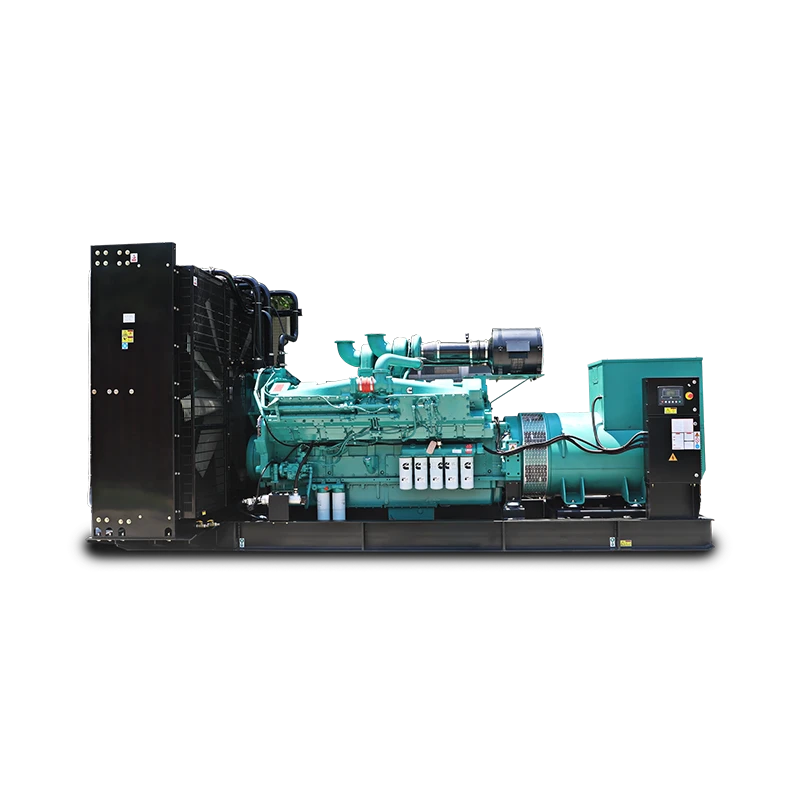
A generator set is an assembly of precisely engineered subsystems, and the largest cost driver is always the engine. Depending on the power rating, the engine and alternator together account for 60–70% of the ex‑works price. Brands such as Lister Petter, Perkins, Cummins, DEUTZ, and Baudouin each carry a different cost structure, and the difference is not only brand premium. It also reflects emission certification levels, service network coverage, and the expected overhaul interval.
The enclosure adds the next big chunk. A simple open skid is the most economical, but most stationary installations require a weather‑protected or sound‑attenuated canopy. At Tide Power, a silent type enclosure with a 2 mm thick steel canopy and front ventilation can raise the base cost by 12–18% compared with an open set, depending on the power rating.
Control systems and certification complete the picture. A basic Deep Sea controller is standard on many generators, but parallel operation, remote monitoring, and grid‑synchronisation modules push the price upward. Mandatory certifications such as CE or ISO are baseline; region‑specific compliance like AS1940/AS1692 for fuel tanks or EPA emissions approval adds testing and engineering costs that the factory cannot absorb in a standard price list.
| Cost Component | Typical Share of Ex‑Works Price |
|---|---|
| Engine assembly | 42–48% |
| Alternator | 18–22% |
| Enclosure & base frame | 12–18% |
| Control panel & wiring | 8–12% |
| Certification & documentation | 3–5% |
| Factory margin & warranty reserve | 5–8% |
Diesel Generator Price by Power Rating
Price per kilowatt drops as the rated power climbs, but the absolute commitment obviously grows. Three broad bands help set realistic budget expectations for 2026 orders.
For small standby sets in the 10–30 kVA range, FOB prices typically start at $3,200 and reach $8,500, reflecting the cost of compact engines and simplified enclosures. A 20 kVA Lister Petter silent set, for example, often lands between $5,000 and $6,800 before freight.
The 50–200 kVA mid‑range is where most commercial and light industrial installations sit. Expect FOB prices from roughly $10,000 for a basic 50 kVA unit up to $40,000 for a fully configured 200 kVA generator with a high‑end engine and advanced controls. At this level, alternator brand and enclosure options can swing the quote by $3,000–$5,000.
Above 500 kVA, the generator moves into prime power territory. A 500 kVA silent diesel generator powered by a MTU or equivalent engine will often cost $60,000–$90,000 FOB. Containerized solutions and parallel-capable switchgear add further cost but are often necessary for mining or data center applications.
If your program involves high ambient temperatures above 45°C or altitude derating, it is worth confirming the exact conditioned rating before finalizing your equipment list. Reach out at [email protected].
Three Hidden Costs That Surprise First-Time Buyers
The gap between the ex‑works price and the generator sitting on your site, fully commissioned, catches many project planners off guard.
Freight and logistics are the first surprise. A 20‑foot container can hold a 100 kVA silent generator, but remote sites often require partial shipments, multi‑modal transport, and port handling that can add 8–15% to the total project cost. Customs duties vary by country, typically ranging from 5% to 20% of the CIF value, and misclassifying the equipment as general machinery instead of a power generation set can trigger penalties.
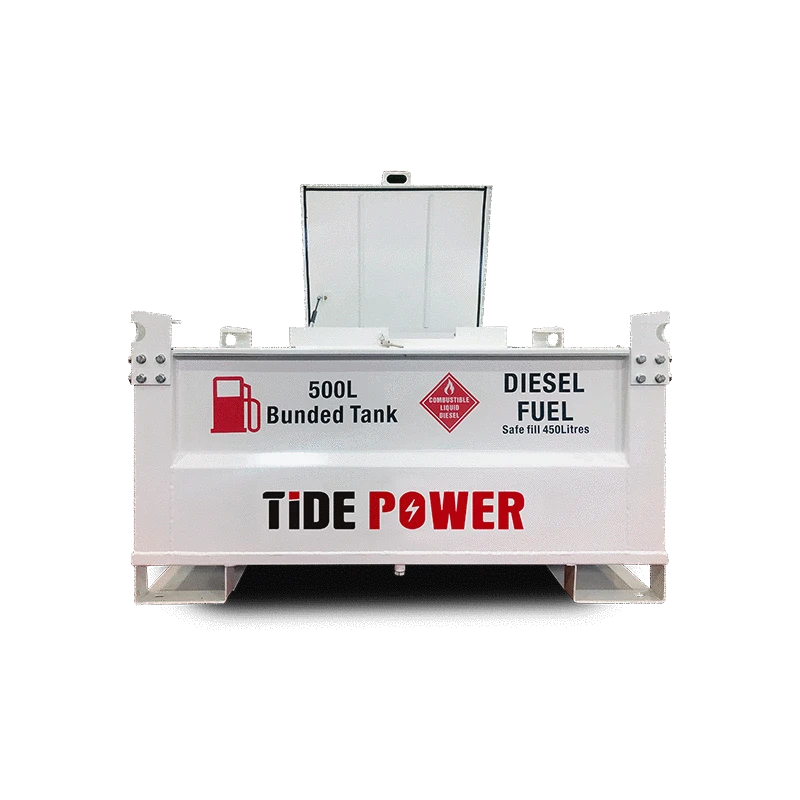
Site preparation is the second. The generator needs a reinforced concrete plinth, a properly sized fuel tank, exhaust routing, and cable trenches. A stand‑alone external fuel tank with AS1940 certification, for example, is a separate item that can cost $2,000–$5,000 depending on capacity. These items rarely appear on the generator supplier’s base quote unless explicitly requested.
Commissioning rounds out the hidden cost column. Load bank testing, fuel system flushing, and a service engineer’s site visit are not always part of the standard package. A full cold commissioning and site acceptance test can cost $3,000–$8,000 depending on location, and omitting it creates risk that the warranty terms will not be honored.
Sourcing a Diesel Generator for International Projects
Buyers who deal directly with the manufacturer rather than through multiple tiers of distribution get two advantages: traceability over the build quality and the ability to negotiate a specification rather than just a price.
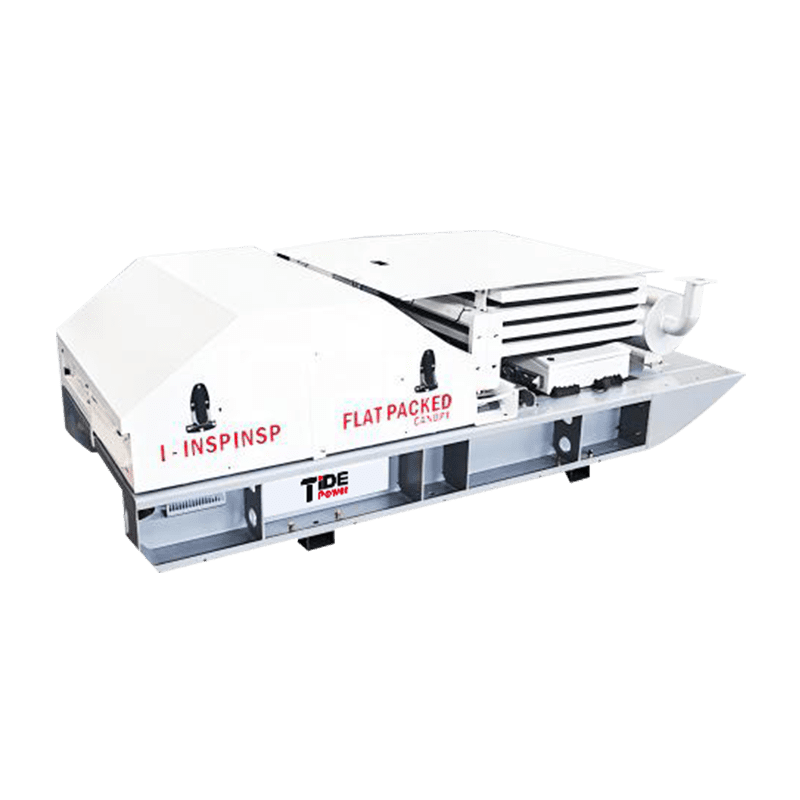
A modern manufacturer’s offering often includes CKD (completely knocked down) platforms that allow you to select the engine, alternator, and accessories to match the destination country’s standards and your maintenance team’s familiarity. The I Series (CKD) from Tide Power, for instance, is designed so that a workshop in an overseas market can assemble and commission the unit with local labor, which can substantially reduce shipping volume and import duty exposure.
 Request a factory acceptance test report and, if the budget allows, arrange a third‑party inspection before the generator leaves the loading bay. A supplier who readily shares quality records and past project references in your industry is usually one who will also honor after‑sale commitments.
What to Look for in a Diesel Generator Quotation
When comparing proposals, the ones that deserve serious attention share several structural qualities. The scope of supply must be exhaustive: base frame, vibration isolators, exhaust silencer, battery, charger, coolant heater if the site is cold, first‑fill fluids, and a documentation package that includes wiring diagrams and a parts list. A missing line item is a future change order.
Warranty terms deserve the same scrutiny as a contract clause. The industry standard is 12 months from commissioning or 1,000 operating hours, whichever comes first. Extended warranties of 24 months are sometimes available for engines from premium brands. Ask how warranty claims are processed—directly with the manufacturer or through a local agent—because that determines downtime.
After‑sales support separates transactional suppliers from partners. Confirm whether the manufacturer stocks critical spare parts in a regional warehouse and how quickly a service engineer can be mobilised to your site. For mining or telecom projects where uptime is revenue, a four‑week parts delay is not acceptable.
The purchase of a diesel generator is a supply chain decision, not a commodity transaction. Matching the right technical specification with a supplier who can support the equipment long after delivery protects the investment far more than chasing the lowest unit price. If you have a requirement and want to validate the configuration against real‑world conditions, send your part number and quantity to [email protected] or call +86 591 2806 8999 for a detailed discussion.
Common Questions About Diesel Generator Pricing
Are diesel generator prices expected to change significantly through 2026?
Prices are unlikely to drop. Engine castings, copper for alternator windings, and specialty steel for enclosures have all seen steady upward pressure. Freight rates have moderated from the extreme peaks of 2022 but remain above pre‑pandemic levels. Procurement teams that lock in specifications early and confirm lead times typically get better pricing than those buying on short notice, because a factory that can batch production with other orders passes on savings.
What is more cost‑effective, renting or buying a diesel generator?
If the need extends beyond 12–18 months of continuous operation, purchasing almost always wins on total cost. Rental makes sense for construction sites where the generator leaves after a project or for emergency bridging power. A common mistake is comparing the rental monthly fee directly with the purchase price amortized over the same period without accounting for the residual value of a maintained owned asset.
How much should I budget for shipping and import duties?
A practical range is 10–25% of the FOB value, with the higher end applying to landlocked destinations or countries with elevated duty rates on capital equipment. Working with a forwarder who regularly handles heavy machinery avoids classification errors, and requesting a DAP or DDP quotation from the manufacturer can cap logistics risk.
Do I need a silent enclosure, and what does it cost?
Silent enclosures add roughly 12–18% to the generator price, but in urban, hospital, or residential standby applications they are often non‑negotiable because local noise ordinances require sound levels below 70 dBA at 7 meters. For a remote mining camp or agricultural site, an open skid with a weather canopy may be sufficient and substantially cheaper. Confirm the actual sound pressure level requirement in your contract, not just the description “silent.”
What warranty should I expect on a diesel generator?
Most manufacturers offer 12 months or 1,000 operating hours. Engine‑specific extended warranties up to 24 months are available on request and can be valuable for remote installations where mobilizing a technician is costly. The warranty document should spell out whether travel, accommodation, and consumables during a service visit are covered; if they are not, factor those into the lifecycle budget. Share your requirements and we can confirm the standard coverage terms available with the engine brand you are considering.
If you’re interested, check out these related articles:
Tide Power staff conference ends successfully
Successful delivery of 3 diesel gensets to Tide Power‘s value customer in Saudi Arabia
Earth Day: Powering a Sustainable Future with Tide Power