 EN
EN ZH
ZH FR
FR ES
ES AR
ARDiesel generator maintenance costs are best controlled not by minimizing service frequency but by starting with a reliable engine and strong global supplier support network. Many industrial operators focus narrowly on initial purchase price and short-term service tricks, overlooking how their procurement choices ripple through decades of operating expenses. In my work with energy projects across continents, I have seen how the right supplier reduces downtime risk and keeps maintenance budgets predictable even under tough conditions, while poorly supported equipment leads to escalating costs and operational headaches. Understanding the real drivers of maintenance expense and aligning your sourcing strategy accordingly is the most effective step toward long-term cost control.
What Actually Drives Diesel Generator Maintenance Costs
The total cost of maintaining an industrial diesel generator extends well beyond the price of oil and filters. Several categories contribute: consumables and routine service parts, major overhauls, skilled labour, and the hidden cost of downtime when equipment is unavailable. Environmental factors such as high dust levels, extreme humidity, or altitude accelerate wear on components like air filters, injectors, and cooling systems. A standby generator in a clean indoor setting may need only an annual inspection, while a prime power unit running in a desert mining site can require service every 200 hours.
Fuel quality is another underappreciated variable. Contaminated or off-spec fuel fouls injectors and clogs filters, raising both parts replacement frequency and the risk of unexpected failure. Similarly, the cooling system, if neglected, leads to overheating that shortens engine life dramatically. Labour costs also differ by region; in remote locations without a local dealer, even a simple oil change can become a logistical expense.
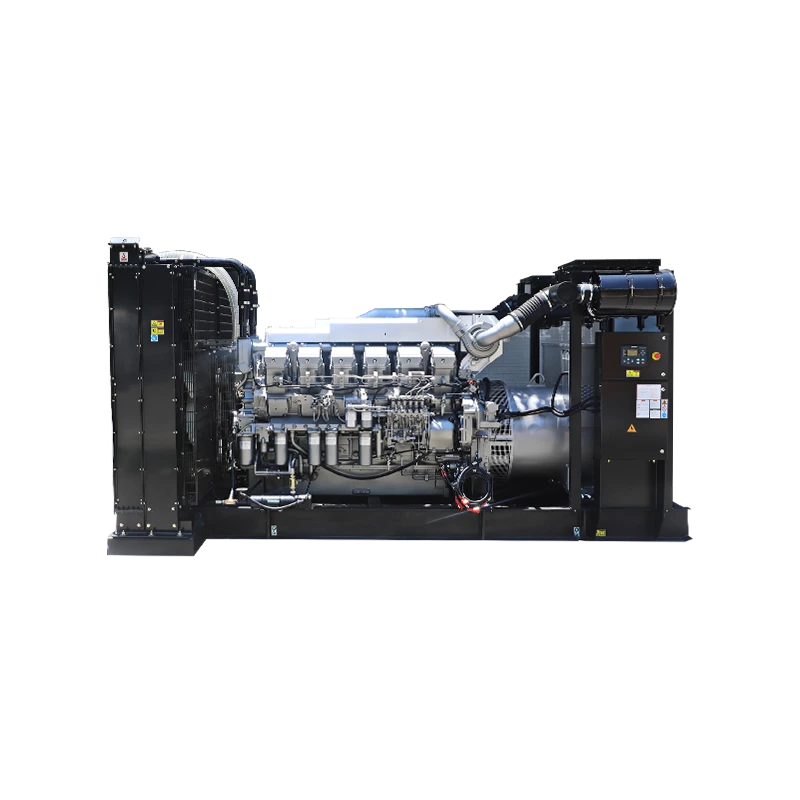
While the table below provides approximate cost ranges for budgeting, actual expense depends on engine size, brand, and local market conditions.
| Maintenance Item | Approximate Cost Range (USD) | Comment |
|---|---|---|
| Engine oil and filter change | $200 – $500 | Per service; frequency varies by duty |
| Air filter replacement | $50 – $150 | Often annual; more often in dusty sites |
| Fuel filter replacement | $80 – $200 | Linked to fuel quality and usage |
| Coolant flush | $300 – $600 | Every 2–3 years or per manufacturer |
| Minor service (labour included) | $500 – $1,200 | Annual package including consumables |
| Major overhaul | $5,000 – $20,000+ | Engine-dependent, typically at 15,000–30,000 hours |
These ranges assume OEM parts and factory-trained labour. Aftermarket alternatives can reduce upfront cost but often introduce compatibility risks that increase long-term expense.
How Engine Brand and Design Impact Long-Term Maintenance
The engine at the heart of a diesel generator set is the dominant factor in maintenance cost over the equipment’s life. Different manufacturers engineer for different duty cycles and service intervals. Global brands like Cummins, Perkins, and Lister Petter offer wide parts availability and established service networks, which directly affect how readily and affordably maintenance can be performed. For instance, generators built around Lister Petter engines, such as those in Tide Power’s Fenova series, are designed for extended service intervals and reduced maintenance overhead, thanks to durable engineering and accessible component layout.
Conversely, choosing a lesser-known or purely regional engine platform might save money at purchase but can make sourcing even routine filters a recurring headache. When replacement parts must be air-freighted from a single factory, both the cost and the downtime multiply. In projects I have consulted on across Africa and Southeast Asia, a switch to a globally recognized engine platform cut unscheduled maintenance stops by more than half simply because local technicians knew the product and parts were on the shelf.
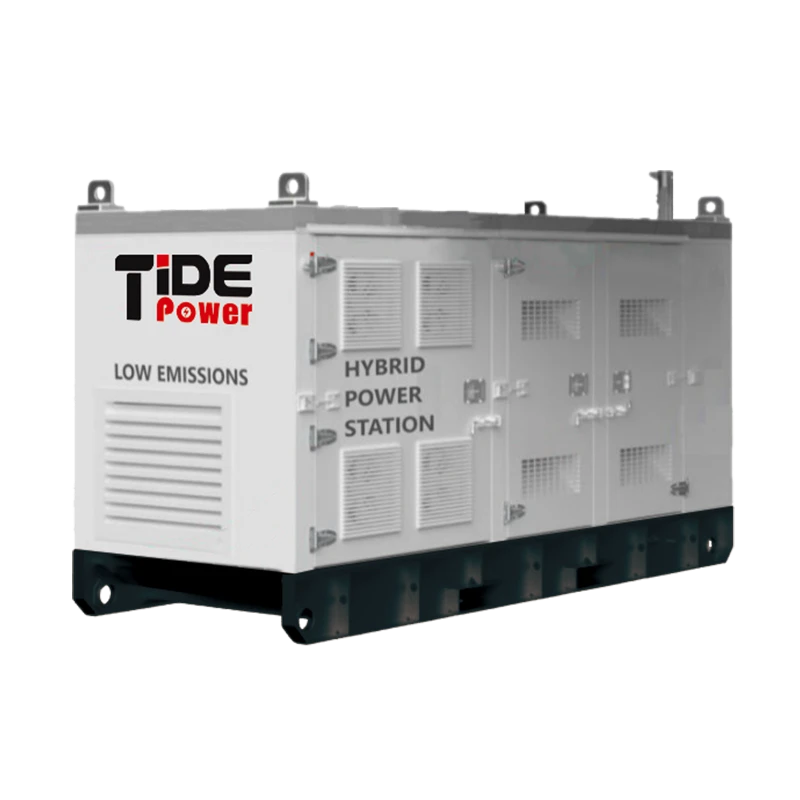
Another design factor is the generator’s overall configuration. Silent-type enclosed units, common in Tide Power’s Econic and Hemera series, protect the engine from weather and debris, reducing environmental wear. Features like a large fuel tank and vertical ventilation system not only improve performance but also lower the frequency of refuelling and cooling system interventions. Investing in a well-designed set from the outset pays for itself many times over through fewer service visits and longer overhaul intervals.
Cost-Saving Strategies That Do Not Compromise Reliability
Reducing maintenance expense is not about skipping service steps. It is about making each service action more effective and avoiding the expensive failures that come from neglect.
Preventive maintenance is the foundation
A structured preventive maintenance plan, aligned with the engine manufacturer’s schedules, detects wear before it turns into costly breakdowns. Replacing a $200 set of filters on time prevents a $15,000 injector pump failure. For sites with limited technical staff, telematics and remote monitoring can track running hours and alert operators to upcoming service needs, eliminating guesswork.
Fuel and coolant quality matter
Diesel fuel contamination is one of the most common yet preventable causes of high repair costs. Installing a proper fuel polishing system and using high-quality filters protects the entire fuel system. Similarly, maintaining the correct coolant mix and performing flushes on schedule prevents corrosion that silently erodes engine internals.
OEM parts vs. aftermarket
While aftermarket filters and belts may cut the parts bill by 20–30%, they can void the generator’s warranty and fail earlier under heavy loads. For critical components like fuel injectors, turbochargers, and control modules, OEM parts are almost always the safer long-term investment. Aftermarket parts can be acceptable for non-critical items if they come from a reputable manufacturer and match the original specification exactly.
Training and local capability
Even the best maintenance schedule fails if the people executing it lack training. Investing in operator and technician training, whether through the generator supplier’s program or a local trade school, leads to faster fault diagnosis and fewer repeat repairs. Some suppliers, including Tide Power, include installation and basic maintenance training with generator delivery, a benefit that directly lowers the cost and risk of early-life failures.
The Overlooked Value of Global Supplier Support Networks
When buyers evaluate diesel generators, they tend to focus on kilowatts and price tags, ignoring the support infrastructure that will determine how much they spend on maintenance over the subsequent twenty years. A supplier with a well-established global network of distributors and service centres shortens the path from breakdown to resolution.
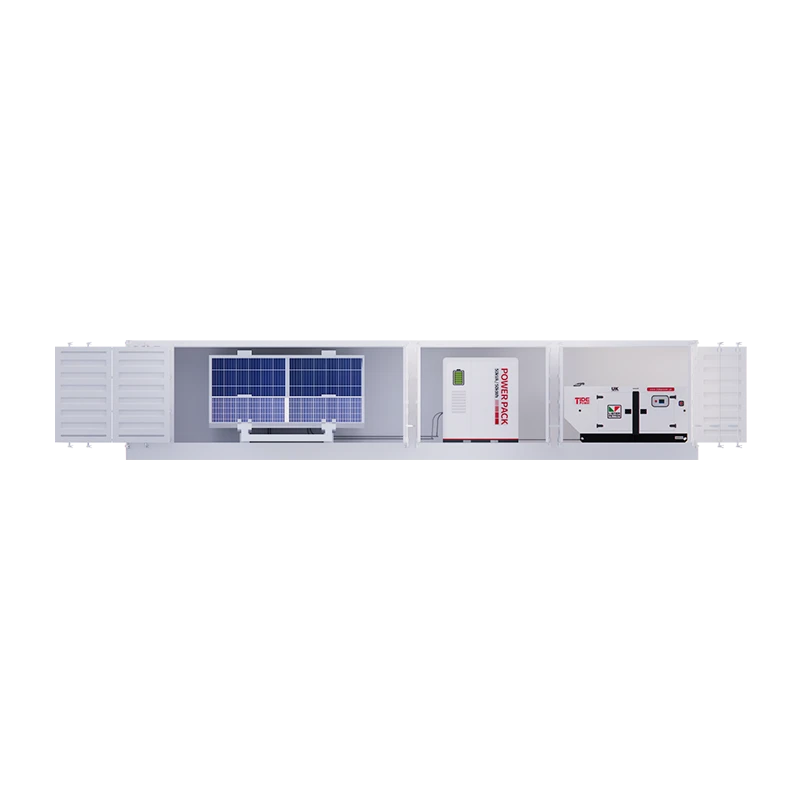
For international projects, having a local distributor stocked with common parts is the single biggest lever for keeping maintenance costs predictable. Without local support, importing a single gasket or sensor can cost hundreds of dollars in freight and weeks of downtime. Tide Power, for example, has built its distribution across multiple continents, so generators deployed in Africa, the Middle East, or Southeast Asia are supported by nearby teams who know the product and carry essential spares.
Beyond parts availability, a global supplier often provides technical guidance, troubleshooting assistance, and even remote monitoring capabilities. This infrastructure transforms maintenance from an emergency-driven scramble into a planned, budgeted activity. In one remote mining project I observed, having an OEM-trained technician stationed at the site substantially reduced reactive repair costs compared to flying in independent contractors from the capital for every issue.
Contracts with such suppliers also frequently include periodic inspections and software updates that improve fuel efficiency and catch developing problems early — benefits that simply do not exist when buying from a supplier with no local presence.
Taking the Next Step Toward Lower Maintenance Costs
Unexpected maintenance expenses and unplanned downtime can erode the profitability of any industrial operation, but they are not inevitable. The single most effective strategy for keeping diesel generator maintenance costs in check is to partner with a supplier that combines proven engine reliability with an extensive global service network. To discuss how Tide Power’s generator sets with proven engine reliability and a worldwide service network can help control your long‑term maintenance costs, contact us at [email protected] or call +86 591 2806 8999. Share your project requirements and we will help you build a cost‑effective power solution.
Common Questions About Industrial Generator Maintenance Costs
How often should an industrial diesel generator be serviced?
Service intervals depend on the manufacturer’s schedule, duty cycle, and environment. Standby generators typically require an annual inspection and load test. Prime or continuous power units may need an oil and filter change every 250 hours in clean conditions, or every 150–200 hours in dusty or high-temperature environments. Following the OEM’s recommended maintenance plan is the best way to avoid unexpected breakdowns.
Does using non‑OEM parts void the warranty?
Some operators believe that as long as a part fits, it is good enough, but many manufacturers will void the warranty if non‑OEM parts cause a failure. Even outside the warranty period, OEM parts are designed to exact tolerances and are tested together with the engine. For critical systems like fuel injection and control modules, the small savings from an aftermarket substitute rarely justify the increased risk of failure and subsequent downtime.
Is a maintenance contract worth the extra cost?
It depends on how critical the generator is to your operation and your access to skilled labour. For facilities where downtime cannot be tolerated, a full‑service contract provides guaranteed response times, scheduled inspections, and fixed monthly costs that simplify budgeting. For operations with in‑house technicians and frequent equipment turnover, a limited contract covering major overhauls and emergency support may be more cost‑effective. In most cases, a hybrid approach yields the best balance between cost and reliability.
How does operating environment affect maintenance costs?
The more severe the environment, the more frequent and costly maintenance becomes. Dust clogs air filters and accelerates cylinder wear; high humidity promotes corrosion in electrical connections; extreme altitude reduces engine efficiency and can demand more frequent injector cleaning. If your site faces any of these conditions, specifying a generator with enhanced air filtration, anti‑corrosion coatings, and cooling system upgrades during procurement will pay for itself quickly through lower service bills.
What is the typical lifespan of an industrial diesel generator with proper maintenance?
In projects I have followed over the years, a well-maintained industrial diesel generator can reliably deliver power for 20 to 30 years, or upwards of 30,000 operating hours before a major overhaul. The key is consistent preventive maintenance, using genuine parts, and addressing small issues before they escalate. If you are projecting long‑term operating costs for a new facility, share your requirements with us and we will help confirm the right generator specification and maintenance plan for your expected duty cycle.
If you’re interested, check out these related articles:
Tide Power’s gas gensets for CHP
Register to visit Tide Powers stand NO.4.B13 at Nigeria Energy
Tide Power Attended the Belt and Road Summit
Join Tide Power at BIG 5 Construct Saudi on stand 4D78
Tide Power Marks 20 Years: A Night of Gratitude, Innovation, and Shared Vision