 EN
EN ZH
ZH FR
FR ES
ES AR
ARMost discussions about landfill gas generators stay at the environmental benefit level, but project developers quickly discover that making a waste-to-energy concept work depends on one factor that no marketing brochure fully captures: the raw gas itself. Landfill gas is inconsistent, corrosive, and full of variables that directly determine whether a generator set delivers stable power or becomes a maintenance headache. This article addresses the engineering and selection reality behind landfill gas generators, with specific attention to gas quality, engine compatibility, and the long-term serviceability that separates a viable project from a stranded asset.
How Landfill Gas Generators Convert Methane into Electricity
At the core of any landfill gas-to-energy installation is an internal combustion engine designed to run on gaseous fuel rather than liquid diesel. The generator set draws cleaned and conditioned landfill gas, mixes it with air, and ignites the mixture to drive an alternator that produces electrical power. The process is conceptually straightforward, but the fuel side is where the practical challenges begin.
Landfill gas typically contains 40 to 60 percent methane, with the balance made up of carbon dioxide, nitrogen, and trace compounds including hydrogen sulfide and siloxanes. This composition varies not only from site to site but across different zones and depths within the same landfill. A generator that performs reliably with 55 percent methane may struggle with 40 percent methane, and no two days necessarily deliver the same gas quality. For this reason, the generator control system must respond to fluctuating fuel energy content without tripping offline, and the engine must tolerate a broader fuel window than a natural gas unit would ever see.
The electricity generated can be used on site, fed into the grid, or combined with a heat recovery system for combined heat and power, an option that improves overall project economics. In every case, the economics hinge on engine runtime and maintenance costs, both of which are driven by gas composition far more than by the generator’s nameplate rating.
Gas Quality Is the Factor That Determines Generator Survival
I have worked on multiple international landfill gas projects where the initial feasibility study looked favorable on paper, only for the reality of variable gas quality to surface within the first few hundred operating hours. Landfill gas contains contaminants that attack engine components in three primary ways: acidic corrosion from hydrogen sulfide, abrasive silica deposits from siloxane combustion, and condensation-related issues from high moisture content. Any of these can cut engine life in half compared to a clean natural gas application if not addressed at the design stage.
Hydrogen sulfide, even at low parts-per-million levels, forms sulfuric acid during combustion and attacks cylinder liners, piston rings, and exhaust valve seats. Engines running on landfill gas require specialized materials such as chrome-ceramic coated cylinder liners, hardened valve seats, and higher TBN lubricating oil to neutralize acid buildup. The oil change interval itself becomes a function of sulfur load rather than engine hours, a reality many first-time operators underestimate.
Siloxanes are another hidden threat. These silicon-containing compounds enter the landfill gas stream from everyday waste such as cosmetics and industrial products. When burned, they form hard silica deposits that coat combustion chambers and spark plugs, and sandblast turbocharger blades in the exhaust stream. Pre-treatment with activated carbon or silica-specific filtration is mandatory for any installation that expects to achieve a 60,000-hour engine overhaul interval.
Moisture and temperature further complicate the picture. Landfill gas emerges warm and saturated with water vapor; if the gas cools in the piping, condensation carries acidic droplets into the engine intake. Active gas chilling, condensate traps, and heated fuel lines are standard practice for installations in temperate or tropical climates. The lesson from field experience is clear: the pre-treatment skid is not an accessory, it is the primary specification that determines whether the generator set survives.
If your site has hydrogen sulfide concentrations above 800 ppm or siloxane levels exceeding 5 mg per cubic meter, the material specification of the generator becomes a binary go/no-go decision. It is worth confirming these limits with a gas analysis before committing to a standard engine configuration. Reach out at [email protected] for a generator specification review against your landfill gas data.
Engine Compatibility and Long-Term Durability with Landfill Gas
Not every gas generator engine is suitable for landfill gas, even if the datasheet lists biogas capability. The key distinction lies in the engine’s metallurgy, compression ratio, and control algorithm. Landfill gas has a lower methane number than pipeline natural gas, which increases the risk of engine knock. Engines designed for landfill applications typically run a reduced compression ratio, often in the range of 9:1 to 11:1 compared to 12:1 or higher for natural gas, and employ active knock sensing with individual cylinder timing control.
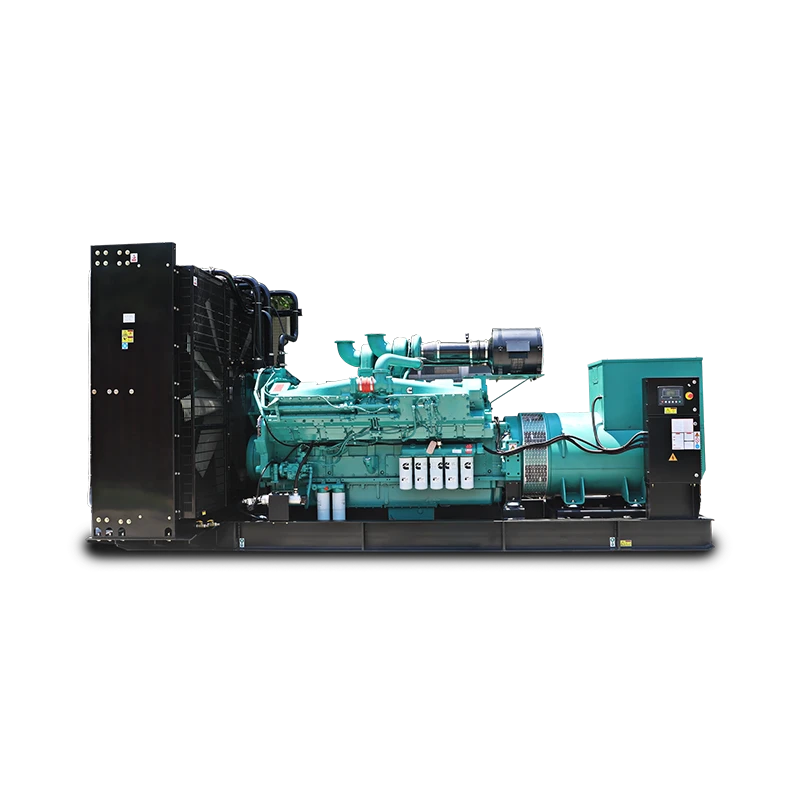
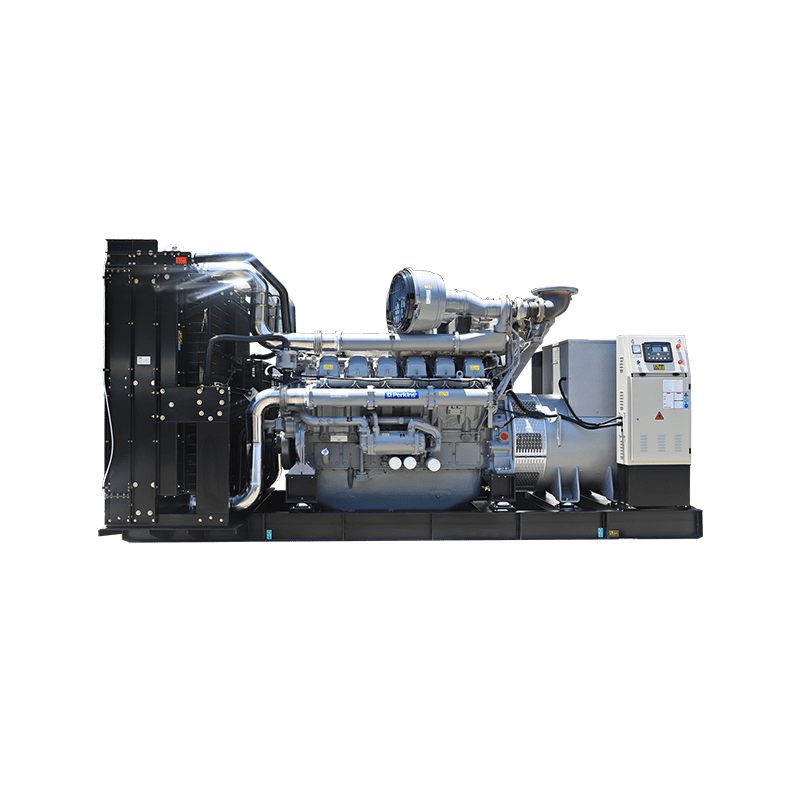
At Tide Power, we have supplied landfill gas generator projects using both MWM and Lister Petter engine platforms, each suited to different project scales. The MWM gas generator set covers a range of 600 kVA to 4500 kVA, with high-efficiency combustion systems that tolerate methane content as low as 40 percent when properly tuned. The Lister Petter Jupiter series, covering 28 kVA to 563 kVA, provides a compact option for smaller landfill sites and pilot projects where gas volume is limited. Both platforms use hardened valve train components and chrome-based cylinder liners as standard when specified for biogas applications, a detail that makes a measurable difference in service life.
Durability expectations for a landfill gas generator are typically expressed as major overhaul intervals. With proper gas pre-treatment and maintenance, an MWM engine running on landfill gas can reach 60,000 hours before a top-end overhaul, and around 120,000 hours before major bottom-end work. These numbers assume consistent gas quality, regular oil analysis, and adherence to a condition-based maintenance schedule, not just calendar-based intervals. Real-world figures vary by site, but the difference between a well-prepared installation and one that skipped gas analysis can be tens of thousands of hours of engine life.
The table below compares two generator platforms for landfill gas applications based on installed projects.
| Feature | MWM Gas Generator Set | Lister Petter Jupiter Series |
|---|---|---|
| Power range | 600–4500 kVA | 28–563 kVA |
| Methane tolerance | Down to 40% | Down to 45% |
| Cylinder liner | Chrome-ceramic coated | Chrome-based |
| Typical application | Large landfill, grid export | Small landfill, pilot project |
| Major overhaul interval | 60,000 hours | 40,000 hours |
Evaluating the Economic and Environmental Returns
A landfill gas generator project earns revenue from two directions: electricity sales or avoided power purchase costs, and in some jurisdictions, carbon credits or renewable energy certificates that reward methane destruction. Methane has a global warming potential more than 25 times that of carbon dioxide, so every cubic meter burned in an engine rather than vented to the atmosphere generates a verifiable climate benefit that regulators and voluntary markets are increasingly willing to price.
The generator set itself typically represents 20 to 30 percent of total project capital cost, with the balance going to gas collection wells, piping, the pre-treatment skid, and civil works. This means engine selection drives not only the power output but also the ongoing operational expenditure that determines project net present value. A generator with a 1,500-hour oil change interval versus one that requires changes every 500 hours changes the maintenance budget materially over a 20-year project life.
On the environmental side, gas engines designed for landfill applications routinely achieve electrical efficiency of 38 to 42 percent, and when combined with heat recovery, total efficiency can exceed 80 percent. The avoided methane emissions alone can make the difference in meeting corporate Scope 1 reduction targets or municipal climate commitments, and the power generated displaces fossil fuel on the grid.
Selecting the Right Generator Set for Your Landfill Gas Project
Matching a generator set to a landfill gas project is not a catalog exercise. The right specification depends on at least six variables: average methane concentration, hydrogen sulfide and siloxane levels, gas pressure and temperature at the engine inlet, required power output and load profile, grid interconnection requirements, and the availability of skilled maintenance personnel on site. A generator that runs perfectly at a European landfill with consistent gas quality may fail within months at a tropical site where gas composition swings with the wet season.
For large landfill sites producing over 500 cubic meters of gas per hour, the MWM platform provides the power density and efficiency needed for continuous base-load operation, with the added benefit of remote monitoring capabilities that reduce the need for on-site technical staff. For smaller sites or those with declining gas production, the Lister Petter Jupiter series offers modularity that allows operators to run fewer cylinders when gas supply drops, maintaining efficiency at part load.
One practical consideration that is often overlooked is altitude. Gas engines lose roughly 1 percent of rated power for every 100 meters above sea level, and landfill gas with already marginal methane content can push the engine into derating territory faster than expected. If your site is above 1,000 meters, confirm that the generator specification accounts for altitude correction.
The generator control system also matters more than the engine brand in many installations. A unit with integrated gas mixing control, cylinder pressure sensing, and automatic load sharing across multiple generators can compensate for fuel variability in ways that a simpler open-loop system cannot. When evaluating proposals, ask for the control strategy documentation, not just the engine datasheet.
Common Questions About Landfill Gas Power Generation
What size landfill gas generator is appropriate for a specific site?
A landfill producing 300 cubic meters of gas per hour with 50 percent methane can support roughly 500 to 600 kW of electrical generation. The calculation starts with gas volume, multiplies by methane fraction and calorific value, then applies the engine’s electrical efficiency. However, this is a theoretical maximum; actual usable output depends on site altitude, ambient temperature, and the fraction of gas that can be economically collected. We recommend a site gas survey spanning at least four seasons before sizing the generator.
Aren’t landfill gas generators just modified natural gas engines?
Modified natural gas engines can run on landfill gas, but the modification must go beyond a simple fuel mixer swap. The combustion chamber materials, oil specification, valve timing, and compression ratio all require adjustment for the lower methane number and contaminant load of landfill gas. Engines built from the factory for biogas service, such as the MWM units designed for landfill applications, incorporate these changes as part of the base design rather than as field retrofits.
How does the gas treatment system affect generator maintenance costs?
The gas treatment system is the single largest influence on maintenance cost. A system that removes hydrogen sulfide to below 200 ppm and siloxanes to below 1 mg per cubic meter can double the oil change interval and extend spark plug life by a factor of three compared to an installation with only basic moisture removal. The investment in a properly sized treatment skid pays back in reduced engine wear and lower downtime within the first two years of operation.
Can landfill gas generators operate in island mode without grid connection?
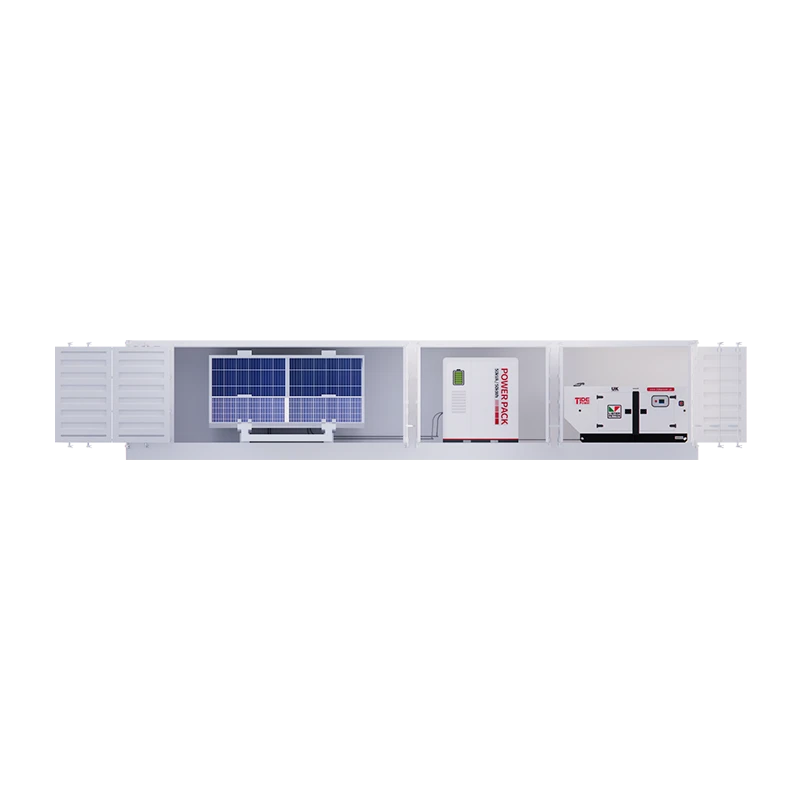
Yes, but island mode operation requires a generator control system with fast load response and, in most cases, a battery energy storage system for frequency regulation during load steps. Landfill gas engines have slower transient response than diesel generators, so hybridizing with a small battery, such as Tide Power’s TP-50BESS, can maintain power quality when the connected load changes suddenly. The battery also absorbs excess generation during low-demand periods rather than venting unused gas.
What ongoing support should I expect from a landfill gas generator supplier?
Beyond the equipment warranty, a supplier with experience in landfill gas projects should provide gas analysis review, commissioning support with biogas-trained technicians, and a recommended spare parts list tailored to the gas composition at your site. Long-term service agreements that include periodic oil analysis and remote performance monitoring are common for engines above 500 kW. Share your site’s gas data and power requirements with us at [email protected] or call +86 591 2806 8999, and we will confirm which generator configuration best matches your landfill’s specific conditions.
If you’re interested, check out these related articles:
Boosting Agricultural Efficiency with Tide Power Dewatering Pump
Tide Power Marks 20 Years: A Night of Gratitude, Innovation, and Shared Vision
Power the Future with Tide Power at Electric & Power Indonesia 2025!
Get ready to meet Tide Power’s latest product at POWERGEN 2025