 EN
EN ZH
ZH FR
FR ES
ES AR
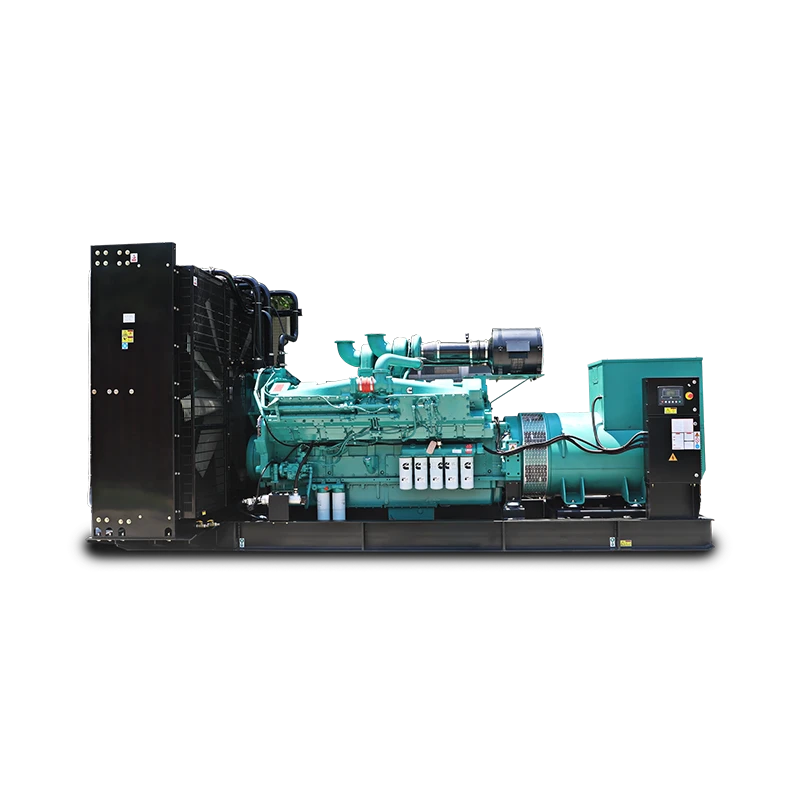
ARFor most off-grid telecom sites, a hybrid solar-diesel-battery system provides the optimal balance of reliability, fuel savings, and scalability. Solar power for telecom base stations has moved from a niche experiment to a mainstream energy strategy, driven by rising diesel prices and the need for uninterrupted connectivity. In this guide, I’ll walk you through the practical integration of solar with existing generator infrastructure, drawing on over a decade of experience in global energy solutions for telecom operators.
Why Solar Power Makes Sense for Telecom Sites
Remote telecom base stations often rely on diesel generators that run 24 hours a day, burning fuel even during low-load periods. Fuel logistics alone can consume 30% of a site’s operating budget once you account for transport, security, and spillage. Adding solar photovoltaic panels and battery storage changes the equation. In hybrid mode, the generator runs only a few hours per day to charge batteries and handle peak loads, while solar carries the daytime base load.
The result is a 40-70% reduction in diesel consumption, depending on site location and load profile. Beyond cost, solar hybrid systems reduce generator runtime, which extends engine service intervals and cuts the number of site visits for refueling and maintenance. For operators managing hundreds of remote towers, that reduction in field logistics alone can justify the upfront investment.
Core Components of a Solar Hybrid System
A solar hybrid system for telecom integrates four main subsystems: the solar array, battery bank, power conversion equipment, and a diesel genset. The solar charge controller converts variable panel output to a stable DC bus that charges batteries. An inverter or bidirectional converter then supplies AC power to the base transceiver station (BTS) and auxiliary loads.
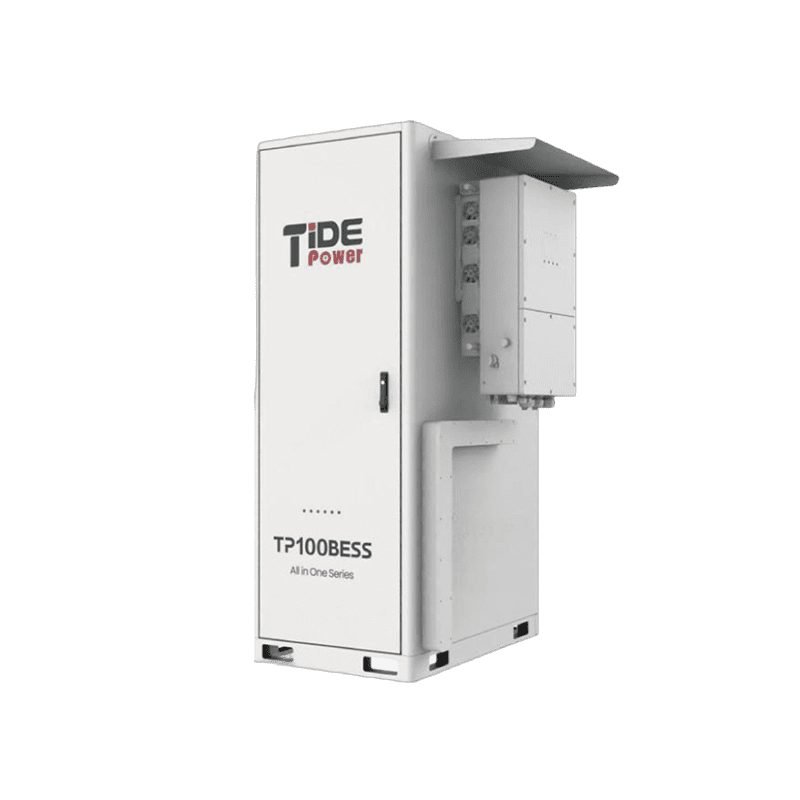
Battery selection is the most consequential design decision. Most new deployments use lithium iron phosphate (LiFePO4) batteries rather than lead-acid, because the cycle life difference is decisive for 10-year site planning.
| Battery Type | Cycle Life (80% DoD) | Weight | Temperature Tolerance | Relative Cost |
|---|---|---|---|---|
| Lead-Acid (VRLA) | 400–600 cycles | Heavy | Narrow band, requires cooling | Lower upfront |
| LiFePO4 | 3,500–6,000 cycles | 60% lighter | Wide range, passive cooling | Higher upfront, lower TCO |
In modern integrated systems like the TP-100BESS or TP-200BESS, these components are pre-configured in a single enclosure with a unified energy management controller. That integration eliminates interfacing headaches and lets the system make millisecond-level decisions on when to charge from solar, when to draw from batteries, and when to start the generator.
Sizing a Solar Hybrid Power System for Telecom Loads
Sizing starts with a 24-hour load profile, not a simple peak power number. A typical rural BTS might draw 1.2 kW continuously, but that steady figure hides air conditioning spikes, transmission equipment bursts, and nighttime battery charging requirements. I always ask for at least seven days of logged power data before specifying a system.
Once you have the daily energy consumption in kWh, you work backward: solar panel capacity is sized to generate that daily total plus a 20% margin within the site’s solar irradiation window (typically 4.5 to 6 peak sun hours in most target regions). Battery capacity is sized for autonomy—how many days the site must run on stored energy alone during extended cloud cover. One day of autonomy is common when a diesel generator is on site, but pure solar systems require three to five days. That makes a hybrid configuration far more practical in most operational scenarios.
Integrating Solar with Existing Diesel Generators
Retrofitting solar onto an operating generator-fed site takes more than bolting panels to the tower leg. The generator controller must communicate with the hybrid inverter so the genset only starts when the battery state of charge falls below a set threshold and load exceeds the inverter’s rated capacity.
In sites I’ve commissioned across Southeast Asia and Africa, the biggest integration challenge is not technical; it’s operational discipline. If site personnel habitually run the generator out of convenience, the fuel savings never materialize. A hybrid system that enforces a battery-first dispatch logic via programmable logic controllers removes that human factor. Once commissioned, the system switches between solar, battery, and generator without manual intervention.
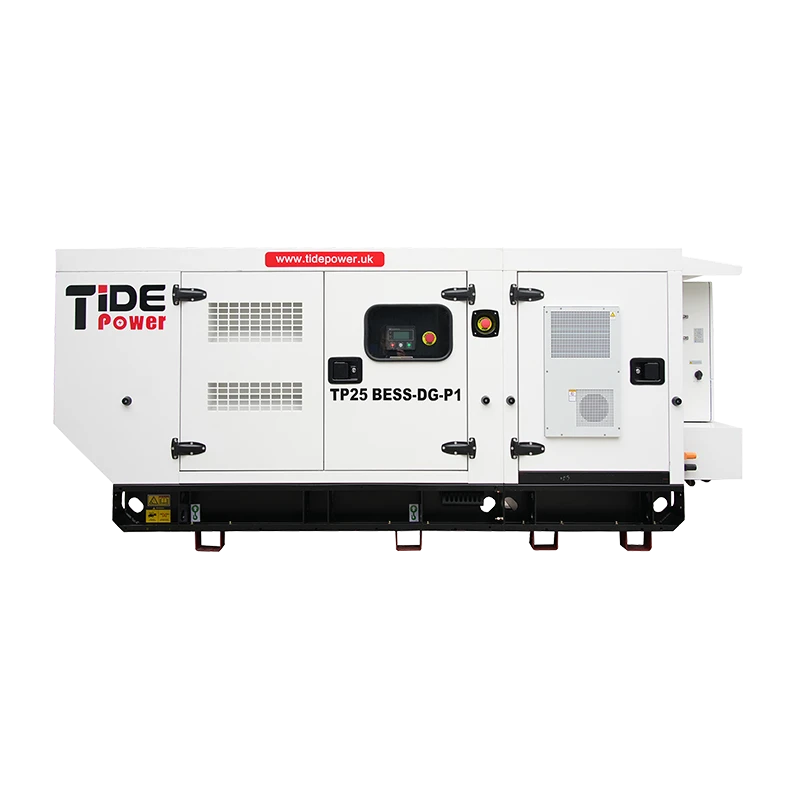
Modern hybrid power stations, such as those built around the TP-25P or TP-60P platform, integrate the charge controller, inverter, and generator controller in one enclosure, so the manufacturer has already resolved the communication protocols. That saves field engineering time and avoids the blame game when a third-party inverter won’t talk to a legacy generator control panel.
Selecting a Global Solar Energy Solution Provider
The technology is proven, so the differentiator becomes supplier capability. When I evaluate providers for multi-country telecom deployments, I look for three things: a standardized product platform that can be replicated across sites, demonstrated after-sales support in the target region, and the ability to customize enclosures for local logistics.
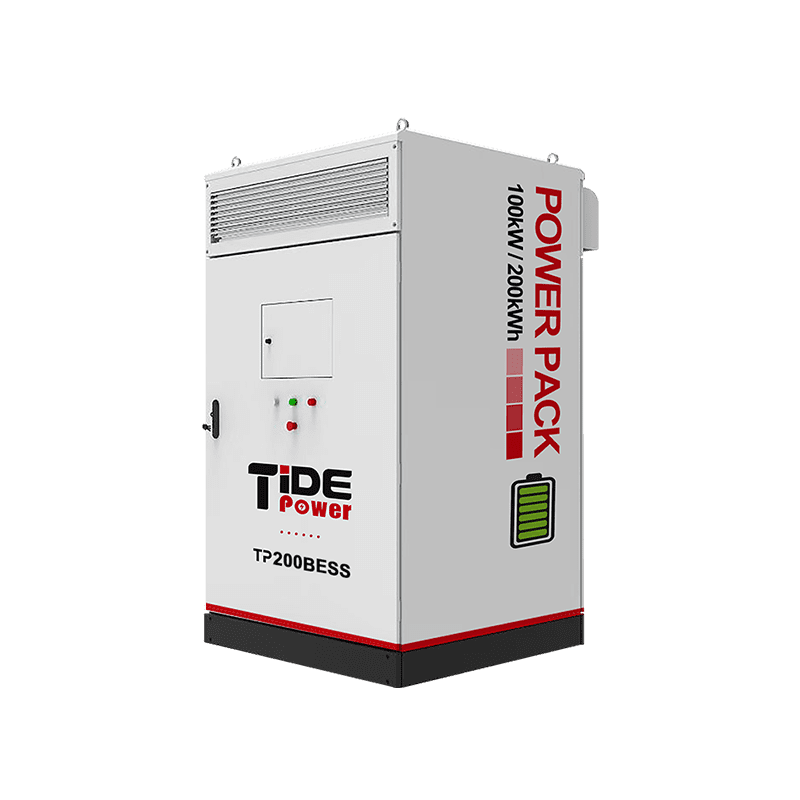
Containerized systems simplify everything from shipping to site installation. A system like the TP-200BESS or TP-261BESS arrives pre-commissioned, with the battery racks, power electronics, and fire suppression integrated. For a program manager overseeing a rollout of 50 sites across two continents, that repeatability is more valuable than a 2% higher panel efficiency.
Also confirm whether the supplier provides remote monitoring as a standard feature. A system that alerts you to a failing battery string before it causes a site outage is worth the extra few hundred dollars in the BOM. At Tide Power, we’ve learned that the real cost of a remote site is not the hardware; it’s the truck roll. Every hour of generator runtime avoided and every unnecessary site visit eliminated pays back the hybrid investment faster than any efficiency gain on paper.
Common Questions About Solar for Telecom Sites
How much does a solar hybrid telecom system cost?
It depends on the load and location, but a typical 5 kW solar array with 20 kWh of LiFePO4 storage integrated with a diesel genset runs between $15,000 and $30,000, delivered and commissioned. The lower end applies to containerized systems where the supplier has pre-engineered the integration. The payback period usually falls between two and four years when weighed against avoided diesel and logistics costs.
Can solar power eliminate diesel consumption entirely?
In practice, very few operators go fully diesel-free because the battery storage required for multi-day autonomy drives capital costs too high. In my experience, a well-designed hybrid system eliminates 60-80% of diesel runtime while the generator remains available as backup. Pure solar makes sense only for very low-power sites with reliable grid backup or minimal uptime requirements.
What maintenance does a solar hybrid system require?
Solar panels need periodic cleaning in dusty environments, and batteries require quarterly state-of-health checks. The inverter and charge controller are solid-state and largely maintenance-free. The main benefit is that generator service intervals stretch from every 250 hours to every 500-750 hours, which cuts maintenance labor and spare parts consumption significantly.
How do I choose between containerized and open-frame systems?
Containerized systems ship fully assembled and can be dropped onto a concrete pad and connected within a day. They suit projects where speed and standardization matter. Open-frame systems offer more flexibility for site-specific layouts and are easier to repair with local labor. If your telecom project involves multiple sites across different countries, containerized standardization typically wins on total deployment cost and schedule. Share your site list and load requirements with our team at [email protected], and we can recommend a configuration that balances your deployment timeline and budget.
If you’re interested, check out these related articles:
Tide Power Showcases Innovative Hybrid Power Solutions in Successful 2025 Global Exhibition Series
TIDE POWER TP200BESS: Advanced Hybrid Storage for Industrial Efficiency
Diesel Pump Generators: Reliable Dewatering Solutions for Harsh Environments
Precautions for using winter generator sets