 EN
EN ZH
ZH FR
FR ES
ES AR
ARElectric mini excavators are reshaping job site economics with lower fuel costs and zero tailpipe emissions. But a smart purchase isn’t about picking the loudest spec sheet—it’s about weighing battery longevity, daily charging logistics, and whether the supplier’s support network can keep your machine digging for years. In over a decade of advising global buyers on power equipment, I’ve seen fleets lose more to overlooked after-sales gaps than to upfront price differences. This guide maps out the key specifications, total cost of ownership, and supplier vetting steps you need before committing to an electric mini excavator.
Understanding Electric Mini Excavator Technology
An electric mini excavator replaces the diesel engine and hydraulic pump with a battery-fed electric motor that drives the hydraulic system. Most current models use lithium iron phosphate (LFP) battery packs, which offer stable thermal performance and long cycle life—often 3,000 to 5,000 full charge cycles before reaching 80% capacity. The motor delivers torque directly, making power delivery immediate and smooth, especially useful during fine grading or trenching work.
On the job site, the absence of an idling engine means zero exhaust fumes and noise levels typically below 70 dB. This is a practical advantage for indoor demolition, hospital renovations, or urban night work where diesel machines are either prohibited or require costly ventilation and sound barriers. The elimination of engine oil changes, diesel particulate filters, and exhaust aftertreatment also cuts routine service costs significantly. However, the trade-off is charging time and energy planning: a full charge on a standard 220V outlet can take 6–8 hours, and fast-charging options are still emerging for heavy-duty cycles.
Key Specifications That Determine Performance
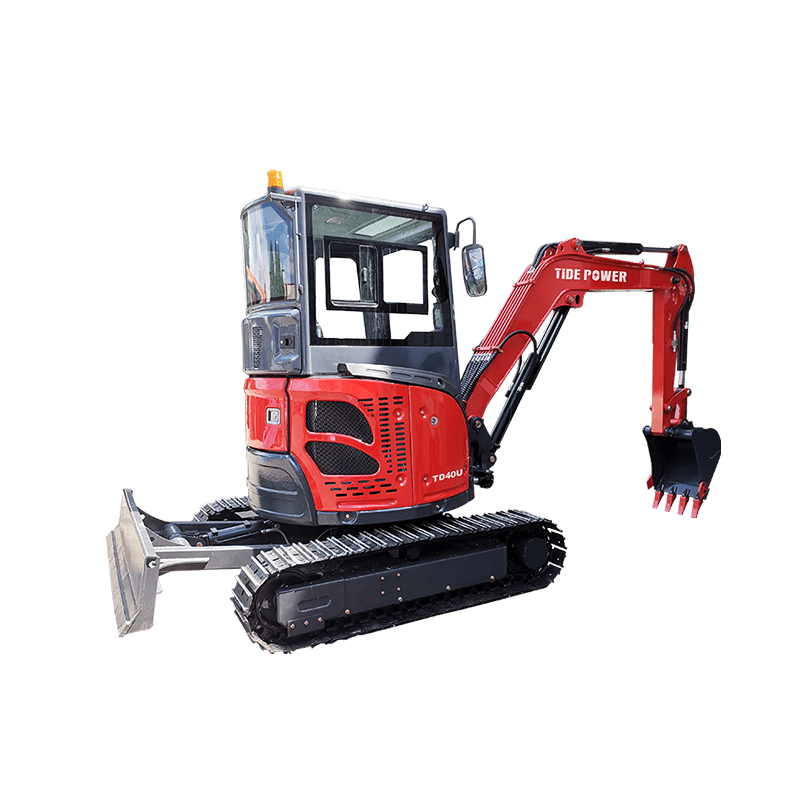
When comparing models, the same physical parameters that define a diesel mini excavator apply—digging depth, breakout force, and operating weight—but the power system introduces new metrics. The motor’s continuous power rating and the battery’s usable kilowatt-hours determine real-world runtime under typical 50%–70% load cycles. A 1.5-ton electric machine with a 15 kWh battery commonly delivers 4–6 hours of productive digging before needing a recharge, though heavy-duty attachments will shorten that.
The table below contrasts typical electric and diesel mini excavator specifications for a 1–2 ton class machine, based on 2026 market data.
| Specification | Electric Mini Excavator | Diesel Mini Excavator |
|---|---|---|
| Power source | LFP battery, 10–15 kWh | Diesel engine, 10–18 kW |
| Operating weight | 1,000–2,000 kg | 1,000–2,000 kg |
| Max digging depth | 1,500–2,500 mm | 1,500–2,500 mm |
| Runtime per charge/tank | 4–8 hours | 8–12 hours |
| Noise level at 7 m | <70 dB | 90–95 dB |
| Annual maintenance cost | $200–500 | $800–1,500 |
Beyond the table, pay attention to the battery management system (BMS). A quality BMS will protect against overcharging and deep discharge, and should report state-of-health data so you can plan battery replacement years in advance. I’ve seen cheaper BMS units fail silently, draining usable capacity to 60% within two years—a problem that can erase the anticipated cost advantage.
Total Cost of Ownership vs Diesel: A Real-World Comparison
The upfront purchase price for an electric mini excavator is typically 10%–25% higher than a comparable diesel model, driven almost entirely by battery cost. Over 5,000 operating hours, however, the energy bill tells a different story. A 1.5-ton diesel mini excavator burns roughly 1.5–2.0 liters of fuel per hour, which at $1.00 per liter adds $7,500–$10,000 in fuel alone. The electric equivalent, consuming 4–6 kWh per hour at an average industrial electricity rate of $0.15 per kWh, costs $3,000–$4,500 over the same period. Maintenance savings further widen the gap: electric machines eliminate engine oil, filters, and DPF cleaning, reducing scheduled service costs by 60% or more.
The one variable that demands honest accounting is battery replacement. A well-managed LFP pack should last 5–8 years under normal construction cycling before usable capacity drops below 70%. A replacement pack for a 1–2 ton excavator currently runs $3,000–$6,000 installed. When we build TCO models for fleet operators, we factor in a single battery replacement mid-life and still find a net savings of 15%–25% over diesel on a 10-year horizon, assuming moderate diesel price trends and no government incentives. Grants or tax credits for zero-emission construction equipment, available in some markets, can push the advantage higher.
Evaluating Supplier Capability and After-Sales Support
Electrification raises the bar for supplier technical depth. A manufacturer that has been assembling electric mini excavators for only two years may not have mature battery diagnostics, remote troubleshooting capacity, or a global parts warehouse optimized for electric-specific components. When I assess a supplier’s readiness, I look for three things: factory-level integration of battery pack assembly and testing, access to battery cell suppliers with tier-one safety certifications, and the existence of a service partner network trained in high-voltage systems.
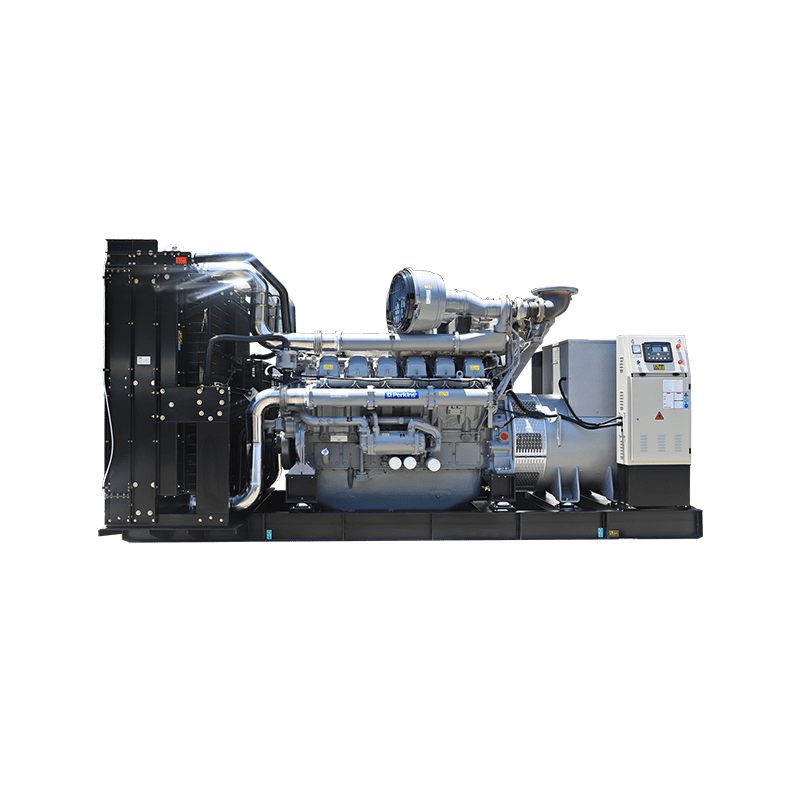
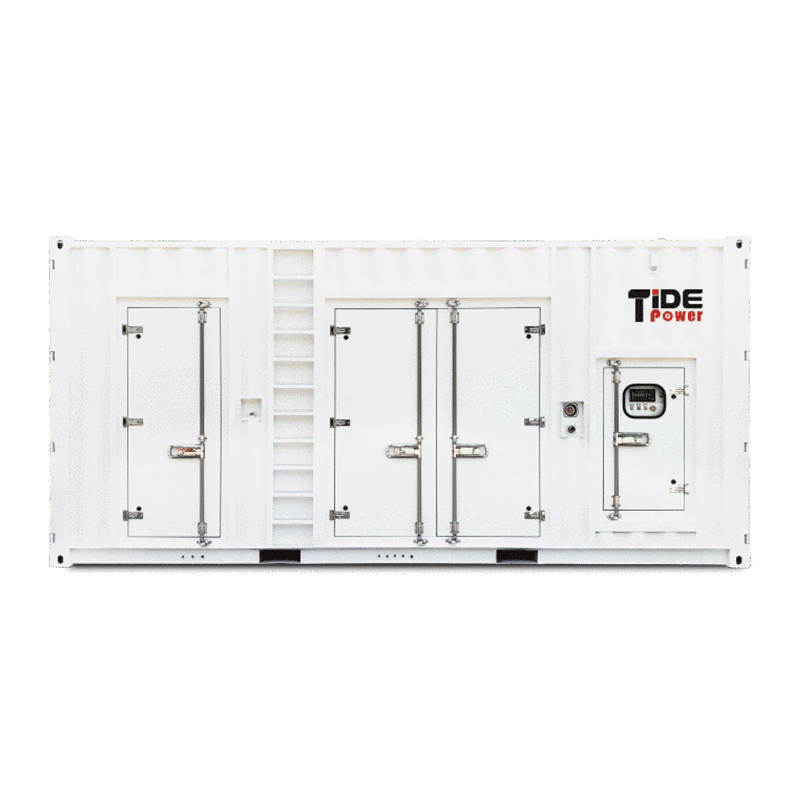
Tide Power Technology, for instance, has built its reputation on engineering diesel generator sets, hybrid energy systems, and compact construction machinery for over 15 years, with in-house capability in power electronics, control systems, and battery integration. That cross-domain experience gives the team a head start in designing electric powertrains that survive demanding construction cycles. I’ve walked through their smart manufacturing base and seen the same rigorous testing that goes into their generator sets applied to mini excavators—thermal cycling, vibration endurance, and BMS validation.
Ask any potential supplier for a battery warranty that covers not just manufacturing defects but capacity retention: a straight 5-year or 5,000-hour warranty at 70% capacity is a reasonable floor. Also request the recommended spare parts list and lead times for the traction motor, BMS, and onboard charger, because these components differ from diesel parts and can hold a machine idle if not stocked regionally.
Steps to Import and Commission Your Electric Mini Excavator
Global procurement demands clear logistics planning. Electric mini excavators are shipped as complete units, typically in a 20-foot container, which simplifies handling but requires documentation that certifies compliance with your destination country’s emission and safety standards. For markets accepting CE marking, European buyers can simplify intake, while North American importers should confirm the machine meets applicable ANSI or SAE standards and that the battery pack carries UN38.3 transport certification.
After the machine clears customs, allocate 1–2 days for commissioning: connect the battery system, verify the BMS software parameters for your local voltage and frequency, and test the hydraulic circuits. If your site doesn’t yet have a dedicated 220V or 380V charging point, plan that installation in advance—a common delay I’ve seen repeated at overseas projects. Many fleet buyers also negotiate a remote commissioning support package with the supplier, allowing technicians to dial in settings over a VPN connection. Confirm before signing whether the supplier includes this service or charges separately.
For a direct, low-commitment quote, share your job site conditions and expected operating hours with our team at Tide Power. We’ll match you with an electric mini excavator that fits your spec requirements and battery support plan. Reach Tide Power at [email protected] or call +86 591 2806 8999.
Common Questions About Electric Mini Excavators
How long does the battery actually last before losing significant capacity?
A properly maintained LFP battery pack in a mini excavator retains over 80% of its original capacity for 3,000–5,000 full charge cycles, which translates to 5–8 years of average commercial use. The key factor isn’t the cycle count alone but how deeply the battery is discharged each day. We advise fleet managers to avoid discharging below 20% on a regular basis and to store machines at 30%–50% charge when not in use for extended periods.
Can an electric mini excavator match diesel digging power?
Yes, for machines up to the 2-ton class, electric motors deliver more than sufficient torque and often outperform diesel in low-speed controllability. The hydraulic pump runs off the electric motor as it would off a diesel, so breakout force is determined by the installed hydraulic components, not the prime mover. The only practical limitation is runtime—if your work cycle runs more than 8 hours of continuous heavy digging with no charging opportunity, a diesel machine may still be the safer choice for now.
What charging setup is needed on a job site?
The most common configuration is a 220–240V single-phase outlet, which can fully recharge a 15 kWh battery in 6–8 hours using the onboard charger. Some manufacturers offer an optional 380V three-phase fast charger that cuts charging time to 2–3 hours. If your site lacks fixed power, a small diesel generator or solar battery hybrid unit can supply the necessary electricity, though that adds complexity. We’ve helped project teams design portable charging trailers that combine a generator and battery buffer, letting the excavator recharge overnight without running a genset all night.
Is the electric mini excavator worth the higher upfront cost?
For fleets running 1,000 hours or more per year, the total cost of ownership usually favors the electric machine within the first battery cycle. The breakeven point depends on local diesel prices and electricity rates, but our calculations consistently show net savings starting around year three to four after accounting for fuel, maintenance, and battery reserve. If your operation can also leverage lower noise for indoor or urban work, the value extends beyond direct cost savings.
If your next project has specific runtime requirements or a tricky charging environment, send those details to [email protected]. We’ll help you model the real cost and set up a support plan that matches your operational pattern, not a generic datasheet.
If you’re interested, check out these related articles:
A New Era of Mobile Power: Tide Power Unveils Game-Changing Foldable Solar Container
Powering Industry & Infrastructure: Tide Power’s Advanced Pump Solutions Set New Standards in Efficiency & Reliability
Compact BESS: Your Intelligent Route to Energy Independence and Cost Efficiency