 EN
EN ZH
ZH FR
FR ES
ES AR
ARIn over a decade of supporting international energy infrastructure projects, I have seen how the choice between grid-tied and off-grid hybrid architecture directly determines project viability, not just technical configuration. Selecting grid-tied vs off-grid hybrid power systems shapes how you manage fuel logistics, operational resilience, renewable integration, and long‑term cost structure. The decision looks binary on a specification sheet, but the real-world factors are site‑specific and often emerge only after commissioning. This article clarifies the practical differences, infrastructure demands, and project conditions that should drive the selection, drawing from deployment patterns I have observed across multiple continents and the energy architectures Tide Power has integrated into global projects.
How Grid-Tied and Off-Grid Hybrid Architectures Differ
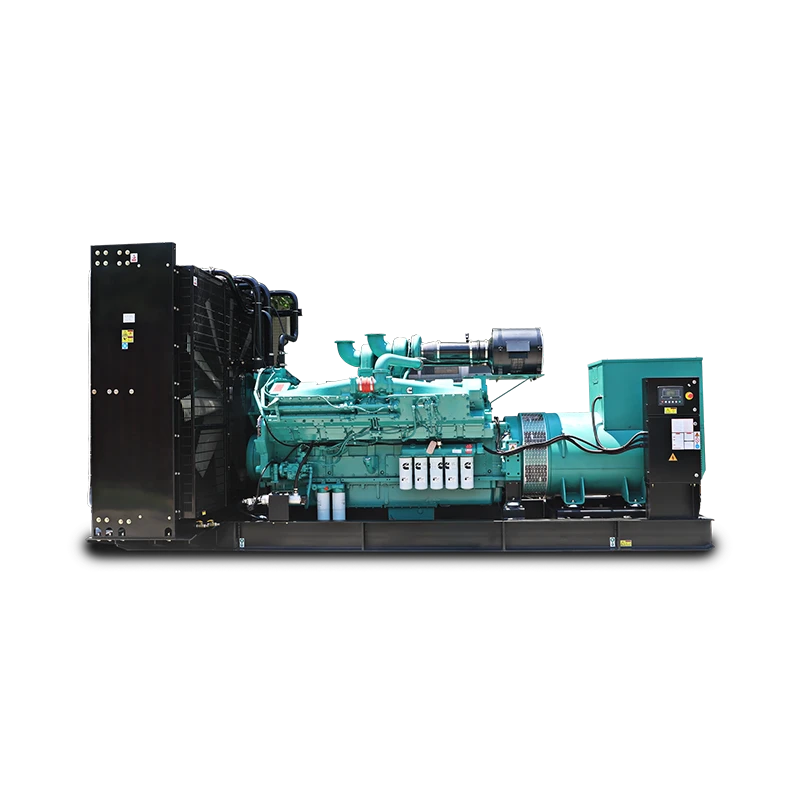
A grid-tied hybrid system connects to a public utility network, using the grid as primary or backup power while integrating solar generation, battery storage, and in many cases a generator set as emergency reserve. In this configuration, the energy management system synchronizes with grid frequency and voltage, exporting excess photovoltaic power or drawing from the battery to reduce demand charges. The grid remains the anchor, and the hybrid layer adds resilience and cost optimization.
An off-grid hybrid system operates independently of any utility network. It must balance generation, storage, and load entirely within its own microgrid boundary. Typically, solar arrays charge a lithium iron phosphate (LFP) battery bank, and a diesel or gas generator set covers sustained high loads or prolonged low‑irradiation periods. Tide Power’s all-in-one hybrid units, such as the TP‑20P through TP‑250P, integrate solar charging, battery storage, and backup generation in a single enclosure with millisecond‑level seamless switching and unattended operation capability.
The architectural distinction is not just about a grid connection. It dictates control logic, component sizing, and how the system recovers from a black start. In grid-tied applications, the generator often serves only as island‑mode backup when the grid fails. In off-grid systems, the generator carries a much larger responsibility for load following and battery charging cycles.
Operational Impacts of Grid Dependency on Hybrid Systems
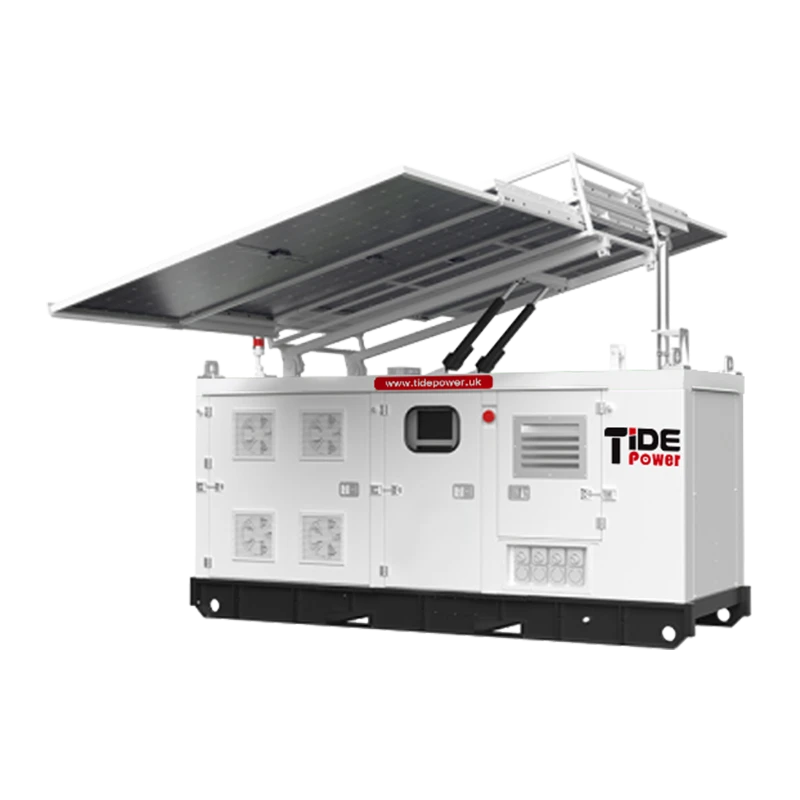
Where a grid connection exists and is reasonably stable, a grid-tied hybrid architecture usually offers lower levelized cost of energy because it can leverage grid power for bulk loads while using solar and storage for peak shaving and demand response. The energy management system prioritizes renewable generation when available, stores surplus, and draws grid power only when necessary. This setup is common in industrial parks, commercial buildings, and semi‑urban telecom sites that face occasional outages but maintain a grid supply for most hours.
Off-grid hybrid systems shift the entire reliability burden onto the hybrid plant. The control system must manage dynamic load swings without any external frequency reference. I have observed that in remote telecom base stations and isolated mining camps, even a minor oversizing error in battery capacity leads to excessive generator runtime, erasing the fuel savings that justified the hybrid investment. Tide Power’s hybrid power stations address this with intelligent dispatch algorithms that weight solar forecast data, battery state of charge, and load history to minimize diesel consumption while maintaining power quality.
The operational criticality of the grid connection also influences maintenance planning. Grid-tied sites can schedule generator servicing during grid‑available periods. Off‑grid sites must keep the generator in prime condition at all times—any outage cascades directly to load loss.
Infrastructure and Cost Factors for Hybrid System Selection
Capital expenditure differences between grid-tied and off-grid hybrids are driven less by the generation assets and more by storage sizing, power conversion infrastructure, and site preparation. An off-grid system requires a larger battery bank to cover nighttime or low‑solar periods, plus a generator rated for continuous prime duty rather than standby.
| Factor | Grid-Tied Hybrid | Off-Grid Hybrid |
|---|---|---|
| Battery capacity requirement | Sized for peak shaving and short autonomy | Sized for overnight autonomy and bad‑weather buffer |
| Generator duty cycle | Standby or occasional island mode | Continuous prime duty with frequent cycling |
| Grid synchronization hardware | Required for parallel operation | Not needed, but system must black‑start independently |
| Fuel logistics sensitivity | Low—grid carries baseline load | Very high—fuel cost and supply chain determine OpEx |
| Typical control complexity | Moderate—syncs to external reference | High—full microgrid balancing and frequency regulation |
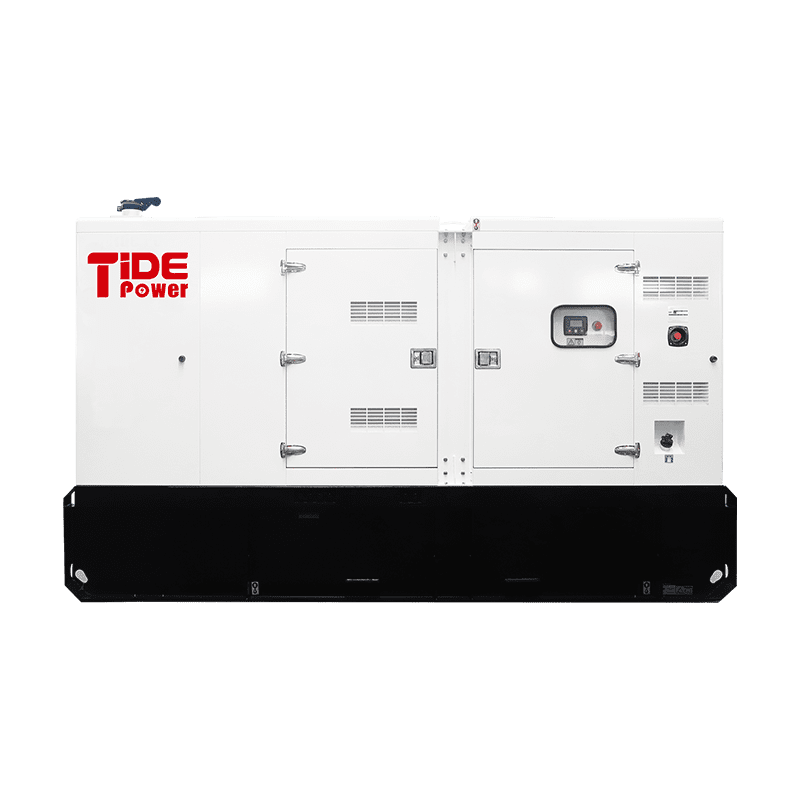
Infrastructure costs also include grid interconnection studies, export permits, and utility coordination for grid-tied systems. Off‑grid systems bypass these, but they add civil works for fuel storage, reinforced mounting structures for larger solar arrays, and sometimes remote monitoring satellite links. In our experience supporting projects in Southeast Asia and Africa, the site‑specific fuel supply chain often becomes the single largest risk factor for off‑grid hybrid economics. If diesel delivery is seasonal or road‑dependent, the entire OpEx calculation must include a contingency buffer that purely spreadsheet‑based optimizers miss.
Matching Hybrid Architecture to Your Project’s Conditions
I recommend a three‑stage mapping before locking in the system type.
First, chart your grid availability: average outage hours per month, quality of voltage and frequency, and the utility’s track record on repair times. If the grid is absent or averages more than eight hours of daily outage, the project is functionally off‑grid regardless of a physical line. In those locations, an off‑grid hybrid system sized for 100% autonomy eliminates the false economics of an undersized battery that forces constant generator intervention.
Second, analyze your load profile over a full week, including seasonal variation. A steady baseload with a predictable daytime peak favors a grid-tied hybrid with solar self‑consumption. An erratic load with high night‑time surges—common in camp accommodations or processing plants—demands the generator‑forward design philosophy of an off‑grid system.
Third, evaluate fuel access. When diesel must travel long distances or is subject to price volatility, maximizing solar fraction and battery autonomy becomes essential. This pushes the design toward a larger photovoltaic array and a robust LFP storage bank. Tide Power’s TP‑100BESS and TP‑200BESS storage modules, for example, are built for extended daily cycling and high depth of discharge in environments where fuel conservation is mission‑critical.
If your project involves phased expansion—adding loads over two or three construction seasons—tell your integrator early. Off‑grid systems can be scaled in modular increments, but grid-tied expansions require re‑study of interconnection limits. I’ve seen multi‑million‑dollar generator purchases sat idle for months because the site’s grid interconnection study was not updated to reflect new load.
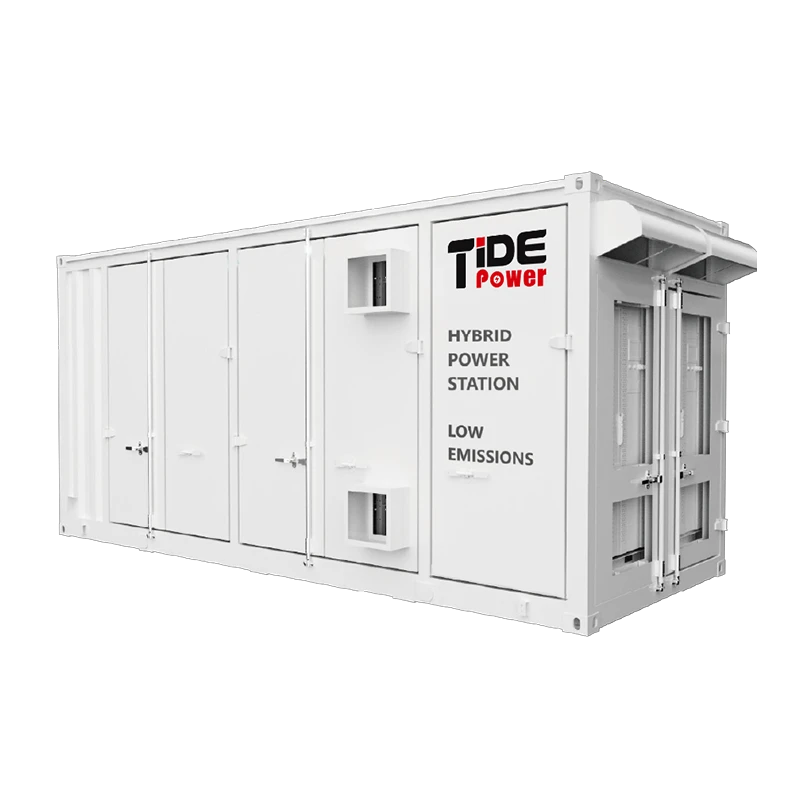
If your program sits on a fringe grid with frequent voltage instability or planned industrial load growth nearby, it is worth confirming the hybrid system’s islanding transition speed and the generator’s block load acceptance before finalizing your BOM—reach out at [email protected].
Common Questions on Grid-Tied and Off-Grid Hybrid Systems
Do I still need a generator if my hybrid system is grid-tied?
Yes. A generator provides a black‑start source and sustained backup when both grid and battery storage are unavailable, such as during extended severe weather events. In grid‑tied systems, it typically remains in standby, but its presence is required by many commercial insurers and critical‑load operational continuity plans. The generator should be sized for the essential loads you intend to support during island mode, not the full facility load, unless uninterrupted production is non‑negotiable.
Can an off‑grid hybrid system export power if a grid becomes available later?
Possibly, but it depends on the original power conversion equipment. Retrofitting off‑grid inverters for grid‑synchronized export usually requires replacing or supplementing the inverter stage, along with protection relays and utility‑approved interconnection panels. If a grid extension is likely within the project’s lifespan, specifying grid‑form‑ready inverters at the initial procurement avoids costly re‑engineering. In programs we’ve supported in West Africa, early inverter selection saved over 18 months of re‑commissioning effort when rural electrification reached the site.
How does altitude affect the generator selection in a high‑altitude off‑grid hybrid?
Natural‑aspirated generators derate as air density drops. At 3,000 meters, a standard diesel generator can lose 30‑40 percent of its rated power before altitude compensation. For off‑grid systems where the generator already carries full autonomy burden, that derating must be applied to the sizing calculation upfront. Our engineering team typically selects turbocharged engines with altitude kits for sites above 2,000 meters to maintain output without oversizing the footprint.
What maintenance differences should I budget for between grid‑tied and off‑grid?
Off‑grid systems consume engine service life much faster because the generator cycles daily rather than standing idle. Oil and filter change intervals shorten, and the overall service hours accumulate rapidly. A grid‑tied generator might operate fewer than 50 hours per year, while an off‑grid unit in a high‑solar‑fraction system might still log 600‑1,200 hours annually. Budget for on‑site spare parts inventory and, if the site is remote, for OEM‑trained technician travel time. The maintenance contract structure should reflect duty cycle, not just nameplate rating.
How do I verify that the hybrid control system can handle my site’s specific load steps?
Ask for a factory acceptance test that simulates your site’s largest single load step—typically a motor start or compressor inrush—with the battery at a predetermined state of charge and the generator in standby. I’ve seen off‑grid systems where the battery handled steady loads well but voltage collapsed on a pump start, triggering a full system restart. Confirming dynamic response before shipping eliminates the most expensive kind of commissioning discovery. For projects where load dynamics involve high‑inrush equipment or sensitive electronics, sending your load profile and site conditions to [email protected] allows our application engineers to run a configuration assessment tailored to your scenario.
No two project sites carry the same grid story. The right hybrid system decision is the one that holds up under the worst two weeks of the year, not the one that looks cleanest on a nominal design day. Tide Power’s global project experience, from Southeast Asian microgrids to African off‑grid communities, confirms that hybrid architecture selection is the foundation that every fuel budget, maintenance plan, and expansion decision builds upon. To discuss your specific site conditions and receive a system proposal matched to your operational reality, call +86 591 2806 8999 or email [email protected].
If you’re interested, check out these related articles:
?Join the adventures racing with Tide Power
Welcome to Tide Power booth N2.263 at bauma CHINA 2024
Join Tide Power at bauma CHINA 2024
Tide Power Announces Global Exhibition Schedule for Second Half of 2025