 ES
ES EN
EN ZH
ZH FR
FR AR
ARLos costos de mantenimiento de los generadores diésel se controlan mejor no minimizando la frecuencia del servicio, sino comenzando con un motor fiable y un sólido proveedor global apoyo Muchos operadores industriales se centran de forma limitada en el precio de compra inicial y en trucos de servicio a corto plazo, pasando por alto cómo sus elecciones de adquisición repercuten en décadas de gastos operativos. En mi trabajo con proyectos energéticos en varios continentes, he visto cómo el proveedor adecuado reduce el riesgo de tiempo de inactividad y mantiene los presupuestos de mantenimiento predecibles incluso en condiciones difíciles, mientras que el equipo mal soportado conduce a costos crecientes y dolores de cabeza operativos. Comprender los verdaderos impulsores del gasto de mantenimiento y alinear su estrategia de abastecimiento en consecuencia es el paso más eficaz hacia el control de costos a largo plazo.
Qué impulsa realmente los costos de mantenimiento de los generadores diésel
El costo total de mantenimiento de un generador diésel industrial se extiende mucho más allá del precio del aceite y los filtros. Varias categorías contribuyen: consumibles y piezas de servicio de rutina, revisiones importantes, mano de obra cualificada y el costo oculto del tiempo de inactividad cuando el equipo no está disponible. Los factores ambientales como altos niveles de polvo, humedad extrema o altitud aceleran el desgaste de componentes como filtros de aire, inyectores y sistemas de refrigeración. Un generador de reserva en un entorno interior limpio puede necesitar solo una inspección anual, mientras que una unidad de energía principal que funciona en un desierto minería puede requerir servicio cada 200 horas.
La calidad del combustible es otra variable infravalorada. El combustible contaminado o fuera de especificación obstruye los inyectores y los filtros, aumentando tanto la frecuencia de reemplazo de piezas como el riesgo de fallas inesperadas. De manera similar, el sistema de refrigeración, si se descuida, provoca sobrecalentamiento que acorta drásticamente la vida útil del motor. Los costos de mano de obra también difieren según la región; en lugares remotos sin un distribuidor local, incluso un simple cambio de aceite puede convertirse en un gasto logístico.
Si bien la tabla a continuación proporciona rangos de costos aproximados para la elaboración de presupuestos, el gasto real depende del tamaño del motor, la marca y las condiciones del mercado local.
| Elemento de mantenimiento | Rango de costo aproximado (USD) | Comentario |
|---|---|---|
| Cambio de aceite y filtro del motor | 200 – 500 USD | Por servicio; la frecuencia varía según el uso |
| Reemplazo del filtro de aire | 50 – 150 USD | A menudo anual; más a menudo en sitios polvorientos |
| Reemplazo del filtro de combustible | 80 – 200 USD | Relacionado con la calidad y el uso del combustible |
| Limpieza del refrigerante | $300 – $600 | Cada 2–3 años o según el fabricante |
| Servicio menor (mano de obra incluida) | $500 – $1,200 | Paquete anual que incluye consumibles |
| Revisión mayor | $5,000 – $20,000+ | Dependiente del motor, típicamente a las 15,000–30,000 horas |
Estos rangos asumen piezas OEM y mano de obra entrenada en fábrica. Las alternativas del mercado secundario pueden reducir el costo inicial pero a menudo introducen riesgos de compatibilidad que aumentan el gasto a largo plazo.
Cómo la Marca y el Diseño del Motor Impactan el Mantenimiento a Largo Plazo
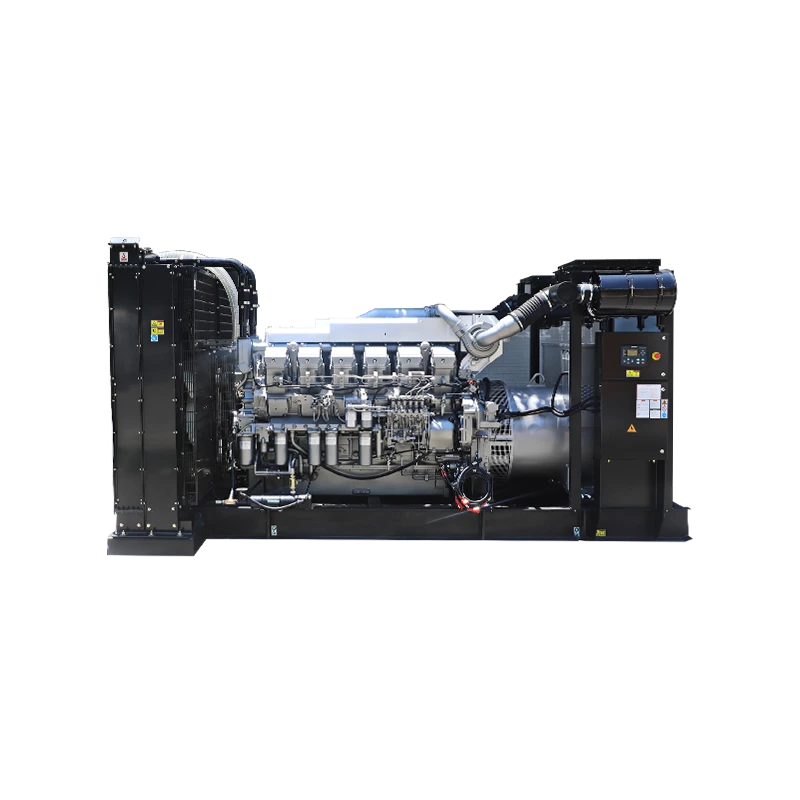
El motor en el corazón de un grupo electrógeno diésel es el factor dominante en el costo de mantenimiento durante la vida útil del equipo. Diferentes fabricantes diseñan para diferentes ciclos de servicio e intervalos de mantenimiento. Marcas globales como Cummins, Perkins y Lister Petter ofrecen amplia disponibilidad de piezas y redes de servicio establecidas, lo que afecta directamente la rapidez y asequibilidad con que se puede realizar el mantenimiento. Por ejemplo, generadores construidos en torno a motores Lister Petter, como los de la serie Fenova de Tide Power, están diseñados para intervalos de servicio prolongados y menor carga de mantenimiento, gracias a una ingeniería duradera y una disposición accesible de los componentes.
Por otro lado, elegir una plataforma de motor menos conocida o puramente regional puede ahorrar dinero en la compra, pero puede hacer que la obtención de filtros rutinarios sea un dolor de cabeza recurrente. Cuando las piezas de repuesto deben ser enviadas por aire desde una sola fábrica, tanto el costo como el tiempo de inactividad se multiplican. En proyectos en los que he asesorado en África y el Sudeste Asiático, cambiar a una plataforma de motor reconocida globalmente redujo en más de la mitad las paradas no programadas de mantenimiento simplemente porque los técnicos locales conocían el producto y las piezas estaban en stock.
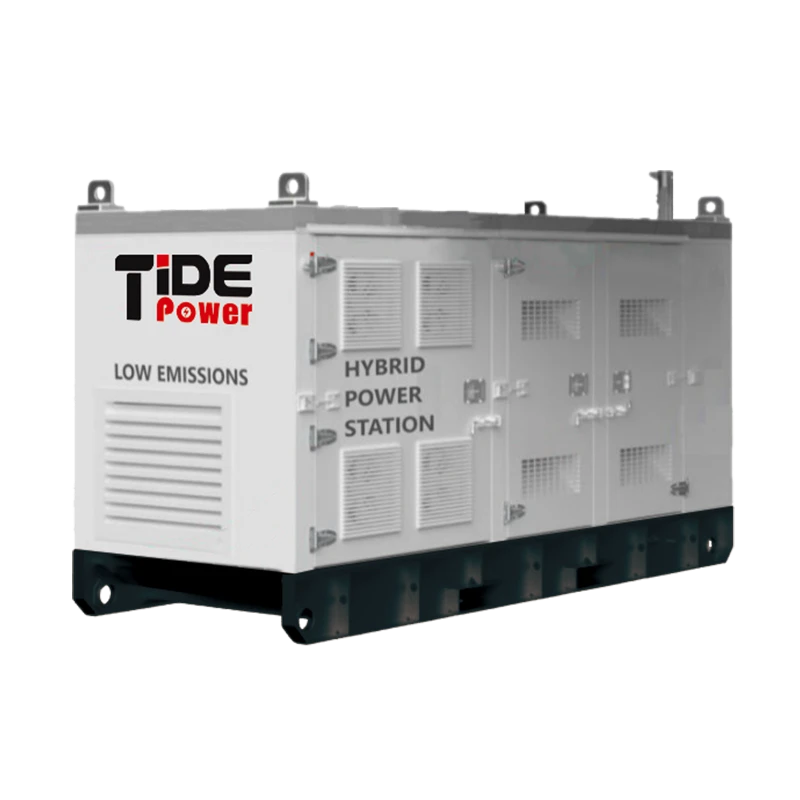
Otro factor de diseño es la configuración general del generador. Las unidades cerradas de tipo silencioso, comunes en las series Econic y Hemera de Tide Power, protegen el motor del clima y los residuos, reduciendo el desgaste ambiental. Características como un gran tanque de combustible y un sistema de ventilación vertical no solo mejoran el rendimiento, sino que también reducen la frecuencia de repostajes y intervenciones en el sistema de enfriamiento. Invertir en un conjunto bien diseñado desde el principio se paga muchas veces con menos visitas de servicio y intervalos de revisión más largos.
Estrategias para ahorrar costos que no comprometen la fiabilidad
Reducir el gasto en mantenimiento no significa saltarse pasos del servicio. Se trata de hacer cada acción de mantenimiento más efectiva y evitar las fallas costosas que provienen del descuido.
El mantenimiento preventivo es la base
Un plan estructurado de mantenimiento preventivo, alineado con los programas del fabricante del motor, detecta el desgaste antes de que se convierta en fallas costosas. Reemplazar un conjunto de filtros $200 a tiempo previene una falla en la bomba inyectora $15,000. Para sitios con personal técnico limitado, la telemática y la monitorización remota pueden rastrear las horas de funcionamiento y alertar a los operadores sobre las necesidades de servicio próximas, eliminando las conjeturas.
La calidad del combustible y del refrigerante importa
La contaminación del combustible diésel es una de las causas más comunes pero prevenibles de altos costos de reparación. La instalación de un sistema de pulido de combustible adecuado y el uso de filtros de alta calidad protegen todo el sistema de combustible. De manera similar, mantener la mezcla de refrigerante correcta y realizar purgas según lo programado previene la corrosión que erosiona silenciosamente los componentes internos del motor.
Piezas originales frente a piezas de recambio
Si bien los filtros y correas de posventa pueden reducir la factura de piezas en un 20-30%, pueden anular la garantía del generador garantía y fallar antes bajo cargas pesadas. Para componentes críticos como inyectores de combustible, turbocompresores y módulos de control, las piezas originales son casi siempre la inversión a largo plazo más segura. Las piezas de posventa pueden ser aceptables para artículos no críticos si provienen de un fabricante de renombre y coinciden exactamente con la especificación original.
Capacitación y capacidad local
Incluso el mejor programa de mantenimiento falla si las personas que lo ejecutan carecen de formación. Invertir en la formación de operadores y técnicos, ya sea a través del programa del proveedor del generador o de una escuela profesional local, conduce a un diagnóstico de fallos más rápido y a menos reparaciones repetidas. Algunos proveedores, como Tide Power, incluyen la instalación y la formación básica de mantenimiento con la entrega del generador, un beneficio que reduce directamente el costo y el riesgo de fallos tempranos.
El valor pasado por alto de las redes de soporte de proveedores globales
Cuando los compradores evalúan generadores diésel, tienden a centrarse en los kilovatios y los precios, ignorando la infraestructura de soporte que determinará cuánto gastarán en mantenimiento durante los siguientes veinte años. Un proveedor con una red global bien establecida de distribuidory centros de servicio acorta el camino desde la avería hasta la resolución.
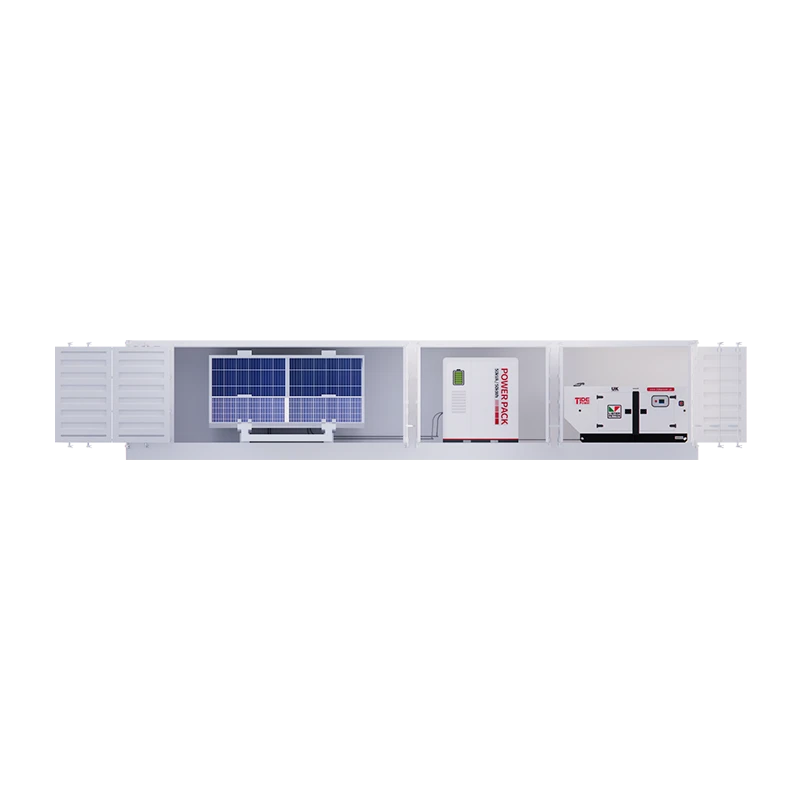
Para proyectos internacionales, contar con un distribuidor local abastecido con piezas comunes es la palanca más importante para mantener predecibles los costos de mantenimiento. Sin soporte local, importar una sola junta o sensor puede costar cientos de dólares en flete y semanas de inactividad. Tide Power, por ejemplo, ha construido su distribución en varios continentes, por lo que los generadores desplegados en África, Oriente Medio o el Sudeste Asiático cuentan con el apoyo de equipos cercanos que conocen el producto y tienen repuestos esenciales.
Más allá de la disponibilidad de piezas, un proveedor global a menudo proporciona orientación técnica, asistencia para la resolución de problemas e incluso capacidades de monitorización remota. Esta infraestructura transforma el mantenimiento de una carrera de emergencia a una actividad planificada y presupuestada. En un proyecto minero remoto que observé, tener un técnico formado por el fabricante original estacionado en el sitio redujo sustancialmente los costos de reparación reactiva en comparación con volar contratistas independientes desde la capital para cada problema.
Los contratos con dichos proveedores también incluyen frecuentemente inspecciones periódicas y actualizaciones de software que mejoran la eficiencia del combustible y detectan problemas en desarrollo de forma temprana, beneficios que simplemente no existen al comprar a un proveedor sin presencia local.
Dando el siguiente paso hacia menores costos de mantenimiento
Los gastos de mantenimiento inesperados y el tiempo de inactividad no planificado pueden erosionar la rentabilidad de cualquier operación industrial, pero no son inevitables. La estrategia más eficaz para mantener a raya los costos de mantenimiento de los generadores diésel es asociarse con un proveedor que combine una fiabilidad probada del motor con una extensa red de servicio global. Para discutir cómo los grupos electrógenos de Tide Power con fiabilidad probada del motor y una red de servicio mundial pueden ayudar a controlar sus costos de mantenimiento a largo plazo, contáctanos en [email protected] o llame al +86 591 2806 8999. Comparta los requisitos de su proyecto y le ayudaremos a construir una solución de energía rentable.
Preguntas frecuentes sobre los costos de mantenimiento de generadores industriales
¿Con qué frecuencia se debe revisar un generador diésel industrial?
Los intervalos de servicio dependen del programa del fabricante, el ciclo de trabajo y el entorno. Los generadores de reserva suelen requerir una inspección anual y una prueba de carga. Las unidades de potencia principal o continua pueden necesitar un cambio de aceite y filtro cada 250 horas en condiciones limpias, o cada 150-200 horas en entornos polvorientos o de alta temperatura. Seguir el plan de mantenimiento recomendado por el fabricante original es la mejor manera de evitar averías inesperadas.
¿Anulará la garantía el uso de piezas no OEM?
Algunos operadores creen que mientras una pieza encaje, es suficiente, pero muchos fabricantes anularán la garantía si las piezas no OEM causan una falla. Incluso fuera del período de garantía, las piezas OEM están diseñadas con tolerancias exactas y se prueban junto con el motor. Para sistemas críticos como la inyección de combustible y los módulos de control, los pequeños ahorros de un sustituto del mercado secundario rara vez justifican el mayor riesgo de fallo y el tiempo de inactividad posterior.
¿Vale la pena un contrato de mantenimiento por el costo adicional?
Depende de cuán crítico sea el generador para su operación y de su acceso a mano de obra especializada. Para instalaciones donde no se puede tolerar el tiempo de inactividad, un contrato de servicio completo ofrece tiempos de respuesta garantizados, inspecciones programadas y costos mensuales fijos que simplifican la planificación presupuestaria. Para operaciones con técnicos internos y rotación frecuente de equipos, un contrato limitado que cubra revisiones mayores y soporte de emergencia puede ser más rentable. En la mayoría de los casos, un enfoque híbrido ofrece el mejor equilibrio entre costo y fiabilidad.
¿Cómo afecta el entorno operativo a los costos de mantenimiento?
Cuanto más severo sea el entorno, más frecuente y costoso será el mantenimiento. El polvo obstruye los filtros de aire y acelera el desgaste de los cilindros; la alta humedad promueve la corrosión en las conexiones eléctricas; las altitudes extremas reducen la eficiencia del motor y pueden requerir limpiezas más frecuentes de los inyectores. Si su sitio enfrenta alguna de estas condiciones, especificar un generador con filtración de aire mejorada, recubrimientos anticorrosivos y mejoras en el sistema de enfriamiento durante la adquisición se traducirá rápidamente en menores facturas de servicio.
¿Cuál es la vida útil típica de un generador diésel industrial con un mantenimiento adecuado?
En los proyectos que he seguido a lo largo de los años, un generador diésel industrial bien mantenido puede suministrar energía de manera confiable durante 20 a 30 años, o más de 30,000 horas de funcionamiento antes de una revisión mayor. La clave es un mantenimiento preventivo constante, usando piezas genuinas y abordando pequeños problemas antes de que escalen. Si está proyectando costos de operación a largo plazo para una nueva instalación, comparta sus requisitos con nosotros y le ayudaremos a confirmar la especificación adecuada del generador y el plan de mantenimiento para su ciclo de trabajo esperado.
Si estás interesado, consulta estos artículos relacionados:
Los generadores de gas de Tide Power para CHP
Regístrese para visitar el stand de Tide Powers nº 4.B13 en Nigeria Energy
Tide Power asistió a la Cumbre de la Franja y la Ruta
Únase a Tide Power en BIG 5 Construct Saudi en el stand 4D78
Tide Power celebra 20 años: una noche de gratitud, innovación y visión compartida