
 AR
AR EN
EN ZH
ZH FR
FR ES
ESGrid connected vs stand alone BESS decisions are often reduced to a resilience versus revenue trade off, but that framing misses the procurement risk. I have reviewed enough hybrid energy projects to know the real split sits in interconnection, islanding, and generator interface, not battery chemistry. My position is direct: select stand alone architecture when the load must ride through grid failure without interruption, and select grid connected architecture when export revenue or demand management is a defined project goal. The field checks, control duties, and specification points below are what we apply before a proposal moves forward.
What Separates Grid Connected BESS From Stand Alone Operation?
The main split sits in the inverter control reference. A grid connected BESS follows the utility voltage and frequency. It imports or exports against a live grid, so the grid sets the waveform and the BESS runs as a current source. A stand alone BESS has to form the local voltage and frequency itself. That is a different power conversion system duty, not a firmware toggle. The off-grid inverter has to survive load steps, motor starts, and generator paralleling without losing its reference.
| عامل | Grid Connected BESS | Stand Alone BESS |
|---|---|---|
| Control reference | Follows utility voltage and frequency | Forms local voltage and frequency |
| Islanding capability | Requires a separate islanding and transfer scheme | Designed for continuous off-grid operation |
| Revenue path | Export, demand management, grid services | Avoids outage cost; no export path unless configured |
| Generator interface | Grid parallel controls | Voltage and frequency dispatch with diesel or gas sets |
| Protection focus | Anti-islanding, export limits, grid code compliance | Fault clearing, load step recovery, black start |
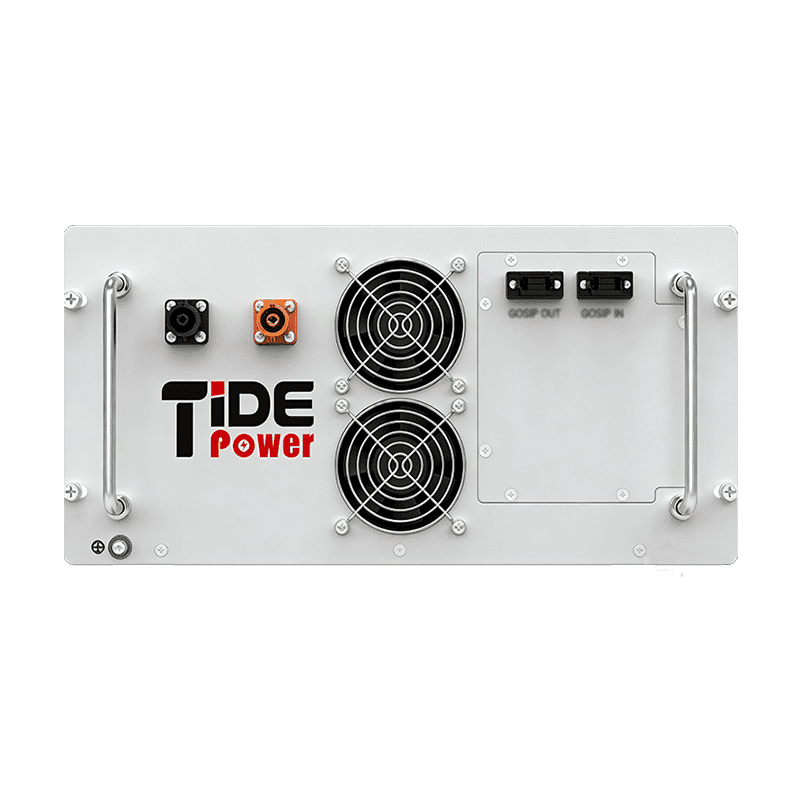
Which Site Conditions Make Stand Alone BESS the Safer Choice?
Stand alone BESS earns its cost when the grid cannot be trusted as a voltage source. This appears in three recurring site patterns: weak rural feeders, remote telecom or التعدين loads, and critical processes that cannot accept even a short transfer break. In these locations, the battery is not an optimizer. It is the stability layer.
If the inverter waits for a utility waveform that is already collapsing, the site will drop load. For off-grid telecom and industrial projects we have delivered, the load step from a pump or compressor start can be large relative to the feeder. A stand alone BESS sized for those steps can hold frequency while a diesel generator ramps. That sequence is easier to certify when the system is specified as grid forming from the start.
When Does Grid Connected BESS Deliver the Stronger Business Case?
Grid connected BESS should be specified when the site already has a firm utility connection and the financial case depends on time of use arbitrage, demand charge reduction, or grid services. The grid supplies the sink and source. The battery controls net power at the meter. That makes the design more compact because the inverter does not need to ride through worst-case islanded loads unless islanding is a stated requirement.
The trade off is paperwork and compliance. Export permission, meter configuration, protection settings, and utility communication are part of the procurement scope. If those items are not settled before the BESS is ordered, the project can face commissioning delays even when the hardware is correct. This is the mode where a clear interconnection application matters as much as battery selection.
If your site has export permission or a generator paralleling point, confirm the PCS operating mode and anti-islanding settings before the BOM is final. Send a single-line diagram and the utility requirements to [email protected].
Which Procurement Details Change Between the Two Modes?
Grid connected projects put pressure on metering, export protection, and utility communications. Stand alone projects put pressure on black start, load step response, and generator coordination. Before a design is final, we ask whether the utility requires specific anti-islanding settings or export limits. We ask what the largest single load step is that the battery must absorb without a grid reference. We ask which generator sets, if any, will operate in parallel with the BESS during transition.
Each answer changes the inverter rating, the energy management system programming, and the acceptance test sequence. They also change the battery duty cycle. A stand alone system that must carry a mining pump start daily will need a different cycle life calculation than a grid connected system doing evening peak shaving.
One real project pattern sticks out: a site with stable daytime solar and a weak evening grid often specifies grid connected mode for daytime export, then switches to generator-assisted island mode for night loads. That dual duty has to be written into the energy management system before factory testing, not discovered during commissioning.
What Should You Confirm Before Finalizing a BESS Specification?
A BESS architecture decision is only as good as the site data behind it. The most common failure mode we see is not the wrong battery chemistry. It is a specification written around the battery first and the grid conditions second. That order leads to rework in commissioning.
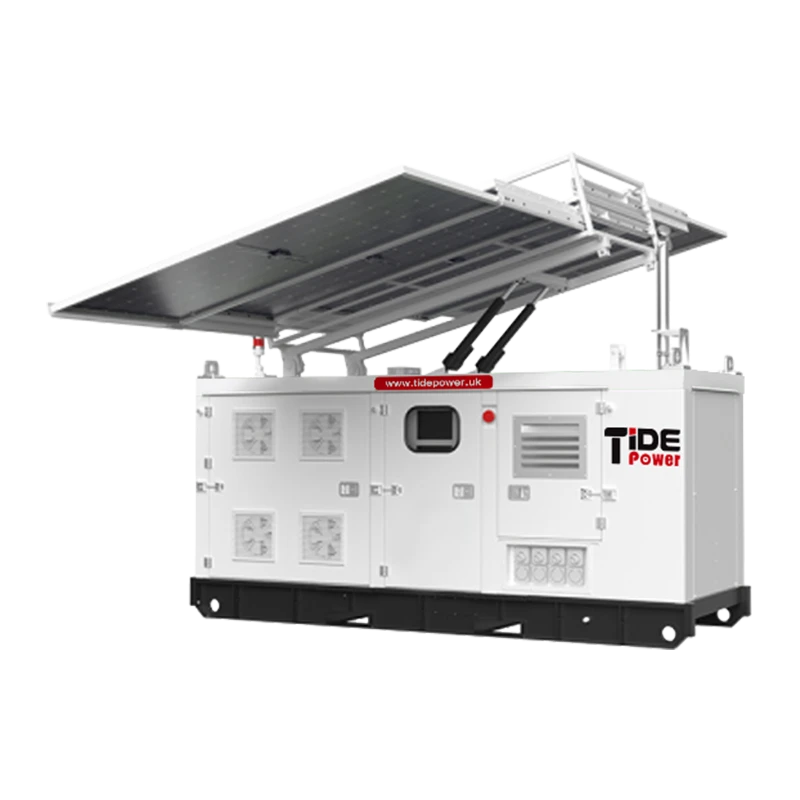
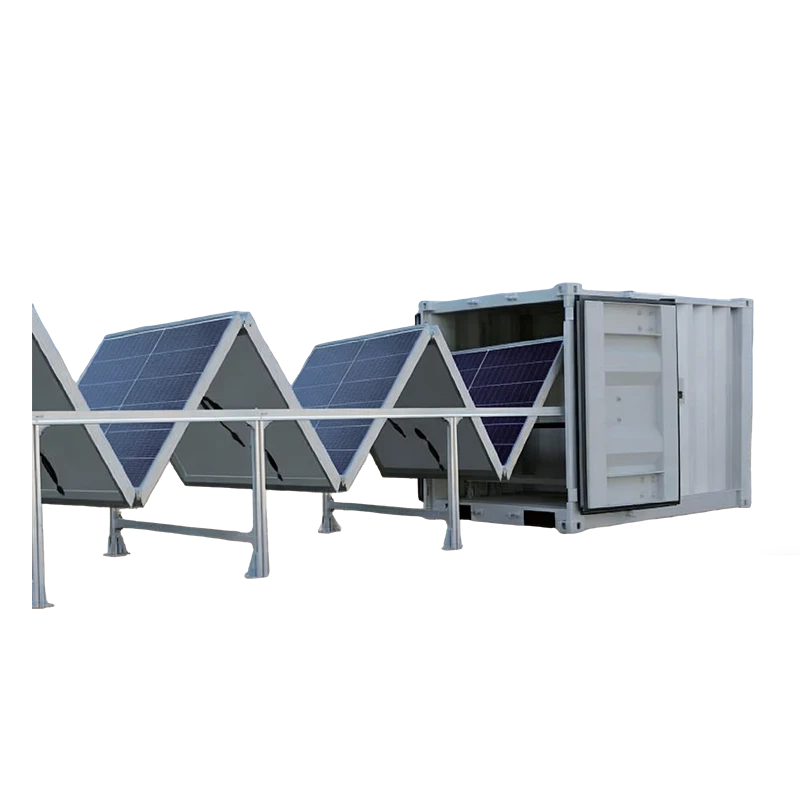
Tide Power reviews both modes through one hybrid energy platform, from 10 kVA to 250 kVA, with LFP storage from 5.12 kWh modules to TP-100BESS and larger containerized units. We start from the single-line diagram, the utility rules, and the load step list. Then we match the inverter mode, generator interface, and storage capacity to those conditions. If you are preparing a grid connected or stand alone BESS inquiry, send the site single-line diagram, the largest motor or pump load, and the expected grid availability window to [email protected] or call +86 591 2806 8999. We will confirm which mode fits your site and what hardware scope should be quoted.
What Else Do Buyers Ask About Grid Connected and Stand Alone BESS?
Can a grid connected BESS operate when the utility fails?
Only if it is specified with islanding. A standard grid connected BESS will trip on anti-islanding protection when utility voltage or frequency moves outside its ride-through band. The islanded version needs a separate transfer scheme, a dedicated islanding contactor, and a control mode that shifts from current source to voltage source. If the load cannot tolerate a brief outage, the specification must include this sequence and the acceptance test must prove it.
Does stand alone BESS mean no generator is needed?
A common wrong assumption is that a stand alone BESS replaces the generator entirely. In most off-grid sites we review, the battery covers fast response and short autonomy, while the generator covers sustained loads and recharge. Sizing the battery to carry the full load for days is usually poor economics. The better design pairs a smaller battery with a diesel or gas generator and sets a clear handoff sequence between the two.
Which architecture costs less to deploy?
cURL Too many subrequests by single Worker invocation. To configure this limit, refer to https://developers.cloudflare.com/workers/wrangler/configuration/#limits.
cURL Too many subrequests by single Worker invocation. To configure this limit, refer to https://developers.cloudflare.com/workers/wrangler/configuration/#limits
cURL Too many subrequests by single Worker invocation. To configure this limit, refer to https://developers.cloudflare.com/workers/wrangler/configuration/#limits.
إذا كنت مهتمًا، اطلع على هذه المقالات ذات الصلة:
انتهت بنجاح مؤتمر موظفي شركة تايد باور
الاحتفال بقدوم مهرجان منتصف الخريف والعيد الوطني في شركة تايد باور
تم بنجاح توقيع مراسم التوريد السنوية بين Tide Power وMWM
حضرت شركة تايد باور قمة الحزام والطريق
المؤتمر التدريبي الفني لطاقة المد في جنوب شرق آسيا
