 AR
AR EN
EN ZH
ZH FR
FR ES
ESمقارنة أشكال مستوى ضوضاء المولدات الديزل الصامتة حيث وكيف يمكن تركيب نظام الطاقة الخاص بك، وليس فقط تصنيف الديسيبل. الخط الحقيقي بين المولد المفتوح القياسي ومولد الديزل العازل للصوت يحدد ما إذا كنت تحصل على موافقة الموقع، وتتجنب شكاوى المجتمع، وتلتزم بحدود الضوضاء التعاقدية. بعد عقد من الزمن الدعممن خلال قيادة مشاريع البنية التحتية للطاقة الدولية، رأيت أن الافتراض الخاطئ بشأن الضوضاء في مرحلة التخطيط يؤدي إلى إعادة تصميم مكلفة، وتأخير التشغيل، وحتى رفض التصاريح. يوضح هذا الدليل كيف يتم قياس ضوضاء المولد، ومتى لا تروي الحسابات وراء dB(A) القصة كاملة، وما العوامل التشغيلية والامتثالية التي يجب أن توجه مقارنتك قبل الشراء.
كيفية قياس تصنيفات الضوضاء في المولدات الديزل
معظم الشركات المصنعة تبلغ عن ضوضاء المولد الديزل كمستوى ضغط الصوت بوحدة ديسيبل (A) عند مسافة مرجعية قدرها 7 أمتار. هذا الرقم المفرد مفيد، لكنه غير كامل بدون فهم ظروف القياس. مقياس ديسيبل (A) يفلتر المكونات ذات التردد المنخفض ليحاكي حساسية الأذن البشرية، لذلك يمكن أن تقرأ جهازان بنفس الناتج الخام بشكل مختلف. مستوى طاقة الصوت، المعبر عنه بديسيبل، يصف الطاقة الصوتية الكلية بغض النظر عن المسافة — المقياس المفضل عند مقارنة تصاميم الحاويات المختلفة.
إذا حقق المولد 68 ديسيبل (A) على بعد 7 أمتار على لوح اختبار بدون أسطح عاكسة، قد يقرأ نفس الوحدة 73 ديسيبل (A) على موقع خرساني بالقرب من جدار. يجب على فرق الشراء التي تقارن المواصفات عبر العلامات التجارية التأكد مما إذا كانت القياسات تتبع معيار ISO 8528-10 أو معايير مماثلة، وعلى أي مسافة وعامل حمل تم جمع البيانات. يمكن أن ينخفض مستوى ديسيبل (A) لمولد نوع مفتوح إلى منتصف الستينيات عند وضعه في غطاء مبني بشكل جيد، لكن سمك مادة الحاوية، والدعائم، وتفاصيل الإغلاق تحدد مدى ذلك الانخفاض الذي يترجم إلى موقع حقيقي. على سبيل المثال، لوحة فولاذية بسماكة مليمترين مع عزل صوتي استراتيجي توفر ميزة قابلة للقياس مقارنة بالحاويات ذات الطبقة الواحدة الرقيقة.
صامت مقابل قياسي: فجوة الديسيبل وما تعنيه فعليًا
الأرقام الخام تساعد، لكن المسافة التشغيلية بين المولد الديزل الصامت والقياسي تُفهم بشكل أفضل من خلال عتبات التطبيق الحقيقي. يقارن الجدول أدناه مستويات الضوضاء النموذجية لمجموعات المولدات الديزل المنتشرة عادة عند حمل 75% وقياس على بعد 7 أمتار.
| نوع المولد | مستوى ديسيبل (A) النموذجي عند 7 أمتار | الحاوية الشائعة |
|---|---|---|
| نوع مفتوح (قياسي) | 78–85 | بدون أو غطاء مبسط |
| حاوية مقاومة للعوامل الجوية الأساسية | 72–78 | ألواح فولاذية رقيقة، علاج صوتي محدود |
| غطاء صامت عالي الأداء | 60–70 | بطانة صوتية متعددة الطبقات، ألواح ذات طبقتين |
| صامت فاخر (سرعة منخفضة، 1500 دورة في الدقيقة) | 55–65 | مسارات تدفق هواء هندسية، عادم معزول |
يؤدي فرق العشرة إلى الخمسة عشر ديسيبل بين مجموعة مفتوحة ووحدة صامتة عالية الأداء إلى تقليل مستوى الصوت المدرك إلى النصف تقريبًا. هذا أمر بالغ الأهمية في موقع تقيس فيه ضوضاء الخلفية المحيطة 45 ديسيبل (أ) والحد التشغيلي المفروض بموجب مرسوم محلي هو 60 ديسيبل (أ) عند حدود الملكية. مولد مفتوح قياسي سيفشل في تجاوز هذا الحد بشكل مباشر؛ وحدة صامتة مع وضع مناسب قد تتجاوزه.
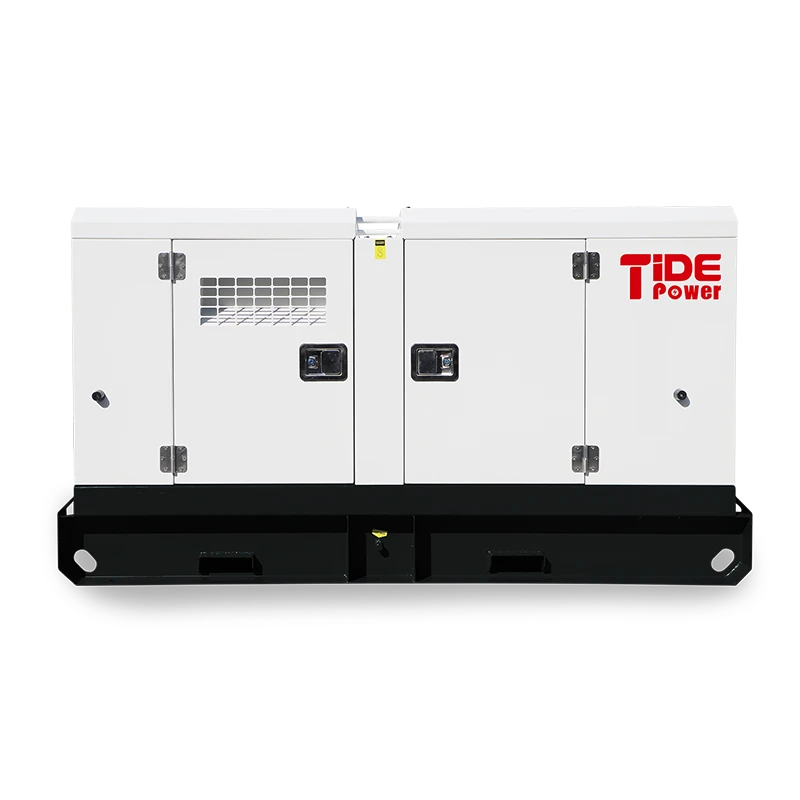
حلول الطاقة التي تعطي الأولوية للتصميم الصوتي المدمج، مثل حلول Tide Power سلسلة P تستخدم مجموعات المولدات الصامتة مظلة عازلة للصوت بسماكة 2 مم جنبًا إلى جنب مع مسارات تهوية مخصصة للحفاظ على هذه الأرقام المنخفضة دون التضحية بأداء التبريد. أهدأ مولدات الديزل ليست مجرد محركات قياسية داخل صندوق؛ فهي تدمج تركيبًا معزولًا عن الاهتزازات، ومخمدات عادم مضبوطة على تردد إشعال المحرك، وإدارة تدفق الهواء التي تتجنب ضوضاء الاضطراب.
تؤثر ضوضاء المولد على الامتثال للموقع، وليس فقط الراحة
بينما تهيمن أرقام الديسيبل على أوراق المواصفات، فإن قصة امتثال مشروعك للضوضاء تُكتب في مرحلة الترخيص. تفرض المناطق السكنية في العديد من الأسواق حدودًا ليلية تتراوح بين 50-55 ديسيبل (أ) عند أقرب مسكن، وقد يكون لدى المستشفيات أو مراكز البيانات حدود قصوى داخلية أكثر صرامة. قد ينتج مولد يسجل 78 ديسيبل (أ) عند 7 أمتار 68 ديسيبل (أ) عند 30 مترًا، وهو ما لا يزال كافيًا لخطر الانتهاك إذا كان خط السياج قريبًا.
في أحد مشاريع توسعة الاتصالات التي استشرت فيها، اختار فريق الهندسة في البداية مجموعة مفتوحة قياسية بقوة 100 كيلو فولت أمبير لموقع ريفي. أعادت تقييمات الأثر البيئي توقع 74 ديسيبل (أ) عند أقرب قرية على بعد 40 مترًا، متجاوزة الحد الليلي البالغ 55 ديسيبل (أ) بفارق كبير. تجنب المشروع تأخير إعادة التصميم لمدة ستة أشهر لأن الفريق أدرج بديلاً للمظلة الصامتة في تحليل التكاليف الأصلي. أضاف التحول إلى مجموعة مولدات عازلة للصوت تكلفة إضافية، لكنه ألغى الحاجة إلى حواجز صوتية إضافية، أو مسافات فاصلة عن الحدود، أو دراسة ضوضاء في مرحلة متأخرة. تم تشغيل التركيب النهائي في الموعد المحدد دون أي شكاوى ضوضاء.
إذا كان مشروعك يمتد عبر بيئات تنظيمية مختلفة، فمن المحتمل أن تواجه متطلبات ضوضاء متعارضة عبر الولايات القضائية. قد تحتاج مولدات صامتة تتوافق مع توجيهات الضوضاء الخارجية للاتحاد الأوروبي إلى تحقق إضافي لحرم جامعي مستشفى في أمريكا الشمالية. يصبح التحقق من أن الشركة المصنعة يمكنها توفير بيانات اختبار متوافقة مع المعايير المحلية، وليس مجرد قيمة ورقة بيانات عامة، مرشحًا للشراء. يمكن أن يوضح مناقشة الامتثال الخاص بالموقع مبكرًا مع [email protected] ما إذا كان النموذج الصامت القياسي كافيًا أو ما إذا كانت حزمة صوتية مخصصة مبررة.
مطابقة مولد صامت مع واقع التشغيل الخاص بك
اختيار مولد ديزل صامت لا يتعلق فقط بأدنى رقم ديسيبل (أ). يؤثر تصميم الغلاف بشكل مباشر على سهولة الوصول للصيانة، والتبريد، والموثوقية على المدى الطويل. الغلاف المحكم الذي يمنع الضوضاء يحبس الحرارة أيضًا، لذلك يجب أن يكون نظام التهوية بحجم مناسب للتعامل مع التشغيل بكامل الحمل دون إنشاء نقاط ساخنة حول المولد أو رؤوس المحرك.
لقد لاحظت أن مجموعات المولدات ذات التهوية العمودية، حيث يدخل الهواء البارد من الأسفل ويخرج الهواء المستهلك عبر فتحات السقف، تميل إلى توفير تحكم أكثر انتظامًا في درجة الحرارة من تلك التي تعتمد على تدفق الهواء من الأمام إلى الخلف وحده. أكبر شكوى من مشغلي الموقع بمجرد تركيب مولد صامت ليست الضوضاء - إنها صعوبة الوصول إلى فلاتر الزيت، أو مصارف سائل التبريد، أو مشدات السيور المخفية خلف حواجز صوتية. الغلاف ذو الأبواب الكبيرة المفصلية الجانبية ومدخل تعبئة الوقود الخارجي يعالج هذه المشكلة من اليوم الأول.
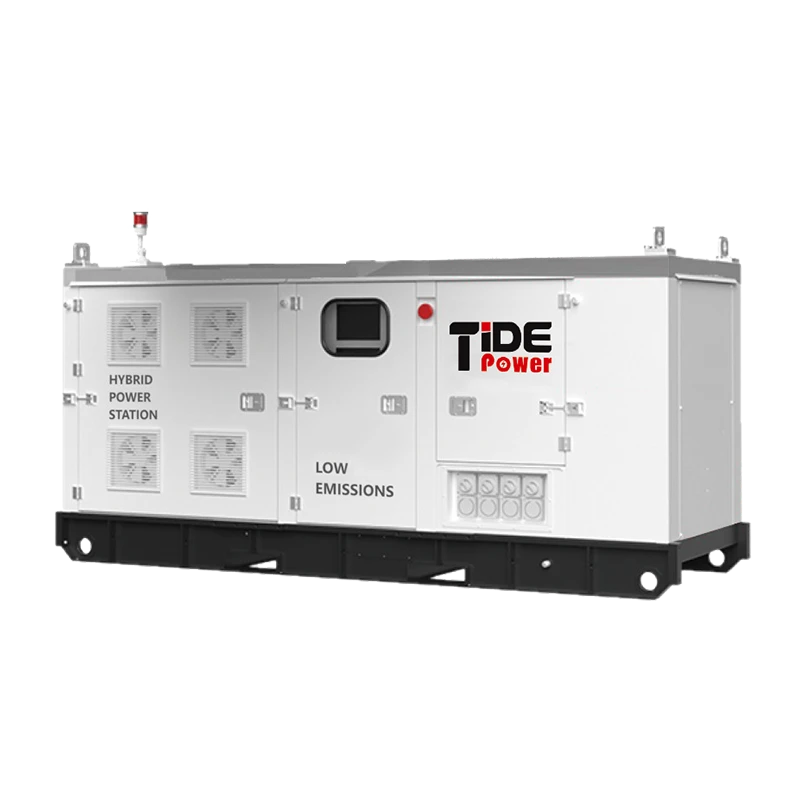
الشركات المصنعة التي تصمم الأداء الحراري والصوتي معًا تنتج مولدات تظل هادئة دون خفض الإنتاج. سلسلة Hemera من Tide Power، على سبيل المثال، تقترن بخيارات محركات متعددة العلامات التجارية مع غلاف مصمم للتبريد المستمر تحت أحمال الطاقة الأساسية المستمرة في البيئات الحساسة. النتيجة العملية هي آلة لا يلعنها فريق الصيانة، ويوافق عليها مفتش الامتثال.
المحرك، العادم، والتركيب: ثلاثي التحكم في الضوضاء
ثلاثة أنظمة فرعية تحدد كيفية اندماج بصمة ضوضاء المولد في الموقع. أولاً، سرعة المحرك. ينتج المولد الذي يعمل بسرعة 1500 دورة في الدقيقة (50 هرتز) طيف تردد أقل وأقل إزعاجًا من المولد الذي يعمل بسرعة 1800 دورة في الدقيقة (60 هرتز)، وغالبًا ما يقلل من الانزعاج المدرك حتى عندما تكون أرقام الديسيبل (أ) متشابهة. ثانيًا، مخمد العادم. قد يخفض كاتم الصوت السكني القياسي 15-25 ديسيبل (أ)؛ يمكن لمخمد من الدرجة الحرجة أن يتجاوز تخفيف 35 ديسيبل (أ)، مما يغلق الفجوة بين اجتياز حدودي واجتياز مؤكد. ثالثًا، عزل الاهتزازات. تنقل محركات الديزل الضوضاء المنقولة عبر الهيكل عبر الهيكل إلى اللوح أو قاعدة المقطورة، وتفقد التركيبات الأرخص كفاءة العزل في غضون بضع مئات من ساعات التشغيل.
عندما أقوم بتقييم تكوينات المولدات للمشاريع التي تتطلب ضوضاء منخفضة، أطلب بيانات اختبار الاهتزازات على العوازل، وليس فقط ادعاء الشركة المصنعة بـ “اهتزاز منخفض”. مجموعة مولدات تظهر سرعة اهتزاز 0.5 مم/ثانية RMS على الهيكل عند الحمل الكامل ستنقل طاقة أقل بكثير إلى إطار المبنى من تلك التي تعمل بسرعة 2.0 مم/ثانية. هذا الفرق يتحول إلى ساعات أقل من المعالجة بعد التركيب وإضافات أقل للتحكم في الضوضاء.
أولويات الشراء بما يتجاوز ورقة المواصفات
يتطلب تقييم مولد صامت مقابل مولد مفتوح قياسي في النهاية النظر إلى ما وراء سعر الشراء الأولي. تكلف المولدات الصامتة أكثر مقدمًا - أدوات الغلاف، والمواد الصوتية، وأجهزة التبريد الإضافية ترفع السعر لكل كيلو فولت أمبير. ومع ذلك، فإن التكاليف المتجنبة لإعداد الموقع، والسياج الصوتي، وتقارير تخفيف الضوضاء، والتأخيرات المحتملة للمشروع غالبًا ما تعوض هذه العلاوة في غضون التركيب الأول.
المرونة في سلسلة التوريد مهمة أيضًا. إذا كان مشروعك يتطلب مجموعة صامتة بقدرة 500 كيلوفولت أمبير مع علامة تجارية محددة للمحرك لدعم ما بعد البيع، فإن الشركة المصنعة التي تقدم خيارات محركات متعددة ضمن نفس منصة العلبة تمنحك مرونة في التوريد. سلسلة Econic من Tide Power، التي تصل إلى 1650 كيلوفولت أمبير مع محركات من Cummins و Perkins و DEUTZ وغيرها، مبنية على هذا النهج القابل للتكوين. يمكن أن تقلل هذه المرونة من أوقات الانتظار عندما يصبح تحديد مواصفات محرك معين أمرًا حاسمًا لشبكات الخدمة المحلية أو متطلبات الانبعاثات.
قرار طاقة أكثر هدوءًا وتوقعًا
عندما يمكن أن تؤدي الامتثال للضوضاء إلى تأخير أو حتى إلغاء مشروع، يصبح اختيار المولد قرارًا استراتيجيًا، وليس مجرد خانة في المواصفات. الفارق بين الصامت والعادي يُقاس بالديسيبل، لكن تأثيره يظهر في جداول التصاريح، علاقات المجتمع، وتكلفة الإصلاحات الصوتية الطارئة. العمل مع شريك يعامل الضوضاء كمعامل هندسي — من تصميم الكابينة إلى ضبط العادم — يمنحك تكوينًا يتجاوز حدود الموقع دون تنازلات تشغيلية مخفية.
اتصل بـ Tide Power Technology على البريد الإلكتروني [email protected] أو عبر الهاتف +86 591 2806 8999 لمناقشة متطلبات ضوضاء الموقع الخاص بك وبناء مواصفة لمولد يلبي أهدافك من حيث الطاقة والصوت.
أسئلة حول ضوضاء المولد تؤثر على جداول المشروع
ما هو الفرق الواقعي في الضوضاء بين المولد الديزل الصامت والعادي في الموقع الفعلي؟
عادةً ما يكون الفرق بين 12-20 ديسيبل (A) على بعد 7 أمتار تحت الحمل، لكن تصميم الموقع، الأسطح العاكسة، والضوضاء الخلفية تقلل أو توسع هذا الفارق. غالبًا ما يقيس المولد المفتوح بسعة 200 كيلوفولت أمبير 82 ديسيبل (A) على بعد 7 أمتار، في حين أن النسخة الصامتة المصممة بشكل جيد من نفس السعة يمكن أن تنخفض إلى 65 ديسيبل (A). عند حدود الملكية، قد يكون الوحدة الصامتة أقل من الضوضاء المحيطة عند 50 مترًا، بينما يظل المولد المفتوح قابلًا للكشف عن نغمة يمكن سماعها بعيدًا عن ذلك.
هل يقلل الغلاف العازل للصوت من خرج الطاقة للمولد أو يقصّر عمر المحرك؟
الغلاف المصمم بشكل صحيح لا يقلل من خرج الطاقة المصنف أو يقصّر عمر المحرك. تصمم الشركات المصنعة مسارات تدفق الهواء للحفاظ على درجة حرارة الهواء الداخل ضمن النطاق المسموح به للمحرك، وتعمل المفاتيح الحرارية على الحماية من السخونة الزائدة. يظهر التآكل المبكر عندما تتجنب فرق الصيانة فتح الكبائن للفحوصات الروتينية — الأبواب الكبيرة والوضع المنطقي للمكونات يؤثران مباشرة على الاعتمادية على المدى الطويل. توفر أوراق المواصفات التي تتضمن بيانات اختبار حراري مفصلة ثقة أكبر من التصنيفات العامة مثل.
هل المولدات الديزل الصامتة عملية للتطبيقات المؤقتة أو الإيجارية حيث يكون التكلفة العامل الرئيسي؟
هي عملية عندما يتضمن عقد الإيجار التزامات الامتثال للضوضاء أو إذا كان الموقع حساسًا للضوضاء. يحمل المولد الصامت زيادة في سعر الإيجار، لكن البديل من دفع تكاليف الحواجز الصوتية، أو التبطين، أو استشارة صوتية احتياطية غالبًا ما يكلف أكثر على مدى ستة أشهر من النشر. القرار يعتمد على ما إذا كانت تصريح الموقع الخاص بك يحدد حدًا معينًا للـ dBA. عندما يكون كذلك، يصبح المولد الصامت الخيار الوحيد المتوافق، والفارق في سعر الإيجار لم يعد النقطة الأساسية للتفاوض. شارك قيود النشر الخاصة بك مع فريقنا للحصول على اقتراح تكوين يوازن بين الميزانية والامتثال.
إذا كنت مهتمًا، اطلع على هذه المقالات ذات الصلة:
التزامن الناجح لـ 7 مجموعات توليد غاز في أفريقيا
تايْد باور TP200BESS: مستقبل كفاءة الطاقة الصناعية
تيد باور و ليستير بيتير يطلقان حل غاز متقدم للطاقة المستدامة
القوة الصامتة، المستقبل الذكي: تيد باور تطلق مولد سلسلة باندا
وقعت شركة تايد باور وكاتربيلر بنجاح على اتفاقية نية شراء محركات MWM لعام 2025